You bought a single serve coffee maker for speed, not for the coffee it produces. Most of these machines brew a cup that tastes thin, bitter, or vaguely like plastic. The problem isn’t the machine’s design. It’s the way most people use them.
You can get a genuinely good cup from a single serve brewer. It takes a few deliberate changes to your water, your beans, and your cleaning routine. This guide walks through the specific fixes that matter, in order of impact. Some cost nothing. A few require a small purchase. All of them are things you can do today.

BRENSTEN
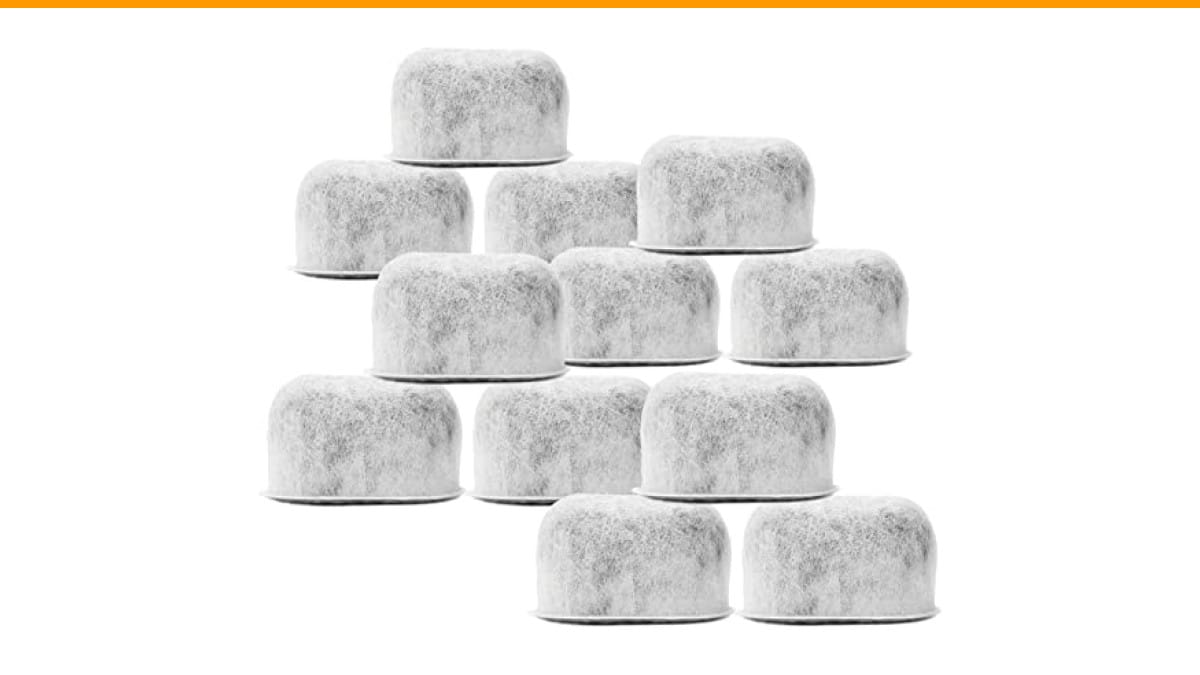
12 Pack Replacement Charcoal Water Filters for…
- ENJOY THE DELICIOUS TASTE AND AROMA OF BREWED COFFEE - Removes chlorine, odors, calcium, and other water impurities prior to brewi…
- COMPATIBLE WITH CUISINART COFFEE MAKERS – Specially designed for Cuisinart coffeemakers, these set of charcoal filter refills will…
- EASY TO INSTALL – Not only will these filters provide a less expensive way for you to enjoy delicious coffee, but they are also ve…
As an Amazon Associate I earn from qualifying purchases.
By the end, you’ll know exactly why your coffee falls short and how to fix it. No vague advice about “using fresh beans.” You’ll get numbers, timing, and specific techniques.
One quick note before we start: if your machine uses a charcoal water filter, that filter is probably the weakest link in your setup. A stale filter makes coffee taste flat and can pass along chlorine notes. The BRENSTEN 12-pack replacement charcoal filters fit most Cuisinart models and cost less per filter than the brand-name ones. Swapping in a fresh filter every 30 days is one of the easiest upgrades you can make.
Start With Water, Not Beans
Your coffee is 98% water. If your tap water tastes off, your coffee will taste off. That’s not an opinion, it’s chemistry.
Hard water with high mineral content extracts coffee unevenly and leaves scale inside the machine. Chlorine, common in municipal tap water, kills the delicate aromatic compounds in coffee. The result is a cup that tastes dull or slightly chemical.
Use filtered water from a pitcher, a faucet filter, or bottled spring water. Avoid distilled water entirely — it has no minerals at all, which makes coffee taste sour and flat. The ideal water for coffee has a total dissolved solids (TDS) reading between 150 and 250 parts per million. Most decent bottled waters fall in this range.
If your machine has a built-in charcoal filter, replace it on schedule. That filter removes chlorine, odors, and some minerals before the water heats. A filter left in place for months stops working and can harbor bacteria. The BRENSTEN filters mentioned above are a solid option because they’re cheap enough to replace monthly without guilt.
Grind Size and Coffee Dose: The Two Variables You Control
Single serve machines brew fast — typically 30 to 60 seconds for a full cup. That short contact time means your coffee needs to be ground finer than you’d use for a drip machine. A medium-fine grind, about the texture of table salt, works best for most pod and basket brewers.
If you’re using pre-ground coffee, you’re already fighting an uphill battle. Ground coffee loses its volatile oils quickly. Within 15 minutes of grinding, the flavor starts to fade. Within a week, it tastes like sawdust.
Buy a burr grinder and grind right before brewing. A blade grinder works in a pinch but produces uneven particles, which leads to over-extraction of the fine bits and under-extraction of the coarse ones. That combination tastes bitter and sour at the same time, which is the worst kind of cup.
Dose matters just as much. Most single serve machines come with a scoop that holds about 7 grams of coffee. That’s not enough for a proper 8-ounce cup. You need 10 to 12 grams for a standard cup, and 14 to 15 grams if you want a stronger brew. Weigh your coffee once with a kitchen scale to see what your scoop actually holds. Then adjust from there.
Clean Your Machine Like You Mean It
A dirty single serve brewer is the most common cause of bad coffee, and most people don’t realize how quickly it gets gross. Coffee oils coat the internal lines. Mineral scale builds up on the heating element. Old grounds sit in the brew basket and turn rancid.
That bitter, burnt taste in your morning cup? It’s often not the coffee. It’s the residue from last week’s brews.
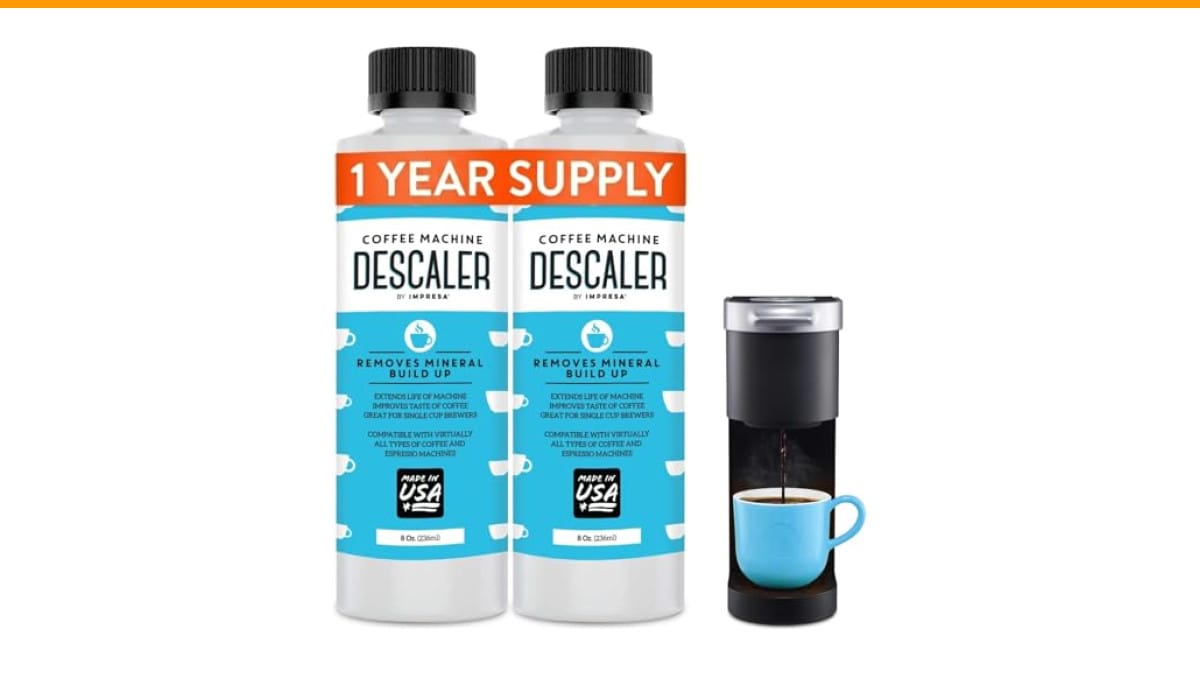
Run a descaling cycle every 1 to 3 months, depending on your water hardness. Use a commercial descaler or a 50/50 mix of white vinegar and water. Run the solution through a full brew cycle, then run two or three cycles with plain water to rinse. Your machine’s manual has specific instructions, but the general process is the same across brands.
For daily maintenance, wipe the brew basket and the area around the needle or nozzle after each use. Every couple of weeks, remove the brew basket and wash it with warm soapy water. If your machine has a reusable filter basket, give it a good scrub — those mesh screens clog with fines and slow the flow, which changes extraction time.
If you notice your machine brewing slower than it used to, that’s a clog. Check our guide on cleaning a clogged coffee maker for the step-by-step fix. Regular cleaning also prevents the mineral buildup that leads to those flashing lights on Cuisinart brewers.
Match the Brew Cycle to the Coffee
Not all single serve machines brew the same way. Some use a simple drip mechanism. Others use a pressurized system that forces water through a pod. The brew time and water temperature vary significantly between models.
Water temperature is the big one. Coffee extracts best between 195°F and 205°F. Below that range, you get sour, underdeveloped flavors. Above it, you get bitter, burnt notes. Many budget single serve machines don’t hit this range reliably, especially if they’re old or scaled up.
You can’t adjust the temperature on most machines, but you can compensate. If your coffee tastes sour, run a hot water cycle through the machine first to warm the internal components. Then brew your coffee immediately. This preheating step raises the effective brew temperature by several degrees.
If your coffee tastes bitter, try a slightly coarser grind or brew a smaller cup. Many machines let you choose between 6, 8, and 10 ounces. The larger settings dilute the coffee, but they also run more water through the same grounds, which over-extracts them. Brew the smallest size your machine offers, then add hot water to the cup if you want a larger drink.
Pod vs. Ground Coffee: Know the Trade-Off
Pods and K-Cups are convenient, but they’re a compromise. The coffee inside is pre-ground, often stale by the time you buy it, and the dose is fixed. You can’t adjust the grind or the amount. If you’re serious about taste, switch to a reusable filter basket and your own coffee.
That said, not all pods are equal. Some brands use fresher coffee and more of it per pod. Look for pods that list a roast date and a weight per pod — 10 grams or more is a good sign. Avoid pods that feel light or rattle when shaken.
If you stick with pods, store them in an airtight container away from light and heat. The foil top keeps oxygen out until you pierce it, but once you open a box, the remaining pods are exposed.
For ground coffee, buy whole beans and grind at home. This is the single biggest upgrade you can make, and it costs less per cup than pods. A decent burr grinder like the Baratza Encore or the Timemore C2 will pay for itself within a few months.
Comparing Your Options: Quick Reference Table
| Method | Best For | Brew Time | Cost Per Cup | Taste Potential |
|---|---|---|---|---|
| K-Cup / Pod | Speed and convenience | 30-60 seconds | $0.50-$1.00 | Low to medium |
| Reusable filter + pre-ground | Budget-friendly and easy | 60-90 seconds | $0.15-$0.30 | Medium |
| Reusable filter + fresh ground | Best taste from single serve | 60-90 seconds | $0.20-$0.40 | High |
| Reusable filter + fresh ground + water filter | Maximum quality | 90-120 seconds | $0.25-$0.50 | Very high |
The table above assumes you’re using a standard single serve machine. If you have a model with a built-in grinder, your brew time will be longer but the freshness will be better. The water filter row is the one most people skip, and it’s the cheapest way to close the gap between your machine and a café pour-over.
Five Questions People Actually Ask
Why does my single serve coffee taste weak?
Weak coffee usually means too little coffee in the basket. Most machines come with a scoop that’s smaller than the proper dose. Measure 10 to 12 grams of coffee per cup instead of the 7 grams the scoop holds. If you’re using pods, try a brand that packs more coffee per pod.
Why does my coffee taste bitter even with fresh beans?
Bitter coffee is often over-extracted. That happens when the grind is too fine, the water is too hot, or the brew time is too long. Try a slightly coarser grind and brew a smaller cup size. Also check your machine for scale buildup — old mineral deposits can cause localized overheating.
How often should I change the water filter in my single serve machine?
Every 30 days is the standard recommendation. If you have hard water, change it every 2 to 3 weeks. A filter that’s past its prime doesn’t just stop working — it can release absorbed contaminants back into the water. Set a reminder on your phone.
Can I use tap water in my single serve coffee maker?
You can, but you’ll get better results with filtered water. Tap water with high chlorine or mineral content will make your coffee taste flat or metallic. If you don’t want to buy a separate filter, at least let the tap water sit in an open pitcher for an hour to let some chlorine evaporate.
Is it worth buying a reusable filter instead of pods?
For taste, yes. For convenience, no. A reusable filter lets you control grind size and dose, which are the two biggest factors in flavor. It also costs less per cup. The downside is you have to clean it after every use. If you’re willing to spend 30 seconds rinsing it, the trade-off is worth it.
What Actually Moves the Needle
- Swap your water source first. It’s the cheapest fix and the one most people overlook.
- Replace the charcoal filter every 30 days. Mark it on your calendar.
- Grind whole beans right before brewing. A burr grinder is worth the investment.
- Measure your coffee by weight, not by scoop. Aim for 10-12 grams per cup.
- Descale every 1-3 months. Scale buildup ruins both temperature and flow.
- Preheat the machine with a hot water cycle before brewing.
- If you use pods, pick ones with 10+ grams of coffee and a roast date.
None of these steps are complicated. They just require a bit of consistency. The payoff is a cup that tastes like something you’d pay for at a café, not something you tolerate on your way out the door.
Start with the two easiest changes — filtered water and a fresh charcoal filter. The BRENSTEN filter pack is a low-cost way to see the difference immediately. Then work through the other fixes one at a time. You’ll notice the improvement with the first cup.
For deeper maintenance, check our guide on how often to clean your coffee maker and the one on proper cleaning methods. Both cover the routine that keeps your machine brewing great coffee for years.
Products related to this article
Sponsored / affiliate links. As an Amazon Associate I earn from qualifying purchases. I may earn additional commission from eligible campaigns.
 HomeBeyond Espresso Coffee Maker 12 Cups, Classic Stovetop Espresso Maker, 600ml / 20oz Coffeemaker for Gas & Ceramic Stovetops (Silver)
 Quick Heating Cup Warmer, Three Temperature Settings, Splashproof and Portable, for Coffee, Milk, Lightweight ABS Material
 Belly Moka Coffee Maker Stovetop Espresso Maker 9 Cup Aluminum Moka Pot Percolator 15oz 450ml Easy Brewing for Electric Ceramic Stoves Home Camping Italian Cuban Café Classic Black