You notice it on your third cup of the morning: the grind looks a little uneven, the handle turns with a gritty resistance, and your coffee tastes more bitter than it did last week. The burrs inside your manual grinder are caked with old coffee oils, and that buildup is quietly ruining your brew. A manual grinder is a precision tool, but it’s also a magnet for stale grounds and moisture.
This guide walks you through every step of keeping your manual grinder in top shape—from quick daily habits to deep cleaning routines and burr calibration. You’ll learn what tools to use, how often to do each task, and what mistakes to avoid. By the end, you’ll know exactly how to maintain a manual coffee grinder so it lasts for years and delivers a consistent grind every single time.
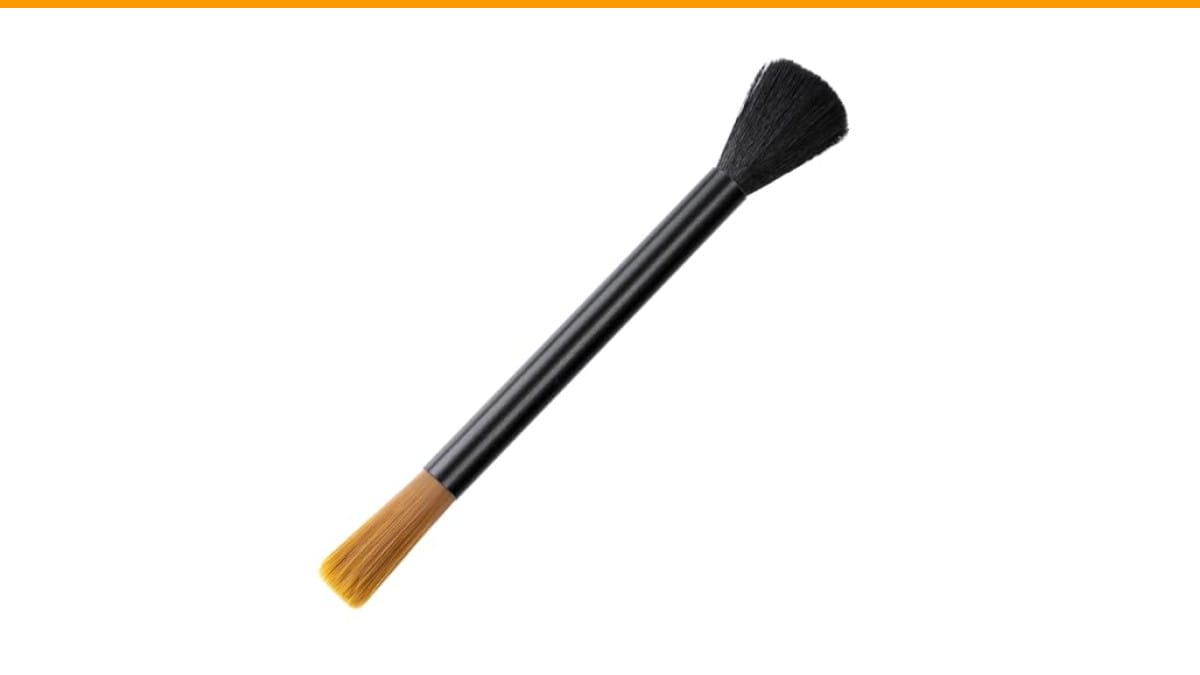
Before we get into the routine, you need one basic tool: a good cleaning brush. The Acooruiteng Coffee Grinder Cleaning Brush is a solid pick. Its fiber wool bristles are stiff enough to dislodge stuck grounds from burr crevices but soft enough not to scratch the metal. The aluminum handle gives you a firm grip, and it’s small enough to reach the tight spots inside most grinders. It’s a simple tool, but it makes the job far less fiddly.
Why Your Manual Grinder Needs Regular Maintenance
Manual grinders have a reputation for being low-maintenance, and that’s mostly true—until they aren’t. The two main enemies are coffee oil residue and stale grounds trapped in the burrs. Over time, that oily film turns rancid, which adds a bitter, burnt flavor to your coffee. It also makes the handle harder to turn, putting unnecessary strain on the internal gears and axle.
There’s also the issue of grind consistency. When burrs get clogged, the distance between them changes, and you start getting a mix of fine powder and coarse chunks. That uneven extraction is why your coffee tastes sour one day and bitter the next. Regular maintenance keeps the burrs clean and the grind size accurate.
Think of it like a chef’s knife. You can use it daily without sharpening, but eventually, it becomes dull and dangerous to use. Your grinder is the same—a few minutes of care every couple of weeks prevents a frustrating and expensive breakdown.
Daily and Weekly Maintenance Routine
The good news is that daily maintenance takes about 30 seconds. After you grind your beans, give the grinder a quick spin with no beans in it. This helps dislodge any loose grounds stuck between the burrs. Then, use a brush like the Acooruiteng brush to sweep out the chute and the area around the burrs. This simple habit prevents most buildup before it starts.
Once a week, do a slightly deeper clean. Remove the handle and the top burr if your grinder allows it. Most manual grinders have a simple twist-lock mechanism for the top burr. Once exposed, use your brush to sweep away all visible grounds. For the hard-to-reach crevices, a can of compressed air works wonders—just be careful not to blow dust into your eyes.
If you live in a humid climate, consider leaving the grinder disassembled for an hour after cleaning so all parts can dry completely. Moisture is the enemy of metal burrs; it causes rust and corrosion. A dry brush only takes a minute, but it saves you from a rusty mess later.
Deep Cleaning: When and How to Do It
Every 4 to 6 weeks, you need to do a full deep clean. This is non-negotiable if you want your grinder to perform like new. Start by completely disassembling the grinder. Remove the handle, the adjustment dial, the top burr, and the shaft. Lay all the parts out on a clean towel so you can see what you’re working with.
For the burrs, you have two main options: dry brushing or rice cleaning. Dry brushing is the safest method—use a stiff brush to remove every trace of coffee. For stubborn, oily residue, you can run a handful of dry white rice through the grinder. The rice acts as an abrasive that scrubs the burrs clean without damaging them. The downside is that the rice will leave a starchy residue, so you’ll need to grind a few beans afterward to clear it out.
You should avoid washing the burrs with water unless your grinder’s manufacturer explicitly says it’s safe. Most burrs are made of hardened steel or ceramic, but the internal bearings and axle may not be rust-proof. If you must use water, dry every part thoroughly with a towel and let them air out for a few hours before reassembling. For more guidance on this process, check out our guide on deep cleaning grinders.
Calibrating Burrs and Adjusting Grind Size
After cleaning, you’ll often notice that your grind size has shifted. This happens because old coffee oils were filling in the gaps between the burrs, and now those gaps are empty. Re-calibrating your grinder is essential after a deep clean. Start by turning the adjustment dial all the way to the finest setting, then back it off one click at a time until you find your usual grind size.
You should also check the burr alignment. Most manual grinders have a fixed alignment, but if you notice the handle wobbles or the grind is consistently uneven on one side, the burrs might be misaligned. Loosen the top burr carrier, re-seat it, and tighten it back down. This usually fixes the problem. If you’re still getting uneven grinds, you may need to replace the burrs entirely—a normal wear-and-tear item after a few years of heavy use.
If your grinder isn’t producing the right consistency, comparing it to a blade grinder’s output might help you understand what’s going wrong. Our article on burr vs. blade grinders explains the differences in detail. The short version is that burr grinders are far more consistent, but only if they’re clean and properly aligned.
Maintenance Methods Compared
Here’s a quick reference table to help you decide which cleaning method to use and when.
| Method | Frequency | Time Needed | Best For | Risk Level |
|---|---|---|---|---|
| Dry brushing | Daily or weekly | 30 seconds to 2 minutes | Removing loose grounds and light residue | Very low |
| Compressed air | Weekly | 1 minute | Clearing crevices you can’t reach with a brush | Low |
| Rice grinding | Every 4-6 weeks | 5 minutes | Absorbing oils and scrubbing burrs | Medium (must clean starchy residue) |
| Full disassembly and water wash | Every 4-6 months | 30 minutes | Deep cleaning greasy, sticky buildup | High (risk of rust if not dried) |
| Burr replacement | Every 2-3 years | 15 minutes | Restoring grind consistency when burrs are dull | Medium |
Common Mistakes to Avoid
The most common mistake is using water on the burrs and not drying them properly. Even a tiny bit of moisture can cause rust spots on steel burrs. If you do use water, dry the parts immediately and let them air out overnight. Another mistake is over-tightening the handle or the adjustment dial. These parts are designed to turn smoothly; if you force them, you’ll strip the threads or crack the plastic housing.
People also forget to clean the catch cup or the container that holds the ground coffee. Oils migrate there too, and they can make your grounds stick to the sides. Wash that cup with soapy water after every deep clean. And don’t ignore the shaft and the internal spring—these parts collect dust and need a wipe-down occasionally.
Finally, don’t use abrasive cleaners or steel wool on the burrs. You’ll scratch the cutting edges, and those scratches will make your grind inconsistent. Stick to brushes, rice, and if absolutely necessary, a soft cloth with a mild dish soap. If you’re looking for a more comprehensive routine for your whole setup, our guide on coffee machine maintenance covers the rest of your equipment.
Frequently Asked Questions
How often should I clean my manual coffee grinder?
You should brush out loose grounds after every use—that takes 30 seconds. A deeper clean with a brush and compressed air should happen weekly. A full deep clean, including disassembly and rice grinding, should happen every 4 to 6 weeks. If you use your grinder multiple times a day, move the deep clean to every 3 weeks.
Can I wash my manual grinder with soap and water?
You can wash the catch cup and the outer housing with soap and water. Do not wash the burrs or the internal shaft with water unless the manufacturer says it’s safe. Most burrs are not coated for water resistance, and the internal axle can rust. If you must wash the burrs, dry them immediately and let them air out for several hours before reassembling.
Why does my manual grinder get harder to turn over time?
This is almost always caused by coffee oil buildup on the burrs and around the axle. The residue creates friction, making the handle stiff. A thorough cleaning with a brush and a rice grind will usually fix this. If the handle is still stiff after cleaning, check the axle for damage or misalignment.
Is it safe to grind rice in my coffee grinder?
Yes, but only white rice. Brown rice has more oil and can leave a gummy residue. Grind a small handful of dry white rice, then discard the rice powder. Follow up by grinding a few coffee beans to clear out the starchy residue. Don’t do this more than once a month, as it is slightly more abrasive than coffee beans.
How do I know when my burrs need replacing?
If your grind is consistently uneven even after a deep clean and calibration, your burrs are likely dull. Another sign is that the handle turns very easily but produces a lot of fine powder. Dull burrs crush the beans instead of cutting them. Most burr sets last 2 to 3 years with daily use, but this varies by brand and material.
What to Remember for Long-Term Grinder Health
- Brush out the grinder after every single use—it takes less time than making a cup of coffee.
- Deep clean every 4 to 6 weeks with a brush and a rice grind to remove oily buildup.
- Never soak the burrs in water; dry brushing is the safest method for the cutting surfaces.
- Calibrate your grind size after every deep clean to account for the removed residue.
- Check the burrs for dullness every year; replace them when grind consistency worsens.
- Store your grinder in a dry place, away from the stove or sink, to prevent moisture damage.
- Keep a dedicated brush, like the Acooruiteng cleaning brush, near the grinder so you never skip the quick clean.
Products related to this article
Sponsored / affiliate links. As an Amazon Associate I earn from qualifying purchases. I may earn additional commission from eligible campaigns.
 SOLUSTRE Electric USB Coffee Cup Warmer with Temperature Settings Portable Milk and Beverage Heating Coaster for Office Desk Small Lightweight Design Easy to Clean Surface Multi Functional
 Linnkyfloa Coffee Espresso Maker Handle Replacement for Stovetop Moka Pot or Percolator, Black Plastic for Spare Part Compatible with Italian(9-12 Cup)
 Supvision 3 Cup Moka Pot Aluminum 150ml Italian Coffee Maker