You know that sour, almost burnt taste your morning coffee gets after a few weeks? That isn’t the beans. That is the layer of mineral scale and oxidized coffee oil building up inside the water reservoir and heating element. A 12-cup machine runs hot water through the same internal tubes every single day, and those tubes collect calcium deposits like a kettle does. Once that scale forms, it insulates the water heater, makes the brew temperature inconsistent, and gives every cup a bitter edge you cannot fix with better beans.
Most people run a vinegar cycle once a year and call it done. That handles the basics, but it misses the parts that actually touch your coffee: the spray head, the basket arm, and the carafe lid. This guide walks through the full process — the vinegar rinse, the hidden part cleaning, and the schedule that keeps a $50 machine brewing like it did on day one. You will know exactly what to do weekly, monthly, and quarterly.
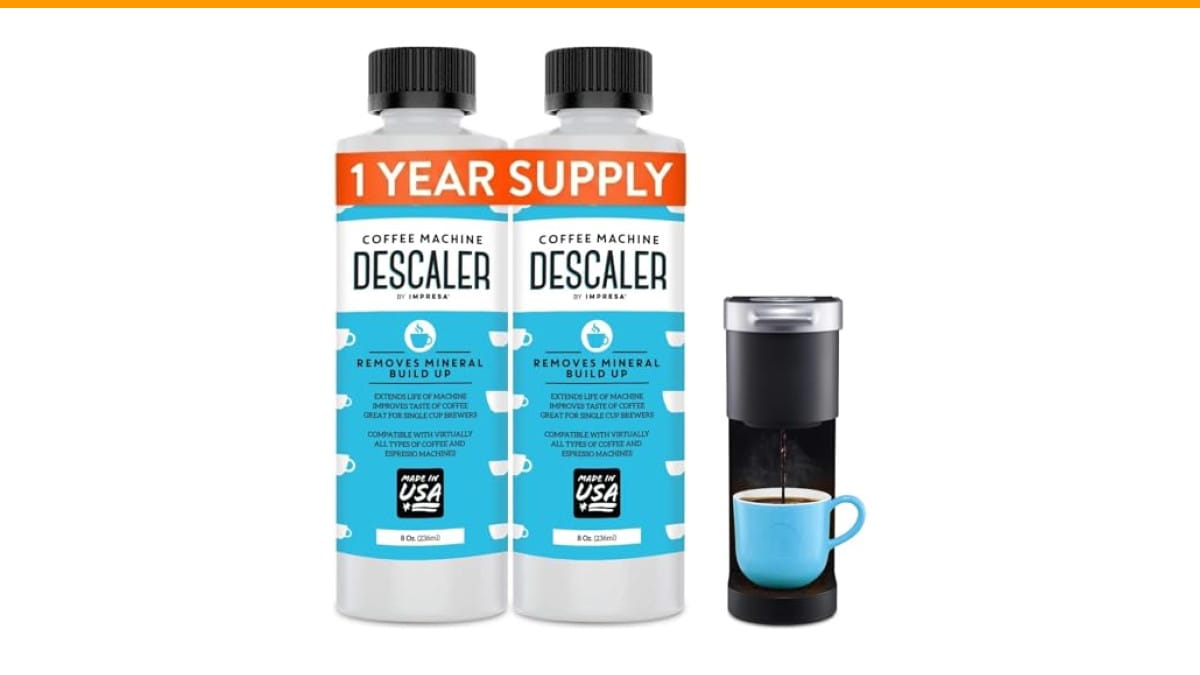
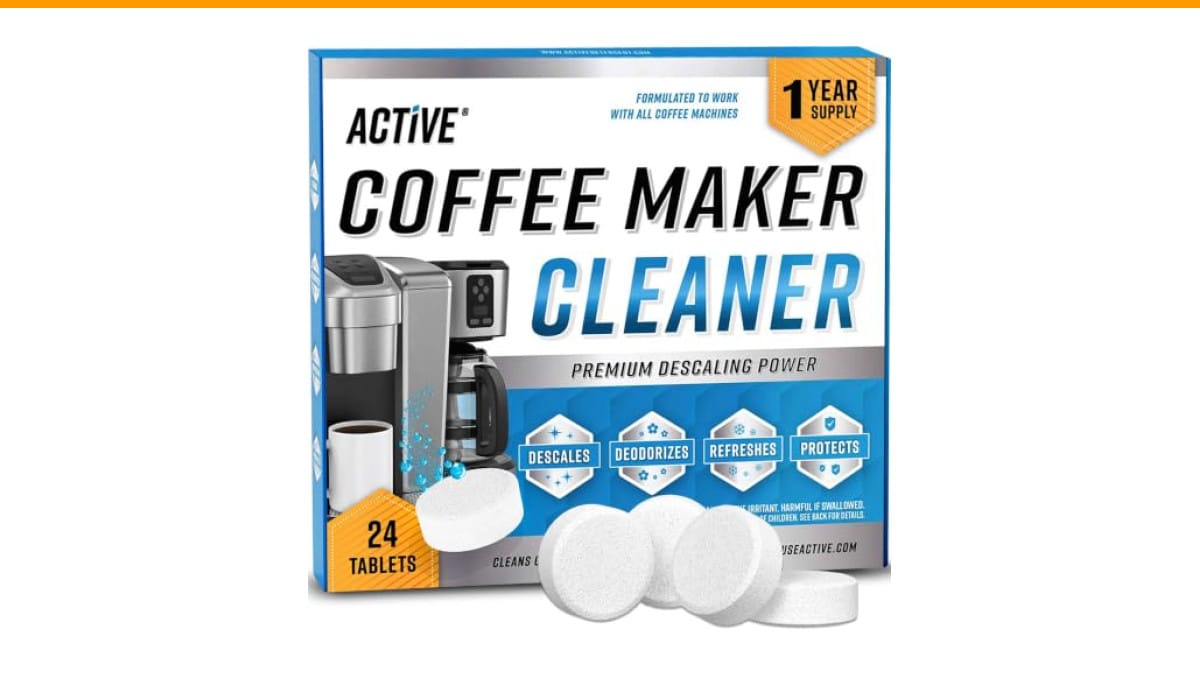
Before starting the deep clean, consider using a dedicated descaling tablet rather than relying on vinegar alone. The ACTIVE Coffee Machine Cleaner Descaler Tablets (24 count) are formulated to break down hard water buildup, calcium, and limescale without the lingering vinegar smell that often requires multiple rinse cycles to remove. They work with standard drip machines and single-serve pod systems, and the tablets dissolve completely so you don’t deal with messy powder residue.
Why Your 12-Cup Coffee Maker Needs Deep Cleaning
Your tap water is not just H2O. It contains dissolved calcium and magnesium — the minerals that leave white spots on your carafe. Every time you brew, a small amount of that mineral content stays behind inside the machine. Over months, it hardens into scale on the heating element and inside the water lines.
Scale does two bad things. First, it acts like a blanket on the heating element, so the water doesn’t get hot enough. Coffee brews best between 195°F and 205°F. If your machine can’t hit that range because of scale, you get under-extracted, weak coffee. Second, the rough scale surface traps old coffee oils. Those oils go rancid, and that is the primary source of the bitter, stale taste you notice in an unmaintained brewer.
There is also a flow problem. Mineral deposits narrow the internal tubing. A 12-cup machine that used to brew a full pot in eight minutes might start taking twelve or fifteen minutes. That slow brew time means the water sits in the basket longer, over-extracting the grounds and adding more bitterness.
What You’ll Need Before You Start
Gather these items before you touch the machine. Running back and forth mid-cleaning is annoying.
- White distilled vinegar (or citric acid powder — more on that below)
- A soft sponge or non-abrasive scrub pad
- An old toothbrush or small bottle brush for tight spots
- Clean microfiber cloth
- Fresh water for rinsing
- Paper towels
Do not use bleach, ammonia, or any harsh chemical cleaner inside the reservoir or brew basket. Those leave toxic residues that end up in your cup. Stick to food-safe acids like vinegar or citric acid.
Step-by-Step: How to Clean a 12 Cup Coffee Maker with Vinegar
Vinegar is the standard because it is cheap, food-safe, and acetic acid dissolves mineral scale effectively. The ratio matters. Too much vinegar wastes product and leaves a strong smell; too little won’t break down the scale.
Step 1: Prep the Machine and Remove Parts
Unplug the machine. Remove the carafe, the filter basket, and the permanent filter if you use one. Take off any other removable parts like the water reservoir lid or the charcoal water filter if your model has one. Set them aside — they get washed separately in the sink with warm soapy water.
If your machine has a paper filter in the basket from the last brew, toss it. Old grounds will only contaminate the cleaning solution.
Step 2: Run the Vinegar Descaling Cycle
Fill the water reservoir with a 50/50 mix of white vinegar and water. For a 12-cup machine, that means about six cups of vinegar and six cups of water. Place the empty carafe back on the warming plate.
Start a full brew cycle. When the cycle finishes, do not drink that liquid. Pour it down the sink. Let the machine sit for 30 minutes with the remaining vinegar solution still in the reservoir. This dwell time is critical — the acid needs time to dissolve the scale, not just wash over it.
After the soak, run the rest of the vinegar solution through the machine. You should see the brew time returning to normal. If it is still slow, run one more half-strength vinegar cycle before moving on.
Step 3: Soak and Scrub the Carafe and Filter Basket
While the vinegar cycle runs, fill the carafe with a 50/50 vinegar and water solution. Let it soak for 15 to 20 minutes. This loosens the brown film that clings to the glass. After soaking, scrub with a sponge. The film should come off easily. For stubborn spots, sprinkle a little baking soda on the sponge — it works as a gentle abrasive.
The filter basket gets the same treatment. Soak it in the vinegar solution, then scrub it with the toothbrush to get into the corners. If you have a permanent gold-tone filter, do not use a metal scrubber on it. The mesh is delicate and scratches easily, which creates spots where grounds get stuck. Use the soft toothbrush instead.
Rinse everything with hot water and let it air dry.
Step 4: Rinse Thoroughly with Fresh Water
This step is where most people fail. They run one water cycle and think it is done. Vinegar has a strong smell and taste, and it takes multiple rinses to fully flush it out. Run at least two full cycles with fresh water only. If you still smell vinegar on the third cycle, run a third. The goal is zero vinegar taste in your next pot of coffee.
A good trick: after the final rinse, brew a small pot with fresh grounds and throw it away. The coffee absorbs any residual vinegar flavor and helps neutralize the smell in the internal lines.
Step 5: Clean the Exterior and Warming Plate
Wipe down the warming plate with a damp cloth. Coffee spills that bake onto that surface turn into a sticky, brown crust. A little mild dish soap on a cloth works fine. Do not submerge the machine or pour water directly on the warming plate. The heating element is right underneath, and liquid can damage the wiring.
Wipe the outer casing with a damp microfiber cloth to remove dust and fingerprints. Dry it with a clean cloth to avoid water spots.
How to Clean a Coffee Maker with a ‘Clean’ Button
Many newer 12-cup machines, especially Cuisinart models, have a dedicated ‘Clean’ or ‘Descale’ button. This button does not contain special cleaning chemicals — it simply runs a longer brew cycle with built-in pauses so the descaling solution can soak in the internal lines.
If your machine has this button, use it instead of the standard brew cycle for the vinegar step. Fill the reservoir with the vinegar solution, press the Clean button, and let it run its programmed cycle. The machine will handle the soak times automatically. After it finishes, fill the reservoir with fresh water and run the Clean button again for the rinse cycle. Some machines require two or three rinse cycles before the ‘Clean’ indicator light turns off.
Check your manual to see if your specific model requires a different ratio of vinegar to water. Some manufacturers recommend a 1:4 ratio rather than the 50/50 mix. The manual overrides general advice.
Cleaning the Spray Head and Brew Basket Arm
Here is the part most guides skip. The spray head — the small disc at the top of the brew chamber that sprays hot water onto the grounds — gets clogged with mineral deposits. Those tiny holes are the exact size where scale builds up and blocks flow. When they clog, water sprays unevenly, and you get dry spots in the coffee bed.
On most machines, the spray head is removable. It either twists off, clips out, or is held by a single screw. Remove it carefully and inspect the holes. You will likely see white or brown crust around them.
Soak the spray head in undiluted white vinegar for 20 minutes. Then use a pin or a paperclip to gently poke through each hole, clearing any remaining deposit. Do not use a drill bit or anything that scratches the metal — you want to clear the hole, not enlarge it. Rinse thoroughly and reattach.
If your model does not allow removing the spray head, you can still clean it in place. Dip a cotton swab in vinegar and rub it across the face of the spray head. Then run a half-empty brew cycle so the water flushes the loosened scale away.
Coffee Maker Cleaning Schedule (Weekly, Monthly, Quarterly)
You do not need to do a full vinegar descale every week. That would be overkill and the acid would eventually wear on the seals. But you do need a rhythm.
| Frequency | Task | Why It Matters |
|---|---|---|
| After every use | Rinse the carafe and toss the paper filter and grounds | Prevents old oil from hardening on the glass |
| Weekly | Wash removable parts (carafe, basket, permanent filter) with soapy water | Removes coffee oil that soap dissolves but water alone cannot |
| Monthly | Wipe down the warming plate and exterior | Prevents baked-on spills and keeps the machine looking new |
| Every 1-3 months | Full vinegar or citric acid descale | Dissolves mineral scale in the internal lines |
| Every 3-6 months | Soak and pin-clean the spray head | Clears mineral deposits that cause uneven extraction |
Adjust the descale frequency based on your water hardness. If you live in an area with hard water, you will need to descale monthly. If you use filtered water, you can stretch it to every three months. The machine will tell you — slow brew time and a bitter taste are the first signs scale is building up.
Vinegar Substitutes: Citric Acid, Lemon Juice, and Commercial Descalers
Vinegar works, but it has downsides. The smell lingers, and some people hate the taste residue. Citric acid is a better option for many machines. It is a stronger descaler than vinegar, so you need less of it, and it leaves no odor.
Use food-grade citric acid powder at a ratio of one to two tablespoons per liter of water. Dissolve the powder in warm water before pouring it into the reservoir, then run the brew cycle. The rest of the process — soak, rinse, repeat — is identical to vinegar.
Lemon juice is a weaker acid and works in a pinch, but it contains sugars that can leave a sticky residue inside the machine. If you use it, use the 50/50 ratio and rinse extra thoroughly. It is a temporary fix, not a regular maintenance solution.
Commercial descalers, like the ACTIVE tablets mentioned earlier, are formulated for coffee machines specifically. They dissolve quickly, have no smell, and some brands include anti-corrosion agents that plain vinegar lacks. They cost more per use, but they save time because you do not need as many rinse cycles.
Common Mistakes That Ruin Your Coffee Maker
You can damage a coffee maker faster by cleaning it wrong than by never cleaning it. Here are the mistakes that cause real harm.
- Using too much vinegar. A 50/50 mix is strong enough. Full-strength vinegar can degrade rubber gaskets and plastic tubing over time.
- Skipping the rinse cycle. Incomplete rinsing leaves acid in the machine, which will make your coffee taste sour and can corrode internal parts.
- Scrubbing the carafe with steel wool. This scratches the glass, creating tiny crevices where coffee oil and bacteria hide. Use a soft sponge.
- Putting the base in water. The electrical components are not sealed. Submerging the base is a guaranteed way to kill the machine or create a shock hazard.
- Ignoring the water filter. If your machine has a charcoal water filter, it needs replacing every 60 days. A saturated filter stops filtering and can harbor bacteria.
One more thing: do not use dishwasher detergent to clean the carafe or basket. The detergent is too harsh and leaves a film that will make your coffee taste soapy. Hand wash with dish soap and hot water.
Troubleshooting: Why Coffee Still Tastes Bad After Cleaning
You did the full descale, you rinsed twice, and the coffee still tastes off. Here is how to diagnose it.
Soapy taste: You did not rinse the carafe or basket well enough after washing. Soap residue transfers to the coffee. Rewash the parts with just hot water, no soap, and dry them thoroughly.
Sour or bitter taste: The descale was incomplete, or the machine needs a second rinse cycle. Run one more fresh water cycle. If the taste persists, check the spray head — clogged holes cause uneven extraction, which produces a bitter brew.
Slow brewing: Scale is still blocking the lines. Run another descale cycle, this time letting the solution sit for a full hour before completing the brew.
Chalky white residue on the carafe: Your water is very hard. The descale worked, but the minerals are re-depositing. Switch to filtered water for brewing.
If none of these fix the problem, the heating element may be damaged from years of scale buildup. At that point, replacement is usually more cost-effective than repair.
Frequently Asked Questions
How often should I clean my 12-cup coffee maker?
Wash the removable parts weekly. Descale the internal system every one to three months, depending on water hardness. If you brew multiple pots daily, lean toward the monthly end. If you brew a pot a few times a week, quarterly is fine.
Can I use baking soda to clean a coffee maker?
Baking soda is good for scrubbing the carafe and basket, but it is not a descaler. It does not dissolve mineral scale. Use vinegar or citric acid for the internal descale cycle, and reserve baking soda for surface scrubbing.
Is it safe to clean a coffee maker with bleach?
No. Bleach is toxic and will leave dangerous residues in the water lines. You cannot rinse it out completely enough to make it safe for coffee. Stick to food-safe acids.
How do I clean a coffee maker with a permanent gold-tone filter?
Soak the gold-tone filter in a vinegar and water solution for 15 minutes, then scrub gently with a soft toothbrush. Never use abrasive pads or metal scrubbers — they will scratch the mesh and ruin the filter.
Why does my coffee maker smell like vinegar after I clean it?
The machine was not rinsed enough. Run two or three full cycles with fresh water only. If the smell persists, brew a pot of coffee with cheap grounds and discard it — the coffee absorbs the residual vinegar odor.
The Bottom Line on Keeping Your Brewer Fresh
A 12-cup coffee maker is a simple machine, but it needs regular maintenance to perform. The descale cycle is non-negotiable — mineral scale will degrade taste and eventually break the heating element. The hidden parts matter just as much as the visible ones.
- Run a vinegar or citric acid descale every 1-3 months, depending on your water hardness.
- Always rinse with at least two full fresh-water cycles after descaling — vinegar residue ruins the next pot.
- Soak and pin-clean the spray head every 3-6 months to keep water flow even.
- Wash the carafe and basket with soap and hot water weekly, not just a quick rinse.
- Use filtered water if you have hard tap water — it reduces scale buildup dramatically.
- Replace the charcoal water filter every 60 days if your machine has one.
- Never submerge the base or use harsh chemicals like bleach.
Stick to this routine and your machine will brew consistently good coffee for years. Skip it, and you will be shopping for a new brewer in eighteen months, wondering why the old one died so soon. For more on keeping your gear in shape, check out our guide on cleaning frequency and the proper method for cleaning coffee makers.
Products related to this article
Sponsored / affiliate links. As an Amazon Associate I earn from qualifying purchases. I may earn additional commission from eligible campaigns.