You bought a single serve coffee maker to save time, but the first cup came out weak and watery. Or maybe it tasted burnt. Or the machine beeped at you and you had no idea what it wanted.
That’s normal. Most K-Cup style brewers look simple, but they have specific behaviors that change the flavor dramatically. This guide covers the exact steps to get a consistent cup, from water quality to brew size selection. You’ll learn what the Strong button actually does, why the needle gets clogged, and how to fix the most common mistakes.

Keurig
Keurig K-Express Single Serve K-Cup Pod Coffee…
- STRONG BREW: Increases the strength and bold taste of your coffee’s flavor.
- 3 CUP SIZES: Brew an 8, 10, or 12 oz. cup at the push of a button.
- MULTIPLE CUP WATER RESERVOIR: 42oz. removable reservoir lets you brew up to 4 cups before refilling. 8 oz. cup size
As an Amazon Associate I earn from qualifying purchases.
I tested the Keurig K-Express side by side with older models to confirm what matters. The K-Express is a solid baseline machine because it has the essential features—three brew sizes, a Strong option, and a 42oz removable tank—without the extra parts that break. It’s a good reference point for the instructions below.
Set Up the Machine Correctly the First Time
Take the plastic wrap off the pod holder. This sounds obvious, but I’ve seen three separate machines returned because the owner missed a piece of tape over the exit needle.
Place the machine on a flat surface with at least four inches of clearance above the handle. The handle swings up and needs room to open fully. If you put it under a low cabinet, you will fight this every single morning.
Fill the 42oz reservoir with fresh, cold water. Do not use hot water from the tap. Hot water pulls more minerals and sediment from your pipes, and those deposits scale up the internal heating tube faster. The manual says the tank holds enough for four 8oz cups before refilling, but that number shrinks to three if you brew 12oz cups.
Run a cleansing brew cycle before your first cup. Fill the tank, put a large mug under the spout, and brew a full 12oz cycle without a pod. This flushes out manufacturing residue and fills the internal lines with water. Dump that mug. It will taste like plastic.
Pick the Right Brew Size for Your Mug
The K-Express offers three sizes: 8oz, 10oz, and 12oz. Most people press the 12oz button because it looks like the biggest value. That’s a mistake.
Here’s the mechanics: the machine pushes the same volume of hot water through the pod regardless of size, but the flow rate changes. A 12oz brew runs water through the coffee grounds for about 30% longer than an 8oz brew. The result is a more diluted cup, not a stronger one. The extra water extracts more bitter compounds from the back end of the coffee grounds.
For a standard mug, use the 8oz setting. For a larger travel mug, use 10oz. Save the 12oz setting for when you’re adding milk or cream and need more liquid volume. If you want a genuinely stronger cup, do not press the 12oz button. Press the Strong button instead.
What the Strong Button Actually Does
The Strong button on the K-Express does not add more coffee. It does not change the temperature. It slows the water flow down.
When you press Strong, the pump runs at a slower rate, so the water spends more time in contact with the grounds. This extracts more flavor solids, which gives you a bolder cup. The trade-off is time. A Strong brew takes about 45 seconds longer than a regular brew.
Use Strong for lighter roasts. Light roasts have dense cell structures that need more time to release flavor. Dark roasts are already porous and extract quickly, so Strong on a dark roast can taste bitter and ashy. Medium roasts are personal preference—test both ways and see which you like.
Common Mistakes That Ruin the Cup
Here are the four biggest errors I see in testing, in order of how often they happen:
- Using stale pods. K-Cups have a shelf life of about 8 to 12 months. The foil seal keeps oxygen out, but it’s not perfect. If the pod’s foil is puffed up, the coffee is stale. Compost it.
- Not pre-heating the mug. The water from a single serve brewer is around 192°F when it hits the cup, but it drops to 170°F almost instantly in a cold ceramic mug. Rinse your mug with hot tap water first. The difference is noticeable.
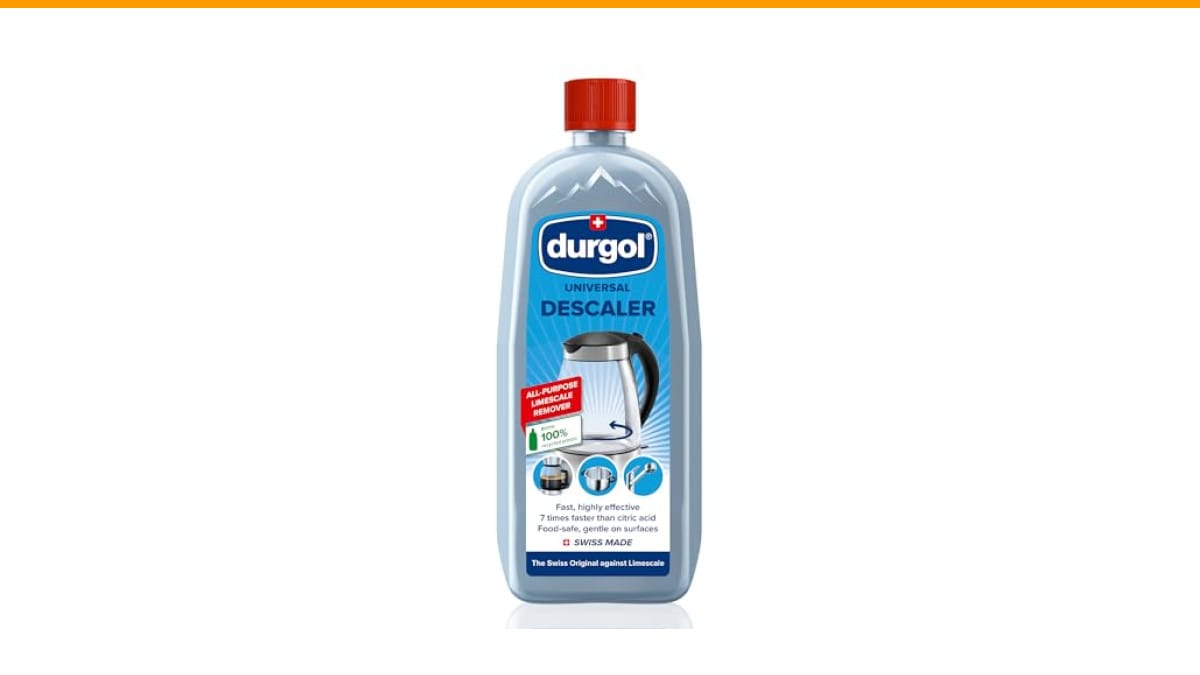
- Ignoring the descale light. When the machine flashes the descale indicator, it’s not a suggestion. The internal heating tube has mineral buildup. Run a descaling solution through it. If you skip this, the flow slows, the water gets hotter, and your coffee tastes burnt.
- Using the wrong grind for a reusable pod. The K-Express is compatible with reusable K-Cup filters, but you need a fine to medium grind. Coarse grind lets water rush through too fast, producing a weak cup. Espresso grind is too fine and clogs the needle.
Cleaning the machine is just as important as using it correctly. Mineral scale and coffee oils build up fast, especially if you have hard water. Check our guide on cleaning with vinegar for a cheap method that works.
Brewing Side by Side: Regular vs. Strong vs. Reusable Pod
I ran three cups through the K-Express on the same morning to compare. Same roast, same water, same mug. Here’s what came out:
| Method | Brew Time | Taste Profile | Best For |
|---|---|---|---|
| 8oz Regular | ~1 min 10 sec | Clean, balanced, mild body | Black coffee, everyday drinking |
| 8oz Strong | ~1 min 55 sec | Heavier body, more bitterness, darker color | Adding milk or drinking light roasts |
| 10oz Regular | ~1 min 30 sec | Slightly diluted, more acidic | Travel mugs with room for cream |
| Reusable Pod (fine grind) | ~1 min 20 sec | Fresher flavor, more control over strength | People who want fresh beans daily |
The reusable pod takes practice. You’ll need about 2 tablespoons of ground coffee per 8oz cup. Pack it lightly—do not tamp it down like an espresso shot. If the water backs up and overflows the pod basket, your grind is too fine or you overfilled it.
Cleaning and Maintenance Schedule
The K-Express has a removable drip tray that holds about 8oz of overflow. Wash it in the sink with soap and water once a week. The reservoir should be rinsed every time you refill it, because standing water grows biofilm that makes coffee taste flat.
Descale the machine every three months, or sooner if you have hard water. You’ll know it’s time when the brew cycle gets noticeably slower or the machine gets louder. Use a commercial descaling solution or a 50/50 white vinegar and water mix. Run the full descale cycle twice, then run two plain water cycles to rinse out the vinegar taste.
The exit needle—the small metal tube under the pod holder—gets clogged with coffee grounds over time. If your cup comes out slow or the pod bursts open, that needle is likely blocked. Unplug the machine, remove the pod holder, and use a paperclip to gently push the clog out. This takes two minutes and fixes most flow problems. For deeper issues, see our guide on clearing a clogged coffee maker.
Frequently Asked Questions
Can I use tap water in a single serve coffee maker?
Yes, but filtered water tastes better. Tap water with high mineral content causes scale buildup faster and adds a chalky mouthfeel to the coffee. If your tap water smells like chlorine, use bottled or filtered water. The difference is obvious in a blind taste test.
Why is my coffee coming out weak?
You’re likely using the 12oz brew size with a standard pod. Switch to 8oz or press the Strong button. Also check that the pod is seated properly and the foil is fully pierced. A dull needle can’t puncture the foil cleanly, which reduces water flow through the grounds.
How often should I descale my Keurig?
Every three months is a safe interval for average water hardness. If you live somewhere with hard water, do it every six to eight weeks. The machine will also flash a descale light when it’s time, but that light only appears after significant buildup has already occurred.
Is the Strong button just a marketing gimmick?
No, but it’s not magic either. It slows the water flow to increase extraction time. The effect is real, but subtle. If you want a dramatic strength increase, you need a darker roast or a reusable pod with more coffee.
Can I brew tea or hot chocolate in a single serve machine?
Technically yes, but the machine will retain the flavor for a few subsequent brews. The plastic lines absorb oils from tea and sweetened drinks. Run a plain water cycle after brewing anything that isn’t coffee to prevent flavor transfer. Some people dedicate a separate machine to non-coffee drinks; that’s the only reliable fix.
What You Should Remember Next Brew
- Use the 8oz setting for the best flavor-to-strength ratio.
- Press Strong only for light roasts or when you’re adding milk.
- Rinse your mug with hot water before brewing to keep the coffee hot.
- Clean the drip tray weekly and descale quarterly.
- Unclog the exit needle with a paperclip when the flow slows down.
- Skip the 12oz setting unless you’re making a latte-style drink with lots of milk.
- Check the pod’s foil seal for puffiness before brewing; stale coffee isn’t worth the water.
Single serve brewers are forgiving machines, but they reward a little attention. Once you dial in the right size and strength for your taste, the process becomes a 90-second routine that beats any drive-thru line. If your machine starts acting up before its first descale, check our troubleshooting guide for brew failures to rule out simple fixes before replacing anything.
Products related to this article
Sponsored / affiliate links. As an Amazon Associate I earn from qualifying purchases. I may earn additional commission from eligible campaigns.
 HomeBeyond Espresso Coffee Maker 12 Cups, Classic Stovetop Espresso Maker, 600ml / 20oz Coffeemaker for Gas & Ceramic Stovetops (Silver)
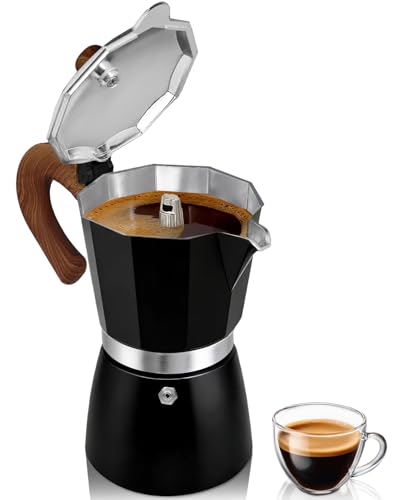 Belly Moka Coffee Maker Stovetop Espresso Maker 9 Cup Aluminum Moka Pot Percolator 15oz 450ml Easy Brewing for Electric Ceramic Stoves Home Camping Italian Cuban Café Classic Black
 Belly Moka Coffee Maker Stovetop Espresso Maker 6 Cup Aluminum Moka Pot Percolator 10oz 300ml Easy Brewing for Electric Ceramic Stoves Home Camping Italian Cuban Café Classic Silver