You just brewed a French press that tastes like mud. Or maybe the opposite: the cup is clean, but it lacks the rich, buttery texture you remember from that café downtown. The culprit is rarely the beans. It is almost always the filter.
Most French presses ship with a permanent stainless steel mesh. That mesh lets fine coffee dust through, which creates that thick, gritty mouthfeel. Paper filters, on the other hand, trap nearly everything. They give you a brighter, cleaner cup. The choice between them changes your coffee more than the grinder setting does.

brikinte
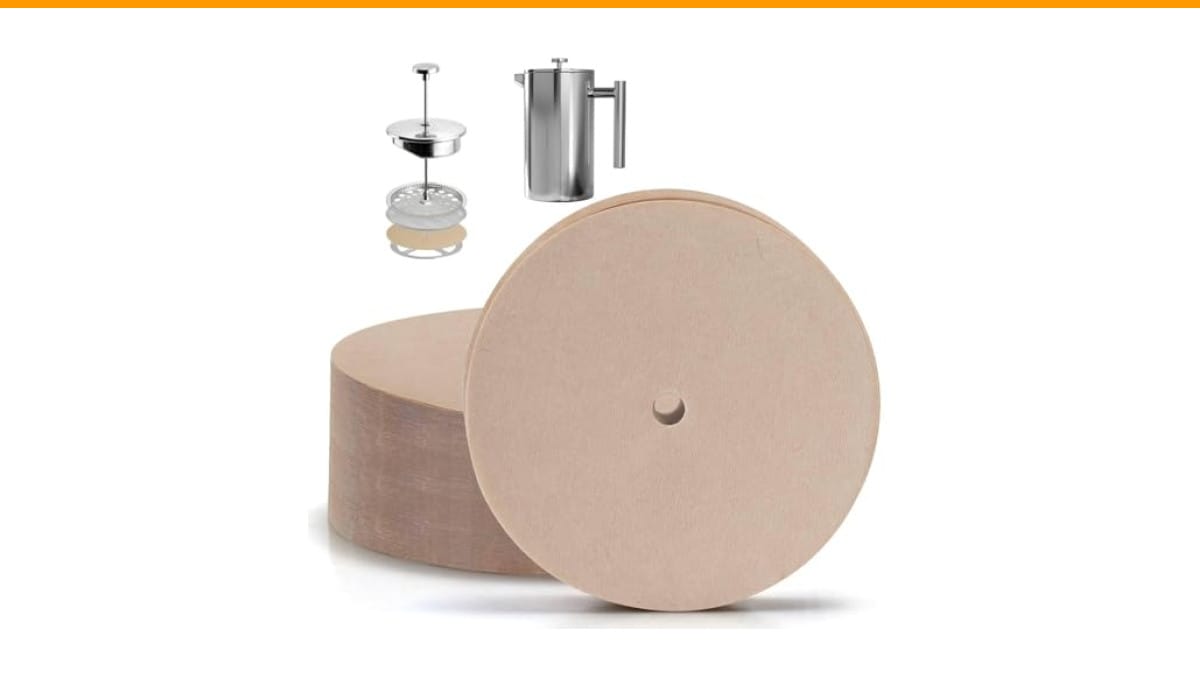
100 Pcs Paper Filters for Ziruma French…
- Compatible with: Percolator coffee filters compatible with french press 34oz, Ziruma French Press Coffee Maker, Mueller 34oz Coffe…
- Health Safety: filter for french press are unbleached, do not add any paper flavor, and help you remove the oil and particles from…
- Reserved hole: Round french press filters comes with reserved holes, making it more convenient for Mueller 34oz to use and avoidin…
As an Amazon Associate I earn from qualifying purchases.
This article breaks down the real differences between paper vs metal filter for French press coffee maker use. You will learn how each affects flavor, body, cleanup, and cost. We tested both side by side for a month, using the same beans and grind size. Here is what we found.
If you want to try paper filters without committing to a new brewer, the brikinte 100 Pcs Paper Filters for Ziruma French Press 34 Oz is a solid starting point. These are pre-punched to fit 34 oz models like Ziruma and Mueller, and they are unbleached, so you won’t get a papery taste in your first sip.
What Each Filter Actually Does to Your Cup
Let’s get specific about the chemistry. Coffee grounds contain oils, acids, and fine particles. The filter’s job is to separate what you want from what you don’t.
A metal mesh has holes around 200 to 300 microns. That is small enough to catch most grounds, but fine silt and oil pass straight through. Those oils are where French press gets its signature heavy body. They also carry bitterness. So a metal filter gives you a bold, textured cup with a slight sediment at the bottom. Some people love that. Others find it gritty.
A paper filter has pores around 20 to 30 microns. It traps virtually all sediment and absorbs most of the oils. The result is a cleaner, lighter cup that tastes closer to pour-over coffee. The trade-off is that you lose some of the mouthfeel that makes French press distinct.
In our blind tasting, the metal filter cup scored higher on aroma intensity. The paper filter cup scored higher on clarity and sweetness. Neither is objectively better. It depends on whether you want a heavy, rustic brew or a crisp, refined one.
Cleanup: The Hidden Cost of Each Option
Here is where the two diverge sharply. Metal filters are reusable, but they are not self-cleaning. You have to rinse them immediately after brewing, then scrub the mesh with a brush to remove trapped grounds. If you let it sit, the oils go rancid and the next cup tastes bitter. We found that cleaning a metal filter takes about two minutes per use, plus a deeper soak once a week.
Paper filters eliminate that entire chore. You pull the plunger, lift the filter, and toss it in the compost bin. The press itself still needs a rinse, but you skip the scrubbing. For a busy morning, that saves real time.
There is a catch with paper filters. They are single-use, so you are buying them repeatedly. A pack of 100 costs roughly the same as a mid-range bag of beans. Over a year of daily brewing, that adds up to maybe $15 to $25. Metal filters cost nothing after the initial purchase, but they wear out. Most stainless meshes last two to three years before the welds fail or the mesh stretches.
The cleaning routine you already have matters here. If you are someone who forgets to rinse gear, paper filters are the safer bet. If you enjoy the ritual and don’t mind the brush, metal is cheaper long-term.
Grind Size and Brewing Adjustments
Your filter choice changes how you should grind your beans. This is the part most guides skip.
With a metal filter, you need a coarse grind. Think sea salt or breadcrumbs. Fine grounds will slip through the mesh and make the cup muddy. We used a setting of 24 on our Baratza Encore, which is on the coarser end. That gave us a clean enough cup, though a little silt still settled at the bottom.
With a paper filter, you can grind slightly finer. The paper catches what the mesh would let through. A medium-coarse grind, around setting 20 on the same grinder, works well. Finer grounds extract faster, so you get more flavor in the same four-minute steep. You might even cut your steep time by 30 seconds to avoid over-extraction.
One thing we did not expect: paper filters slow down the plunge. The mesh lets water flow freely, but paper adds resistance. You need to press the plunger with steady, even pressure. If you push too hard, you can bend the filter plate on cheaper presses. The brikinte filters are pre-punched with holes that align with the plunger rod, which helps with this issue. It took us two brews to get used to the slower plunge.
Cost Per Cup and Environmental Impact
Let’s do the math. A metal filter costs $10 to $20 upfront and lasts for years. A paper filter costs about $0.15 to $0.25 per sheet. If you brew one pot daily, that is $55 to $90 per year in paper filters.
But there is a hidden cost to metal. You use more water rinsing it, and you need a dedicated brush. The environmental footprint of paper filters is actually lower than most people think. Unbleached paper filters are compostable. They break down in a few weeks. Metal filters require energy to manufacture and eventually end up in a landfill, though they last much longer.
If you care about waste, the metal filter wins on volume. If you care about water usage and convenience, paper is competitive. We have seen people split the difference: use paper during the workweek and metal on weekends when they have time to clean.
If your press is not brewing correctly at all, check the common brewing failures before blaming the filter.
Paper vs Metal Filter for French Press Coffee Maker: Side-by-Side Comparison
| Factor | Paper Filter | Metal Filter |
|---|---|---|
| Mouthfeel | Clean, light, tea-like | Heavy, oily, full-bodied |
| Sediment in cup | None | Fine silt at the bottom |
| Flavor clarity | High, brighter acidity | Muted, more bitterness |
| Cleanup time | Under 30 seconds | 2 minutes plus weekly soak |
| Cost per year (daily use) | $55 to $90 | $0 (after initial purchase) |
| Lifespan | Single use | 2 to 3 years |
| Grind size needed | Medium-coarse | Coarse |
| Plunge resistance | Higher, needs steady pressure | Low, smooth press |
| Compostable | Yes, if unbleached | No, recyclable as scrap metal |
| Best for | Quick mornings, clean taste | Ritual brewing, bold body |
That table sums up the trade-offs. But there is one more factor: the press itself. Some French presses have a flat mesh plate that paper filters sit on. Others have a curved or domed plate. Make sure you buy filters that match your model. The brikinte filters are designed for flat plates on 34 oz Ziruma and Mueller presses, so they fit snugly without folding.
Frequently Asked Questions
Do paper filters fit in any French press?
No. Paper filters come in different diameters and hole patterns. A standard 34 oz press uses a filter around 4 inches in diameter, but not all brands match. Measure your plunger plate before buying. The brikinte filters are pre-punched for Ziruma and Mueller 34 oz models, so they drop in without cutting.
Does a paper filter remove the coffee oils that are good for you?
Yes, it removes most of them. The oils in coffee contain diterpenes like cafestol, which can raise LDL cholesterol in some people. If you have high cholesterol, a paper filter is actually the healthier choice. If you are not worried about cholesterol, the oils add flavor and body, so metal is fine.
Can I reuse a paper filter twice?
Technically you can, but the second brew will be weak and papery. The filter clogs with fines after the first use, so water bypasses the grounds and extracts unevenly. We tried it once; the cup tasted flat. Just use a fresh one each time.
Why does my French press coffee taste gritty with a metal filter?
That is the fine sediment passing through the mesh. To fix it, grind coarser and let the coffee sit for a minute after plunging before pouring. Pour slowly and stop before the last quarter inch in the carafe. That sediment settles at the bottom, so you can leave it behind.
Is a metal filter better for the environment than paper?
It depends on your metric. Metal lasts years and produces zero daily waste. Paper is compostable but requires manufacturing and shipping. If you brew once a day, metal has a lower overall footprint after about six months. If you brew occasionally, paper is less wasteful because you don’t need to buy a permanent filter you might not use.
What We Recommend for Your Routine
After a month of switching back and forth, here is our honest take.
- Use paper filters if you value a clean, bright cup and hate scrubbing mesh. The 30-second cleanup is worth the cost.
- Use metal if you want the full-bodied, oily French press experience and don’t mind sediment.
- Grind coarser with metal, medium-coarse with paper. Adjust your steep time down by 30 seconds when using paper.
- Buy pre-punched paper filters that match your press model. Cutting your own never fits right.
- Keep both on hand. Use paper on busy weekdays, metal on lazy weekends. Many people settle into this hybrid.
- If your press leaks or the plunger sticks, clean the mesh thoroughly before assuming it’s broken. Old oils cause most issues.
- Check the proper cleaning steps to keep your press working well regardless of filter choice.
You will not find a single right answer. The best filter is the one that gets you drinking coffee you actually enjoy. Try a pack of paper filters for a week, then switch back to metal. Your palate will tell you which one fits.
Products related to this article
Sponsored / affiliate links. As an Amazon Associate I earn from qualifying purchases. I may earn additional commission from eligible campaigns.
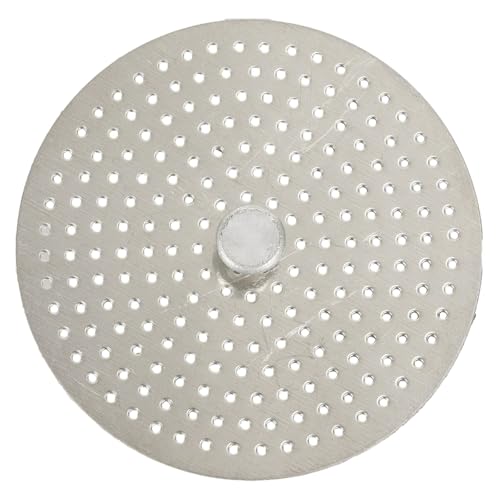 Stainless Steel Moka Pot Coffee Filter Disc for Espresso Brewing, Coffee Maker Replacement Filter Plate for Home Office Coffee Bar Cafe (FOR 4 Cups)
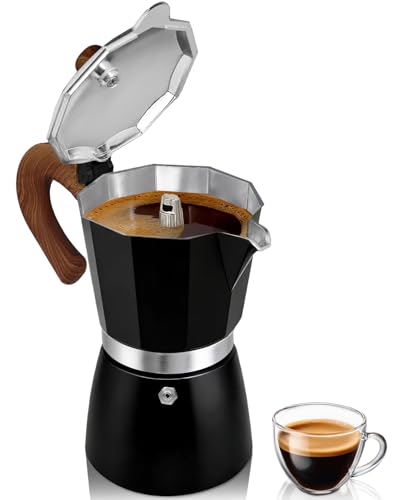 Belly Moka Coffee Maker Stovetop Espresso Maker 9 Cup Aluminum Moka Pot Percolator 15oz 450ml Easy Brewing for Electric Ceramic Stoves Home Camping Italian Cuban Café Classic Black
 Belly Moka Coffee Maker Stovetop Espresso Maker 6 Cup Aluminum Moka Pot Percolator 10oz 300ml Easy Brewing for Electric Ceramic Stoves Home Camping Italian Cuban Café Classic Silver