You just got a pour over cone, and now you’re staring at two boxes on the shelf. One holds thin paper cones. The other is a shiny metal mesh that costs more but promises to last forever. Which one actually makes better coffee?
The short answer: it depends on what you value in a cup. Paper filters give you a clean, bright, tea-like brew. Metal filters let the natural oils through, producing a heavier, richer cup with more texture. But there’s more to it than taste — cleanup, cost per cup, and environmental impact all play a role. This guide breaks down the real differences so you can pick the right filter for your morning routine.

Melitta
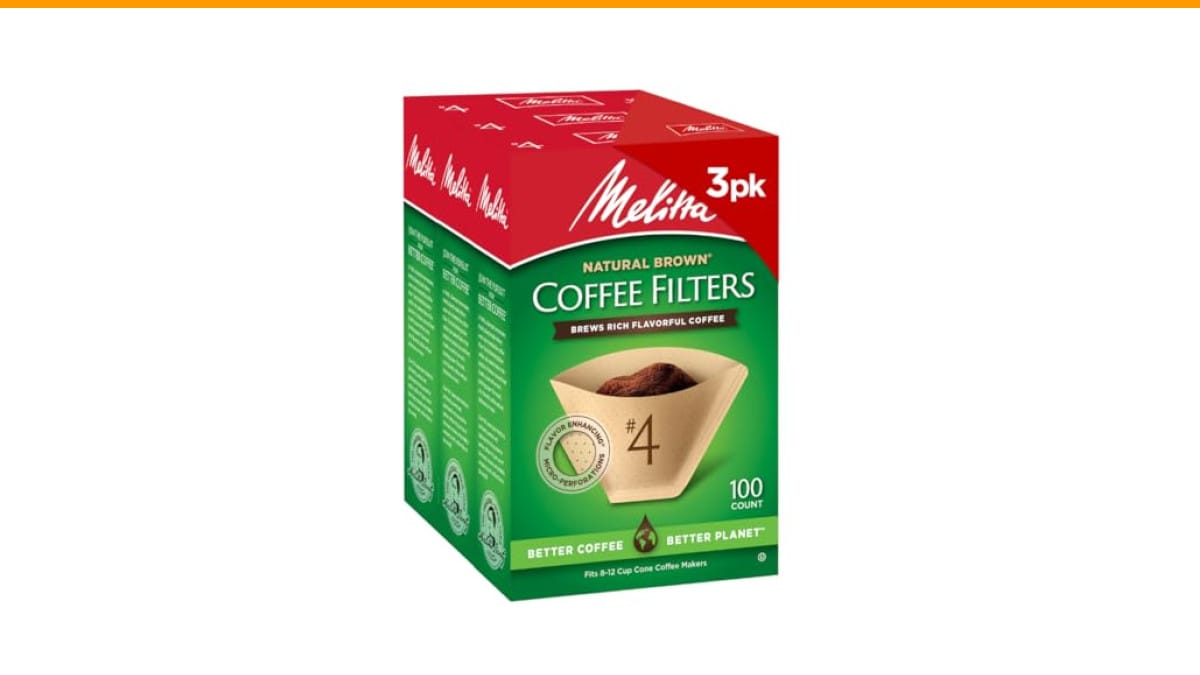
Melitta #4 Unbleached Coffee Filters, Natural Brown…
- FLAVOR-ENHANCING MICROFINE PERFORATIONS: Unlock the full, rich flavor of your coffee with Melitta’s signature Microfine Flavor Enh…
- BURST-RESISTANT DOUBLE CRIMP DESIGN: Enjoy mess-free, reliable brewing with our exclusive double crimped edges, engineered to prev…
- CERTIFIED SUSTAINABLE AND COMPOSTABLE: FSC Certified for responsible forestry, BPI Certified for commercial compostability, and pa…
As an Amazon Associate I earn from qualifying purchases.
And if you’re leaning toward paper, the Melitta #4 Unbleached Cone Filters are a solid choice. They’re thicker than most store-brand papers, which means fewer fines (those muddy coffee particles) end up in your cup, and the double-crimped edges hold up well without bursting. We’ll get into why that matters below.
How Paper Filters Change Your Cup
Paper filters are the default for a reason. They trap almost everything except water and dissolved coffee solids. That includes the natural oils and micro-ground particles that give coffee body and mouthfeel.
What you get instead is a cleaner cup. The brew is brighter, more transparent, and lets the delicate flavor notes — think floral, fruity, or citrusy — really shine. This style is often called a “washed” cup, and it’s the standard for specialty coffee tasting.
There’s a downside. Paper absorbs some of the coffee oils, which carry flavor compounds. You lose a bit of richness. Some people describe paper-filtered coffee as thinner or more tea-like. If you like a syrupy, full-bodied brew, paper might feel a little weak.
Paper also handles fines better. Even with a good grinder, you get tiny coffee dust particles. Metal mesh lets those through, which can make the cup taste bitter or muddy, especially toward the end. Paper catches them all, so your last sip tastes as good as the first.
One more thing: paper filters need to be rinsed before brewing. That’s not just a ritual — it removes the papery taste and preheats the cone. Skip it, and you might notice a cardboard-like flavor in your first cup.
What Metal Filters Bring to the Table
Metal filters — usually stainless steel mesh — take the opposite approach. They let the coffee oils pass through, along with the finest particles. The result is a cup with more body, more texture, and a heavier mouthfeel that coats your tongue.
This is the style you’d typically get from a French press, but with the cleaner extraction of a pour over. The oils also carry flavor compounds that paper filters strip away. You’ll taste more chocolate, nut, and caramel notes, and the coffee will feel richer.
Metal has practical advantages too. You never buy replacements. One filter can last years if you treat it right. Cleanup is quick — just rinse it under running water and let it dry. There’s no waste going into the trash or compost bin.
But there are trade-offs. The fines issue is real. Even with a good grinder, you’ll get some sediment in the bottom of your cup. Some people don’t mind it; others find it gritty. You also need to clean metal filters properly. Oils build up over time, and if you don’t scrub them occasionally, they can go rancid and ruin the taste of your coffee.
Metal filters also drain faster than paper. That sounds good, but it means you need to adjust your pour. The water runs through quickly, which can lead to under-extraction if you’re not careful. You might need a slightly finer grind or a slower pour to get the same extraction as with paper.
Head-to-Head: Paper vs Metal Filter for Pour Over Coffee Maker
I tested both side by side with the same beans, grinder, and recipe — 15 grams of coffee, 250 grams of water, water just off the boil. The difference was obvious from the first sip.
The paper brew was clean and bright, with a crisp acidity and a light, silky body. The metal brew was heavier and more intense, with a thicker mouthfeel and more pronounced chocolate notes. Both were good, but they were clearly different cups of coffee.
Here’s the thing: neither is objectively better. It’s a matter of preference. If you like bright, delicate, tea-like coffee, paper is your friend. If you want a bold, full-bodied cup that feels more like a French press, metal is the way to go.
There’s also a middle path. Some people use a metal filter as a base and add a paper filter on top. That gives you the clean taste of paper with the durability of metal, but it’s a bit wasteful and defeats the purpose of going filter-free.
| Factor | Paper Filter | Metal Filter |
|---|---|---|
| Cup clarity | Clean, bright, no sediment | Cloudy, some fines in the cup |
| Body and mouthfeel | Light, tea-like | Heavy, syrupy, rich |
| Flavor profile | Delicate notes shine (floral, fruity) | Bold notes dominate (chocolate, nut) |
| Cleanup | Throw it away, rinse the cone | Rinse and scrub occasionally |
| Cost per cup | ~$0.05–0.10 per filter | One-time cost, $15–30 |
| Environmental impact | Compostable, but still waste | Reusable, zero waste |
| Brewing adjustments | Standard grind, standard pour | Finer grind or slower pour needed |
| Best for | Specialty coffee, light roasts | Dark roasts, full-bodied brews |
How to Choose Based on Your Grinder and Brewing Style
Your grinder matters more than you might think. If you have a cheap blade grinder that produces uneven particles, paper filters will save you. They trap the boulders and the dust, giving you a more consistent cup. Metal filters will let those inconsistencies through, and you’ll taste the difference.
If you have a good burr grinder, you have more freedom. The grind is already uniform, so metal filters won’t introduce as many problems. You can switch between paper and metal depending on your mood.
Here’s a practical guide based on what you’re brewing:
- Light roasts: Use paper. Light roasts are all about delicate, high-note flavors. Paper lets those come through cleanly. Metal can make them taste flat and heavy.
- Dark roasts: Try metal. Dark roasts have bold, oily flavors that benefit from the fuller body. Paper can strip away the richness and leave you with a thin, bitter cup.
- Medium roasts: Either works. This is where personal preference rules. Brew the same beans both ways and compare.
You also need to think about your pour technique. With paper, the water pools and drains slowly, giving you more control. With metal, the water can rush through, so you need to pour in small, steady circles and maybe pause between pours to let the coffee extract properly.
One tip: if you switch to metal, don’t use the same grind size as you did for paper. Start with a slightly finer grind and adjust from there. You’re looking for a total brew time of around 2:30 to 3:00 minutes, same as with paper. If it’s finishing too fast, go finer.
Cleanup and Maintenance: The Real Difference
Paper filters make cleanup a joke. You lift the wet filter, toss it in the compost or trash, and rinse the cone. Done. No scrubbing, no drying, no worrying about stale oils.
Metal filters need more attention. After each brew, you should rinse them under hot water to remove the coffee oils. Once a week, give them a proper scrub with a soft brush and a little dish soap. Some people soak them in a baking soda solution to cut through the buildup. It’s not hard, but it’s an extra step.
The risk with metal is old oil. If you leave it sitting, the oil oxidizes and goes rancid. That taste will transfer to your next brew, and it’s hard to get out once it’s embedded in the mesh. If you’re not the type to clean gear right after using it, metal might be a bad fit.
Paper filters, on the other hand, are foolproof. There’s nothing to clean, so there’s no way to mess it up. That’s a real advantage for busy mornings.
If you’re dealing with a coffee maker that’s acting up, a clean filter won’t fix everything. Check out our guide on cleaning a clogged coffee maker for troubleshooting tips.
Cost and Sustainability: Which Is Greener?
Metal filters win on cost per cup. A good one costs $15 to $30 and lasts for years. Paper filters cost a few cents each, but that adds up. If you brew daily, you’ll spend $20 to $40 per year on paper. Over five years, that’s $100 to $200.
But sustainability is more nuanced. Paper filters are compostable — the Melitta unbleached ones are FSC-certified and BPI-certified for commercial composting. That means they break down completely, and the paper comes from responsibly managed forests. The manufacturing process has an environmental cost, but the waste is minimal.
Metal filters have a higher upfront footprint — mining, refining, and manufacturing stainless steel takes energy. But they last for years, so the per-use impact is tiny. The problem is that people often replace them not because they’re worn out, but because they’re gross. If you don’t maintain your metal filter, you’ll end up buying a new one sooner than you’d think.
There’s also the question of what you do with the spent grounds. With paper, you can compost the whole thing. With metal, you’re left with wet grounds that you need to scrape into the compost or trash. It’s a small difference, but it’s worth considering.
For what it’s worth, I’ve seen plenty of home brewers switch from metal back to paper because they couldn’t keep the metal clean. The convenience of tossing the filter wins out over the cost savings.
Frequently Asked Questions
Does a metal filter make coffee stronger?
Not in terms of caffeine, but it does make the coffee taste stronger. Metal lets more oils and fine particles through, which gives the cup a heavier body and more intense flavor. You might perceive it as stronger even though the caffeine content is essentially the same.
Can I use a paper filter with a metal filter holder?
Yes, in most cases. Many metal filters are shaped like a cone and sit inside the brewer. You can place a paper filter inside the metal one, which gives you the clean cup of paper with the reusability of metal. Just make sure the paper fits — a #4 cone filter works with most standard 8-12 cup brewers.
Why does my metal-filtered coffee have grounds in the bottom?
That’s normal. Metal mesh can’t catch the finest particles, which settle at the bottom of your cup. To reduce it, use a slightly coarser grind or pour more gently. The sediment is harmless, but some people find it off-putting.
How often should I replace a paper filter?
Every brew. Paper filters are single-use by design. Reusing one is not recommended — it’ll be clogged with oils and fines, and it will tear easily. The cost is small enough that it’s not worth the hassle.
Which filter is better for a beginner?
Paper. It’s more forgiving. It hides grind inconsistencies, requires no special cleaning, and produces a consistently clean cup. Metal is a good second filter to experiment with once you’ve dialed in your technique.
What I’d Do With My Own Brew Bar
After testing both for months, I keep a pack of paper filters on the counter and a metal filter in the drawer. It’s not indecision — it’s that different mornings call for different cups.
When I’m brewing a light-roasted Ethiopian bean and want to taste every note, I reach for paper. When I’m making a dark Brazilian roast and want something that feels like dessert in a mug, the metal cone comes out.
If you’re only going to buy one, start with paper. It’s cheaper to try, easier to master, and you can always pick up a metal filter later. The Melitta unbleached filters I mentioned earlier are a good place to start — they’re thick, chlorine-free, and fit most standard cone brewers. Check the current price on Amazon if you want to see what they go for.
And if you’re troubleshooting a brew that tastes off, don’t blame the filter right away. A dirty brewer is a common culprit. Our guide on how often to clean your coffee maker covers the basics, and sometimes a good descaling fixes more than a new filter ever will.
Three Mistakes to Avoid
- Not rinsing your paper filter. This is the most common mistake. Dry paper absorbs your first pour of water and gives off a papery taste. Rinse it for five seconds under hot water before adding coffee.
- Using the same grind for both filters. Metal drains faster than paper. If you use the same grind, your brew will finish too quickly and taste sour. Go finer with metal, coarser with paper.
- Ignoring the metal filter’s cleaning needs. A once-a-week scrub isn’t optional. Old coffee oils will make your brew taste bitter and stale. If you can’t commit to that, stick with paper.
At the end of the day, the best filter is the one that makes you look forward to your next cup. Try both, compare them side by side, and keep what you like. That’s the whole point of pour over — you’re in control.
If you’re still deciding on a brewer, the filter choice might affect that too. A flat-bottom brewer works differently from a cone. But that’s a topic for another article. For now, pick a filter, dial in your grind, and enjoy the ritual.
One last thought: don’t overthink it. Either filter will make a better cup than a stale bag of pre-ground from the grocery store. Focus on fresh beans, a decent grinder, and clean gear. The filter is just one variable in the equation.
And if you run into any issues with your coffee maker down the line, our Cuisinart troubleshooting guide might have the answer you need.
Products related to this article
Sponsored / affiliate links. As an Amazon Associate I earn from qualifying purchases. I may earn additional commission from eligible campaigns.
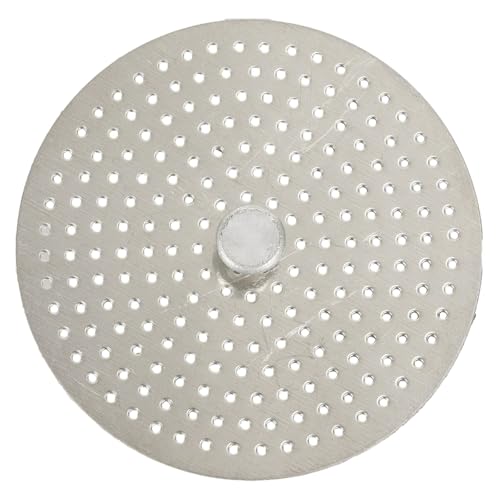 Stainless Steel Moka Pot Coffee Filter Disc for Espresso Brewing, Coffee Maker Replacement Filter Plate for Home Office Coffee Bar Cafe (FOR 4 Cups)
 HomeBeyond Espresso Coffee Maker 12 Cups, Classic Stovetop Espresso Maker, 600ml / 20oz Coffeemaker for Gas & Ceramic Stovetops (Silver)
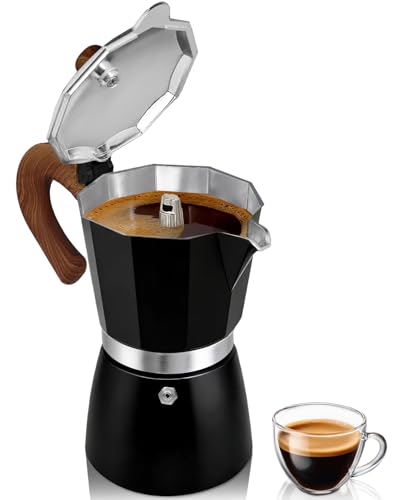 Belly Moka Coffee Maker Stovetop Espresso Maker 9 Cup Aluminum Moka Pot Percolator 15oz 450ml Easy Brewing for Electric Ceramic Stoves Home Camping Italian Cuban Café Classic Black