You bought a pour over coffee maker because you wanted a better cup of coffee. Then the first brew came out bitter, the second was sour, and the third just tasted like hot water with a coffee mood. You’re not alone. Most people abandon their pour over gear within two weeks because they make a handful of predictable errors that are easy to fix once you know what to look for.
This guide walks through the specific mistakes that ruin pour over coffee, with the numbers and conditions that actually matter. You’ll learn what to change today, what to ignore, and why your current setup might not be the problem. By the end, you’ll know exactly how to brew a clean, balanced cup using the gear you already own.

Bodum
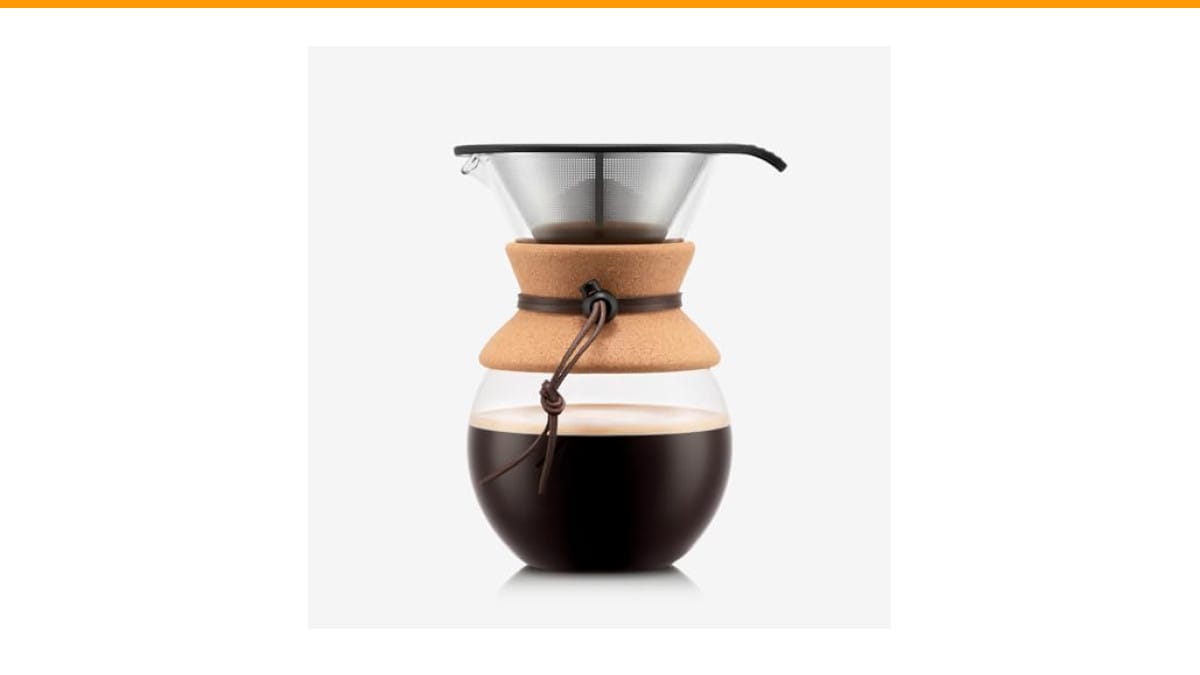
Bodum 34oz Pour Over Coffee Maker, High-Heat…
- Pour Over Coffee: Manual Pour Over Coffee Maker allows you to brew an excellent cup of Coffee in minutes
- Stainless steel: Includes a new and improved permanent, stainless steel mesh filter that helps extract your coffee's aromatic oils…
- Coffee Carafe: Made of durable, heat-resistant borosilicate glass with Cork Band detailing that is both functional and elegant; si…
As an Amazon Associate I earn from qualifying purchases.
If you’re shopping for your first brewer, the Bodum 34oz Pour Over Coffee Maker is a solid starting point. It uses a reusable stainless steel mesh filter instead of paper, which lets more of the coffee’s natural oils through. That means a fuller body and a slightly different flavor profile than paper-filtered pour overs. The borosilicate glass carafe holds eight 4-ounce cups, and the cork band gives you a safe grip when the glass is hot.
Mistake 1: Grinding Coffee Too Fine (or Too Coarse)
Grind size is the single biggest variable in pour over brewing, and beginners almost always get it wrong. Too fine, and the water takes forever to pass through the bed. The coffee over-extracts, turning bitter and dry. Too coarse, and the water rushes through in under two minutes, leaving you with a weak, sour cup.
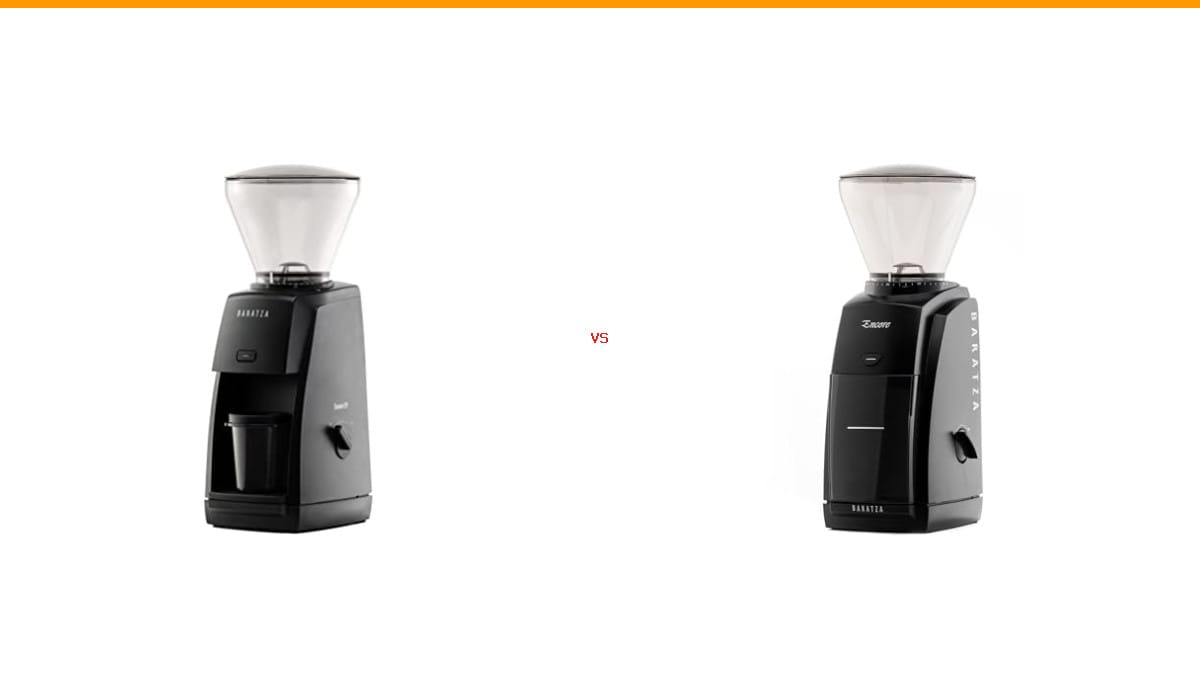
For pour over, you want a medium grind — think kosher salt or coarse sand. If you’re using a blade grinder, stop. Blade grinders produce a mix of dust and boulders, which guarantees uneven extraction no matter what you do. A burr grinder is the minimum for consistent results. It doesn’t need to be expensive; a hand grinder with ceramic burrs costs less than a week of cafe lattes.
Here’s a quick test: after you grind, pinch a bit between your fingers. It should feel gritty, not powdery. If it feels like flour, it’s too fine. If it looks like cracked peppercorns, it’s too coarse. Adjust and try again.
Mistake 2: Ignoring Water Temperature
Most beginners boil water and pour it straight over the grounds. That’s a mistake. Boiling water sits around 212°F, which scorches the coffee and pulls out harsh, bitter compounds. The ideal brewing range for pour over is 195°F to 205°F.
No thermometer? Let the kettle sit for 30 to 45 seconds after it boils before you pour. That brings the temperature down into the right zone. If you have a gooseneck kettle with a temperature setting, set it to 200°F and don’t think about it again.
Water temperature matters more than most people realize. Too hot, and you get bitterness. Too cool — below 190°F — and the water can’t extract the sugars and acids properly, leaving you with a sour, flat cup. The sweet spot is 200°F for most coffees.
Mistake 3: Pouring Too Fast, All at Once
Dumping the entire kettle of water into the brewer in one go is the fastest way to a bad cup. The water needs time to interact with the coffee grounds. When you pour everything at once, the water channels through the path of least resistance, leaving most of the grounds untouched.
Here’s the process that works:
- Start with a bloom pour. Use about twice the weight of water as coffee. For 30 grams of coffee, pour 60 grams of water. Let it sit for 30 to 45 seconds. The coffee will bubble and release trapped CO2. This step alone improves flavor dramatically.
- After the bloom, pour in stages. Add water in three or four equal pours, waiting for the water level to drop about halfway between each pour. This keeps the grounds suspended and ensures even extraction.
- Keep the total brew time between 3 and 4 minutes. If it finishes faster, your grind is too coarse. If it drags past 4.5 minutes, your grind is too fine.
You don’t need a fancy gooseneck kettle to do this, but it helps. A regular kettle pours in a thick stream that’s hard to control. If you’re serious about pour over, a gooseneck is worth the investment.
Mistake 4: Using the Wrong Coffee-to-Water Ratio
Beginners either use too much coffee (resulting in an overpowering, syrupy cup) or too little (resulting in weak, watery coffee). The standard ratio is 1:16 — one gram of coffee for every 16 grams of water. That’s about 60 grams of coffee per liter of water.
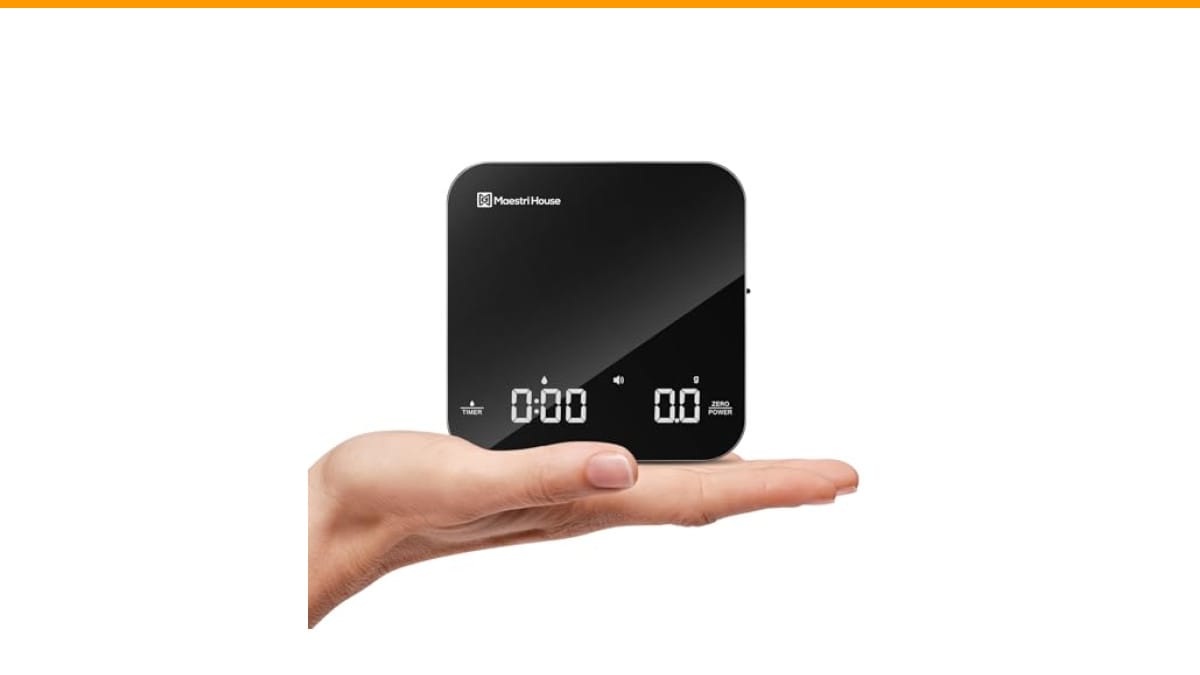
For a single 12-ounce cup, that’s roughly 22 grams of coffee and 350 grams of water. If you don’t have a scale, use two tablespoons of coffee per 6 ounces of water as a starting point. But get a scale. Volume measurements are inconsistent because bean density varies by roast level. A scale costs $15 and removes all guesswork.
Adjust the ratio to taste. If the coffee tastes too strong and bitter, use less coffee or more water. If it tastes thin and sour, add a few grams of coffee. Write down what you used so you can replicate the good batches.
Mistake 5: Neglecting the Filter
Paper filters absorb some of the coffee’s natural oils, which gives a cleaner cup but also removes some body. Reusable metal filters let those oils through, giving a richer mouthfeel but also letting fine particles into your cup. Neither is wrong, but each affects flavor differently.
If you use paper filters, rinse them with hot water before brewing. This removes the papery taste and preheats your brewer. Skip this step, and you’ll taste cardboard in your coffee.
If you use a metal filter like the one in the Bodum pour over maker, rinse it under running water after each use. Coffee oils build up on the mesh over time and turn rancid, which ruins the flavor of your next brew. A quick rinse takes ten seconds. A deep clean with mild soap once a week keeps the mesh clear.
Pour Over vs. Other Brewing Methods
Not sure pour over is right for you? Here’s how it stacks up against the other common brewers.
| Brew Method | Body | Clarity | Brew Time | Skill Required |
|---|---|---|---|---|
| Pour Over | Medium | High | 3–4 min | Moderate |
| French Press | Heavy | Low | 4 min | Low |
| Drip Machine | Medium | Medium | 5–6 min | None |
| Espresso | Heavy | Medium | 25–30 sec | High |
Pour over gives you the most control over flavor, but it demands attention. If you want set-and-forget convenience, a drip machine is easier. If you want a heavy, gritty cup, French press is simpler. Pour over sits in the middle — more work than a machine, but more reward than most people expect.
Common Questions About Pour Over Mistakes
Why does my pour over coffee taste bitter?
Bitterness usually comes from over-extraction. Your grind is too fine, your water is too hot, or your brew time is too long. Fix the grind first, then check the water temperature. If both are fine, shorten your total brew time to under 4 minutes.
Why is my pour over coffee sour?
Sourness means under-extraction. The water didn’t pull enough flavor out of the beans. Your grind is likely too coarse, your water is too cool, or you didn’t pour enough water during the bloom. Grind finer and make sure your water is at least 195°F.
Can I use regular tap water for pour over?
You can, but tap water with high mineral content or chlorine will affect the taste. Filtered water is better. If your tap water tastes good to drink, it’ll probably brew fine. If not, run it through a basic filter first.
How often should I clean my pour over maker?
Rinse the carafe and filter after every use. Once a week, wash everything with mild soap and warm water. The cork band on the Bodum should be wiped down but not submerged for long periods. If you notice a stale smell, it’s time for a deeper clean. Check our coffee maker cleaning guide for the full routine.
Is a gooseneck kettle really necessary?
No, but it makes pouring control much easier. The thin spout lets you pour in a slow, steady stream without splashing. A regular kettle works if you pour carefully, but you’ll have less control over the flow rate. If you’re just starting out, use what you have and upgrade later.
What to Do Differently Starting Tomorrow
You don’t need to overhaul everything at once. Pick one or two changes and stick with them for a week. Here’s what matters most:
- Get a burr grinder if you don’t have one. Blade grinders make consistent pour over nearly impossible.
- Use a scale. Weigh your coffee and water to hit a 1:16 ratio. It’s the single biggest upgrade for consistency.
- Let boiled water rest for 30 seconds before pouring. Target 200°F, not boiling.
- Always bloom the coffee. Pour twice the water weight and wait 30 seconds before continuing.
- Pour in stages, not all at once. Three or four separate pours beat one dump.
- Rinse your filter (paper or metal) before brewing. It removes off-flavors and preheats the brewer.
- Write down your recipe. A few grams of coffee or a few seconds of pour time change the cup noticeably.
If your brewer is clogged or dripping slowly, that’s a separate problem. Sometimes a clogged coffee maker needs a vinegar soak, not a different grind. And if you’re using a machine with a filter basket that won’t close or a brew button that’s acting up, those are mechanical issues, not technique problems. Check our brew troubleshooting guide for those cases.
Pour over coffee isn’t hard. It’s just precise. The difference between a good cup and a great one is usually a few grams of coffee, a few degrees of temperature, and a little patience during the pour. Fix these mistakes and you’ll wonder why you ever drank anything else.
Products related to this article
Sponsored / affiliate links. As an Amazon Associate I earn from qualifying purchases. I may earn additional commission from eligible campaigns.
 HomeBeyond Espresso Coffee Maker 12 Cups, Classic Stovetop Espresso Maker, 600ml / 20oz Coffeemaker for Gas & Ceramic Stovetops (Silver)
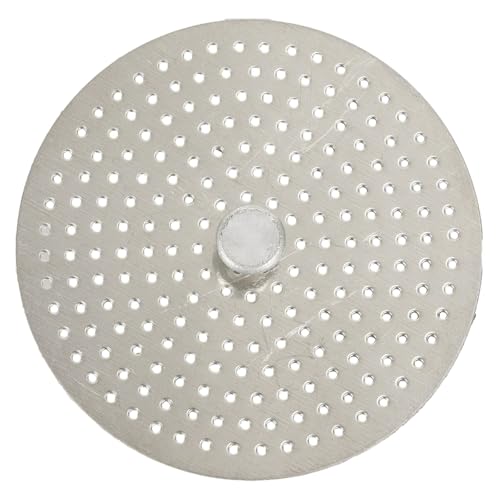 Stainless Steel Moka Pot Coffee Filter Disc for Espresso Brewing, Coffee Maker Replacement Filter Plate for Home Office Coffee Bar Cafe (FOR 4 Cups)
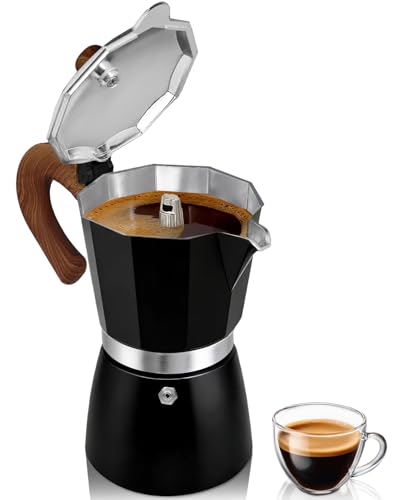 Belly Moka Coffee Maker Stovetop Espresso Maker 9 Cup Aluminum Moka Pot Percolator 15oz 450ml Easy Brewing for Electric Ceramic Stoves Home Camping Italian Cuban Café Classic Black