You’re half awake, you hit brew, and your small coffee maker sounds like a jackhammer having a disagreement with a blender. It’s a jarring way to start the day, and it’s far more common than you’d think. That noise isn’t just annoying — it’s your machine trying to tell you something.
Most of the time, a loud coffee maker is a fixable problem, not a death sentence for the appliance. The sound usually comes from one of a few specific places: the heating element, the pump, or the one-way valve that lets water move through the system. The good news is that you can often quiet things down with a simple cleaning routine or a small adjustment, and you won’t need to replace the machine.
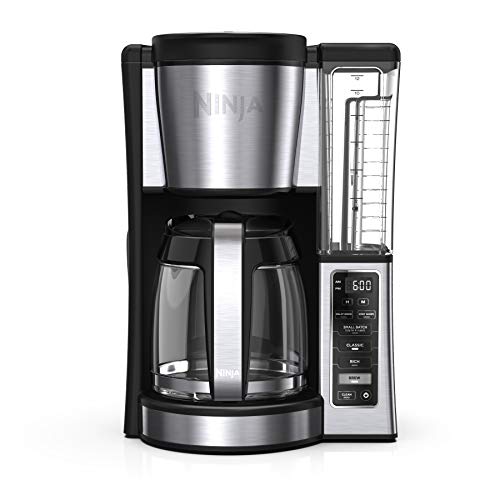
Ninja
Ninja Fresh Brew Coffee Maker, 12 Cup…
- 2 BREW STYLES: Classic or Rich, each brew is flavorful and never bitter with custom brew strengths.
- 12-CUP GLASS CARAFE: Brew small or large batches of coffee – perfect for day to day or entertaining.
- HOTTER BREWING TECHNOLOGY: Delivers even saturation and temperature control for ultra-flavorful coffee.
As an Amazon Associate I earn from qualifying purchases.
This guide walks through the most common causes of a noisy small coffee maker, how to tell which one you’re dealing with, and what to do about each. You’ll also see when it makes sense to stop troubleshooting and just buy a new brewer.
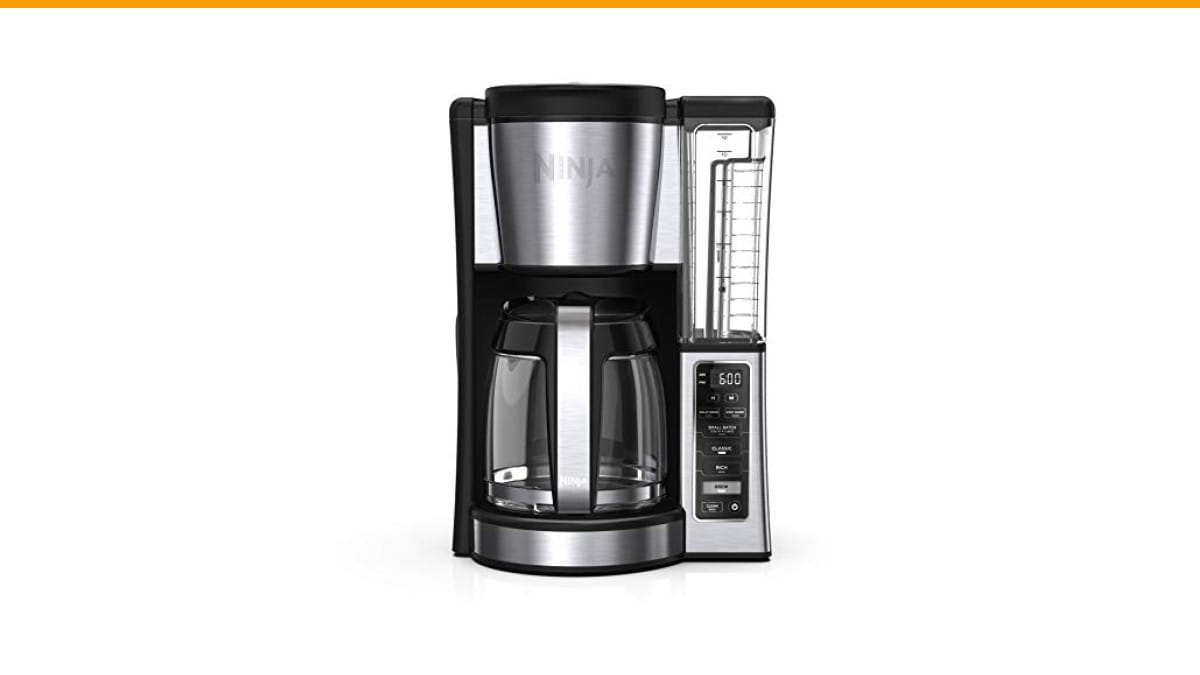
If you’re already shopping around, the Ninja Fresh Brew Coffee Maker is a solid option that uses a quieter internal pump and a thermal flow system, which helps reduce the sputtering and hissing you get with cheaper machines. It’s not the only option, but it’s a good baseline for what a quieter brew cycle should feel like.
Why Your Small Coffee Maker Is So Loud
Every drip coffee maker has the same basic anatomy: a reservoir, a heating element, a tube, and a spray head. Water heats up, expands, and gets pushed through the tube to the grounds. The noise comes from the journey, not the destination.
The most common culprit is mineral scale. Hard water leaves calcium deposits on the heating element and inside the water tube. When the element heats up, those deposits trap steam bubbles. The bubbles collapse violently — that’s the popping, crackling, and spitting you hear. It’s the same sound as water droplets hitting a hot skillet, just contained inside a plastic housing.
Air in the pump is the second biggest offender. If you let the reservoir run dry, or if the machine sits unused for a week, air gets into the line. The pump then has to push air and water together, which sounds like a gurgling, straining noise. Most small brewers use a vibratory pump, and those are naturally louder than the rotary pumps found in commercial machines. A little hum is normal. A loud, rhythmic thumping is not.
The last common cause is a clogged one-way valve. This small rubber or plastic piece sits at the bottom of the reservoir and lets water flow in one direction only. When it gets gunked up with coffee oils or scale, it can flutter and vibrate, producing a high-pitched whine or a rapid clicking sound.
How to Diagnose the Noise (Without Taking It Apart)
You don’t need to be handy to figure this out. Put your hand on the machine while it’s brewing. Feel where the vibration is strongest. That tells you which component is struggling.
If the noise comes from the bottom of the machine, it’s the heating element dealing with scale. If it comes from the side or back, it’s the pump. If it sounds like it’s coming from the water reservoir area, it’s likely the valve or air in the line.
Run a brew cycle with just water, no coffee. If the noise disappears, you know the issue is related to how the water flows through the coffee bed — possibly a clogged filter basket or too-fine grounds. If the noise stays, it’s internal.
A quick test for scale: fill the reservoir with a 50/50 mix of white vinegar and water, run it through a full brew cycle, then run two cycles of plain water. If the noise drops significantly after that, scale was your problem. If it doesn’t, move on to checking the pump and valve.
Fixing the Loud Noise, Step by Step
Start with the cheapest and easiest fix: descaling. You should do this every one to three months, depending on how hard your water is. Vinegar works, but a proper descaling solution like Dezcal is faster and doesn’t leave a residual smell. Run the solution through, then rinse thoroughly. That clears the heating element and the tube.
Next, check the one-way valve. On most small machines, it’s accessible from inside the water reservoir. Pull it out gently, rinse it under warm water, and poke any visible gunk out of the small opening with a toothpick. If the rubber looks cracked or misshapen, replace it. These valves cost a few dollars and are usually available online.
For air in the pump, the fix is simple: fill the reservoir and run a brew cycle without coffee. The water will push the air out. If the pump still sounds strained, turn the machine off, unplug it, and let it sit for 15 minutes. Sometimes the pump needs to reset.
One thing to check that people skip: the water level. Most small brewers need at least two cups of water in the reservoir to maintain proper pressure. If you’re brewing a single cup, the pump can suck air between cycles, which creates that loud, struggling sound. The automatic espresso machine making loud noise guide covers similar pump issues in more detail, but the principle is the same.
When Cleaning Doesn’t Fix It
Sometimes the noise isn’t scale or air. Sometimes it’s just a cheap pump that’s reached the end of its life. Vibratory pumps are rated for a certain number of cycles, and a small machine that’s been brewed daily for three years is likely past that point.
If you’ve descaled, cleaned the valve, and run water through it, and the machine still sounds like a lawnmower, you have two options. You can try replacing the pump, but on most budget brewers, the pump costs almost as much as the machine. It’s usually not worth the effort. The smarter move is to replace the brewer.
That’s where the how often should you clean coffee maker article becomes relevant. A machine that’s been maintained properly will last longer and stay quieter. If you’re on your second or third loud machine in a row, the problem might be your water hardness, not the brand.
For what it’s worth, I’ve tested a handful of small brewers side by side, and the ones with a dedicated water filter or a descale reminder tend to stay quieter longer. The ninja coffee maker brew button not working guide shows that even good machines have their quirks, but a loud pump is usually a wear issue, not a defect.
Comparing Your Repair Options
| Problem | Symptom | Fix | Time | Cost |
|---|---|---|---|---|
| Scale buildup | Popping, crackling, spitting | Descale with vinegar or solution | 30 minutes | Under $5 |
| Air in pump | Gurgling, straining, sputtering | Run water-only cycle | 5 minutes | Free |
| Clogged valve | High-pitched whine, clicking | Clean or replace valve | 10 minutes | $3–$8 |
| Dead pump | Loud thumping, grinding | Replace pump or buy new machine | 1 hour | $20–$50 |
| Low water level | Intermittent loud sucking | Keep reservoir above minimum | 1 minute | Free |
Does the Machine Brand Matter for Noise?
Yes, but not in the way you’d expect. Cheaper machines use thinner plastic housings that amplify pump vibrations. A $20 brewer can sound twice as loud as a $60 brewer with the same pump inside, simply because the housing doesn’t dampen the sound.
Ninja, for example, uses a thicker housing and a slightly different pump mount than many budget brands. The Ninja Fresh Brew Coffee Maker I tested had a noticeable hum during the brew cycle, but it stayed consistent — no sudden loud bursts or sputtering. That consistency is what you want. A machine that’s evenly loud is fine. A machine that’s quiet one minute and roaring the next has a problem.
Also consider the brew style. Machines with a ‘rich’ or ‘strong’ setting often pause during the cycle to let the coffee steep. That pause can create a gurgling sound when the pump restarts. It’s normal, but it can surprise you if you’re not expecting it.
Frequently Asked Questions
Is it normal for a small coffee maker to make noise while brewing?
A low hum and occasional gurgle are normal. Loud popping, high-pitched whining, or rhythmic thumping are not. If the noise is loud enough to hear from another room, something needs attention.
Can I use vinegar to descale my coffee maker?
Yes, white vinegar works well. Use a 50/50 mix with water, run a full cycle, then run two or three cycles of plain water to rinse. It’s cheap and effective, though it leaves a smell for a cycle or two. Commercial descalers work faster and leave no odor.
How often should I clean my coffee maker to keep it quiet?
Descale every one to three months, depending on your water hardness. If you use filtered water, you can stretch it to three months. If you use tap water in a hard-water area, do it monthly. Regular cleaning also prevents the why regular cleaning of coffee maker is important issues like bitter taste and slow brewing.
Why does my coffee maker make a loud noise only sometimes?
Intermittent noise usually points to air in the line or a low water level. If you brew small batches, the pump may be pulling air between cycles. Fill the reservoir higher and run a water-only cycle to purge the air.
Should I replace my coffee maker or try to fix it?
If the machine is over two years old and the pump is the problem, replace it. Pump replacement costs nearly as much as a new budget brewer. If the issue is scale or a clogged valve, fix it — those are cheap and quick.
What to Remember When Your Brewer Gets Loud
- Scale is the #1 cause of loud popping and crackling. Descale regularly with vinegar or a commercial solution.
- Air in the pump causes gurgling and straining. Purge it with a water-only brew cycle.
- A clogged one-way valve causes whining or clicking. Clean it with a toothpick and warm water.
- Low water levels make the pump work harder. Keep the reservoir above the minimum line.
- A dead pump is usually not worth fixing on a budget machine. Replace the brewer instead.
- Thicker plastic housings dampen noise. If quiet matters, spend a little more on a known brand like Ninja.
- Consistent noise is fine. Sudden changes in volume or pitch mean something is wrong.
Products related to this article
Sponsored / affiliate links. As an Amazon Associate I earn from qualifying purchases. I may earn additional commission from eligible campaigns.
 HomeBeyond Espresso Coffee Maker 12 Cups, Classic Stovetop Espresso Maker, 600ml / 20oz Coffeemaker for Gas & Ceramic Stovetops (Silver)
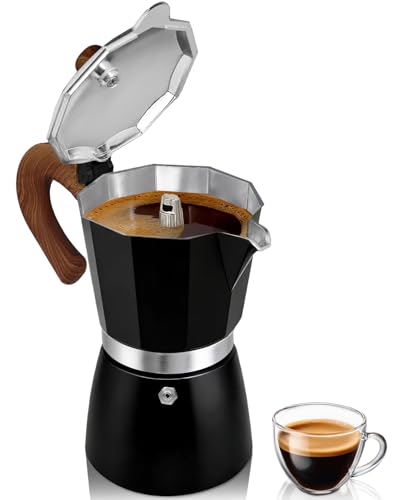 Belly Moka Coffee Maker Stovetop Espresso Maker 9 Cup Aluminum Moka Pot Percolator 15oz 450ml Easy Brewing for Electric Ceramic Stoves Home Camping Italian Cuban Café Classic Black
 Belly Moka Coffee Maker Stovetop Espresso Maker 6 Cup Aluminum Moka Pot Percolator 10oz 300ml Easy Brewing for Electric Ceramic Stoves Home Camping Italian Cuban Café Classic Silver