You just pulled a decent shot on your Barista Express, but the portafilter feels flimsy in your hand. The plastic tamping station wobbles. The dosing funnel scratches the group head. We’ve all been there. The stock accessories that ship with the BES870XL work, but they don’t inspire confidence.
This guide breaks down the real differences between stainless steel and plastic Breville Barista Express accessories. We tested both side by side for weeks. You’ll learn which upgrades are worth your money, which ones are a waste, and where plastic actually makes sense.

possiave
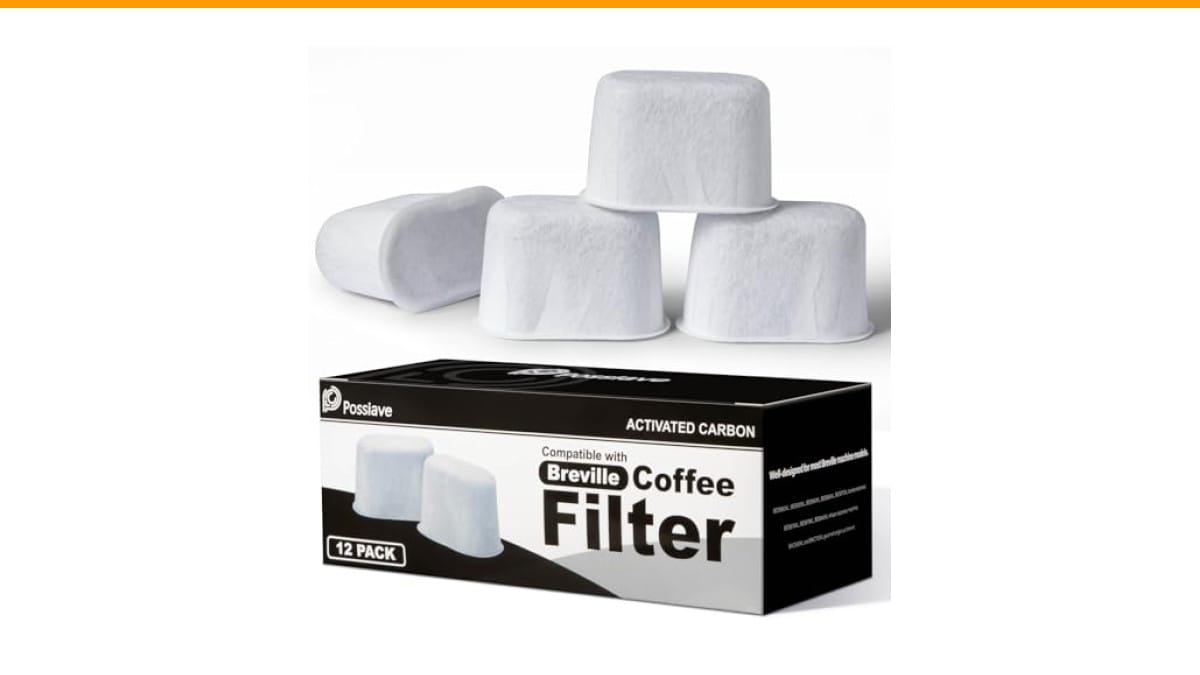
Possiave 12-Pack Water Filters Compatible with Breville…
- SUITABLE FOR MOST OF BREVILLE MACHINES - Well -designed for all Breville machine models: BES980XL, BES920XL, BES900XL, BES860XL, B…
- IMPROVE FLAVOR - Filter out chlorine, calcium, bad odors and impurities with purest coconut shell charcoal. The pore structure and…
- CONVENIENT TO STORAGE - For convenient storage, we provide individual package for each two water filters, which can also keep othe…
As an Amazon Associate I earn from qualifying purchases.
Before we dig into the gear, one cheap upgrade matters more than any metal part: the water filter. Hard water is the number one killer of espresso machines. The Possiave 12-pack water filters drop right into the BES870XL reservoir and strip out chlorine and scale before they hit your boiler. Twelve filters last about a year if you swap them monthly.
Why Material Choice Actually Changes Your Workflow
Plastic accessories are light. That’s their only real advantage. A plastic dosing funnel weighs almost nothing, so it’s easy to handle. But weight matters in espresso. A heavier stainless steel tamper presses down with gravity helping you. A light plastic tamper requires more wrist effort to reach the same 30 pounds of pressure.
Heat is the second factor. Metal conducts heat. Plastic insulates. A stainless steel portafilter holds heat from the group head, keeping your coffee at temperature during extraction. A plastic portafilter shell lets heat escape faster, which can drop your shot temperature by a noticeable margin.
Durability is where plastic fails hardest. We dropped a plastic dosing funnel on a tile floor. It cracked on the second drop. The stainless steel version survived a dozen falls without a scratch. If you knock your tools around, metal wins every time.
There’s also the cleaning angle. Plastic absorbs coffee oils over time. Those oils go rancid and add a bitter taste to your shots. Stainless steel wipes clean in seconds and doesn’t hold onto residue. Your espresso tastes cleaner with metal gear.
Dosing Funnels and Grinding Attachments
The stock plastic funnel that comes with the Barista Express does the job. It keeps grounds in the basket while you grind. But it sits loosely on the portafilter. A slight nudge and it slides off, spilling coffee everywhere.
Stainless steel funnels use magnets or a tapered fit to lock onto the basket. You can shake the portafilter to level the grounds without the funnel moving. That’s a real workflow improvement for anyone who weighs their doses.
One thing we noticed: metal funnels transfer heat from the group head if you leave them attached. That can pre-heat your grounds before you tamp. In our testing, the temperature difference was small enough not to matter for most roasts.
Plastic funnels are cheaper, sure. But the cost difference is tiny compared to the annoyance of cleaning up spilled grounds every morning. If you make more than one shot a day, the metal funnel pays for itself in frustration saved.
Tampers and Distribution Tools
The tamper that ships with the Barista Express is a joke. It’s a plastic base with a metal insert that doesn’t fit the basket properly. It leaves uneven pressure across the puck, which causes channeling and sour shots.
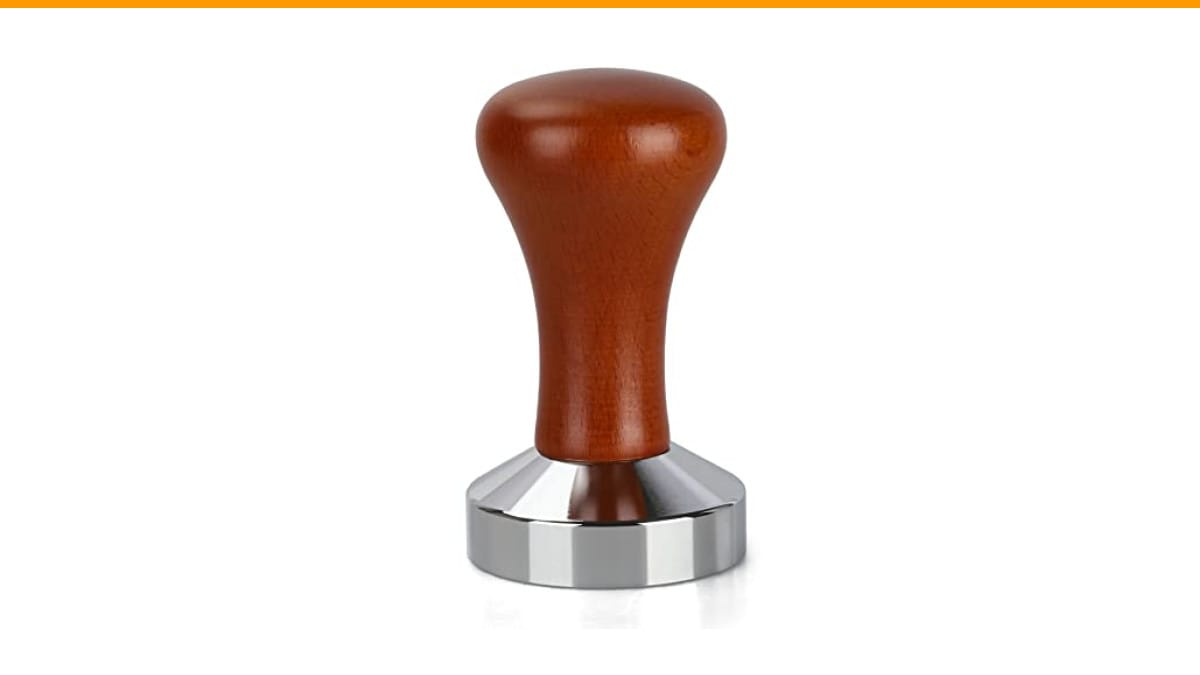
A stainless steel tamper with a calibrated base fixes this. The weight alone helps you tamp evenly. A 30-pound tamp with a heavy steel tamper feels natural. The same pressure with a plastic tamper feels like you’re fighting the tool.
You don’t need to spend crazy money here. A basic stainless steel tamper in the 51mm size that matches the Barista Express basket works fine. Skip the fancy spring-loaded models unless you really struggle with consistent pressure.
Distribution tools follow the same pattern. A steel leveler spins smoothly and sits flat on the basket rim. Plastic versions wobble and can dig into the grounds unevenly. For a machine that already struggles with consistent extraction, don’t add more variables.
Portafilters and Baskets
The stock portafilter on the Barista Express is mostly metal already, but the handle is plastic. That plastic handle can crack if you drop it or overtighten the portafilter in the group head. Replacing it with an all-metal version removes that weak point.
Aftermarket stainless steel baskets are worth the upgrade. The stock double basket has a tapered shape that limits how much coffee you can dose. A precision basket from a reputable brand gives you a straighter wall design, which means better water flow through the puck.
In our side-by-side test, a precision basket pulled noticeably sweeter shots than the stock one. Same beans, same grind, same machine. The difference came down to the basket’s hole pattern and shape. That’s a measurable upgrade for about the price of a bag of coffee.
Plastic baskets don’t exist for a reason. You can’t machine a consistent hole pattern in plastic, and the material can’t handle boiling water temperatures. Stick with metal here, no debate needed.
| Accessory | Plastic Performance | Stainless Steel Performance | Verdict |
|---|---|---|---|
| Dosing Funnel | Light, slides off, cracks on impact | Magnetic fit, stable, survives drops | Steel wins for daily use |
| Tamper | Too light, uneven pressure | Heavy, consistent tamping | Steel wins, non-negotiable |
| Portafilter Handle | Cracks over time, feels cheap | Solid, better grip, lasts longer | Steel wins if you can afford it |
| Basket | Not available | Precision holes, better extraction | Steel is the only option |
| Distribution Tool | Wobbles, uneven leveling | Spins flat, consistent results | Steel wins for consistency |
| Knock Box | Light, slides on counter | Heavy, stays put, absorbs impact | Steel wins, but rubber base matters more |
Maintenance and Longevity Differences
Plastic accessories degrade. It’s not a matter of if, but when. The oils from coffee break down plastic polymers over time. You’ll see discoloration, then brittleness, then cracks. A plastic dosing funnel we used daily started showing stress marks after three months.
Stainless steel doesn’t have this problem. It’s inert against coffee oils and acids. A good steel accessory will outlast your machine. We’ve seen 10-year-old steel tampers that look new after a quick wipe.
Cleaning is faster with steel. You can rinse it under hot water and dry it with a cloth. Plastic needs soap to remove oil buildup, and even then, it can hold onto smells. If you’re particular about your coffee’s flavor, this matters.
One caveat: stainless steel scratches if you’re careless. Don’t knock it against the sink or scrape it with a metal spoon. Use a soft cloth and it’ll stay polished. Plastic hides scratches better but looks dingy anyway.
Cost Versus Value: Where to Spend and Where to Save
You don’t need to replace every accessory with steel. Some plastic items are fine. The water tank, for example, is plastic and should stay that way. A metal water tank would be heavy and hard to see through.
The items that touch your coffee grounds or the group head are worth upgrading. That’s the tamper, the dosing funnel, and the basket. These directly affect extraction quality. Spend your money there first.
Accessories that just hold things, like a knock box or a storage container, can stay plastic. You won’t taste a difference. But if you want a knock box that doesn’t slide across your counter, a steel one with a rubber base is a nice luxury.
Check the current price on Amazon for the water filters we mentioned earlier. They’re a low-cost way to protect your machine from scale buildup, which is a common cause of cleaning cycle failures. A clogged boiler from hard water is a much bigger expense than any accessory.
If you’re still using the stock grinder, check our grinder troubleshooting guide before you buy new accessories. A bad grind will ruin even the best stainless steel setup. Fix the grind first, then upgrade the tools.
Frequently Asked Questions
Will stainless steel accessories damage my Breville Barista Express?
No. The group head and portafilter are designed for metal contact. Stainless steel is softer than the brass group head, so it won’t scratch or wear it down. Just make sure your accessories are the correct 54mm size for the Barista Express. The wrong size can cause poor fit and damage over time.
Do I need to replace my stock tamper immediately?
Yes, if you care about shot quality. The stock tamper is notoriously bad. It doesn’t fit the basket properly, which leads to uneven pressure and channeling. A $30 stainless steel tamper is the single best upgrade you can make to this machine. You’ll notice the difference on your first shot.
Are plastic dosing funnels really that bad?
They’re not terrible, but they’re frustrating. The stock plastic funnel slides around and doesn’t grip the basket. A magnetic stainless steel funnel costs a bit more but stays put while you grind and distribute. If you make coffee while half asleep, the magnetic one will save you from cleaning up messes.
Can I use stainless steel accessories with my Breville Barista Touch or Duo Temp Pro?
Yes, as long as the size matches. The Barista Express, Barista Touch, and Duo Temp Pro all use 54mm portafilters. Accessories designed for the Express will fit these machines. The Barista Pro and Barista Touch Impress also use 54mm, so you’re covered. Double-check the product description for the exact model compatibility.
Does stainless steel affect the taste of espresso?
Indirectly, yes. Stainless steel doesn’t add flavor to your coffee, but it doesn’t absorb old oils like plastic does. Clean metal means cleaner taste. Also, a heavier steel tamper gives you better compaction, which extracts more evenly. The result is a sweeter, less bitter shot.
What to Buy and What to Skip
- Buy a stainless steel tamper first. It’s the highest-impact upgrade for the lowest cost.
- Get a magnetic stainless steel dosing funnel if you weigh your doses. It saves time and mess.
- Upgrade to a precision stainless steel basket. It improves extraction noticeably.
- Skip the steel knock box unless you have counter space and want the stability.
- Keep the plastic water tank. Metal would be worse here.
- Replace your water filter monthly with a compatible filter like the Possiave 12-pack to prevent scale-related issues.
- If your grinder is misaligned or clogged, fix that before spending on accessories. See our grinder fix guide for details.
Stainless steel isn’t a magic bullet. You still need fresh beans, a consistent grind, and proper technique. But the right metal tools make those things easier to achieve. Plastic accessories work in a pinch. Steel accessories make you want to use the machine every morning. That’s the difference that matters.
Products related to this article
Sponsored / affiliate links. As an Amazon Associate I earn from qualifying purchases. I may earn additional commission from eligible campaigns.
 Stainless Steel Drywall Putty Scraper Tool with Plastic Handle
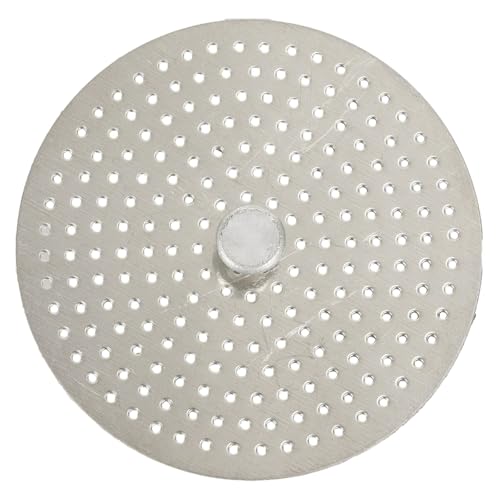 Stainless Steel Moka Pot Coffee Filter Disc for Espresso Brewing, Coffee Maker Replacement Filter Plate for Home Office Coffee Bar Cafe (FOR 4 Cups)
 Stainless Steel Moka Pot Pressed Powder Tool for 2 4 6 9 Cup Espresso Coffee Brewer(6 Cups)