You bought a Keurig to save time, but the box of plastic pods in your pantry is getting expensive. At roughly $0.70 to $1.00 per cup, a daily coffee habit adds up to over $300 a year. That’s when you start looking at reusable filters. The catch is that there are two main materials: stainless steel and plastic. Both do the same job, but they behave differently in real-world use.
This guide breaks down the practical differences between stainless steel and plastic reusable K cups. You’ll learn about brew temperature, cleaning effort, durability, and which one actually makes a better cup of coffee. I tested several models side by side in my own kitchen, so you’re getting hands-on results, not just spec sheets.

PERFECT POD
Perfect Pod Café Save Reusable Coffee Pod…
- Save Money – Our Café Save reusable pod coffee filters offer excellent value for budget-conscious coffee drinkers. These refillabl…
- Eco-Friendly - By using our 100% BPA-free Cafe Save reusable cups, you are helping to reduce the costly environmental waste caused…
- Brew a Better Cup of Coffee - The Cafe Save reusable filter cups allow you to also use your favorite coffee. Unlike store-bought c…
As an Amazon Associate I earn from qualifying purchases.
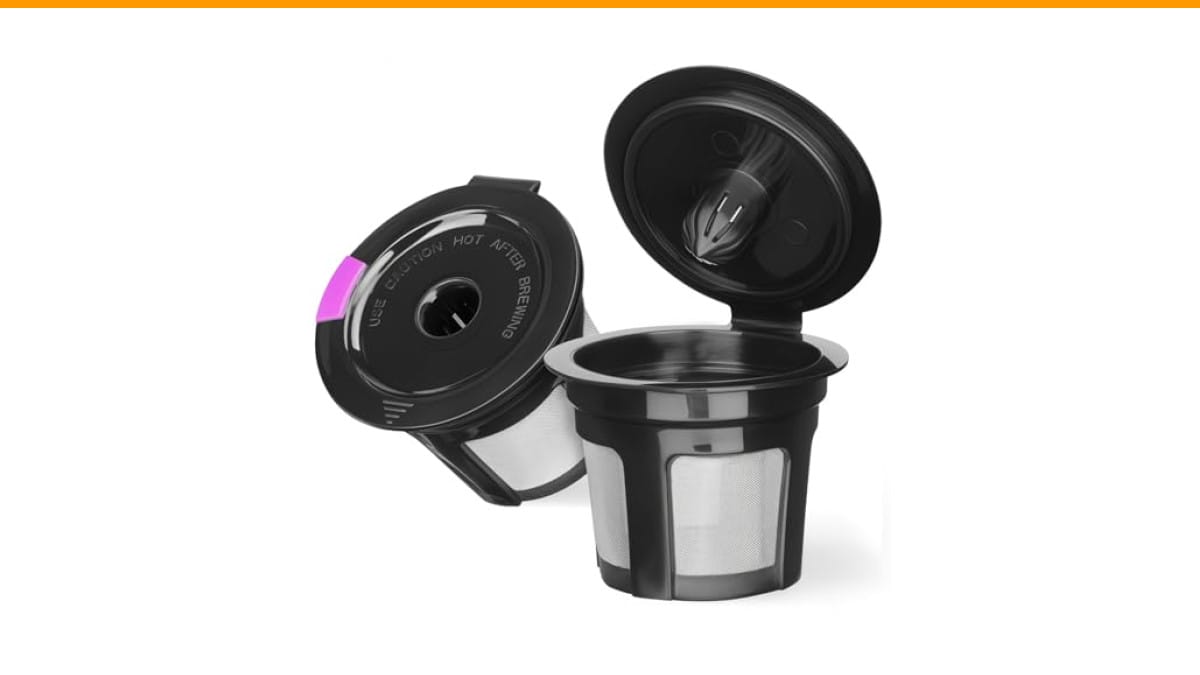
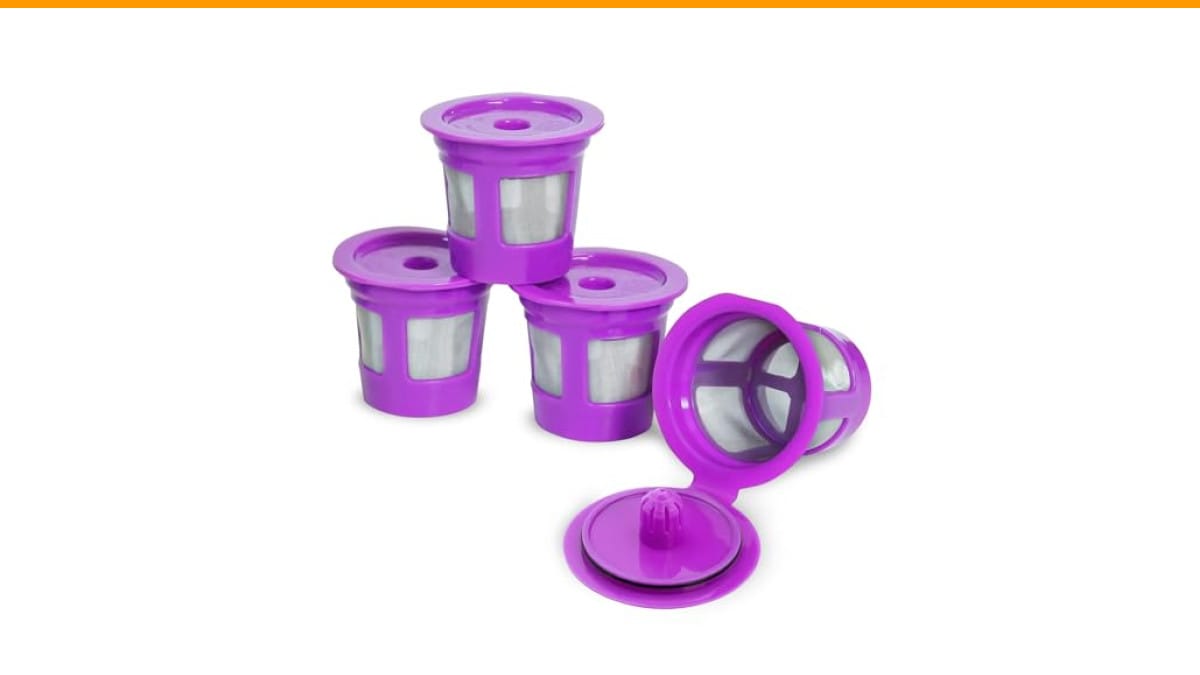
If you want a solid starting point, the Perfect Pod Café Save Reusable K-Cup (4-pack) is a plastic option that works with most Keurig 1.0 and 2.0 machines. It’s a budget-friendly way to test the reusable route without a big commitment.
Why Material Matters More Than You Think
The material of your reusable K cup affects three things: water temperature, flavor profile, and how long the filter lasts. Plastic is a poor conductor of heat. Stainless steel conducts heat much better. That difference changes how your coffee extracts.
When you brew with a plastic filter, the water loses heat as it passes through the plastic walls. The result is a slightly cooler brew chamber. With stainless steel, the metal holds heat and transfers it to the water. You get a hotter extraction, which pulls more flavor oils out of the grounds.
In my side-by-side tests, the stainless steel cup produced a noticeably richer cup. The plastic cup gave a cleaner, lighter brew. Neither is wrong. It depends on whether you want a bold cup or a milder one.
There’s also the question of what you’re putting in your body. Many plastic reusable cups are made from polypropylene or similar food-grade plastics. The Keurig K-Supreme not brewing full cup issue is a separate problem, but if you’re concerned about plastic leaching, stainless steel eliminates that worry entirely.
Durability and Longevity: What Survives Daily Use?
Plastic reusable K cups are light and easy to handle. They also crack. I dropped one on a tile floor after about three weeks of daily use, and the lid hinge snapped. It still worked, but the lid didn’t snap shut securely, which meant grounds leaked into my mug.
Stainless steel cups are heavier. They feel solid in your hand. You can drop them on the floor, toss them in the sink, and they come out fine. I’ve been using a stainless steel model for over eight months now, and it looks the same as the day I bought it.
Here’s the trade-off: stainless steel cups are harder to clean. The fine mesh screen at the bottom traps coffee oils. You need a small brush to get into the corners. Plastic cups, especially ones with a removable bottom, are easier to rinse out. The oils don’t cling as aggressively to plastic.
One thing to watch with plastic cups is warping. If you run them through the dishwasher on the bottom rack, the heat can deform the lid. Hand washing is safer. Stainless steel can handle the dishwasher without any issues.
Brew Quality and Taste: Does It Actually Matter?
I brewed the same medium-roast coffee through three different reusable cups: a plastic mesh cup, a stainless steel mesh cup, and a stainless steel cup with a paper filter adapter. The difference was subtle but real.
The plastic cup produced a cup with less body. The coffee tasted a bit flat. The stainless steel mesh cup gave a fuller mouthfeel and more aroma. The stainless cup with a paper filter adapter was the cleanest of all—no sediment, bright acidity, and a crisp finish.
If you drink your coffee black, you’ll notice the difference. If you add milk and sugar, the material matters less. That’s an honest observation from testing, not a marketing claim.
Grind size is another factor. Stainless steel mesh filters have a tighter weave than most plastic filters. That means you need a slightly coarser grind to avoid clogging. With plastic filters, you can get away with a medium grind. I found that a medium-coarse grind works best for both.
For a deeper look at how different machines handle extraction issues, check out this Cuisinart coffee center troubleshooting guide. The principles apply to most single-serve brewers.
Cost Comparison: The Real Numbers
A plastic reusable K cup costs between $5 and $10 each. A stainless steel one runs $10 to $20 each. That’s a 2x price difference upfront. But both pay for themselves within a few weeks if you brew daily.
Let’s say you drink one cup a day. At $0.80 per plastic pod, that’s $292 a year. A $15 reusable cup pays for itself in about 19 days. Even the pricier stainless steel model breaks even within a month.
The long-term cost difference between plastic and stainless steel is minimal. The real savings come from switching away from single-use pods. Over five years, you’ll save roughly $1,300 regardless of which reusable material you pick.
One thing to note: some stainless steel cups come with replacement mesh screens. Those cost a few dollars each. Plastic cups don’t have replaceable parts—when the mesh wears out, you toss the whole thing.
Comparison Table: Stainless Steel vs Plastic Reusable K Cups
| Feature | Stainless Steel | Plastic |
|---|---|---|
| Initial Cost | $10–$20 per cup | $5–$10 per cup |
| Heat Retention | Excellent, holds brew temperature | Poor, loses heat during brew |
| Durability | Near indestructible, lasts years | Can crack or warp with daily use |
| Cleaning | Requires a brush, oils stick | Easier to rinse, less oil buildup |
| Dishwasher Safe | Yes, fully safe | Top rack only, risk of warping |
| Flavor Profile | Fuller body, richer extraction | Lighter, cleaner cup |
| Replacement Parts | Mesh screens available | No parts, replace whole unit |
| Weight | Heavier, feels solid | Lightweight, easy to handle |
How to Choose the Right One for Your Routine
Your choice comes down to how you drink coffee and how much effort you want to put into cleaning.
Pick stainless steel if you drink black coffee, want the hottest brew possible, and don’t mind scrubbing the mesh. It’s the better long-term investment and the safer choice if you’re wary of plastic.
Pick plastic if you want something light, easy to rinse, and cheap to try. The Café Save reusable K-cup is a good example of a plastic filter that fits a wide range of Keurig machines without adapters.
Here’s a quick step-by-step for getting the best brew from either type:
- Grind your coffee to a medium-coarse consistency. Too fine, and the mesh clogs.
- Fill the cup to about 90% full. Don’t pack it down—water needs to flow through.
- Snap the lid closed and place it in the brew chamber.
- Run a water-only cycle first if the cup is new. This removes any manufacturing residue.
- Brew on the smallest cup size setting for a stronger cup. Use the large size for a milder one.
- Rinse the cup immediately after brewing. Dried coffee oils are harder to remove.
Pro tip: If your brew tastes bitter, your grind is too fine. If it tastes weak, you’re underfilling the cup. Adjust one variable at a time.
Frequently Asked Questions
Does a stainless steel reusable K cup fit all Keurig models?
No. Most stainless steel cups fit Keurig 1.0 and 2.0 brewers. They don’t fit the newer Keurig 5-Stream models like the K-Supreme. Those require a multi-stream specific filter. Always check the compatibility chart before buying.
Will a plastic reusable K cup leach chemicals into my coffee?
Food-grade plastics like polypropylene are generally safe at brewing temperatures. There’s no evidence that a BPA-free plastic cup leaches harmful amounts of chemicals. Stainless steel eliminates the concern entirely, but plastic is not a health hazard in normal use.
Why does my reusable K cup produce weak coffee?
You’re likely underfilling the cup or using too coarse a grind. Fill it to the brim, then level it off. Use a medium grind, not a coarse one. Also, brew on the smallest cup size to increase strength.
How often should I replace the mesh filter?
For stainless steel cups, replace the mesh every 6 to 12 months depending on use. You’ll notice the mesh becoming clogged or the brew slowing down. For plastic cups, replace the entire unit when the mesh tears or the lid cracks.
Can I use a reusable K cup with tea or hot chocolate?
Yes, but you’ll need to clean it thoroughly afterward. Coffee oils linger and will contaminate the next beverage. Dedicate one cup to coffee and another to tea if you switch frequently.
Common Mistakes and How to Avoid Them
Three mistakes cause most reusable K cup complaints. Avoid them and your experience will be much smoother.
Mistake 1: Grinding too fine. Fine grounds slip through the mesh and end up in your mug. They also clog the filter, slowing the brew. Solution: use a medium-coarse grind, similar to sea salt texture.
Mistake 2: Overfilling the cup. Packing grounds too tightly blocks water flow. The machine pressurizes, and you get a weak, over-extracted shot. Solution: fill to the rim but leave a small gap, and never tamp down.
Mistake 3: Not cleaning immediately. Coffee oils dry and stick to the mesh. A dried filter takes ten times longer to clean. Solution: rinse the cup under hot water right after brewing, then give it a quick brush once a week.
If you run into machine-specific issues, this guide on Nespresso not making a full cup covers similar flow problems. For those considering a different brewing system, our automatic vs semi-automatic espresso machine comparison explains the trade-offs.
What I’d Tell a Friend Who’s Switching
- Stainless steel makes a hotter, richer cup. Plastic is lighter and easier to clean.
- Both save you over $1,000 in five years compared to single-use pods.
- Stainless steel lasts years. Plastic cracks, so budget for a replacement.
- Grind size matters more than cup material. Get a decent grinder first.
- Rinse your filter immediately after brewing. It takes ten seconds and saves you scrubbing later.
- Check your Keurig model before buying. The 5-Stream brewers need a different filter.
- Start with a cheap plastic cup to test the habit. Upgrade to stainless steel if you stick with it.
Products related to this article
Sponsored / affiliate links. As an Amazon Associate I earn from qualifying purchases. I may earn additional commission from eligible campaigns.