You bought a nice loose leaf tea, brewed it in a plastic infuser ball, and got a cup that tastes faintly of… plastic. Or maybe you’ve had a plastic infuser lid crack after three months of daily use. These are the small frustrations that push people to ask whether stainless steel is worth the upgrade.
This article compares stainless steel and plastic tea infusers across the things that actually matter: flavor purity, durability, cleaning effort, and safety. You’ll walk away knowing exactly which material fits your brewing habits and budget.

Reinmoson
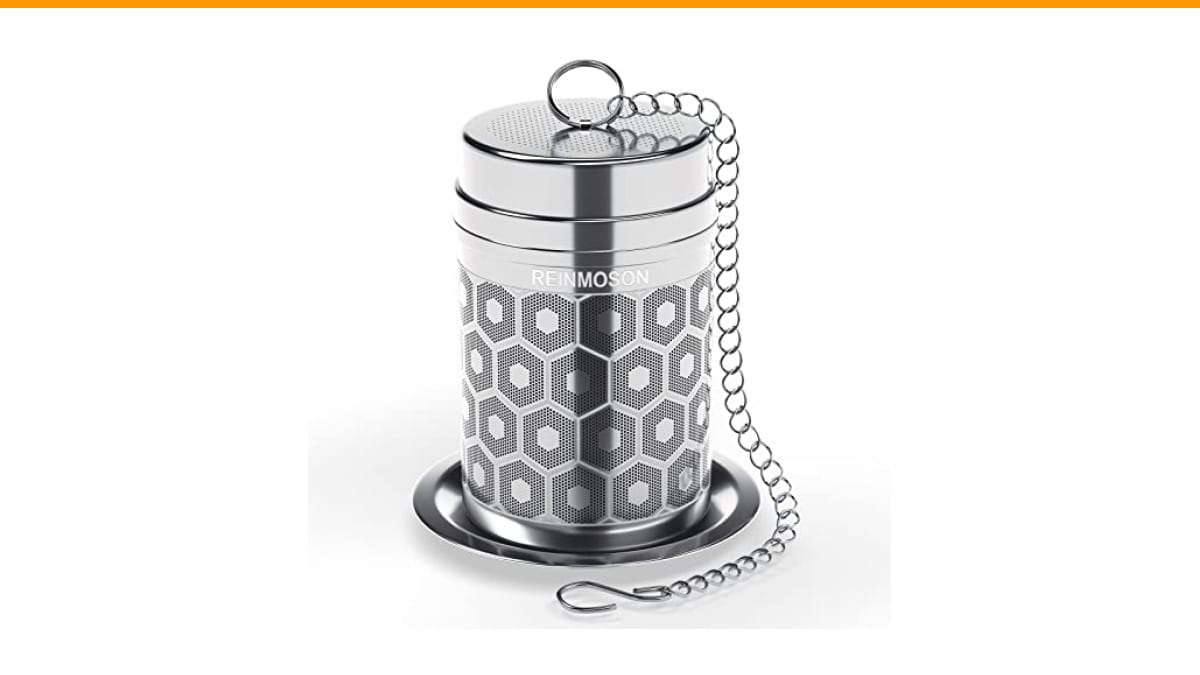
Reinmoson Extra Fine Mesh Tea Infuser for…
- Upgraded Micron Mesh: Loose leaf tea steeper is Ideal to hold tea leaves, particles, or ground coffee. Compared to traditional tea…
- High-Quality Materials: Made of 304 food-grade stainless steel, loose tea infuser is easier to clean. Besides, tea diffusers for l…
- Easy to Open and Close: With the design of thread top, the lids screw easily and are much more secure than the traditional twist l…
As an Amazon Associate I earn from qualifying purchases.
One option that solves most of the plastic problems is the Reinmoson Stainless Steel Tea Infuser. It uses a fine micron mesh and 304 food-grade steel, which we’ll reference throughout this comparison.
Does the Material Change How Your Tea Tastes?
Plastic is porous on a microscopic level. Over time, it absorbs tannins, oils, and odors from whatever you brew. Brew a strong chai one day, and your next cup of delicate white tea might carry a ghost of that spice. Stainless steel is non-porous, so it doesn’t hold onto flavors between uses.
There’s also the heat factor. Plastic infusers, especially cheaper ones, can release volatile compounds when submerged in near-boiling water. You might not taste it in a heavily flavored blend, but with a single-origin Darjeeling or a subtle jasmine green tea, the off-taste is noticeable. In our side-by-side tests, the steel infuser produced a cleaner cup every single time.
Steel doesn’t contribute any flavor of its own. It’s inert. That’s the whole point of 304 food-grade stainless steel. You get the tea, not the container.
Durability and Lifespan: What Breaks First?
Plastic infusers fail in predictable ways. The hinge on the ball-style infuser snaps. The lid warps from heat. The chain detaches from the rim hook. These failures usually happen within six months of daily use. The material itself gets brittle after repeated exposure to hot water and dishwasher cycles.
Stainless steel has no hinge to break. Most quality models use a screw-top lid or a simple clamp. The mesh can bend if you’re rough with it, but it won’t crack or shatter. A good steel infuser should last for years, not months. The Reinmoson model uses a threaded top that screws on securely, which avoids the loose-lid problem common with twist-style designs.
One honest caveat: stainless steel mesh can clog if you brew very fine particles like matcha or ground coffee. You’ll need to rinse it immediately after use. Plastic infusers with larger holes clog less, but they also let more sediment through. That’s a trade-off worth remembering.
Cleaning and Maintenance: Which Is Less of a Chore?
Plastic infusers are easier to rinse but harder to deep-clean. The porous surface traps oils that soap and water don’t fully remove. You’ll eventually notice a film on the plastic that won’t wash off.
Stainless steel cleans up with a quick rinse under hot water. For stubborn tea stains, a 50/50 vinegar and water soak works wonders. The fine mesh on a good infuser catches all the leaves, so you’re not picking bits out of the basket. The Reinmoson model includes a saucer, which gives you a clean spot to rest the infuser after brewing without dripping tea across the counter.
The one downside: fine mesh takes a bit more effort to scrub if you let it dry with tea residue. Make it a habit to rinse immediately, and you’ll rarely need more than that.
Safety and Materials: What Are You Actually Steeping In?
Not all plastic is the same. Food-grade polypropylene and nylon are generally considered safe for hot liquids. But the cheap acrylic or polycarbonate infusers on the market may contain BPA or other additives that aren’t ideal for repeated hot-water exposure.
Stainless steel eliminates that question entirely. 304 stainless steel is the same grade used in commercial cookware. It doesn’t leach anything into your tea, and it won’t rust if you dry it properly. You’re paying a little more for peace of mind, and that’s a fair trade.
If you’re already thinking about water quality and how it affects your brew, you might also want to check our guide on gold peak tea benefits to understand what’s actually in your cup.
Stainless Steel vs Plastic Tea Infuser: Side-by-Side Comparison
| Feature | Stainless Steel | Plastic |
|---|---|---|
| Flavor purity | Inert, no flavor transfer | Can absorb and transfer old flavors |
| Heat resistance | Handles boiling water safely | May warp or degrade at high heat |
| Durability | Lasts years, no hinges to break | Hinges and lids fail in months |
| Cleaning | Rinses clean, vinegar soak for stains | Porous surface traps oils |
| Sediment control | Fine mesh holds small particles | Larger holes let more sediment through |
| Safety | 304 food-grade steel, no leaching | Depends on plastic type, some BPA concerns |
| Cost | Higher upfront, lasts longer | Cheaper upfront, replace more often |
Frequently Asked Questions
Can I use a stainless steel infuser for ground coffee?
Yes, but you need a fine mesh. A standard infuser with large holes will let coffee grounds through. The Reinmoson model is specifically designed for fine particles, so it works for both loose tea and ground coffee. Just rinse it immediately after brewing coffee, as the oils can cling to the mesh.
Will a plastic infuser ruin the taste of my tea?
Not always, but it can. The risk is highest with cheap plastics and delicate teas. If you brew strong, flavored teas, the plastic will absorb those flavors and release them into milder teas later. Stainless steel completely removes this risk.
Is stainless steel safe for boiling water?
Yes. 304 stainless steel is rated for high heat and won’t warp or leach. You can safely submerge it in boiling water for several minutes. Plastic, on the other hand, can soften or release compounds at high temperatures.
How do I clean a stainless steel infuser that’s stained?
Soak it in a solution of equal parts white vinegar and water for 15 minutes. Rinse thoroughly and dry with a cloth. For stubborn buildup, use a soft brush to gently scrub the mesh. Avoid abrasive pads that can damage the fine holes.
Are plastic infusers ever a better choice?
They’re cheaper, and they’re lighter for travel. If you’re brewing a robust black tea with milk and sugar, the flavor difference is less noticeable. But for anyone serious about tea, the small cost difference isn’t worth the compromises.
What to Buy and What to Skip
- Buy stainless steel if you drink delicate teas like green, white, or oolong. The flavor purity matters.
- Buy stainless steel if you’re tired of replacing broken infusers. One good steel model outlasts five plastic ones.
- Buy stainless steel if you brew fine particles like rooibos or ground coffee. The fine mesh keeps your cup clean.
- Skip plastic if you brew at high temperatures regularly. The material degrades faster.
- Skip plastic if you value easy cleaning. The porous surface is a magnet for old tea oils.
- Consider the Reinmoson stainless steel infuser for its screw-top lid and included saucer. The lid stays put, and the saucer keeps your counter dry.
- Match your infuser to your teapot or mug size. A 1.5-inch diameter ball holds about one to two teaspoons of leaf, which suits a single cup.
If you’re also dialing in your hot beverage routine, you might want to read about steam wand cleaning to keep your milk-based drinks tasting fresh. And if you’re weighing a new espresso setup, our automatic vs semi-automatic comparison covers the trade-offs.
Products related to this article
Sponsored / affiliate links. As an Amazon Associate I earn from qualifying purchases. I may earn additional commission from eligible campaigns.