You just poured fresh filtered water into your coffee maker, hit brew, and then it started. That grinding, gurgling, or high-pitched whine that makes you wonder if the machine is about to launch itself off the counter. Most people blame the pitcher. They think the filter is clogged or the plastic is vibrating wrong.
Here is the truth: your water filter pitcher is almost never the source of that noise. The pitcher is a passive container. It holds water. It does not pump, heat, or agitate anything. The noise you hear comes from the coffee maker struggling with the water you gave it. This article walks through the actual mechanics, the common misconceptions, and what you can do about it today.
BRITA
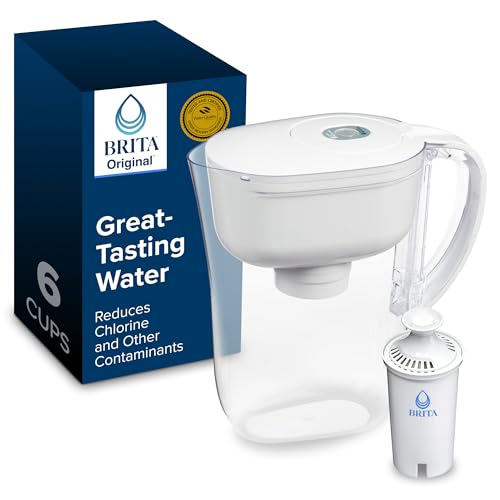
Brita Small 6-Cup Water Filter Pitcher, Includes…
- CERTIFIED WATER FILTRATION: WQA NSF/ANSI certified Brita Metro water filter pitcher reduces chlorine taste and odor, copper, mercu…
- SMARTLIGHT FILTER INDICATOR: Brita's most accurate and precise pitcher filter change indicator tells you exactly when to replace y…
- MINI-FRIDGE-FRIENDLY DESIGN: This 6-cup BPA-free water pitcher is space-efficient and fits in most mini-fridges; easy-fill lid mak…
As an Amazon Associate I earn from qualifying purchases.
You will leave knowing exactly why your setup groans, how to test it in under two minutes, and which small changes stop the racket for good.
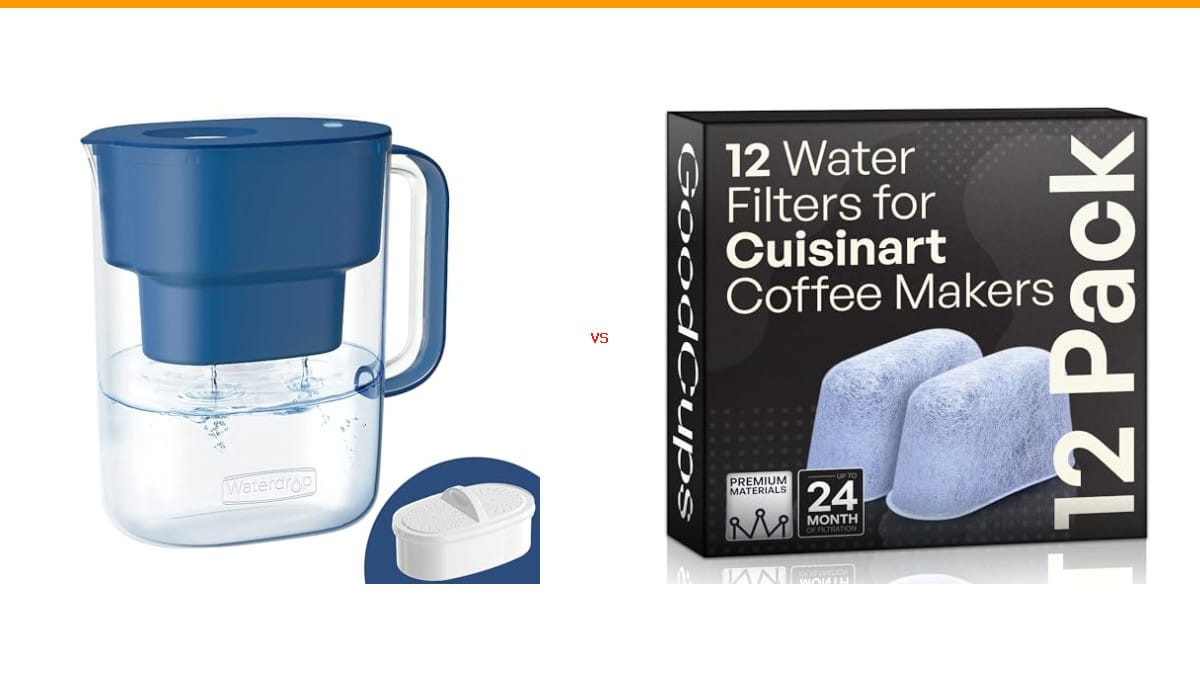
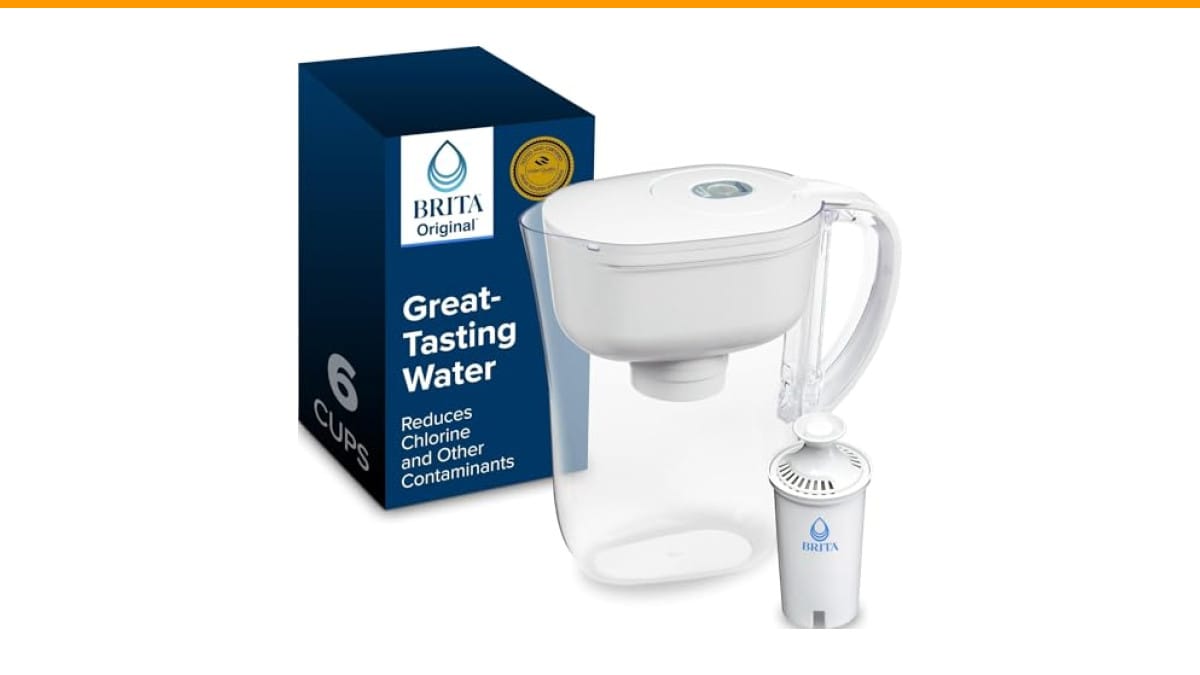
If you are using a compact pitcher like the Brita Small 6-Cup Water Filter Pitcher, it fits easily in small spaces and pours cleanly into a reservoir. That part works fine. The issue starts after the water leaves the pitcher.
Misconception One: The Pitcher Filter Creates Air Pockets That Cause Noise
People swear their coffee maker got louder right after they switched to filtered water. They assume the carbon block in the pitcher releases tiny bubbles that gurgle through the machine. That is not how it works.
The carbon filter in a pitcher reduces chlorine taste and odor, plus some metals like copper and mercury. It does not aerate the water. When you pour from the pitcher into the coffee maker reservoir, you are transferring still water. Any bubbles you see are from the pour itself, not from the filter media.
What you are actually hearing is the coffee maker’s internal pump or heating element working against a specific condition. Filtered water behaves differently than tap water in one key way: it can change how the machine’s water level sensor reads. If your machine thinks the reservoir is empty when it is not, the pump runs dry for a second. That dry run sounds like a loud, strained buzz or a rapid clicking.
Test this yourself. Pour tap water into the same coffee maker. If the noise disappears, the problem is not the pitcher. It is the interaction between the filtered water’s flow rate and your machine’s sensor.
Misconception Two: A Full Pitcher Makes the Pump Work Harder
Another popular theory involves weight. People think a full pitcher pushes water through the system faster, making the pump labor and groan. The physics does not support this.
The coffee maker’s reservoir is open to the air. The pump draws water from the bottom of that reservoir, not directly from the pitcher. The pitcher only fills the reservoir. Once the water sits in the reservoir, the pump sees the same pressure whether the pitcher is full or nearly empty.
If your machine makes noise only with a full pitcher, check the reservoir’s float valve. Some machines have a little plastic float that rises with the water level. A full pitcher fills the reservoir quickly, and if the float sticks, the pump gets a partial supply. That partial supply causes cavitation, which sounds like gravel rattling in a pipe.
Clean that float valve with a soft brush. Nine times out of ten, that stops the noise.
The Real Culprit: Water Temperature and Mineral Content
Filtered water is not just cleaner. It has fewer dissolved solids. That changes how it heats inside the boiler.
Tap water contains calcium and magnesium. These minerals conduct heat and help the heating element transfer energy smoothly. Filtered water has fewer of these minerals. The heating element gets hotter faster, and the water around it flashes to steam more quickly. That rapid steam formation creates popping and hissing sounds.
This is not dangerous. It is just noisy. But it is also a sign that your machine is working harder than it needs to.
One fix many people miss: use room-temperature filtered water, not cold from the fridge. Cold water forces the heater to run longer and harder, which amplifies the noise. Let the pitcher sit on the counter for twenty minutes before brewing.
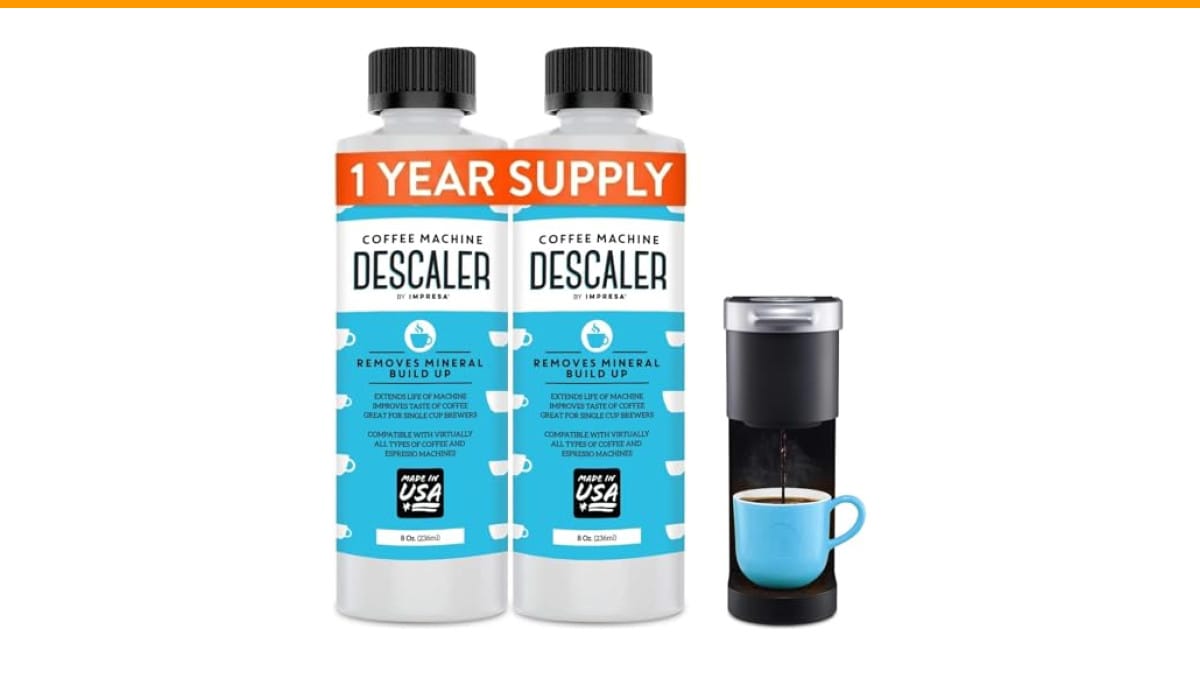
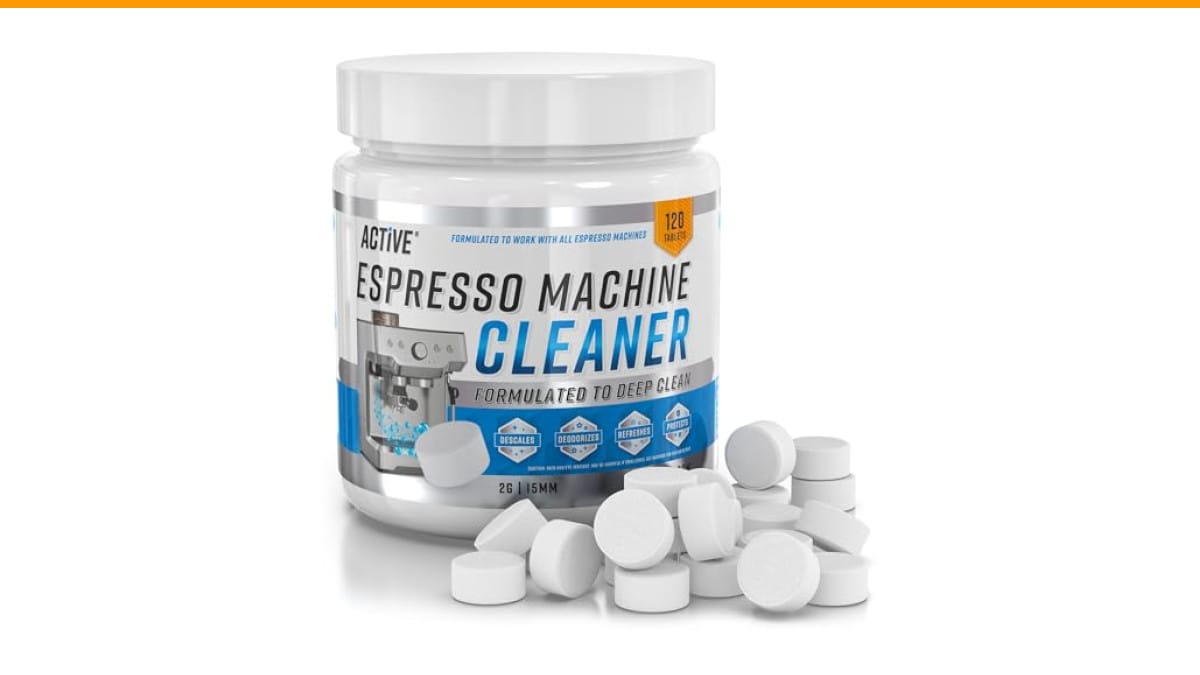
If the noise persists, check the machine’s heating element for scale buildup. Even with filtered water, old scale can cause loud banging sounds. A descaling solution every three months handles this. Machines that sit dirty make noise; machines that are clean do not.
How to Diagnose the Noise in Under Five Minutes
Do not guess. Run this quick test to isolate the source.
- Unplug the coffee maker and remove the reservoir.
- Pour out any remaining water.
- Fill the reservoir with plain tap water from the sink.
- Run a brew cycle without coffee grounds.
- Listen carefully. If the noise is gone, the issue is specific to your filtered water setup.
- If the noise remains, the problem is inside the machine itself, not the water source.
This test separates the water from the hardware in one cycle. It takes less time than reading the manual.
If the noise only happens with filtered water, switch to a different brand of filter or use a pitcher with a slower pour spout. Some machines are sensitive to the flow rate from the reservoir into the pump. A slower pour prevents the sudden rush that triggers cavitation.
You can also check the reservoir’s bottom valve. If it is stuck half-open, the pump pulls air along with the water. That air causes a loud sputtering sound. Clean the valve with warm soapy water and re-test.
For machines that still make noise after all this, the pump itself may be failing. A failing pump makes a constant, loud whine that gets worse over time. That is a repair or replacement situation, not a water quality issue. Read more about espresso machine noise if you are dealing with a pump-driven unit.
Comparing Filtered vs. Tap Water in Coffee Makers
Here is a side-by-side look at how each water type affects your machine’s behavior.
| Factor | Tap Water | Filtered Water (Pitcher) |
|---|---|---|
| Mineral content | High (calcium, magnesium) | Reduced but not zero |
| Heating behavior | Smooth, gradual steam | Rapid steam flashes, more popping |
| Scale buildup | Faster, more frequent descaling | Slower, less frequent descaling |
| Pump noise | Consistent, low hum | Can trigger cavitation if flow is fast |
| Water level sensor response | Standard | May read low if flow is uneven |
| Effect on coffee taste | Chlorine, metallic notes | Cleaner, more balanced flavor |
The table shows the trade-off. Filtered water tastes better and reduces scale, but it can expose weak points in your coffee maker. The noise is a symptom of the machine’s condition, not the filter’s fault.
Why Your Coffee Maker Groans After a Filter Change
You just swapped in a fresh filter. Suddenly the machine sounds like a dying blender. This is the most common complaint we see.
Fresh carbon filters contain air. The filter media is porous, and it traps air during manufacturing. When you fill the pitcher for the first time, that air slowly escapes. If you pour that water into the coffee maker immediately, the air travels into the reservoir and then into the pump.
The pump hates air. It compresses the air, which creates a loud, rhythmic knocking sound. This is not damage. It is just the pump pushing air bubbles through the system.
Fix it by soaking the new filter in cold water for ten minutes before installing it. This releases the trapped air and saturates the carbon. You will hear the air escape as small bubbles. Wait until the bubbles stop, then install the filter and brew. This one step eliminates most post-filter-change noise.
If you already poured the water and the noise started, run a second brew cycle with fresh water. The air clears out after one or two cycles. The noise will stop on its own.
Frequently Asked Questions
Why does my coffee maker make a loud noise only when I use filtered water?
Filtered water has fewer dissolved minerals, which changes how it heats and flows. The heating element gets hotter faster, causing rapid steam formation and popping sounds. The pump can also cavitate if the water flows too quickly from the reservoir. This is a machine sensitivity issue, not a filter defect.
Can a water filter pitcher cause damage to my coffee maker?
No. The pitcher just holds water. The noise comes from the coffee maker’s pump or heater reacting to the water’s properties. Filtered water actually reduces scale buildup, which extends the life of the heating element. The only risk is ignoring a failing pump and letting it run dry.
How do I stop the gurgling sound after pouring from the pitcher?
Pour slowly and steadily into the reservoir. A fast pour creates turbulence and introduces air bubbles. Let the water settle for thirty seconds before starting the brew cycle. This lets the air rise to the surface instead of entering the pump.
Does a Brita filter make coffee taste different?
Yes, in a good way. It removes chlorine taste and odor, plus copper and mercury. Coffee brewed with filtered water tastes cleaner and less metallic. The difference is most noticeable with light roasts and pour-over methods. Dark roasts hide the water quality more.
Should I descale my coffee maker if it makes noise with filtered water?
Yes, even with filtered water. Scale builds up slowly but surely. A noisy heater is often a scaled heater. Use a descaling solution every three months. If the noise stops after descaling, you found the problem. If it does not, the pump is the suspect.
What Actually Matters for a Quiet Brew
- Soak a new pitcher filter for ten minutes before first use to release trapped air.
- Pour filtered water into the reservoir slowly to avoid introducing bubbles.
- Use room-temperature filtered water, not cold from the fridge.
- Clean the reservoir float valve and bottom valve regularly.
- Descale the coffee maker every three months, even with filtered water.
- Run a tap water test to isolate whether the noise is water-related or hardware-related.
- If the pump whines constantly, replace the machine or the pump, not the pitcher.
The pitcher is not your enemy. It is doing its job. The noise is your coffee maker telling you it needs attention. Give it that attention, and you will get quiet mornings again.
For more on keeping your equipment running smoothly, check our guide on coffee machine maintenance. And if your machine is leaking along with the noise, read about espresso machine leaks before you take anything apart.
Products related to this article
Sponsored / affiliate links. As an Amazon Associate I earn from qualifying purchases. I may earn additional commission from eligible campaigns.
 SOLUSTRE Electric USB Coffee Cup Warmer with Temperature Settings Portable Milk and Beverage Heating Coaster for Office Desk Small Lightweight Design Easy to Clean Surface Multi Functional
 Coffee Espresso Machine Handle Replacement Parts, Cafe Bracket Handle for Lidl Silvercrest CM4621 CM4218 KF5002 KF500S Barista (for 51mm Portafilter Basket - Not included)
 Quick Heating Cup Warmer, Three Temperature Settings, Splashproof and Portable, for Coffee, Milk, Lightweight ABS Material