You just pulled a fresh bag of beans, dialed in your grind, and brewed what should be a perfect cup. Then you taste it. That faint metallic tang, the flat finish, the way the coffee feels slightly bitter even though you did everything right. Most people blame the beans. Most people are wrong.
The real culprit is often the water. Your tap water carries chlorine, dissolved minerals, and sometimes sediment that all end up in your cup. That’s why almost every drip machine and many espresso machines include a small water filter. But what is coffee machine water filter made of, and how does a tiny cartridge change the flavor that dramatically?

BRENSTEN
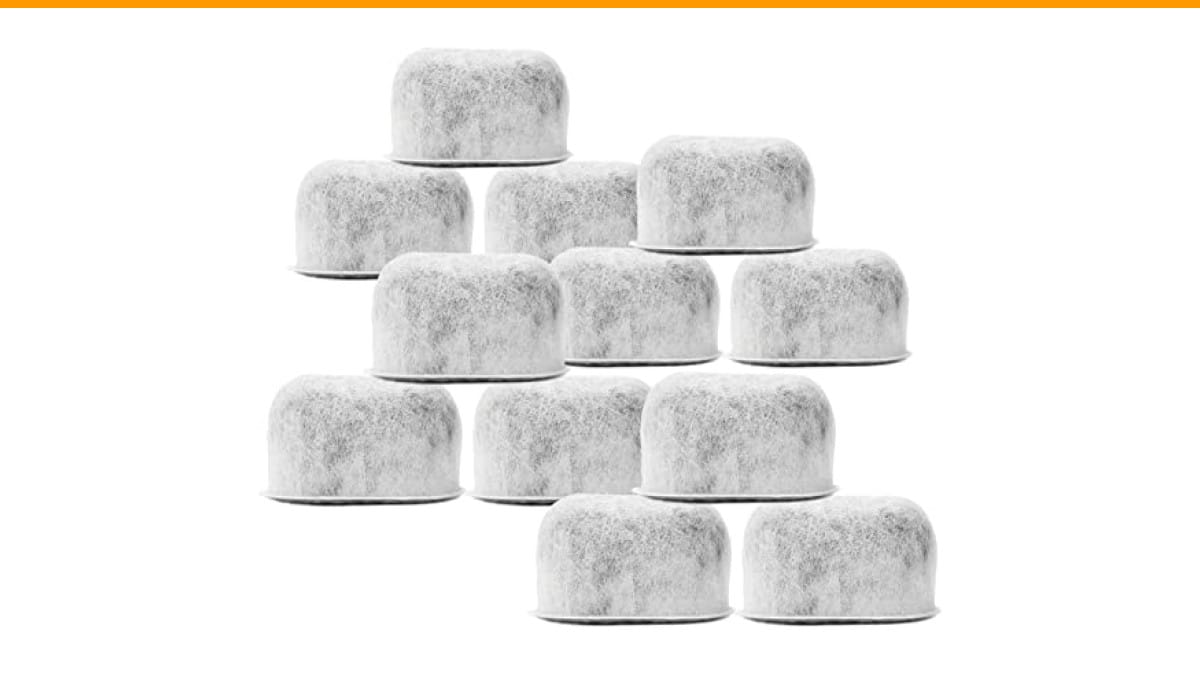
12 Pack Replacement Charcoal Water Filters for…
- ENJOY THE DELICIOUS TASTE AND AROMA OF BREWED COFFEE - Removes chlorine, odors, calcium, and other water impurities prior to brewi…
- COMPATIBLE WITH CUISINART COFFEE MAKERS – Specially designed for Cuisinart coffeemakers, these set of charcoal filter refills will…
- EASY TO INSTALL – Not only will these filters provide a less expensive way for you to enjoy delicious coffee, but they are also ve…
As an Amazon Associate I earn from qualifying purchases.
This guide breaks down the exact materials inside those filters, how each one works, and why the replacement schedule matters more than you think. You’ll also learn how to pick the right filter for your machine and what happens if you skip it.
If you own a Cuisinart brewer, a coffee machine maintenance routine should start with a fresh filter. The BRENSTEN 12-pack charcoal water filters are a direct replacement for Cuisinart models and use the same activated carbon technology described below.
The Core Material: Activated Carbon
Nearly every coffee machine water filter on the market uses activated carbon as the main filtering agent. That includes the little flat discs in Cuisinart brewers, the cylindrical cartridges in some Technivorm units, and the puck-style filters in many espresso machines.
Activated carbon starts as a raw material with high carbon content, usually coconut shells, wood, or coal. The material goes through a process called activation. Steam or hot gas is applied at extremely high temperatures, which opens up millions of tiny pores in the carbon structure. A single gram of activated carbon can have a surface area of over 500 square meters. That porous structure is what traps impurities.
Water passes through the filter, and the carbon acts like a sponge. Chlorine molecules stick to the carbon surface through a process called adsorption. The contaminants are physically trapped in the pores while the water continues through. This is why the filter stops working after a few weeks. The pores fill up, and there’s no more room to trap anything.
You’ll also see the term charcoal used interchangeably with carbon. They’re the same thing in this context. The BRENSTEN filters for Cuisinart machines use activated carbon, which is why they remove chlorine and odors effectively.
Beyond Carbon: Ion Exchange Resin
Activated carbon handles chlorine and organic compounds, but it doesn’t do much about hard water minerals. That’s where ion exchange resin comes in.
Some filters, especially those designed for espresso machines, include a small amount of ion exchange resin mixed with the carbon. The resin contains sodium ions loosely attached to its structure. As hard water passes through, calcium and magnesium ions swap places with the sodium ions. The calcium and magnesium stay trapped in the resin, and the water comes out softer.
This matters for two reasons. First, softer water produces better coffee extraction. Hard water makes it harder for the coffee grounds to release flavor compounds evenly. Second, less scale means fewer internal mineral deposits. Your boiler and heating element last longer, and you spend less time descaling your coffee machine.
Not every filter includes ion exchange resin. The basic carbon-only filters, like the ones in many drip machines, don’t soften water at all. They only remove chlorine and taste issues. If you live in an area with very hard water, you need a filter with resin or a machine that includes it.
The Housing and Structural Materials
The carbon and resin are the active ingredients, but they need something to hold them together. The housing material depends on the filter shape and the machine brand.
Most flat disc filters, like the Cuisinart style, are made of a plastic mesh or a non-woven fabric shell. The shell holds the carbon granules in place while allowing water to flow through. The plastic is food-grade polypropylene in most cases. It doesn’t react with water and won’t leach chemicals at normal brewing temperatures.
Some filters use a paper or cellulose outer layer instead of plastic. These are less common and usually found in older or budget machines. Paper filters work fine, but they degrade faster and can tear if you handle them roughly.
The cylindrical cartridge filters, often found in European machines, use a rigid plastic housing with a threaded cap. Inside, the carbon is packed tightly with a small foam pad on each end to keep granules from escaping. The foam is typically polyurethane or polyethylene.
One thing to check when buying replacements: the dimensions. The BRENSTEN filters measure about 1-7/8 by 3/4 by 1 inch, which matches the standard Cuisinart slot. A filter that’s too thick won’t seat properly, and water will flow around it instead of through it. That defeats the whole purpose.
How Long Do These Materials Last?
The activated carbon in a coffee machine filter has a finite lifespan. Most manufacturers recommend replacement every 30 days or every 60 brew cycles, whichever comes first. The BRENSTEN filters follow that same 30-day guideline.
That schedule isn’t arbitrary. After about four weeks of regular use, the carbon pores are mostly saturated. The filter stops removing chlorine, and the water passing through starts tasting flat or even slightly off. Some filters also become a breeding ground for bacteria once they’re exhausted, since the trapped organic material sits in a warm, damp environment.
Hard water shortens filter life considerably. If your water measures above 180 parts per million of dissolved minerals, the carbon clogs faster and the ion exchange resin exhausts quicker. In that case, replace every two to three weeks instead of monthly.
You can also tell a filter is done by the taste. Brew a cup with the filter, then brew one with the filter removed. If you can’t tell the difference, the filter is exhausted. If the filtered cup tastes noticeably cleaner, it’s still working.
Filter Types Compared
| Filter Type | Core Material | Removes | Typical Lifespan | Common Machines |
|---|---|---|---|---|
| Flat disc | Activated carbon granules in plastic mesh | Chlorine, odors, some sediment | 30 days | Cuisinart, Mr. Coffee, many drip brewers |
| Cylindrical cartridge | Activated carbon with ion exchange resin | Chlorine, odors, calcium, magnesium | 2-3 months | Technivorm Moccamaster, Breville, some espresso machines |
| Puck style | Compressed carbon block | Chlorine, odors, fine particulates | 60-90 days | La Marzocco, commercial espresso machines |
| Inline filter | Granular activated carbon in a rigid housing | Chlorine, sediment, some heavy metals | 6 months | Plumbed espresso machines, commercial setups |
The flat disc is the most common in home drip machines because it’s cheap and easy to replace. The inline filters are overkill for a countertop brewer but essential for a plumbed espresso machine. If you’re deciding between a carbon-only filter and one with resin, go with the resin version if your tap water is hard. The extra cost is worth the reduction in scale buildup.
Does the Filter Material Affect Coffee Taste?
Yes, and the difference is measurable. Chlorine in brewing water reacts with coffee compounds and produces a medicinal, plastic-like flavor. Removing the chlorine lets the natural sweetness and acidity of the beans come through.
Calcium and magnesium are actually beneficial for coffee extraction in small amounts. They help pull flavor compounds out of the grounds. But too much of either creates a harsh, bitter cup and leaves scale on your heating element. The ideal water for coffee has a total dissolved solids level between 150 and 300 parts per million. Most tap water either exceeds that or contains enough chlorine to ruin the flavor.
A good carbon filter brings your water back into that range. It doesn’t strip everything out, which is actually a good thing. Distilled or reverse osmosis water is too aggressive for coffee and produces a sour, thin cup. The filter isn’t trying to make pure water. It’s trying to make balanced water.
If you’re troubleshooting a machine that isn’t brewing correctly, a clogged filter can reduce water flow. That’s a common cause of coffee maker not pumping water issues. Check the filter first before taking the machine apart.
Installation and Replacement Tips
Installing a flat disc filter is straightforward. Rinse it under running water for about 15 seconds to remove loose carbon dust. Then soak it in a small bowl of water for five minutes. This primes the carbon and ensures the filter is fully saturated before you use it.
Place the filter in the holder inside the water reservoir. The holder is usually a small plastic basket near the bottom. Push the filter down until it snaps into place. If the filter floats or sits crooked, it’s not seated properly.
For cylindrical cartridges, check the flow direction. Most have an arrow or marking indicating which end goes up. Installing it backwards restricts water flow and can strain the pump.
Set a reminder on your phone when you install a new filter. Thirty days goes by faster than you think, and an exhausted filter is worse than no filter at all. If you use a machine daily, mark the date on the filter with a permanent marker.
Does a coffee machine water filter remove limescale?
Only if it contains ion exchange resin. Carbon-only filters do nothing for limescale. If you have hard water and want to prevent scale, look for a filter with resin or use a descaling solution regularly. A carbon filter removes chlorine and odors but leaves calcium and magnesium in the water.
Can you wash and reuse a coffee filter?
No. Once the carbon pores are full, rinsing doesn’t restore them. The trapped contaminants stay trapped, and the filter can’t adsorb anything new. Reusing an exhausted filter just lets water pass through without any treatment. Some people try to dry them out and store them, but the carbon is already spent.
What happens if you don’t use a water filter in a Cuisinart?
The machine still brews coffee. The filter is optional in most models. But your coffee will taste flatter and more bitter due to chlorine and minerals. Over time, hard water scale builds up on the internal heating element, which reduces efficiency and can eventually cause the machine to fail. The filter is cheap insurance compared to replacing a brewer.
Are all charcoal filters the same size?
No. Sizes vary significantly by brand and model. Cuisinart uses a small flat disc, while Technivorm uses a much larger cylindrical cartridge. Even within Cuisinart, older models may use a slightly different shape than newer ones. Always check the dimensions before buying. The BRENSTEN filters are sized specifically for Cuisinart machines and won’t fit other brands.
How do you know when to replace the filter?
Follow the 30-day rule for most machines. If you notice a change in coffee taste, that’s a sign the filter is exhausted. Some machines have a filter reminder light, but many don’t. If you have hard water, replace more frequently. If you brew only a few times a week, you can stretch it to six weeks, but no longer.
What to Remember
- Activated carbon is the primary filtering material in almost every coffee machine water filter. It removes chlorine, odors, and some sediment through adsorption.
- Ion exchange resin, found in some filters, softens water by swapping calcium and magnesium for sodium. This prevents scale and improves extraction.
- The housing is food-grade plastic or paper mesh. It holds the carbon in place and doesn’t affect water chemistry.
- Replace flat disc filters every 30 days. Hard water cuts that timeline down to two or three weeks.
- Rinse and soak a new filter before installing it to remove loose carbon dust and prime the material.
- An exhausted filter is worse than no filter. It can harbor bacteria and passes water through without any treatment.
- Check compatibility before buying replacements. Dimensions matter, and a filter that doesn’t seat properly is useless.
Water is 98 percent of your coffee. A ten-cent filter’s worth of carbon is the difference between a mediocre cup and a great one. It’s the cheapest upgrade you can make to your brewing routine.
Products related to this article
Sponsored / affiliate links. As an Amazon Associate I earn from qualifying purchases. I may earn additional commission from eligible campaigns.
 Coffee Espresso Machine Handle Replacement Parts, Cafe Bracket Handle for Lidl Silvercrest CM4621 CM4218 KF5002 KF500S Barista (for 51mm Portafilter Basket - Not included)
 SOLUSTRE Electric USB Coffee Cup Warmer with Temperature Settings Portable Milk and Beverage Heating Coaster for Office Desk Small Lightweight Design Easy to Clean Surface Multi Functional
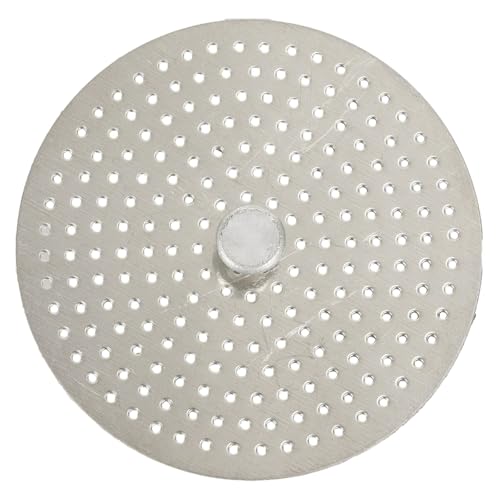 Stainless Steel Moka Pot Coffee Filter Disc for Espresso Brewing, Coffee Maker Replacement Filter Plate for Home Office Coffee Bar Cafe (FOR 4 Cups)