Choose a burr grinder rather than a blade model: set it by brew method, then adjust in small steps until brew time and taste line up. Bad grind size wastes beans, muddies cups, and makes espresso or pour-over frustratingly erratic. This guide covers picking the right grinder, dialing it in on day one, fixing common grind problems, and keeping performance steady with routine cleaning and care.
What makes a coffee grinder worth buying?


A grinder is worth buying because particle uniformity changes extraction speed, body, and clarity more than many home brewers expect. When grounds run too mixed, water over-extracts fines and under-extracts larger pieces in the same brew. That causes cups that taste both bitter and weak, or sour and muddy.
Why grind consistency changes extraction
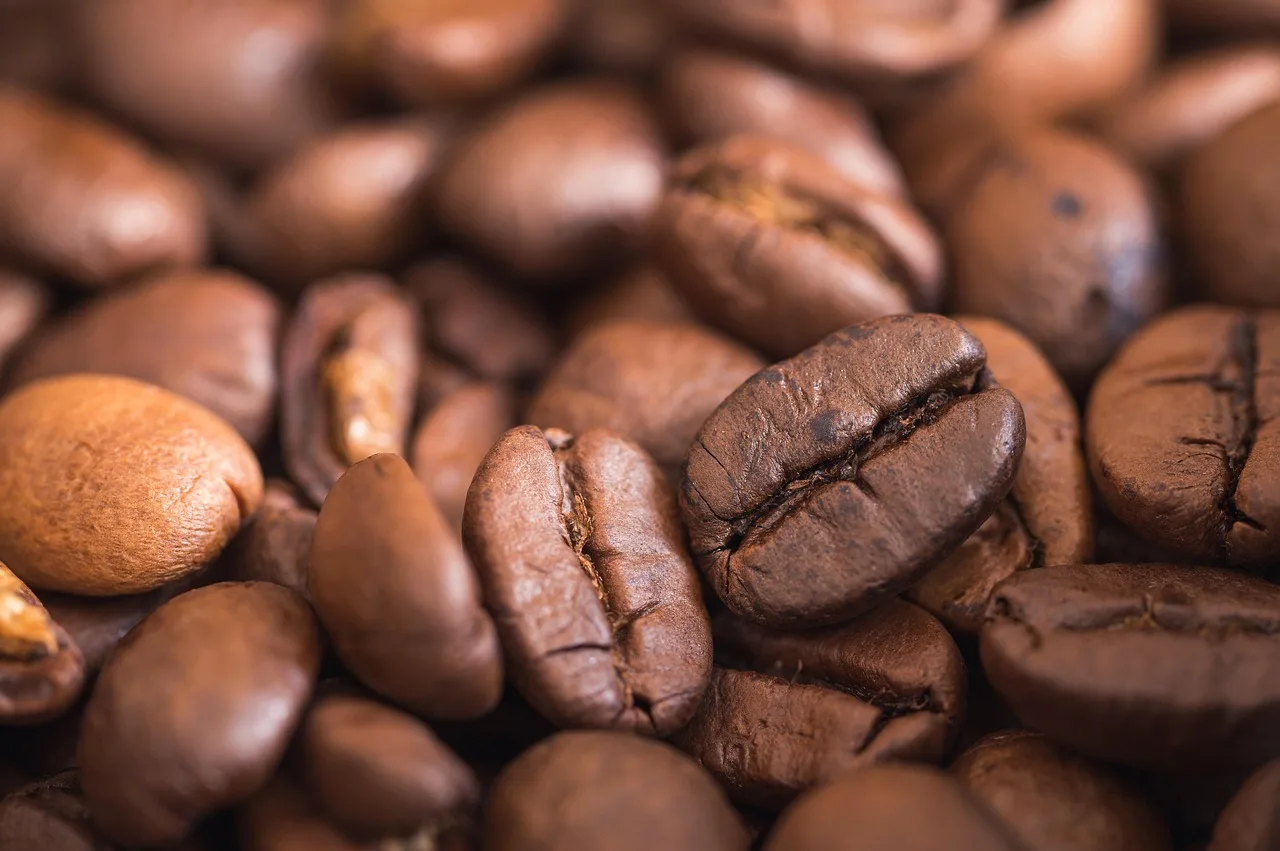
Coffee starts as roasted whole beans, then the grinder breaks them into particles sized for brewing. That much is obvious. What matters for a buyer is particle spread: when the grinder keeps pieces close in size, water moves through the bed more evenly and the cup gets easier to control.
A cheap brewer paired with a steady grinder can make balanced coffee. An expensive brewer paired with erratic grounds often cannot. I have seen this in home setups for years, especially with espresso, pour over, and moka pot, where grinder upgrades usually beat brewer upgrades.
Consumer Reports says the best grinders deliver a consistent grind. It also rates grinders on medium, fine, and coarse grind performance, along with convenience, ease of cleaning, and noise. Those are the right priorities for home use because good cups depend on repeatable output, then on living with the machine every day. (consumerreports.org)
When a grinder upgrade matters more than a brewer upgrade
The biggest gains show up when a home setup has one of these patterns: a blade grinder paired with any brewer, an entry-level burr grinder struggling at fine settings, or a machine that produces static, clumps, and heavy fines buildup. In those cases, changing the grinder often improves flavor more than changing the brewer.
Espresso beginners notice this fast. So do pour-over drinkers chasing clean cups. French press drinkers can tolerate more particle spread, but even there, too many fines make sludge and bitterness hard to avoid.
Who will notice the biggest difference at home
Espresso users need the most from a grinder: fine adjustment, repeatability, and low clumping. Pour-over drinkers notice grind quality in clarity and flow rate. Apartment dwellers notice noise. Travelers and office brewers care more about portability, hand power, and easy cleanup.
Coffee is usually served hot, although chilled or iced coffee is common. The beverage can be prepared as espresso, French press, caffè latte, or canned coffee. Different drinks ask different things from the grinder, so “worth it” depends on how the coffee is brewed and how often settings need to change.
📊 Coffee grows in more than 40 countries around the world. Source: What is coffee? – NCA.
How much grinder capacity do you actually need?
For most home brewers, the right grinder size is the one that matches your usual dose, not the biggest hopper you can find. The supporting guide explains how to estimate capacity from your brew method, whether you make one cup at a time or batch-grind for several servings, and how capacity affects freshness and dose consistency.
That matters because beans left sitting in a large hopper can lose flavor faster and make your morning routine less precise. If you’re deciding between a compact manual grinder and a larger electric model, the coffee grinder capacity article helps you choose a size that fits your household, your brewing style, and how often you grind.
Choosing Between a Separate Espresso Grinder and a Built-In One
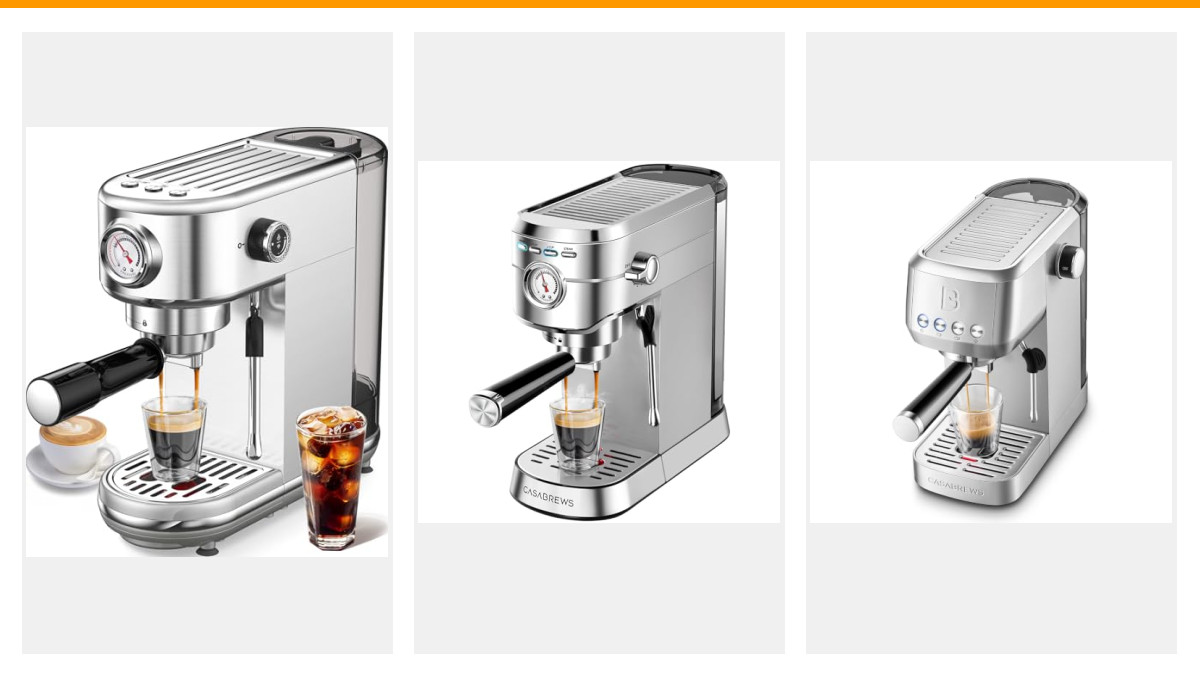
If you’re setting up home espresso, the biggest choice is whether to buy a dedicated grinder or rely on an espresso machine with a built-in grinder. The supporting guide breaks down the practical tradeoffs: grind consistency, speed, counter space, cleanup, upgrade flexibility, and how each option affects shot quality. In short, a separate grinder usually gives you more control and better long-term results, while an all-in-one machine can simplify a small kitchen.
That comparison matters because espresso is sensitive to small grind changes. If you want a deeper look at the pros and cons before you buy, this home espresso grinder guide explains which setup fits different budgets and workflows.
When an Espresso Grinder Is the Better Buy
If you pull espresso regularly, the supporting guide explains why an espresso-capable burr grinder is often the safer choice: it gives you the tighter, more repeatable grind control needed for consistent 18–22 g shots. It also shows when a general burr grinder is enough for drip, pour-over, or French press, so you don’t overspend on features you won’t use.
The article breaks down the practical differences, including shot consistency, single-dosing, and tighter espresso dialing, then helps you decide with a simple rule set. If you’re torn between options, the espresso grinder comparison makes the tradeoff clear before you buy.
Which type of coffee grinder fits your brewing style?
The right grinder type depends on brew method, how much motor noise you can live with at home, and how much control you need over grind changes. Burr grinders produce a tighter particle spread than blade models, while manual grinders trade speed for quiet use and easy packing in a bag. Electric grinders make sense for repeated daily doses, shared kitchens, and larger batches.
Burr grinder vs blade grinder
A blade grinder cuts beans with a spinning blade. That cutting action is why it costs less up front, but it also produces a wide mix of dust-like fines and larger chunks. The result is more uneven extraction risk, especially in espresso, pour over, and moka pot.
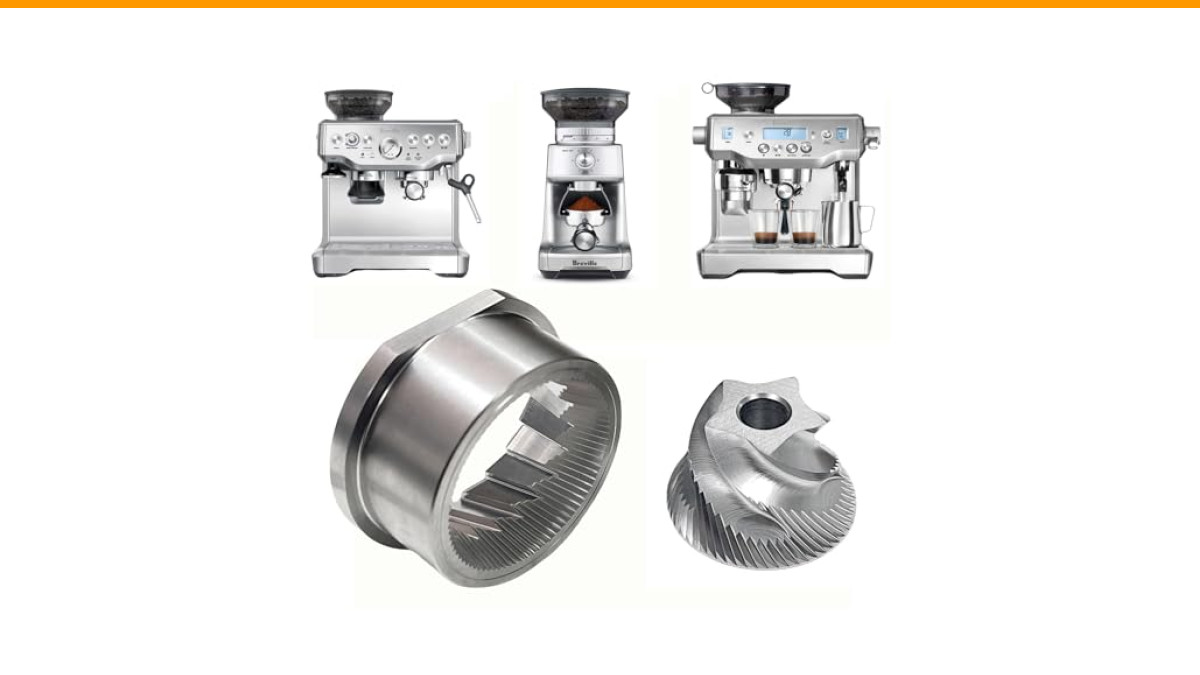
A burr grinder crushes beans between two burrs set at a chosen distance. That gives far better grind consistency. If flavor consistency matters, burrs win. Blade grinders are acceptable for occasional cold brew, basic drip, or emergency use when budget is tight and cup precision is secondary.
Blade grinders also build heat quickly during longer runs. They can still make drinkable coffee, but they are a rough tool. For anyone brewing most days, a basic burr grinder usually saves beans and frustration.
Manual grinder vs electric grinder
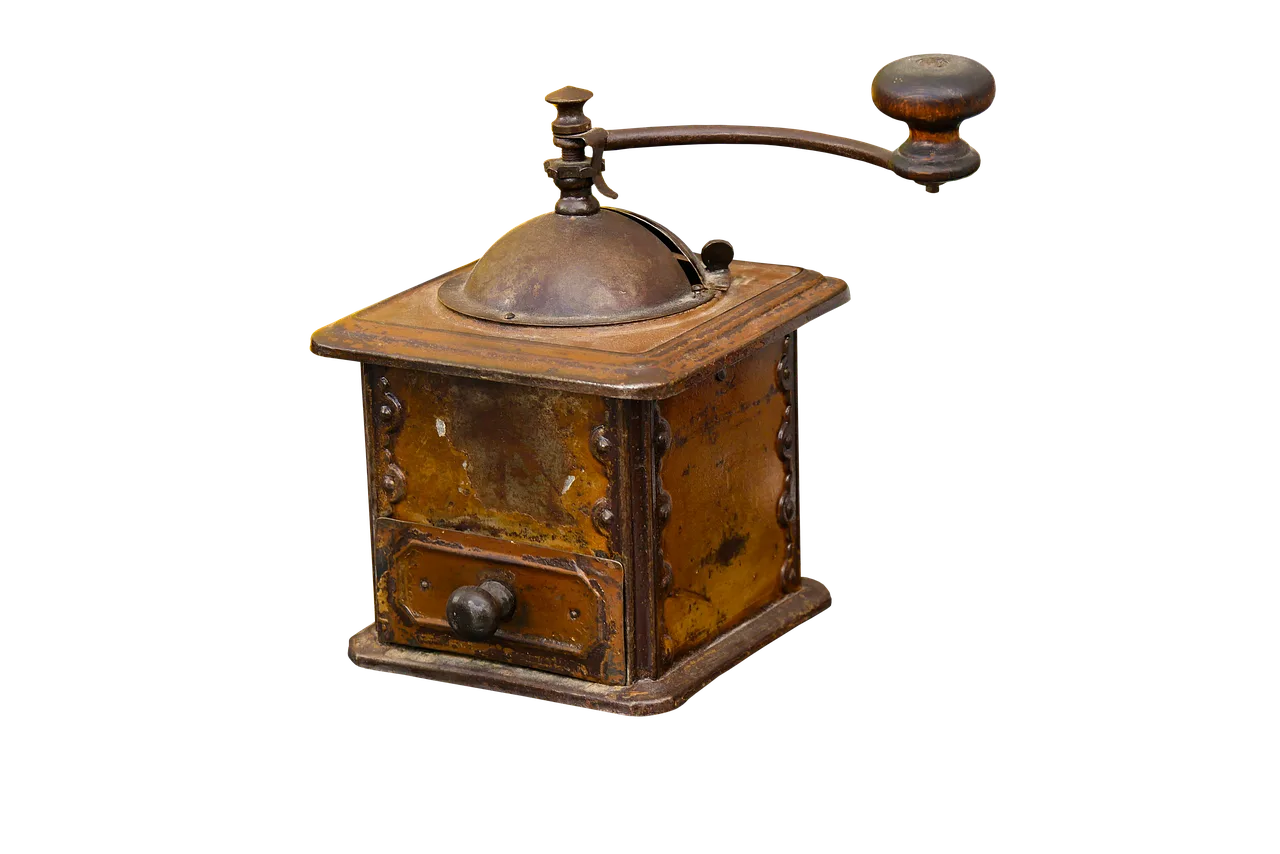
Manual grinders are hand-powered, portable, and usually quieter. They suit travel, small kitchens, and early-morning use in apartments. Many also offer a surprisingly broad grind adjustment range, though switching between espresso and French press can take patience.
Electric grinders grind a morning dose in seconds and make back-to-back batches far easier than hand cranking each one. I find them best for homes making several cups a day, people filling a drip brewer before work, and anyone who wants repeatable dosing without arm effort. The tradeoffs are counter footprint, motor noise, and, on some models, more retention in the chute.
Conical burrs vs flat burrs
Conical burr grinders are common at home because they are often easier to live with: lower noise, simpler burr removal, and forgiving workflow. Consumer Reports lists conical burr models such as Baratza Encore and Breville Smart Grinder Pro, and recently tested grinders including Bodum Bistro and Capresso Infinity.
Flat burr grinders often appeal to users who care about tighter grind distribution and repeatability, especially at fine and medium-fine settings. In practice, home buyers should focus less on burr shape alone and more on how well the grinder performs at the specific range they use most.
Cleaning needs differ. Some conical sets are quicker to access. Some flat-burr chambers collect more retained grounds around the exit path. Noise level can differ too. If the grinder will run before sunrise in a small apartment, that matters almost as much as cup quality.
How should you choose a grinder for your brew method and budget?
Choose by the finest grind the brewer needs, then by repeatability, noise, and cleaning effort. Espresso demands much tighter control than French press. Buyers on a budget should avoid paying for unused features, but should not ignore coarse performance, retention, or burr quality if daily consistency matters.
Espresso needs: fine adjustment, repeatability, and clump control
Espresso is often the most demanding brew for a grinder. It needs fine grinding, small adjustment steps, and output that does not arrive in damp-looking clumps or fluffy piles full of static. A grinder that drifts, stalls, or sprays fines makes dialing in slow and expensive.
For espresso beginners, this is where the grinder can matter more than the machine. A modest machine can still produce solid shots if the grinder delivers repeatable grounds. A weak grinder leaves channeling, choked shots, and sour-fast extractions even when the machine is fine.
Drip, pour over, and moka pot needs
These methods need range more than microscopic control, though pour over and moka pot still punish sloppy particle spread. Look for steady medium and medium-fine performance, low retention when changing coffees, and a workflow that makes small setting moves easy to repeat.
Consumer Reports evaluates convenience, ease of cleaning, and noise for good reason. A grinder that leaves stale grounds in the chute or roars through a thin apartment wall becomes tiring, even if the burrs are decent.
French press and cold brew needs
French press and cold brew generally benefit from consistent coarse performance. Cheap grinders often look acceptable at coarse settings until the cup shows the problem: too many fines sinking into the press or turning cold brew murky. Easy cleaning matters here because coarse users often buy darker, oilier beans.
Budget tradeoffs, replacement cycles, and apartment-friendly picks
Entry-level burr grinders usually fall short at one of three points: fine adjustment, particle spread at coarse settings, or mess control from static and retention. If the main goal is espresso, saving longer for a grinder with repeatable fine settings is usually smarter than stretching the budget toward a fancier machine.
For drip-only homes, a basic burr grinder can be enough for years if the burrs stay sharp and the chamber stays clean. For apartment dwellers, quieter manual grinders or lower-noise conical burr models often make more sense than a loud motorized unit with extra features that rarely get used.
How do you choose a grinder for camping?
The right camping grinder depends on how you travel: backpackers usually need the lightest compact hand grinder, car campers can prioritize speed or convenience, and group trips may justify a larger-capacity option. The supporting guide breaks down those tradeoffs so you can match the grinder to your brew method, pack space, and power access instead of buying a model that is too bulky or too slow.
It also explains which features matter most outdoors, such as grind consistency, portability, and battery life, so you can avoid uneven grounds and wasted setup time. For a practical breakdown by trip type, see camping coffee grinders.
How do you set a coffee grinder for the first time?
Set a grinder for the first time by confirming the burrs are installed correctly, finding the zero point or factory baseline, choosing the right range for the brew method, and brewing a test batch. Then adjust 1-2 clicks at a time until flavor, flow, and texture agree with each other.
Check burr installation, zero point, and factory setting
Start with an empty grinder. Make sure the burr carrier is seated correctly, the hopper is locked, and the adjustment collar moves cleanly through its range. If the grinder has a marked zero point, note it. If it uses a factory setting, write that down before changing anything.
This matters because some grind problems are setup mistakes, not burr problems. A top burr seated slightly off can create immediate boulders, scraping noises, or erratic flow.
Start with the right grind range for the brew method
Use brew method to pick the first range. Espresso usually starts at a fine setting. Moka pot often lands around a medium-fine setting. Drip is typically set around medium. Pour over sits between medium-fine and medium depending on brewer and filter. French press is typically set coarse. Cold brew is often set very coarse.
Do not trust the printed numbers on a dial as universal. One grinder’s “15” can be another grinder’s “8.” The correct setting is the one that brews correctly with that grinder, that coffee, and that brewer.
Run a test dose, brew, taste, and adjust
- Grind a small test dose at the starting setting.
- Look at the grounds before brewing. Check for clumps, dust, and obvious large chunks.
- Brew as usual, without changing dose or water.
- Taste and watch the brew behavior.
- If the cup is sour, thin, or runs too fast, grind finer.
- If it is bitter, harsh, muddy, or flows too slowly, grind coarser.
- Repeat in 1-2 click moves until the cup steadies.
How to record settings so results repeat
Keep a simple log with bean name, roast level, brew method, grinder setting, and result. Fresh beans shift as they rest. Darker beans can feed differently than lighter ones. Notes stop the process from restarting every bag.
What grind size should you use for each brewing method?
Use fine grounds for espresso, medium-fine to medium for moka pot and most pour over, medium for drip, coarse for French press, and extra coarse for cold brew. Treat those as starting textures, not fixed numbers, because grinders vary and beans change how water moves.
Espresso and moka pot
Espresso needs a fine grind. It should feel powdery but still flow, not pack into brick-like clumps. If shots gush, go finer. If they choke, go coarser. Moka pot usually works better a little coarser than espresso, around medium-fine, to avoid bitterness and blocked flow.
Drip and pour over
Drip usually lands at medium. Grounds should look like even granules, not dust and pebbles mixed together. Pour over often likes medium-fine to medium depending on brewer shape, filter speed, and coffee. If drawdown drags and the cup tastes dull, go coarser. If it races and tastes sharp, go finer.
French press and cold brew
French press wants coarse grounds that hold back sludge without turning the cup weak. Cold brew goes even coarser to limit fines during long contact. If either drink tastes muddy, check for fines buildup before assuming the setting alone is wrong.
How do you diagnose bad grind output and fix it?
Bad grind output usually shows up as fines, boulders, static, clumping, retention, or a sudden change in grinder sound. The fix depends on the symptom. Some problems come from the setting, others from stale residue, dull burrs, oily beans, poor burr seating, or beans that are very fresh.
Too many fines, boulders, or uneven particles
Too many fines make French press muddy, pour over slow, and espresso bitter at the edges. Too many boulders cause weak body and sourness. When both show up together, suspect a blade grinder, worn burrs, loose burr seating, or a grinder being pushed beyond its best range.
If this appears suddenly, clean first. Old coffee packed behind burr teeth changes the cutting path. If it has always been there, the grinder may simply be outclassed for that brew method.
Static, clumping, and retention in the chute
Static makes grounds jump onto the counter and cling to the bin. Clumping makes espresso prep inconsistent. Retention leaves old coffee in the chute, so the next dose tastes stale. Dry air, very fresh beans, dark oily roasts, and dirty exits all make these issues worse.
Brush the chute. Clear the exit path. Keep the catch cup dry and clean. If clumping persists mainly at fine settings, break up the grounds before brewing and consider whether the grinder is suitable for espresso at all.
Noisy grinding, slow grinding, or a grinder that suddenly struggles
A grinder that suddenly gets louder, slower, or harsher usually needs cleaning before anything else. Beans may be feeding poorly because oily residue has coated the burr chamber. A foreign object can also cause sharp mechanical noise. Stop the grinder and inspect it before running more coffee through.
Noise level also matters at purchase time. Some motors produce a high, sharp sound that feels much louder in a small kitchen than on paper. Shared homes should treat noise as a real buying filter, not an afterthought.
What bean freshness and roast level change at the grinder
Coffee beans are seeds from coffee cherries, and arabica and robusta are the two most commonly grown coffee bean types. That matters less here than roast level and freshness. Lighter roasts often grind differently from dark roasts. Oily dark beans can leave more residue. Very fresh coffee can produce more gas, shifting flow and extraction. (en.wikipedia.org)
Storage affects grind behavior too. Beans held open to air stale faster and brew flatter. Grounds stale even faster than whole beans, which is one reason home grinding matters.
How do you clean and care for a coffee grinder?
Clean a coffee grinder on a repeating daily, weekly, and monthly schedule so old grounds, oil, and burr dust do not change flavor or grind shape. Most home grinders need quick brushing after use, deeper burr access each week, and a fuller teardown and inspection each month.
Daily, weekly, and monthly maintenance schedule
Daily: empty the catch cup, brush loose grounds from the chute and lid, and wipe away visible residue. Weekly: remove accessible burr parts, brush the burr teeth, and clean the hopper. Monthly: inspect the burr edges, clear packed residue from hidden corners, and confirm safe reassembly.
If darker oily beans are used often, the grinder may need that deeper cleaning sooner. Oil film changes flavor fast. It also makes grounds stick where they should fall cleanly.
Brush cleaning, burr removal, and oily residue cleanup
- Unplug electric grinders or fully empty manual grinders.
- Remove beans from the hopper.
- Take off the hopper and any burr parts the maker allows users to remove.
- Brush out loose grounds from the burr teeth, chamber, chute, and cup.
- Wipe oily residue from the hopper and reachable plastic or metal surfaces.
- Clear compacted coffee from corners and exit paths.
- Reassemble carefully and check that the burr carrier seats correctly.
- Grind a small sacrificial dose before brewing the next cup.
When burrs need replacing or realignment
Burr wear shows up as slower grinding, more fines, more boulders, and a need to chase settings bag after bag. Misalignment often shows up as one-sided wear patterns, rubbing sounds, or sudden inconsistency after cleaning and reassembly. If basic cleaning does not restore output, inspect burr fit before assuming the beans changed.
Storage habits that help beans and grinder parts
Store beans sealed, away from heat and light, and only fill the hopper with what will be used soon. Leaving beans in the hopper for long stretches invites stale aroma and more residue. A clean, dry hopper and a mostly empty chamber age better than a permanently loaded grinder.
Which grinder cleaning tools make maintenance easier?
If your grinder is tasting stale or leaving grounds behind, the most useful add-ons are simple cleaning tools that target the mess, not the machine itself. The grinder cleaning accessories article breaks down the three basics: a soft brush for burrs and chutes, cleaning tablets for oily residue, and a small air blower for dust in hard-to-reach spots. Together, they help reduce flavor transfer, keep the grind path clearer, and make routine upkeep faster.
That matters because a cleaner grinder can deliver more consistent grounds and fewer surprises from old coffee buildup, especially if you switch beans often or grind daily.
Brewer-by-brewer grinder setup checklist
| Brew method | Target grind texture | Common failure signs | First adjustment to make | Daily care | Weekly care | Monthly care |
|---|---|---|---|---|---|---|
| Espresso | Fine, powdery but still free-flowing | Fast sour shots, choke, channeling, clumps | Move 1-2 clicks finer for fast sour flow; coarser for choke or bitterness | Brush chute and dose cup | Clean burr face and exit path | Inspect burr seating and packed oils |
| Moka pot | Medium-fine | Harsh bitterness, slow blocked brew, weak body | Go coarser if harsh or stalled; finer if thin | Clear catch cup and lid | Brush burrs and hopper | Check for oily residue behind burr carrier |
| Drip | Medium, even granules | Thin cup, bitter finish, messy fines in basket | Finer for weak fast brews; coarser for bitterness and slow drawdown | Brush loose grounds | Clean chute and hopper | Inspect burr edges and retention spots |
| Pour over | Medium-fine to medium | Stalled drawdown, muddy cup, sharp sourness | Coarser for stalls and muddiness; finer for sharp under-extraction | Wipe cup and chute | Brush burr teeth carefully | Clear packed fines from chamber seams |
| French press | Coarse | Sludge, bitterness, weak watery body | Coarser if muddy; finer if hollow | Empty bin fully | Brush coarse residue from burr chamber | Inspect for fines buildup and dull burr signs |
| Cold brew | Extra coarse | Murky concentrate, excess sediment, flat weak extraction | Coarser for sediment; finer if extraction tastes empty | Clean out retained grounds | Wipe hopper if oily beans were used | Deep clean chamber and chute |
Frequently asked questions
What grind size should I use for espresso, drip, French press, or moka pot?
Start fine for espresso, medium for drip, coarse for French press, and medium-fine for moka pot. Then adjust by taste and flow, because grinder dials are not universal. If coffee tastes sour or weak, go finer. If it tastes bitter, muddy, or slow, go coarser.
Burr grinder vs blade grinder: which is better for flavor consistency?
A burr grinder is better for flavor consistency because it produces a much more even particle size. A blade grinder chops beans into mixed dust and chunks, which makes extraction uneven. Blade models fit tight budgets and occasional use, but burr grinders are the stronger long-term buy.
Should I buy a manual coffee grinder or an electric one?
Buy a manual grinder if quiet operation, portability, and small size matter most. Buy an electric grinder if speed, easy dosing, and frequent daily brewing matter more. Espresso drinkers should compare adjustment precision carefully in either type, because convenience means little if settings drift or clump badly.
How often should I clean a coffee grinder?
Clean lightly after daily use, clean the burr area and hopper weekly, and do a fuller inspection monthly. Dark, oily beans may need quicker attention because residue builds faster. If flavor turns stale, static worsens, or the grinder gets louder, clean it before changing settings.
Why does my grinder make inconsistent grounds or too much noise?
Inconsistent grounds often come from dull burrs, poor burr seating, stale residue, or a grinder being used outside its strong range. Extra noise can point to packed coffee oils, a foreign object, or worn parts. Clean first, reassemble carefully, and then check whether the burrs need replacement.
Products related to this article
Sponsored / affiliate links. As an Amazon Associate I earn from qualifying purchases. I may earn additional commission from eligible campaigns.
 Stainless Steel Moka Pot Pressed Powder Tool for 2 4 6 9 Cup Espresso Coffee Brewer(6 Cups)
 Coffee Espresso Machine Handle Replacement Parts, Cafe Bracket Handle for Lidl Silvercrest CM4621 CM4218 KF5002 KF500S Barista (for 51mm Portafilter Basket - Not included)
 VOBAGA Coffee Mug Warmer with 15oz Mug Set, Electric Coffee Cup Warmer