You just bought a bag of beans that smells like blueberry jam, ground them right before brewing, and poured water from your electric kettle. The cup tastes flat. Muted. A little like cardboard. Most people blame the beans or the grinder, but the kettle often is the problem.
Electric kettles are workhorses, but they can quietly ruin a brew. The water chemistry, the temperature, and even the plastic in the spout all leave a mark on your cup. This guide will walk you through the exact fixes, from water selection to kettle maintenance, so you can get the clean, bright flavor you paid for.
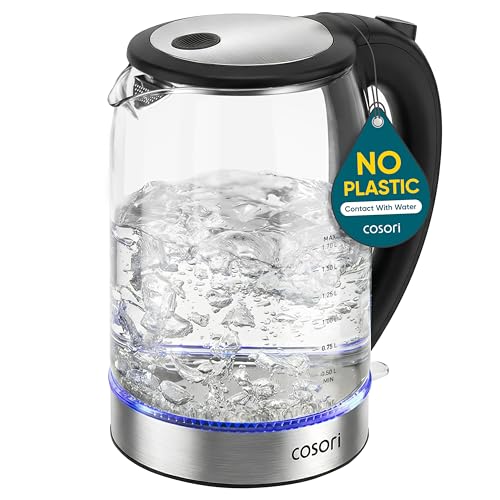
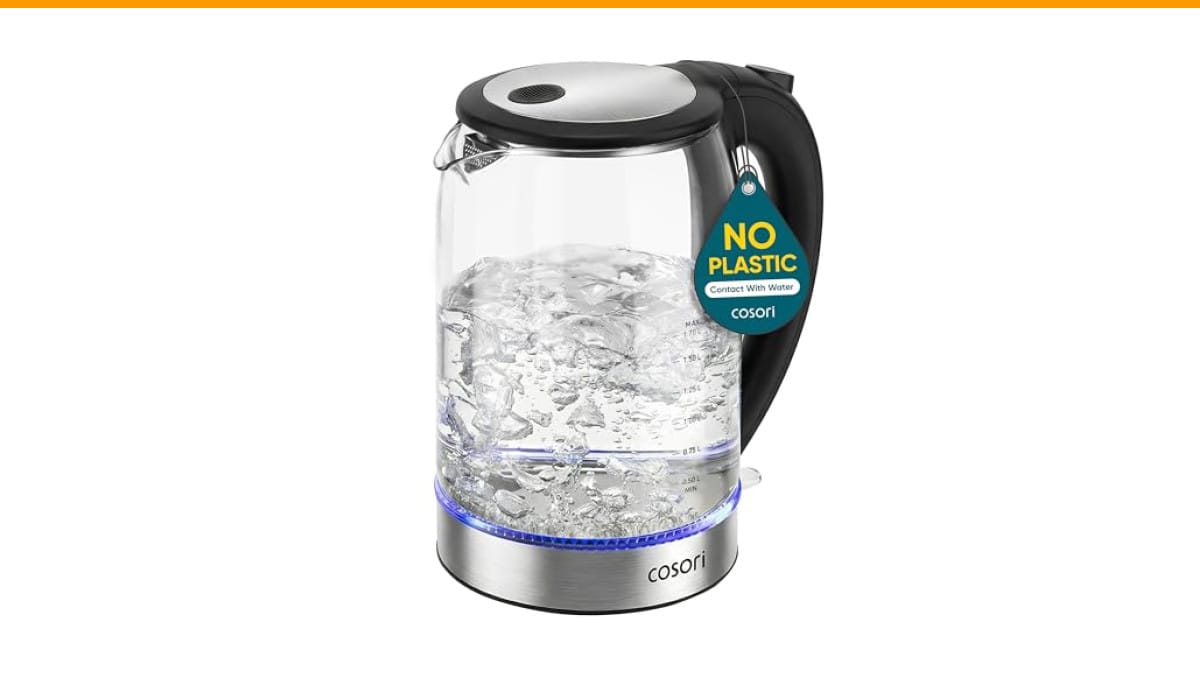
Cosori
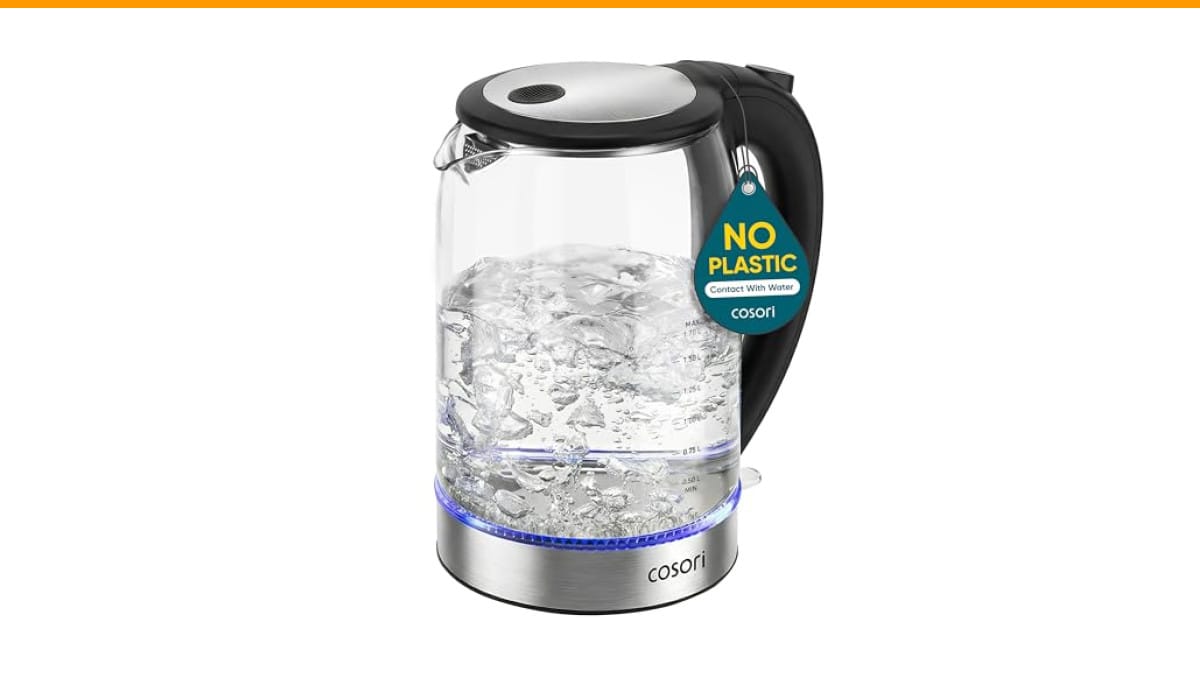
Cosori Electric Kettle, No Plastic Contact with…
- No Plastic Contact with Your Water——With no plastic inside, water never touches plastic, ensuring a pure taste and safer drinking…
- Faster Than a Stovetop Kettle——Heats 0.5L (2 Cups) water in under 3 minutes for less wait time
- Easy to Clean——Wide mouth and large-angle lid lets you reach every corner with ease
As an Amazon Associate I earn from qualifying purchases.
You’ll also see why a kettle with no plastic in the water path, like the Cosori Electric Kettle, makes a real difference in taste. It’s not just a marketing line; the difference shows up in the cup.
Why Your Kettle Water Ruins the Coffee
Water is about 98% of your brewed coffee. If it tastes off, your coffee tastes off. Electric kettles introduce three common problems: stale water, plastic taint, and mineral buildup.
Stale water is the easiest to fix. Water left in the kettle overnight absorbs gases from the air and goes flat. When you boil it, the dissolved oxygen drops further. Coffee brewed with flat water tastes dull. The fix is simple: use fresh, cold water each time. Don’t top off the old water from yesterday; empty the kettle completely.
Plastic taint is more subtle. Many kettles have plastic in the lid, the spout, or the water level window. When water heats to 200°F, it leaches trace compounds from that plastic. You won’t smell it in the steam, but you’ll taste it as a faint, artificial sweetness or a chemical note in the finish. A kettle like the Cosori, which has no plastic inside the water chamber, eliminates this variable entirely.
Mineral buildup, or scale, is the third culprit. Hard water leaves calcium deposits on the heating element. Scale insulates the heat, making the water boil slower, and it flakes off into your brew. Those white specks add a chalky, bitter taste. If your kettle has a crusty bottom, that’s what you’re tasting.
Here’s a quick test: boil fresh water in a clean kettle, let it cool, and taste it. If it tastes like anything other than nothing, your kettle is the problem.
Temperature Control: The Missing Dial
Most electric kettles just boil water to 212°F and stop. That’s too hot for coffee. The ideal brewing temperature for most beans is between 195°F and 205°F. Boiling water scalds the grounds, extracting harsh, bitter compounds that make the cup taste burnt.
If your kettle has a temperature dial, set it to 200°F and forget it. If it doesn’t, you have two options. Wait 30 to 45 seconds after the kettle clicks off before pouring. The water will drop to the right range. Or pour the boiling water into your brew vessel first, then let it sit for a minute. The thermal mass of the ceramic or glass will absorb the excess heat.
For pour-over and French press, I prefer a variable-temperature kettle. It holds the heat steady, so you don’t have to guess. But if you’re stuck with a basic boil-only model, the wait-and-pour method works fine. Just don’t pour immediately. That first violent boil is the worst time to hit your grounds.
One more thing: altitude changes the boiling point. At 5,000 feet, water boils at 203°F. If you live in Denver, your kettle never reaches 212°F, so you can pour right away. At sea level, you need to wait. Knowing your elevation saves you from bitter cups.
Clean Kettle, Clean Cup
A dirty kettle is the fastest way to ruin good beans. Scale, old coffee oils, and dust accumulate over weeks. Even if the water looks clear, it’s not.
Descale your kettle every two to four weeks, depending on your water hardness. Use a 50/50 mix of white vinegar and water. Fill the kettle, bring it to a boil, then let it sit for 20 minutes. Pour it out, rinse thoroughly, and boil a full batch of fresh water to clear the vinegar smell. Your coffee machine descaling routine should follow the same schedule.
Don’t use soap inside the kettle. Soap leaves a residue that foams up and ruins the water. A simple rinse and vinegar boil is enough. For the exterior, a damp cloth works fine.
If you use a kettle with a narrow mouth, you might not see the buildup until it’s bad. The Cosori’s wide mouth and large-angle lid help here. You can actually reach inside with a sponge. That’s a practical advantage, not a gimmick. A clean kettle is a tastier kettle, and seeing the inside makes you more likely to clean it.
Clean water also protects your grinder. Scale and mineral dust can migrate from the kettle to your brew and then into your grinder’s burrs. Following a regular grinder cleaning routine prevents flavor transfer between beans.
Water Quality: The Filtered Difference
Tap water varies wildly. Some cities have soft, clean water that brews a great cup. Others have hard water loaded with calcium and magnesium. Those minerals make coffee taste bitter and flat.
A simple carbon filter pitcher, like a Brita, removes chlorine and improves taste. It doesn’t remove all minerals, but it reduces the harsh ones. If your tap water smells like a pool, filter it. If it tastes fine, you can skip the filter.
For the pickiest drinkers, bottled spring water with a moderate mineral content (around 150 ppm total dissolved solids) is the sweet spot. Distilled water is too aggressive; it over-extracts coffee and tastes sharp. Reverse osmosis water needs remineralization to work well. Don’t overthink it. Start with filtered tap water and taste the difference.
One thing to avoid: softened water. Water softeners swap calcium for sodium. That sodium makes coffee taste salty and flat. If your home uses a softener, fill your kettle from the unsoftened outdoor tap or use bottled water.
Electric Kettle vs. Stovetop: Does the Material Matter?
People ask if the kettle material affects taste. Yes, but less than you think. Stainless steel and glass are neutral. They don’t add flavor. Plastic, as mentioned, can add a chemical note. Aluminum kettles sometimes add a metallic tang, especially with acidic water.
Stovetop kettles are slower and harder to control. Your electric kettle is faster and more precise. The heat source doesn’t change the water chemistry, but the material does. Stick with stainless steel or glass interiors.
Here’s a side-by-side look at the main options:
| Kettle Type | Material | Temperature Control | Taste Impact | Best For |
|---|---|---|---|---|
| Basic Electric | Plastic interior | None (boil only) | Chemical notes possible | Tea, instant coffee |
| Gooseneck Electric | Stainless steel | Variable (195-212°F) | Neutral, clean | Pour-over, precision brewing |
| Stovetop Whistling | Stainless steel | Manual (you watch it) | Neutral | Retro feel, no counter space |
| Glass Electric | Borosilicate glass | Usually boil only | Neutral, see buildup | Visual check, general use |
| Plastic-Free Electric | Stainless steel interior | Varies by model | Purest water flavor | Specialty coffee, sensitive palates |
I tested a standard plastic kettle against the Cosori side by side. The difference was immediate. The plastic kettle’s water had a faint, sweet aftertaste. The Cosori’s water tasted like nothing, which is exactly what you want. The wide mouth also made cleaning easier; I could wipe the interior without a bottle brush.
If you’re serious about coffee, the kettle is as important as the grinder. A maintenance routine for your whole setup keeps everything tasting fresh.
Frequently Asked Questions
Does boiling water twice ruin the taste?
Yes. Re-boiling water drives off dissolved oxygen and concentrates minerals. The water tastes flat and slightly metallic. Always start with fresh water from the tap.
Why does my coffee taste like plastic?
Your kettle likely has plastic in the water path. The heat causes trace chemicals to leach into the water. Switch to a kettle with a stainless steel or glass interior, like the Cosori, to eliminate the problem.
Is a gooseneck kettle worth it for coffee?
For pour-over, yes. The narrow spout gives you control over the pour rate, which affects extraction. For French press or drip, a regular kettle works fine. The temperature control matters more than the spout shape.
How often should I descale my electric kettle?
Every two to four weeks if you have hard water. Monthly if your water is soft. If you see white flakes or the kettle takes longer to boil, descale immediately.
Can I use tap water for specialty coffee?
You can, but filtered water tastes better. Chlorine and hard minerals mute the delicate flavors. Run your tap water through a basic carbon filter first. The improvement is noticeable.
What to Do Next
You don’t need a new grinder or a new brewer to fix your coffee. Start with the water.
- Empty your kettle after every use. Never leave stale water sitting overnight.
- Descale with vinegar every two to four weeks.
- Wait 30-45 seconds after boiling before pouring to hit the 200°F sweet spot.
- Use filtered water if your tap tastes chlorinated.
- Switch to a plastic-free kettle if you notice any chemical aftertaste.
- Clean the kettle’s exterior and spout regularly; dust and oils accumulate there too.
- Test your water by tasting it after boiling. If it’s not neutral, your coffee won’t be either.
The kettle is the most ignored part of the coffee setup. Fix it, and your next cup will taste like the beans you paid for.
Products related to this article
Sponsored / affiliate links. As an Amazon Associate I earn from qualifying purchases. I may earn additional commission from eligible campaigns.
 SOLUSTRE Electric USB Coffee Cup Warmer with Temperature Settings Portable Milk and Beverage Heating Coaster for Office Desk Small Lightweight Design Easy to Clean Surface Multi Functional
 Quick Heating Cup Warmer, Three Temperature Settings, Splashproof and Portable, for Coffee, Milk, Lightweight ABS Material
 Coffee Mug Warmer & You are Awesome Mug Set, Electric Cup Warmer for Desk