Is your coffee machine leaving behind a bitter taste or working slower than usual? That stubborn white buildup, known as limescale, could be the culprit.
Removing limescale is easier than you might think, and doing it regularly can keep your coffee tasting fresh and your machine running smoothly. You’ll discover simple, effective ways to clean your coffee maker so every cup you brew tastes just right.
Ready to bring your coffee machine back to life? Let’s dive in.
Credit: www.cafedumonde.co.uk
Causes Of Limescale Buildup
Limescale buildup in coffee machines happens over time. It results from minerals in water. These minerals stick to the machine’s heating parts and pipes. The buildup can cause issues with your coffee maker. Knowing what causes limescale helps prevent and remove it effectively.
Role Of Hard Water
Hard water contains high levels of minerals like calcium and magnesium. These minerals do not dissolve easily in hot water. When water heats up inside the coffee machine, minerals start to settle. They form a hard, chalky layer called limescale. The more hard water you use, the faster limescale forms.
Impact On Coffee Flavor And Machine Performance
Limescale affects the taste of your coffee. It can add a bitter or metallic flavor. The buildup also blocks water flow inside the machine. This makes brewing slower and less efficient. Over time, limescale can damage the heating element. Your coffee machine may stop working properly or break down completely.
Signs Your Coffee Machine Needs Descaling
Knowing the signs that your coffee machine needs descaling helps keep your coffee fresh. Limescale builds up over time. It can block water flow and damage the machine. Catching these signs early saves repair costs and keeps coffee tasting great.
Slow Brewing And Reduced Temperature
Brewing takes longer than usual. Water moves slowly through the machine. The coffee drips or pours less quickly. Hot water may not reach the right temperature. Drinks might feel lukewarm instead of hot. These signs mean limescale is blocking pipes and heating parts.
Unusual Noises And Taste Changes
The machine makes strange sounds during use. You might hear bubbling, gurgling, or grinding noises. Coffee tastes bitter or flat. The flavor feels off or weak. These changes often come from limescale affecting water flow and heating. Descaling can restore the machine’s normal sound and taste quality.
Natural Remedies For Limescale Removal
Limescale buildup harms coffee machines and affects taste. Natural remedies offer safe, effective ways to clean your machine. These methods use simple household items. They remove limescale without harsh chemicals. Your coffee maker stays clean and works well longer.
Using White Vinegar
White vinegar is a popular natural cleaner. It breaks down limescale quickly. Mix equal parts white vinegar and water. Pour this solution into the coffee machine’s water tank. Run a brewing cycle without coffee grounds. Stop halfway and let it sit for 30 minutes. Then finish the cycle. Rinse the tank with fresh water. Run two more cycles with just water. This removes vinegar taste and residue.
Lemon Juice Method
Lemon juice contains natural acid that fights limescale. Fill the water tank with half lemon juice and half water. Run a full brewing cycle. Let the solution soak inside for 20 minutes. Run another cycle with fresh water only. Repeat rinsing with clean water two times. This clears lemon smell and leftover acid. Lemon juice also leaves a fresh scent.
Commercial Descaling Products
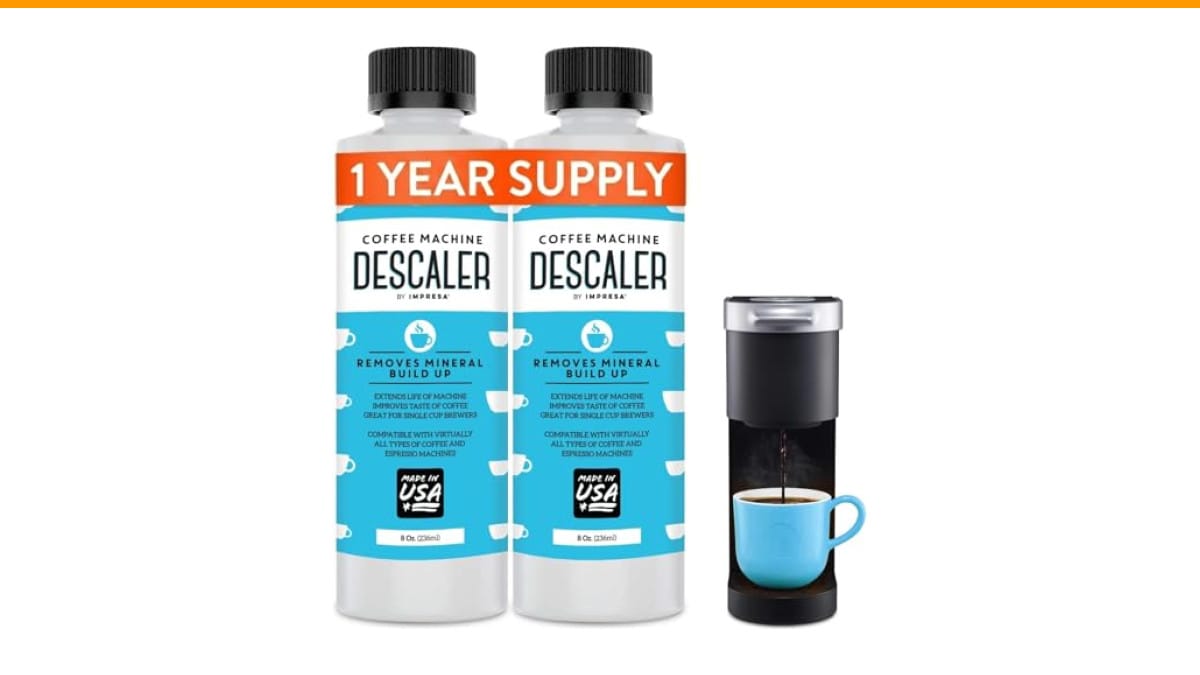
Commercial descaling products help remove limescale from coffee machines. They work faster than homemade solutions. These products dissolve the hard mineral deposits inside your machine. Using the right product keeps your coffee tasting fresh and your machine running well.
Choosing The Right Descaler
Pick a descaler made for coffee machines. Check the label to ensure it matches your model. Some products are safe for all machines. Others are specific to espresso makers or drip coffee machines. Choose one that is gentle but effective. Avoid harsh chemicals that can damage parts.
Safety And Usage Tips
Follow the instructions on the descaler package. Use gloves to protect your hands from chemicals. Run the descaling cycle exactly as directed. Rinse the machine thoroughly afterward to remove any residue. Keep the area well-ventilated during use. Store the product out of reach of children and pets.
Step-by-step Descaling Process
Removing limescale from your coffee machine keeps it working well and tastes great. Follow these simple steps to descale your machine safely. The process is easy and quick. Regular descaling helps your machine last longer.
Preparing Your Machine
Turn off and unplug your coffee machine. Empty the water tank and remove any coffee pods or filters. Fill the tank with a descaling solution or a mix of white vinegar and water. Use equal parts to ensure good cleaning. Check the user manual for specific instructions.
Running The Descaling Cycle
Turn your machine back on. Start the brewing cycle without adding coffee. Let the descaling solution run through the machine. This cleans the internal parts and removes limescale. Repeat the cycle if needed for heavy buildup. Follow your machine’s guide for cycle length.
Rinsing And Final Checks
After descaling, empty the water tank. Fill it with fresh, clean water. Run several cycles with just water to rinse out any leftover solution. Wipe the machine’s exterior with a damp cloth. Check for any remaining limescale or residue inside. Your coffee machine is now clean and ready to use.

Credit: www.amazon.com
Preventing Future Limescale Buildup
Limescale buildup can harm your coffee machine and affect taste. Preventing it helps keep your machine working well. Small steps can stop limescale from forming inside your machine.
Keep your coffee machine clean and use the right water type. These habits extend the machine’s life and improve your coffee’s flavor.
Regular Cleaning Schedule
Clean your coffee machine often. Follow the manufacturer’s guide for descaling. Set a reminder to descale every 1-3 months. Regular cleaning stops limescale from settling. Use vinegar or a descaling solution for best results. Rinse the machine well after cleaning. Clean parts like the water tank and filter too. This keeps the machine fresh and working well.
Using Filtered Or Softened Water
Hard water causes limescale faster. Use filtered or softened water to reduce minerals. This helps prevent limescale inside the machine. You can buy water filters or use bottled soft water. Soft water makes your coffee taste better too. Always refill the machine with clean, soft water. This small change saves time and maintenance costs.
Maintenance Tips For Different Coffee Machines
Different coffee machines need different care to stay clean and work well. Limescale builds up inside machines and changes the taste of coffee. It also stops machines from working properly. Regular cleaning and descaling help keep coffee fresh and machines lasting longer.
Drip Coffee Makers
Drip coffee makers need descaling every 1 to 3 months. Use a mixture of water and white vinegar or a special descaling solution. Run the mixture through the machine as if brewing coffee. Then, run clean water cycles to rinse out the vinegar taste. Wipe the carafe and filter basket after each use to avoid buildup.
Espresso Machines
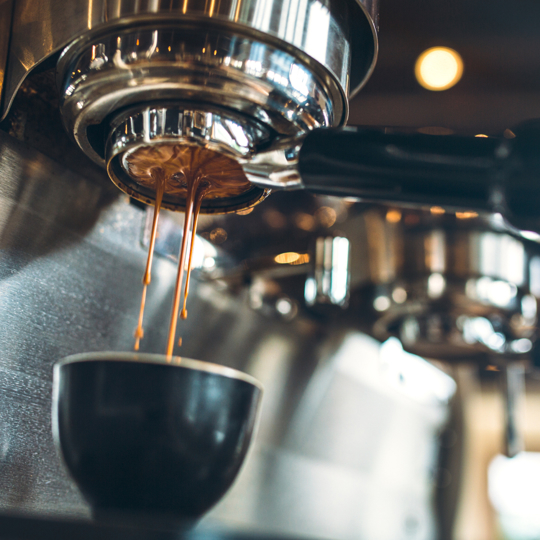
Espresso machines should be descaled every 2 to 3 months. Use a descaling solution recommended by the manufacturer. Remove and clean the portafilter and water tank before descaling. Run the solution through the machine and rinse with clean water. Clean the steam wand after every use to prevent milk residue buildup.
Single-serve Machines
Single-serve machines need descaling every 3 months or after 40 uses. Use a descaling solution or vinegar mixed with water. Fill the water reservoir and run the descaling cycle. Run several clean water cycles afterward to rinse. Clean the drip tray and pod holder regularly to keep the machine fresh.
Credit: www.cafedumonde.co.uk
Frequently Asked Questions
What Causes Limescale Buildup In Coffee Machines?
Limescale forms from hard water minerals heating inside your machine. Over time, this buildup clogs pipes and affects taste. Regular cleaning prevents damage and ensures smooth operation.
How Often Should I Descale My Coffee Machine?
Descale your machine every 1 to 3 months, depending on water hardness. Frequent descaling keeps the machine efficient and extends its lifespan.
Can Vinegar Effectively Remove Limescale From Coffee Machines?
Yes, vinegar is a natural descaler that dissolves limescale. Use diluted vinegar, run a cleaning cycle, then rinse thoroughly to avoid taste issues.
Are Commercial Descaling Products Better Than Homemade Solutions?
Commercial products are designed for quick, safe limescale removal. They often work faster and are gentler on your machine than homemade solutions like vinegar.
Conclusion
Regularly removing limescale keeps your coffee machine working well. It helps your coffee taste fresh and clean. Use simple household items like vinegar or special cleaners. Take care to follow the steps carefully for best results. Clean machines last longer and save money.
A little effort today means great coffee tomorrow. Keep your machine free from buildup for smooth brewing. Easy, quick cleaning makes a big difference. Enjoy every cup with less hassle and more flavor.
Products related to this article
Sponsored / affiliate links. As an Amazon Associate I earn from qualifying purchases. I may earn additional commission from eligible campaigns.
 Coffee Espresso Machine Handle Replacement Parts, Cafe Bracket Handle for Lidl Silvercrest CM4621 CM4218 KF5002 KF500S Barista (for 51mm Portafilter Basket - Not included)
 KARHDIR 15" Walk Behind Floor Scrubber Machine, 23" Squeegee
 Dawn Ultra Gentle Clean 2x Grease Cleaning Power Dish washing Liquid, Pomegranate Rosewater Scent 16.2 oz