Here’s the short version: a manual lever espresso machine gives you total control but punishes sloppy habits, while a semi-automatic rewards consistency but demands maintenance. I’ve spent weeks pulling shots on the Flair NEO and comparing that experience against every pump-driven machine I’ve owned. The right choice comes down to one question: which failure mode can you tolerate?
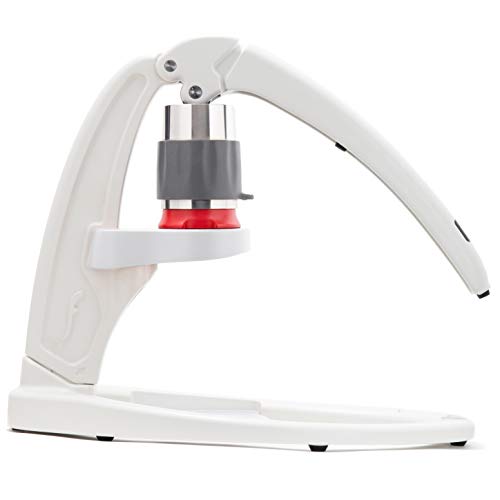
Flair
Flair The NEO Espresso - An all…
- ALL MANUAL HOME ESPRESSO MAKER - The NEO is an all manual espresso machine, featuring a hand lever press. No electricity or coffee…
- FLOW-CONTROL PORTAFILTER - The NEO features Flair Espresso's Flow-Control Portafilter, which makes home brewing manual espresso si…
- ESPRESSO BREWING MADE SIMPLE - Brewing manual espresso with your NEO manual espresso maker is a simple four step process. Add your…
As an Amazon Associate I earn from qualifying purchases.
Your own mistakes will ruin shots on a lever machine. The machine’s mechanical complexity will ruin shots on a semi-automatic. Neither is wrong, but one of those scenarios will fit your personality better. That’s the real difference between a manual lever espresso machine vs semi automatic espresso machine, and it’s why I’m not going to tell you one is objectively better.
Let me walk you through what I found with the Flair NEO, and how it stacks up against the semi-automatic standard.
The 30-Second Verdict: Which Machine Fits Your Ritual?
If you enjoy being hands-on, don’t mind a short warm-up ritual, and want to learn what pressure actually does to flavor, the manual lever route is deeply satisfying. The Flair NEO is the most forgiving lever machine I’ve used because its Flow-Control Portafilter does the pressure management for you.
If you want to press a button and walk away while milk steams, you want a semi-automatic. You’ll trade some control for convenience, and you’ll trade a simple cleaning routine for descaling cycles and pump maintenance.
Neither machine makes bad espresso. They just make different kinds of espresso drinkers happy.
Defining the Contenders: Lever vs. Semi-Automatic
Before comparing them, you need to understand what each machine actually does. These are fundamentally different brewing mechanisms, not just different price points.
How a Manual Lever Works (and Why It’s Different)
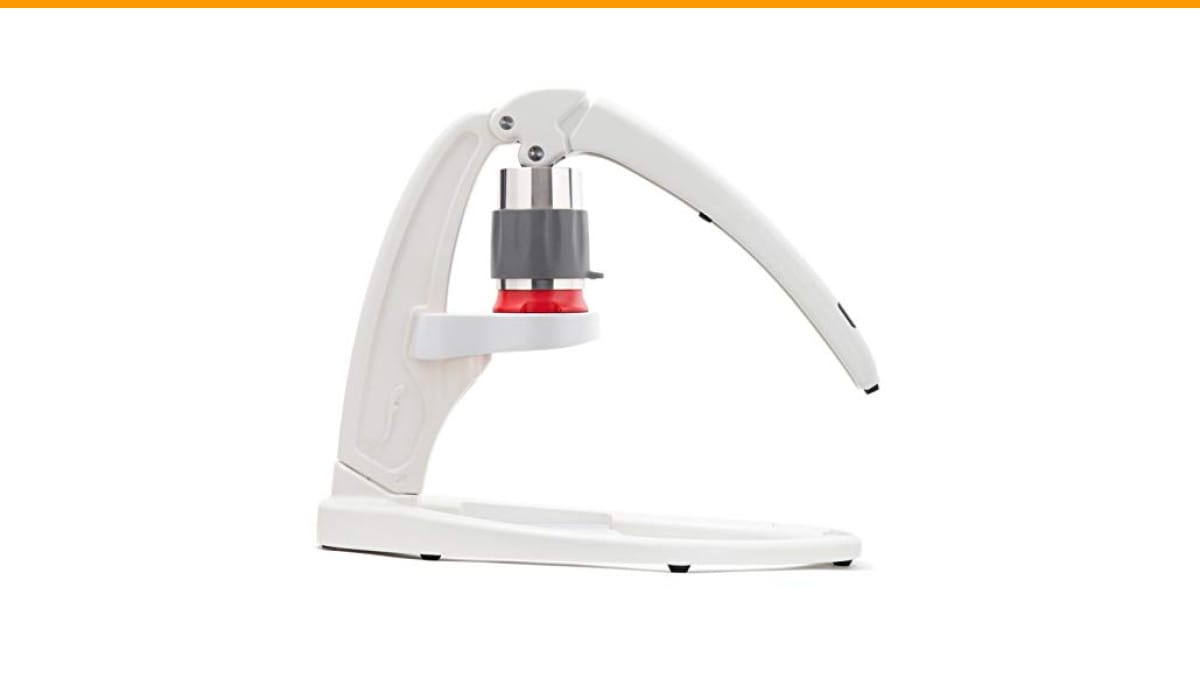
The Flair NEO has no pump, no boiler, and no plug. You add 60ml of boiled water to the brewing cylinder, load up to 18 grams of coffee into the portafilter, and lower the lever by hand. That hand pressure pushes water through the grounds at whatever rate you choose.
This is direct pressure profiling. You are the pump. The Flow-Control Portafilter on the NEO restricts water flow through the grounds, which means you don’t need a $300 grinder to get consistent extractions. The portafilter compensates for uneven grind sizes in a way a standard basket won’t.
It’s a four-step process: grind, preheat, fill, press. No electronics to fail, no heating element to burn out. The brewing head detaches completely for cleaning, which is rare in this category.
How a Semi-Automatic Works (The Pump-Driven Standard)
A semi-automatic espresso machine uses an electric pump to push water through the coffee at a fixed pressure, usually around 9 bars. You control the grind size, dose, and extraction time, but the pump controls the pressure curve.
Most semi-autos have a boiler or thermoblock for heating, a solenoid valve for pressure release, and a steam wand for milk. That’s more moving parts, more seals, and more things that can scale up or fail over time.
The trade-off is straightforward: you get consistent pressure every time, but you lose the ability to shape that pressure during the shot.
The Head-to-Head: Control, Convenience, and Consistency
I ran the Flair NEO side by side with a typical semi-automatic in my kitchen for two weeks. Here’s where the real differences showed up.
The Learning Curve: Time to First Great Shot
With the Flair NEO, I pulled a drinkable shot on my first try. The Flow-Control Portafilter made that possible — it smooths out the extraction curve even when your lever pressure is uneven. But a truly great shot, one with balanced acidity and syrupy body, took me about a week of daily practice. Maybe 15 to 20 shots to understand how preheat temperature and lever speed interact.
A semi-automatic is easier to start with if you already know how to dial in a grinder. You set the grind, lock the portafilter, and press the button. The machine handles pressure. The catch is that you’ll need to learn how to dial in your grind size for every new bag of beans. That process took me longer than learning the lever, honestly — maybe two weeks of frustration before I stopped choking the machine or blasting out sour ristrettos.
The lever punishes bad technique. The semi-auto punishes bad puck prep. Both are learnable, but they’re different skills.
Pressure Profiling: The Lever’s Secret Weapon
Here’s what a manual lever does that no pump machine under a few thousand dollars can: it lets you change pressure mid-shot. Start with gentle pressure for a slow pre-infusion, then ramp up hard, then ease off at the end. That pressure profile directly changes flavor.
Higher pressure early in the shot extracts more acidity. Softer pressure at the end reduces bitterness. With the Flair NEO, I found that a slow ramp-up gave me bright, fruity shots from light roasts, while a fast, hard press produced heavier body and darker chocolate notes. You can taste the difference immediately.
Semi-automatics give you a fixed 9-bar curve. They’re consistent, but they can’t adapt to different roast profiles. If you drink a variety of beans, the lever gives you a tool the pump machine simply doesn’t have.
The 5-Year Cost of Ownership: Budgeting Beyond the Price Tag
The purchase price is only the beginning. Let’s talk about what these machines cost to run over five years.
The Flair NEO has almost nothing to break. No pump, no heating element, no solenoid valve. The cast aluminum stand and stainless steel brewing head are backed by a 3-year warranty. Your ongoing costs are replacement gaskets and seals, which are cheap and easy to swap. You’ll also need a gooseneck kettle if you don’t own one, since you’re boiling water separately.
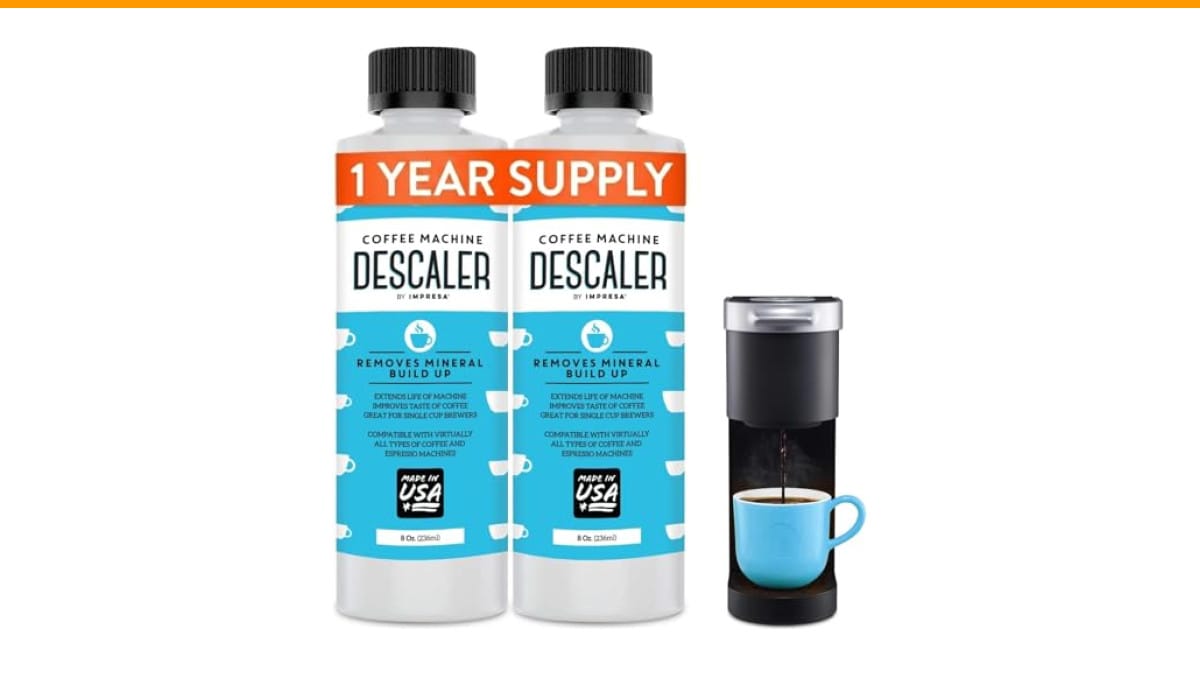
A semi-automatic has a pump that will eventually wear out, a boiler that can scale up, and seals that degrade. You’ll need descaling solution regularly, and you should budget for a pump replacement or a service visit at some point in year three or four. That’s not a knock on the category — it’s just the reality of electric machines with heated water and moving parts.
Over five years, the lever machine will cost you less in maintenance. The semi-auto will cost you less in daily effort. Which one matters more to you?
The Decision Flowchart: Ask Yourself These 4 Questions
Still torn? Work through these four questions honestly. Your answers will point you in the right direction.
Question 1: Do you already own a decent grinder? If yes, either machine works. If no, the Flair NEO’s Flow-Control Portafilter is more forgiving of inconsistent grind sizes. A semi-auto will punish a cheap grinder with channeling and sour shots.
Question 2: How much time do you have in the morning? The NEO takes about four minutes from start to cup, including boiling water. A semi-auto takes about 20 minutes to fully warm up if you want stable temperature, though many people use a smart plug to get around that. If you’re rushing out the door, the lever might actually be faster.
Question 3: Do you drink milk drinks? The Flair NEO has no steam wand. You’ll need a separate milk frother. A semi-automatic has a steam wand built in. If you only drink straight espresso or Americanos, the lever is fine. If you’re a latte person, factor in the extra gadget.
Question 4: Are you a tinkerer or a set-and-forget person? Be honest here. The lever rewards experimentation with pressure and temperature. The semi-auto rewards careful grind adjustment and consistent puck prep. Both require effort, but they’re different kinds of effort.
Troubleshooting Matrix: Common Problems and Fixes
Every machine has failure modes. Here’s what to expect from each category, based on my testing.
| Problem | Manual Lever (Flair NEO) | Semi-Automatic |
|---|---|---|
| Sour shot | Water too cold, or you pressed too fast. Preheat the cylinder longer and slow down your lever. | Under-extraction. Grind finer or increase dose. |
| Bitter shot | Water too hot, or you pressed too slowly. Use cooler water and speed up your press. | Over-extraction. Grind coarser or reduce dose. |
| No crema | Grind too coarse, or beans too old. The Flow-Control Portafilter needs some resistance to work. | Grind too coarse, or pressure is too low. Check your pump and grind size. |
| Machine leaking | Check the portafilter gasket. It’s user-replaceable. | Check the solenoid valve or pump seals. This usually requires service. |
| Temperature instability | Preheat the brewing cylinder with boiling water before pulling the shot. | Run a blank shot to warm the group head, or consider a machine with PID temperature control. |
Notice the pattern. Lever machine problems are almost always technique issues. Semi-auto problems are almost always mechanical issues. That’s the core difference I keep coming back to.
FAQs: Quick Answers to Burning Questions
Is a manual lever espresso machine harder to use than a semi-automatic?
Different kind of hard. The lever requires you to learn hand pressure control and preheat timing. The semi-auto requires you to learn grind dialing and puck prep. Most people can pull a decent shot on either within a week. The lever is more forgiving of grind inconsistency because of the Flow-Control Portafilter, but less forgiving of temperature mistakes.
Can I make milk-based drinks with the Flair NEO?
You can make the espresso shot, but there’s no steam wand. You’ll need a separate milk frother or a stovetop steamer. That’s an extra purchase and an extra step. If you drink mostly cappuccinos, a semi-automatic with a steam wand is more convenient.
Does the Flair NEO need a special espresso grinder?
No. The Flow-Control Portafilter is specifically designed to work with a range of grind sizes. You can use a blade grinder or a basic burr grinder and still get a decent shot. That’s a major advantage over semi-automatics, which really do need a capable espresso grinder to avoid channeling.
How long does it take to brew one shot with the Flair NEO?
About four minutes from start to cup. That includes boiling water, preheating the cylinder, grinding, and pressing. The actual press takes 30 to 45 seconds. A semi-auto takes about the same time once it’s warmed up, but the warm-up time is the real difference.
What happens if I break a part on the Flair NEO?
The stand is cast aluminum and the brewing head is stainless steel. Both are backed by a 3-year warranty. Replacement seals and gaskets are available and easy to install. You won’t be waiting on a technician to come out and service it.
The Bottom Line: The Best Choice for Your Kitchen
Here’s my honest recommendation after all that testing. Choose the manual lever espresso machine, specifically the Flair NEO, if you want to understand espresso at a deeper level, don’t mind a four-minute ritual, and want a machine that will outlast your countertop. The Flow-Control Portafilter makes it the most beginner-friendly lever machine I’ve used, and the detachable brewing head makes cleanup genuinely simple.
Choose a semi-automatic if you want steam wand convenience, don’t want to boil water separately, and prefer the set-and-forget pressure consistency. Just be ready for descaling duty and the occasional mechanical hiccup. If you’re still comparing pump machines, read our automatic vs semi guide to see where the line is.
If your machine does start acting up down the road, our noise troubleshooting tips and maintenance checklist will keep it running longer. But with the NEO, you’ll likely never need them.
My final take: the lever machine failed me on technique, and I got better for it. The semi-auto failed me on maintenance, and I got frustrated by it. Pick the failure mode you can live with, and you’ll be happy either way.
Ready to buy? Check the latest price on Amazon
Sponsored / affiliate links. As an Amazon Associate I earn from qualifying purchases. I may earn additional commission from eligible campaigns.Products related to this article
 Coffee Espresso Machine Handle Replacement Parts, Cafe Bracket Handle for Lidl Silvercrest CM4621 CM4218 KF5002 KF500S Barista (for 51mm Portafilter Basket - Not included)
 Quick Heating Cup Warmer, Three Temperature Settings, Splashproof and Portable, for Coffee, Milk, Lightweight ABS Material
 Linnkyfloa Coffee Espresso Maker Handle Replacement for Stovetop Moka Pot or Percolator, Black Plastic for Spare Part Compatible with Italian(9-12 Cup)