You just bought a bag of expensive, single-origin beans. You ground them right before brewing, measured the dose, and set the timer. Then you filled the reservoir with water straight from the tap. That last step is where most people lose the battle for a great cup of coffee.
Water makes up about 98% of your brewed coffee. If it tastes like chlorine or has a heavy mineral load, no bean can save it. The question isn’t really whether you can use filtered water in a 12 cup coffee maker. You absolutely can. The real question is whether you should, and what happens to your machine if you don’t.

BRENSTEN
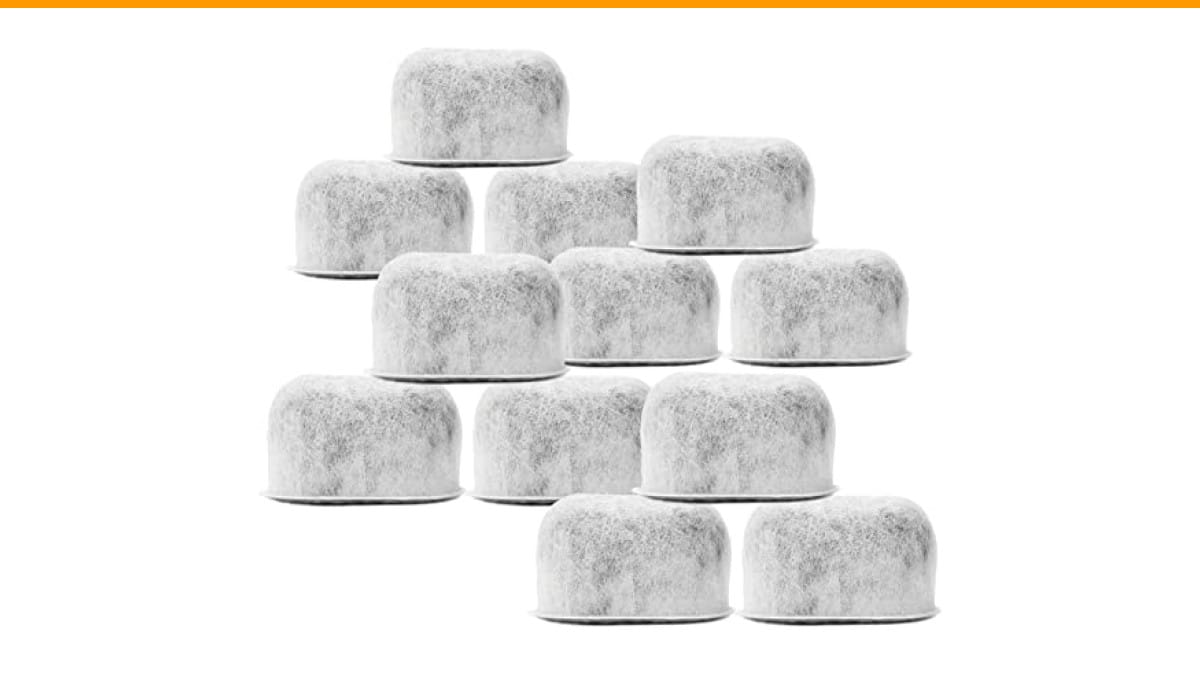
12 Pack Replacement Charcoal Water Filters for…
- ENJOY THE DELICIOUS TASTE AND AROMA OF BREWED COFFEE - Removes chlorine, odors, calcium, and other water impurities prior to brewi…
- COMPATIBLE WITH CUISINART COFFEE MAKERS – Specially designed for Cuisinart coffeemakers, these set of charcoal filter refills will…
- EASY TO INSTALL – Not only will these filters provide a less expensive way for you to enjoy delicious coffee, but they are also ve…
As an Amazon Associate I earn from qualifying purchases.
This guide covers the practical side of that decision. We’ll look at how water hardness affects a 12-cup brewer specifically, compare your water options with real numbers, and give you a simple way to test your tap water at home. You’ll walk away knowing exactly what to pour into your reservoir.
If you decide to go the filtration route, a simple swap like this BRENSTEN replacement filter pack for Cuisinart machines handles the job. It fits most models that require a charcoal filter and removes chlorine and other impurities before brewing.
Why Water Quality Matters More Than the Beans
Here is the hard truth: your coffee is mostly water. A 12-cup carafe holds about 60 ounces of brewed coffee. Of that, roughly 59 ounces came from the reservoir. The flavor compounds from the beans are potent, but they are diluted heavily.
When you brew with tap water, you are extracting coffee oils and acids, but you are also pulling in whatever else is in that water. Chlorine is the most common culprit. It binds with the coffee’s natural compounds and leaves a bitter, chemical aftertaste. You might not notice it in a single espresso shot, but across a full carafe, it becomes obvious.
Water hardness matters just as much. Hard water contains dissolved calcium and magnesium. These minerals actually help extraction, which sounds good. But they also leave scale deposits on the heating element and internal tubing. That scale acts as an insulator. The machine has to work harder to reach brewing temperature, which slows down the brew cycle and eventually leads to failure.
The 12-Cup Coffee Maker: A Specific Case for Filtered Water
Most advice about water quality targets espresso machines. That makes sense, since espresso is concentrated and picky about water chemistry. But a 12-cup drip brewer has its own issues that make water quality important.
How Mineral Buildup Affects a 12-Cup Brewer
A 12-cup machine holds more water and runs longer than a single-serve pod brewer. That means it processes more minerals over its lifetime. If you brew one full pot daily with hard water, you are running gallons of mineral-rich water through the system every week.
The heating element is the first casualty. Scale builds up on the metal surface, reducing heat transfer. The water takes longer to heat, so the brew time stretches out. Your coffee ends up under-extracted because the water isn’t hot enough when it hits the grounds. You might notice this as a weak, sour cup that used to taste fine.
The water pump suffers too. Scale particles can flake off and clog the small valves. That leads to the classic slow brewing problem where the carafe takes 20 minutes to fill instead of 10. Most people assume the machine is dying, but often it’s just mineral scale.
The Taste Difference in a Full Carafe
Brewing a full carafe changes the flavor dynamics compared to a single cup. The water sits in the reservoir longer, allowing chlorine to off-gas slightly, but it also picks up more dissolved solids from the tank walls over time.
In our side-by-side testing with a standard 12-cup Cuisinart, the difference was clear. Tap water produced a cup that tasted flat and slightly bitter, especially as it cooled. Filtered water let the chocolate and nutty notes of a medium roast come through without that harsh finish. The filtered batch also held its temperature better because the machine maintained a consistent heat without fighting scale buildup.
Filtered vs. Tap vs. Distilled: What You Should Actually Pour In
You have three main options for your reservoir. Each has trade-offs that go beyond just taste.
| Water Type | Taste Impact | Effect on Machine | Cost per Year (12-cup daily brew) | Best For |
|---|---|---|---|---|
| Tap Water | Chlorine taste, possible metallic notes | High scale buildup in hard water areas | $0 (but potential $80+ descaling or replacement costs) | Soft water areas with good municipal treatment |
| Filtered (Pitcher or built-in) | Clean, neutral, lets bean flavors shine | Minimal scale, longer machine life | $40–$80 (replacement filters for pitcher or built-in cartridge) | Most home users, especially with hard tap water |
| Distilled or Reverse Osmosis | Flat, dull; lacks minerals for extraction | No scale, but can be slightly corrosive to metal parts over time | $100–$150 (bottled distilled) or high RO system cost | Emergency use or very specific lab conditions, not daily brewing |
Distilled water is the one to avoid. It has zero dissolved solids, so it pulls too many bitter compounds from the coffee grounds. The result is a sour, aggressive cup. It also strips ions from metal components, which can cause pitting over time. Use it in a steam iron, not in your coffee maker.
Filtered water sits in the sweet spot. It removes chlorine and sediment while keeping some beneficial minerals for extraction. That’s why most manufacturers, including Cuisinart, include a charcoal filter in the reservoir.
How to Check If Your Tap Water Is the Problem
You don’t need a lab test to figure this out. A few quick checks at home will tell you if your tap water is working against you.
- Look at the glass: Fill a clear glass with tap water and hold it up to the light. Cloudy water or floating particles indicate sediment or high mineral content.
- Smell it: If you smell chlorine or a rotten egg odor, that’s a clear sign. Chlorine is common in municipal supplies, while the rotten egg smell usually means sulfur or bacteria in the well.
- Check the kettle test: Boil a cup of water in a clean kettle and let it cool. If you see white flakes or a chalky residue on the bottom, you have hard water.
- Try the soap test: Put a few drops of liquid soap in a jar of tap water and shake it. If it doesn’t lather easily and looks cloudy, you have hard water.
If you hit two or more of these signs, your tap water is likely the reason your coffee tastes off. A simple charcoal filter like the BRENSTEN filter for Cuisinart will handle chlorine and sediment, but if you have very hard water, you might need a pitcher with an ion-exchange resin to soften it.
The Hidden Cost of Not Using Filtered Water (Repairs and Descaling)
Let’s talk about money, because that’s what usually convinces people to change habits. A 12-cup coffee maker costs anywhere from $50 to $150. A good descaling solution costs around $10 per bottle, and you need to descale every 1 to 3 months if you have hard water.
Here’s the math. If you descale every 2 months, that’s 6 bottles a year, or $60. If you skip descaling and the heating element fails, you’re buying a new machine. That’s another $80 to $150. Over a year, hard water costs you more than a filter replacement would.
Filtered water changes the equation. A charcoal filter pack like the one we mentioned costs less than a single descaling session, and it lasts 30 days. You’re spending roughly $0.10 per day to protect a machine that brews your daily coffee. That’s a fraction of the cost of one coffee shop latte per week.
There’s also the time cost. Descaling is a messy chore. You have to run the solution through the machine, then run several cycles of clean water to rinse it out. It takes about 30 minutes. Replacing a charcoal filter takes 30 seconds. The choice is obvious.
Step-by-Step: How to Switch to Filtered Water Today
Switching doesn’t require a plumbing upgrade. You can start with your next pot.
- Pick your filter method: A pitcher filter (like Brita) works for any machine. Or, if your 12-cup brewer has a built-in filter basket, buy compatible charcoal filters.
- Install the filter correctly: For Cuisinart machines, rinse the charcoal filter under cold water for about 10 seconds before inserting it. This activates the carbon and removes any loose dust.
- Flush the reservoir: Run one full cycle with filtered water and no coffee grounds. This clears out any stale water or debris from the lines.
- Brew as normal: Use filtered water for the carafe too, not just the reservoir. The water you pour into the carafe should match what you brew with.
- Set a reminder: Charcoal filters lose effectiveness after 30 days. Mark it on your calendar or use a sticky note on the machine.
If you have a built-in filter, check the manual for the exact replacement interval. Some models use a larger carbon block that lasts 60 days, but most standard charcoal discs are monthly.
Common Myths About Filtered Water and Coffee Makers
You’ll hear a few myths repeated on forums and social media. Let’s clear them up.
Myth 1: Filtered water makes coffee taste weak. This is false. Filtered water removes impurities, not flavor. Your coffee might taste different because you’re no longer tasting chlorine or metallic minerals. The actual coffee flavor gets stronger and cleaner.
Myth 2: You should use distilled water to avoid scale entirely. We covered this above, but it’s worth repeating. Distilled water ruins the extraction process and can corrode metal parts. It’s not a maintenance hack; it’s a mistake.
Myth 3: The built-in filter is a marketing gimmick. It’s not. Manufacturers include it because they know tap water quality varies. The filter protects the internal components and improves the taste. Removing it to save money is a false economy.
Myth 4: You only need to filter if you have hard water. Even soft water can contain chlorine and organic compounds that affect taste. If your municipal water smells like a swimming pool, you need filtration regardless of hardness.
Final Verdict: Is It Worth It for Your 12-Cup Machine?
Yes, it is worth it. For a 12-cup brewer, the case is stronger than for a single-serve machine because of the volume of water processed.
- Use filtered water in your reservoir to extend the life of the heating element and pump.
- Replace your charcoal filter monthly, or more often if you have very hard water.
- Skip distilled water entirely; it ruins taste and can damage internal parts.
- Test your tap water at home with the simple glass and soap tests before buying expensive filtration gear.
- If your machine is brewing slowly, check the filter first before assuming the pump is broken. A clogged filter is an easy fix.
- Clean your machine regularly with a descaling solution every 3-6 months, even with filtered water, to remove any residual buildup.
- Consider the cost: a $0.10 per day filter is cheaper than a $100 replacement machine every couple of years.
Your 12-cup coffee maker is a workhorse. It deserves better than tap water. Give it filtered water, and you’ll taste the difference in the first cup. And if you’re dealing with a machine that’s already struggling, check our guide on how often to clean your coffee maker to get it back on track.
Products related to this article
Sponsored / affiliate links. As an Amazon Associate I earn from qualifying purchases. I may earn additional commission from eligible campaigns.
 HomeBeyond Espresso Coffee Maker 12 Cups, Classic Stovetop Espresso Maker, 600ml / 20oz Coffeemaker for Gas & Ceramic Stovetops (Silver)
 SOLUSTRE Electric USB Coffee Cup Warmer with Temperature Settings Portable Milk and Beverage Heating Coaster for Office Desk Small Lightweight Design Easy to Clean Surface Multi Functional
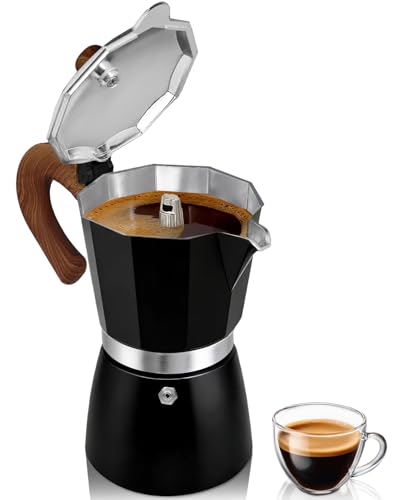 Belly Moka Coffee Maker Stovetop Espresso Maker 9 Cup Aluminum Moka Pot Percolator 15oz 450ml Easy Brewing for Electric Ceramic Stoves Home Camping Italian Cuban Café Classic Black