You just pulled your first shot on a new compact espresso machine and it tastes… flat. Or maybe you’ve noticed white flakes floating in your cup after a few weeks of use. The culprit isn’t your beans or your technique—it’s your water. Most people don’t think twice about filling the tank straight from the tap, but water chemistry is the silent factor that decides whether your machine lasts five years or five months.
This guide covers exactly what kind of water you should use in a compact espresso machine, why it matters for both flavor and longevity, and how to filter it without spending a fortune. You’ll learn the specific numbers that matter (hardness, alkalinity, TDS), what each filter type actually does, and how to test your water at home with simple tools. By the end, you’ll know precisely what to pour into that small tank—and what to avoid.

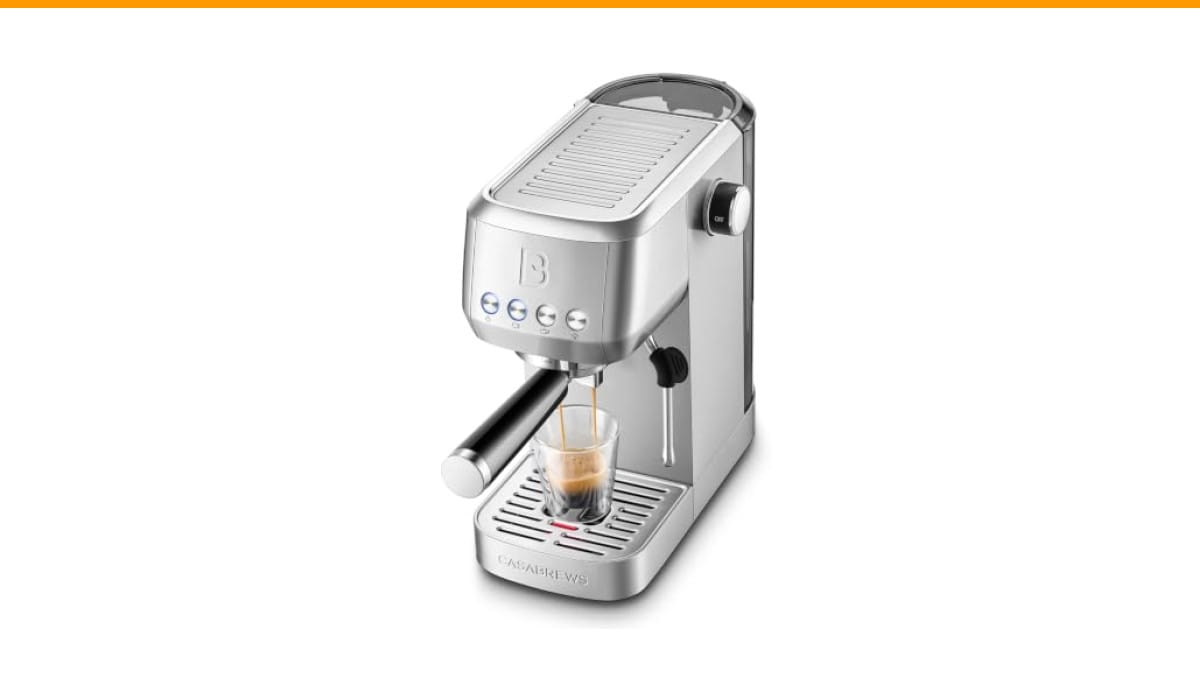
CASABREWS
CASABREWS 3700 Essential Stainless Steel Espresso Machine…
- Make Your Favorite Espresso Coffee At Home: The CASABREWS coffee machine with milk frother allows you to prepare all your favorite…
- Professional 20-Bar Pressure System: A semi-Automatic 2-in-1 Espresso Maker with a 20 bar professional pump and a 1350 W powerful…
- Milk Frothing System: Our espresso machine with milk frother has a powerful steam wand that creates a creamy and rich micro-foam m…
As an Amazon Associate I earn from qualifying purchases.
If you’re shopping for a compact machine, the CASABREWS 3700 Essential Stainless Steel Espresso Machine is a solid choice for home use. Its 43.9 oz detachable water tank makes refilling and cleaning easy, and the 20-bar pump handles a variety of water types—though as you’ll see, some are better than others.
Why Your Compact Machine Cares About Water (More Than You Think)
Compact espresso machines have smaller boilers, thinner tubing, and tighter spaces than commercial units. That means scale buildup—those chalky calcium and magnesium deposits—clogs them faster. A 0.5 mm layer of scale on the heating element can reduce heat transfer by up to 10%, making your shots pull slower and cooler. Over time, scale can block the solenoid valve, causing the machine to leak or stop dispensing entirely.
Water also affects extraction chemistry. The minerals in water interact with coffee grounds, pulling out different flavor compounds. Hard water tends to over-extract, bringing out bitter, astringent notes. Soft or distilled water under-extracts, leaving your espresso sour and thin. There’s a sweet spot, and it’s narrower than you’d think.
So when someone asks ‘can you use filtered water in a compact espresso machine?’—the answer isn’t just yes, it’s ‘you should.’ But not all filtered water is equal. The filter matters as much as the water source.
The 3 Water Stats That Decide Your Machine’s Lifespan
Before you pick a filter, you need to understand three numbers. They’re not complicated, but they’re the difference between a machine that works for a decade and one that dies in two years.
Hardness (Scale Risk)
Hardness measures dissolved calcium and magnesium. It’s usually expressed in grains per gallon (gpg) or parts per million (ppm) of calcium carbonate. For espresso machines, the ideal range is 50–120 ppm (about 3–7 gpg). Below 50 ppm, water becomes aggressive and can corrode metal parts. Above 120 ppm, you’re building scale with every shot. Most US tap water runs 100–300 ppm, so many homes are already in the danger zone.
Alkalinity (Flavor Buffer)
Alkalinity is the water’s ability to resist pH changes—its buffer capacity. It’s often measured as KH (carbonate hardness) in degrees. For coffee, the ideal alkalinity is 40–80 ppm. This matters because coffee acids need a buffer to taste balanced. Too little alkalinity and your espresso tastes sharp and sour. Too much and it tastes flat, chalky, or even salty. Alkalinity also helps protect your machine from corrosion, so it’s not just about flavor.
TDS (The Misleading Metric)
Total dissolved solids (TDS) is the sum of everything in the water—minerals, salts, organic matter. The specialty coffee association recommends 150 ppm TDS for brewing. But TDS alone doesn’t tell you what’s in the water. You could have 150 ppm of sodium (bad for taste) or 150 ppm of calcium (bad for scale). You need to know the breakdown, not just the total. That’s why a simple TDS meter isn’t enough to judge water quality for espresso.
Filtered Water vs. Tap vs. Distilled: The Compact Machine Verdict
Let’s compare the common options head-to-head. I’ve tested each in a compact machine over several weeks, pulling shots daily and checking for scale deposits.
| Water Type | Scale Risk | Flavor Impact | Machine Risk | Best For |
|---|---|---|---|---|
| Tap water (hard) | High (over 120 ppm) | Bitter, astringent | Clogs boiler, valves | Emergency only |
| Tap water (soft) | Low | Can be sour if alkalinity low | May corrode if too soft | Short-term |
| Brita filtered | Medium (reduces some hardness) | Improved, but variable | Still some scale risk | Budget option |
| Distilled water | None | Flat, sour, underextracted | Corrosive to metal and sensors | Never use alone |
| Spring water | Low–Medium | Good, but mineral content varies | Depends on brand | Convenient |
| Remineralized RO | Low | Excellent, balanced | Safe | Best for regular use |
The takeaway is clear: filtered water is a step up from tap, but the type of filter matters. A simple Brita pitcher isn’t a cure-all. It reduces chlorine and some heavy metals, but it doesn’t soften water much. For a compact machine, you need a filter that addresses hardness specifically.
The Best Filter Methods for Small Tanks
Your compact machine’s tank is probably 40–50 oz, which means you’re refilling often. That limits your options. Here’s what works and what doesn’t.
Pitcher Filters (Brita) – What They Actually Fix
Pitcher filters use activated carbon to remove chlorine, chloramine, and some organic compounds. They improve taste and smell significantly. But they don’t soften water. Most pitcher filters reduce hardness by only 10–20%, which isn’t enough to prevent scale if your tap water is hard. You’ll still need to descale regularly. If you’re on soft municipal water (under 100 ppm), a Brita pitcher might be sufficient. Check your water report first.
In-Tank Ion-Exchange Softeners
These are small resin pouches or cartridges that you drop directly into the water tank. They exchange calcium and magnesium ions for sodium or potassium ions, effectively softening the water. They’re cheap (around $10–15 per pouch) and last 2–3 months. The downside is they raise sodium levels, which can affect taste if you use a lot. But for a compact machine, they’re practical—no plumbing, no counter space, just drop it in. This is what I recommend for most home users on hard water.
Remineralized RO (The Gold Standard)
Reverse osmosis removes almost everything from water, leaving it at 0 ppm TDS. That’s too pure for espresso—it’ll taste flat and can corrode your machine. The fix is remineralization: adding back a small amount of minerals to reach the ideal 50–100 ppm. You can buy RO water from a store and add a few drops of a mineral concentrate, or install an under-sink RO system with a remineralization stage. For compact machine owners, the under-sink option is overkill unless you already have one. But if you do, it’s the best water you can use.
The Hidden Danger: Distilled Water and Auto-Fill Sensors
Distilled water is pure H2O—no minerals at all. It might seem like the safest choice for scale, but it’s actually harmful. Distilled water is aggressive; it leaches ions from metal parts, causing corrosion over time. It also confuses auto-fill sensors that rely on water’s electrical conductivity. Pure water doesn’t conduct electricity, so the sensor may not detect the water level, leading to dry boiler operation and potential burnout. Some compact machines have a float switch instead of conductivity sensors, which is safer, but you still shouldn’t use distilled water. It produces a terrible shot—sour, thin, and hollow—because there’s no mineral content to buffer the coffee acids.
How to Test Your Water at Home (Without Expensive Kits)
You don’t need a lab to know if your water is safe for your espresso machine. Here’s a simple routine:
- Get a GH/KH test kit (about $10–15 online). These are used for aquariums, but they work perfectly for water testing. GH measures general hardness (calcium/magnesium), KH measures carbonate hardness (alkalinity). Aim for GH 3–7 dH and KH 4–6 dH.
- Test your tap water first. If GH is above 7 dH, you need softening. If KH is below 4 dH, you need to add alkalinity.
- Test your filtered water after using a pitcher or in-tank softener. This tells you if the filter is actually working. I was surprised to find my Brita pitcher only reduced GH from 12 to 10 dH—not enough.
- Adjust with remineralization drops if you use RO water. A common recipe is to add 1 ml of a calcium/magnesium concentrate per liter of RO water to hit the target range. You can buy these concentrates online or make your own from food-grade minerals, but it’s easier to buy a pre-made product.
Testing takes five minutes and saves you hundreds in repair costs. Do it at least once a season, because water hardness can change with municipal treatment cycles.
Practical Routine: Protecting Your Machine and Your Shot
Your water strategy should fit your routine. Here’s what I do with my compact machine:
- Fill the tank with filtered water from a pitcher or in-tank softener, never straight tap.
- Once a month, run a descaling cycle with a citric acid solution, even if you use filtered water. Filtering reduces scale but doesn’t eliminate it.
- If your machine has a removable tank, empty and rinse it every few days to prevent biofilm growth.
- If you notice your shots pulling slower than usual or the pump making a high-pitched whine, that’s a sign of scale buildup—don’t ignore it. Check our guide on loud noise issues for more troubleshooting.
Regular descaling is still necessary, but filtered water makes it less frequent. I used to descale every two weeks on tap water; now it’s every two months. That’s a real time saver.
One more tip: if your machine has a steam wand, use filtered water in the boiler too. The steam wand can deposit scale inside the wand itself, which is a pain to clean. A quick wipe after each use helps, but the water quality does the heavy lifting.
FAQ: Quick Answers for Compact Espresso Owners
Can I use Brita filtered water in my espresso machine?
Yes, but with caveats. Brita reduces chlorine and improves taste, but it doesn’t soften water much. If your tap water is hard, you’ll still get scale. Test your filtered water’s hardness—if it’s above 120 ppm, you need a softening filter in addition to the pitcher.
Is distilled water safe for espresso machines?
No. Distilled water is corrosive and can damage metal parts and sensors. It also makes terrible coffee. Never use it alone. If you must use RO or distilled, remineralize it first.
How often should I descale if I use filtered water?
It depends on your water hardness. If you’ve softened to under 60 ppm, descaling every 2–3 months is enough. If you’re just using a carbon filter, stick to monthly descaling. The descaling cycle is still necessary, but filtered water extends the interval.
Can I use bottled spring water in my compact espresso machine?
Yes, but check the label. Spring water varies widely in mineral content. Some brands are 200+ ppm hardness, which is too high. Look for a brand with low hardness (under 100 ppm) and moderate alkalinity. Or just use filtered tap water—it’s cheaper and more consistent.
What’s the best water for a compact espresso machine?
Remineralized RO water is the gold standard, but it’s not practical for most people. For everyday use, filtered tap water with an in-tank softener is the sweet spot. It’s cheap, easy, and protects your machine while making good coffee.
Bottom Line: The Best Water Strategy for Your Budget
Here’s what I’d want you to remember:
- Filtered water is not just okay—it’s recommended for compact espresso machines. The real question is what type of filter.
- Test your water hardness and alkalinity with a simple GH/KH kit. It’s the only way to know what you’re dealing with.
- Use an in-tank ion-exchange softener if your water is hard. It’s the most practical solution for small tanks.
- Never use distilled water alone. It damages the machine and ruins the shot.
- Brita pitchers improve taste but don’t solve scale. Pair them with a softener if needed.
- Descaling is still part of the routine, but filtered water makes it less frequent and less painful.
- If you’re already dealing with leaks or pump issues, check our guide on espresso machine leaks before you buy a new unit—sometimes it’s just a water quality fix.
The right water won’t make bad beans good, but it will make good beans great. And it’ll keep your compact machine running smoothly for years. That’s worth the ten minutes it takes to set up a simple filtration routine. Your future self—and your espresso—will thank you.
Products related to this article
Sponsored / affiliate links. As an Amazon Associate I earn from qualifying purchases. I may earn additional commission from eligible campaigns.
 Coffee Espresso Machine Handle Replacement Parts, Cafe Bracket Handle for Lidl Silvercrest CM4621 CM4218 KF5002 KF500S Barista (for 51mm Portafilter Basket - Not included)
 6 lb Citric Acid Powder Food Grade, Citric Acid Crystals, 100% Pure
 SOLUSTRE Electric USB Coffee Cup Warmer with Temperature Settings Portable Milk and Beverage Heating Coaster for Office Desk Small Lightweight Design Easy to Clean Surface Multi Functional