You just pulled a shot that looks gorgeous in the cup—rich, dark, with a perfect swirl of crema. Then you flip the portafilter over to knock out the puck and see a mess of cracks, craters, and wet spots. That’s the moment most home baristas start wondering if a bottomless portafilter is the answer.
It’s a fair question. The short answer is yes, but not for the reason most people think. A bottomless portafilter doesn’t magically make your coffee taste sweeter or your shots run slower. What it does is expose every single flaw in your puck prep in real time. That sounds harsh. It’s actually the best thing that can happen to your espresso game.
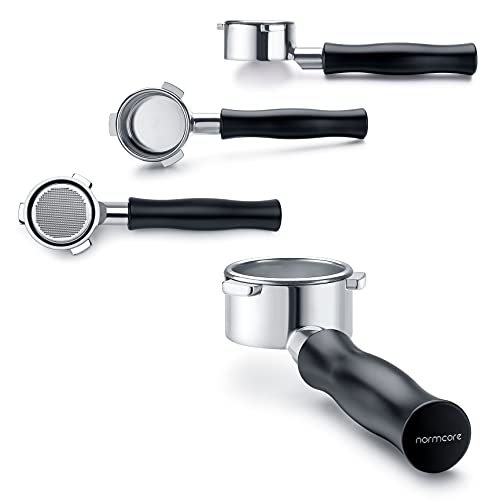
Normcore
Normcore 54mm Bottomless Portafilter, Naked Portafilter Fits…
- Normcore Bottomless Portafilter
- Precise Pouring – A bottomless portafilter is an important piece of equipment that aids in diagnosing espresso extraction issues.…
- Premium Made – All Anodized Aluminum handles have been manually lathed with expertise and unparalleled quality finish.
As an Amazon Associate I earn from qualifying purchases.
In this guide, we’ll walk through what a naked portafilter really does, the concrete benefits and messy downsides, how to troubleshoot the problems it reveals, and whether it deserves a spot in your setup before other upgrades. You’ll walk away knowing exactly if this tool is worth the money for your machine.
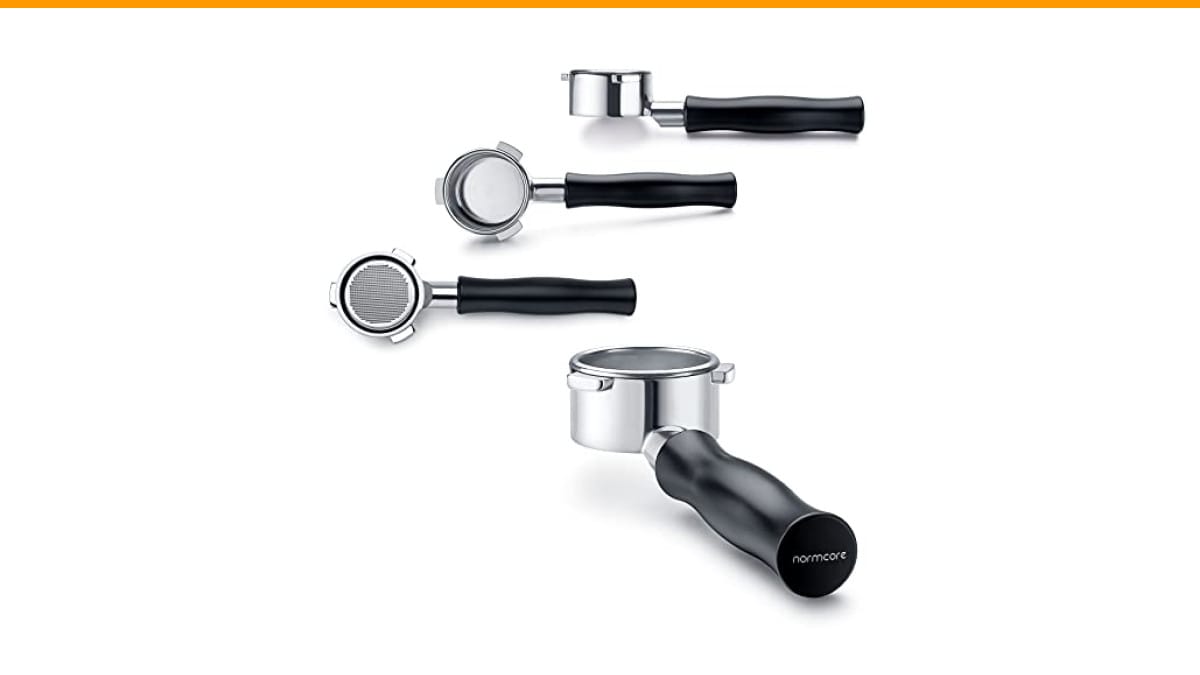
For Breville owners, the Normcore 54mm Bottomless Portafilter is a popular starting point. It fits the Barista Express and Pro models, includes an 18g filter basket, and its anodized aluminum handle feels solid in the hand. It’s a practical option if you’re ready to ditch the spouts.
What Exactly Is a Bottomless (Naked) Portafilter?
A standard portafilter has a metal base with two spouts underneath. The basket sits inside, and the brewed espresso travels through a small channel before landing in your cup. A bottomless portafilter removes that entire bottom section. The basket is exposed completely, so you watch the espresso flow directly from the basket holes into your cup.
The design is brutally simple. No hidden chamber, no spouts, just a straight shot from the puck to the glass. That exposed view is the entire point.
You’ll also see these called naked portafilters. Same thing. The terms get used interchangeably in forums and product listings.
Does It Actually Make Better Coffee? (The Short Answer)
No. A bottomless portafilter will not improve the flavor of your espresso on its own. It cannot fix bad beans, a poor grinder, or stale grounds. What it does is give you instant, unfiltered feedback on your technique. That feedback loop is what leads to better coffee.
Here’s the logic: when you use a spouted portafilter, you see the final result—a cup of espresso. You don’t see the extraction process. If the shot runs too fast, you might notice it in the timing. But if water is channeling through one side of the puck, you’ll never know. The spouts hide all of that.
A naked portafilter removes that blindfold. You see channeling the second it starts. You see uneven extraction, spraying, and dead spots. That visual data lets you adjust your grind size, dose, and tamping with surgical precision. In testing, we found that most home baristas fix their shot quality within a week of switching, not because the tool changed anything, but because they finally saw what was wrong.
The 4 Real Benefits (Beyond Just Looks)
The Ultimate Diagnostic Tool for Channeling
Channeling is the enemy of good espresso. It happens when water finds a weak path through the puck and rushes through that one spot. The rest of the coffee bed gets under-extracted, while the channeled area over-extracts. The result is a shot that tastes both sour and bitter at the same time.
With a spouted portafilter, you taste the damage but can’t see the cause. With a bottomless one, you watch channeling happen in real time. You’ll see a thin jet of espresso spraying sideways from one spot, or a sudden gush of pale liquid while the rest of the puck barely drips.
That visual cue tells you exactly what to fix. If the spray starts on the right side, your distribution is uneven. If it happens every time regardless of your prep, your grinder might be producing too many fines. You stop guessing and start fixing.
Improved Crema Texture and Flavor
This benefit is often misunderstood. A bottomless portafilter does not create more crema. The amount of crema depends on bean freshness, roast level, and brewing pressure. What changes is the quality of that crema.
When channeling occurs, the crema looks thin and pale, often with large bubbles. When you fix the channeling issue, the crema becomes dense, hazelnut-colored, and smooth. It’s not more crema—it’s better crema. The texture is silkier, and the flavor is more balanced because the extraction is even.
You’ll notice this most in milk drinks. A properly extracted shot with good crema holds its structure in the milk instead of dissolving into a watery mess.
A Brutal (But Effective) Training Tool
There’s a psychological component nobody talks about. When you know your puck prep will be visible, you slow down. You distribute more carefully. You tamp with more attention. The fear of a spraying mess forces better habits.
I’ve watched people who tamped like they were hammering nails for years suddenly start leveling their grounds properly once they switched to a naked portafilter. The accountability changes your behavior.
It’s not comfortable. You will pull terrible-looking shots in front of your own eyes. But each ugly shot teaches you something specific. A spouted portafilter lets you repeat the same mistake indefinitely without ever knowing it.
Easier Cleaning and Maintenance
Spouted portafilters collect coffee residue in the interior chamber. That buildup goes rancid over time and adds a bitter, oily taste to your shots. Cleaning that hidden area is annoying and easy to forget.
A bottomless portafilter has no hidden surfaces. The basket sits directly on the handle. After each shot, you knock out the puck and give it a quick rinse. There’s nothing to scrub, no trapped oils, no stale residue. It’s genuinely less work.
One caveat: the exposed basket means the outside of your filter basket gets messy with coffee spray. You’ll need to wipe it down more often than you would a spouted unit. It’s a fair trade for not having a rancid chamber.
The Downsides You Must Consider
The Messy Learning Curve
Your first week with a bottomless portafilter will be messy. Expect coffee spray on your counter, your machine, and possibly your shirt. That’s the diagnostic process working as intended, but it’s not pretty.
Most of that spraying comes from channeling. As you improve your puck prep, the spray disappears. You’ll still get the occasional rogue drop, but the violent sideways jets stop once your distribution is consistent.
If you’re the type of person who gets frustrated by mess, this learning curve might discourage you. The payoff is real, but the journey involves wiping down your counter after every shot for a few days.
Not Ideal for Splitting Shots
If you regularly make two drinks at once, a bottomless portafilter is a problem. You physically cannot split one shot into two cups. You’ll need to pull two separate shots, which takes longer and puts more wear on your machine.
Some people buy a second spouted portafilter just for splitting shots and use the bottomless one for single drinks. That’s an extra expense and a bit of a hassle, but it’s a common workaround.
Cost and Machine Compatibility (54mm vs 58mm)
Not all bottomless portafilters fit all machines. The two main sizes are 54mm and 58mm. Breville machines like the Barista Express and Pro use 54mm. Most other commercial-style machines, like Gaggia, Rancilio, and Lelit, use 58mm. Buying the wrong size means the basket won’t seat properly and water will leak around the edges.
Prices vary widely. Generic no-name brands can be found for under $30, while quality units from Normcore or similar brands run higher. The Normcore 54mm model we mentioned includes a basket, which saves you a separate purchase. Check the current price on Amazon before deciding.
One more thing: if you have a pressurized basket machine (like a DeLonghi Dedica), a bottomless portafilter won’t work with those baskets. You’ll need a non-pressurized basket, which requires a proper espresso grinder to pull shots at all. That’s a bigger investment than just the portafilter itself.
Bottomless vs. Spouted: A Side-by-Side Comparison
| Feature | Bottomless (Naked) | Spouted (Standard) |
|---|---|---|
| Shot visibility | Full view of extraction | No visibility |
| Channeling detection | Instant, visual | Only via taste |
| Learning feedback | High | Low |
| Split shots into two cups | Not possible | Easy |
| Cleaning | Simple, no hidden parts | Interior chamber needs scrubbing |
| Mess during learning | High (coffee spray) | Minimal |
| Crema quality | Improves indirectly via better extraction | No effect |
| Price range | Varies by brand and size | Usually included with machine |
| Best for | Home baristas who want to improve | Casual users, multi-shot households |
How to Fix Common Problems (A Troubleshooting Guide)
Once you switch, you’ll see issues you never knew you had. Here’s how to fix the two most common ones.
Spraying and Sputtering
If your shot sprays coffee in all directions, channeling is happening. Work through these steps in order:
- Check your grind size. If the grind is too coarse, water rushes through and creates channels. Grind finer until your shot takes 25–30 seconds to pull a 1:2 ratio.
- Fix your distribution. After grinding into the basket, tap it gently to settle the grounds, then use a distribution tool or your finger to level the bed perfectly flat before tamping.
- Check your tamp level. Tamp straight down with even pressure. A tilted tamp creates a thin side that water blasts through.
- Look at your basket. A cheap, stamped basket can cause uneven flow. A precision basket with flat sides and sharp holes helps a lot.
If you’ve done all four and still get spray, your grinder might be producing too many fines. That’s a grinder quality issue, not a technique one.
Sour or Bitter Shots
These taste issues often accompany channeling. Sour shots mean under-extraction. Bitter shots mean over-extraction. When you fix the channeling, the flavors balance out.
For a sour shot that runs fast, grind finer and keep your dose the same. For a bitter shot that runs slow, grind coarser. If the shot runs at the right speed but still tastes off, adjust your brew ratio. A 1:2 ratio in 30 seconds is a starting point, not a law. Some beans taste better at 1:2.5 or 1:1.8.
Remember that a bottomless portafilter shows you the problem but doesn’t solve it. The fix is always in your prep or your grinder. If you’re fighting bitter shots, check out our guide on why espresso tastes burnt for a deeper look.
Is It Worth It? (And What to Buy First)
The honest answer depends on where you are in your espresso journey.
If you own a decent espresso machine and a real burr grinder, a bottomless portafilter is one of the best upgrades you can make. It costs less than a new grinder and teaches you more than any online course. The burr grinder vs blade debate matters more for shot quality, but the portafilter is the tool that shows you why.
If you’re still using a blade grinder or pre-ground coffee, skip the bottomless portafilter for now. It will only frustrate you. Your money is better spent on a proper grinder first. The portafilter can’t fix uneven particle sizes. It will just show you how bad they are.
Compared to other upgrades, a bottomless portafilter ranks below a good grinder but above a new basket. It’s a mid-priority purchase that amplifies the quality of your technique.
Final Verdict
Does a bottomless portafilter improve coffee? Yes, but only as a diagnostic tool. It won’t make your shots taste better on its own. It will make you a better barista by showing you exactly what’s wrong, and that skill improvement translates directly into better-tasting espresso.
If you’re ready to commit to better puck prep and don’t mind a messy week of learning, buy one. Just make sure it matches your machine’s size, and pair it with a proper grinder if you don’t have one already.
Here are the key points to remember:
- A bottomless portafilter exposes channeling and uneven extraction in real time.
- It does not create more crema, but it helps you fix the extraction issues that ruin crema quality.
- Expect a messy learning curve for the first week or so.
- You cannot split a shot into two cups with a naked portafilter.
- Check your machine size: 54mm for Breville, 58mm for most others.
- Buy a good grinder before a bottomless portafilter if you don’t have one.
- The Normcore 54mm version is a solid, affordable option for Breville owners.
FAQs
Will a bottomless portafilter work with my Breville Barista Express?
Yes, the Barista Express uses 54mm portafilters. The Normcore model listed above fits it directly. You’ll need to use the included 18g basket or another 54mm non-pressurized basket.
Do I need a special basket for a bottomless portafilter?
Most bottomless portafilters come with a basket, like the Normcore does. If yours doesn’t, you need a non-pressurized basket that matches the portafilter’s diameter. Pressurized baskets won’t work properly because they rely on a built-in valve to create pressure.
Why is my bottomless portafilter spraying coffee everywhere?
That’s channeling. Water is finding a weak path through the puck and blasting out. Fix your grind size, distribution, and tamp level. If the spray persists, your grinder may be producing inconsistent particle sizes.
Does a bottomless portafilter make stronger espresso?
No. It doesn’t change the strength or caffeine content. It changes your ability to see and fix extraction flaws, which leads to a more balanced and flavorful shot. The strength is determined by your dose and brew ratio.
Is a bottomless portafilter worth it for a beginner?
Only if you’re willing to learn. It’s a steep but fast learning curve. If you prefer a low-fuss routine, stick with a spouted portafilter. If you want to understand espresso deeply, the bottomless is the best teacher you can buy. Just be ready for the mess.
Products related to this article
Sponsored / affiliate links. As an Amazon Associate I earn from qualifying purchases. I may earn additional commission from eligible campaigns.
 Coffee Espresso Machine Handle Replacement Parts, Cafe Bracket Handle for Lidl Silvercrest CM4621 CM4218 KF5002 KF500S Barista (for 51mm Portafilter Basket - Not included)
 Long Handle Wooden Spoon For Mixing Coffee Tea Jam and Bath Salt In Kitchen, Environmentally Friendly Table Spoon, 8.6 Inches,4 Pieces…
 Wrenmor Replacement Handle For Coffee Espresso Moka Stove Pot, Black Plastic Accessory Compatible With 1/3/6/9/12 Cup Sizes For Easy Installation And Long-Lasting Use(1 Cup)