You pull a great shot, but then comes the part nobody talks about: getting the spent puck out of the portafilter. You give it a solid whack against the knock bar, and half the grounds stick to the basket. You hit it again, harder. The basket dings, coffee flies everywhere, and your downstairs neighbor starts banging on the ceiling.
This is the reality for most home baristas. The knock box seems simple — a bin with a bar to hit — but the technique and maintenance around it trip up nearly everyone at first. This article walks through the seven biggest mistakes, the physics behind why they happen, and the exact fixes so your workflow gets faster and cleaner.

Auden Arctic
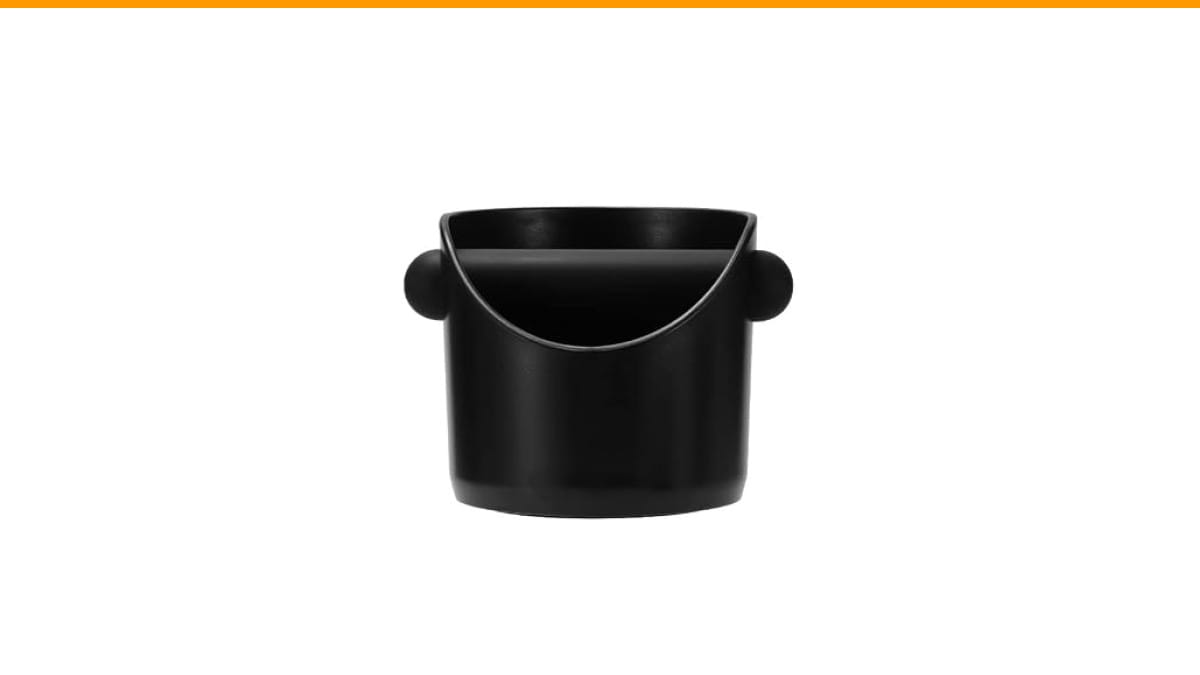
Coffee Knock Box, 4.6 in, Barista Style…
- Compact Design: This 4.6-inch barista-style knock box is perfect for collecting used espresso grounds from your espresso machine.
- Sturdy Construction: Made of heavy-duty plastic, the knock box features a non-slip base for stability.
- Removable Knock Rod: The included plastic knock rod allows for easy disposal of spent grounds.
As an Amazon Associate I earn from qualifying purchases.
You’ll learn how to protect your portafilter, handle wet vs. dry pucks, keep the box from becoming a science experiment, and knock quietly when it matters.
If you’re starting from scratch, a solid entry point makes a difference. The Auden Arctic Coffee Knock Box has a 4.6-inch footprint that fits most home counters, a removable plastic knock rod for easy dumping, and a non-slip base so it stays put when you strike. The smooth interior wipes clean in seconds, which matters more than you’d think once grounds start baking on.
Mistake #1: Hitting the Bar Too Hard
The portafilter is metal, the basket is metal, and the knock bar is usually rubber or plastic. When you slam them together with maximum force, something has to give. That something is often the basket’s edge, which bends and stops seating properly in the group head. A bent basket causes channeling, which ruins your next shot.
The fix is a sharp, short tap — not a swing. You want the inertia of the puck to break its seal against the basket. A quick wrist flick, from about 2 inches of travel, does the job. If the puck doesn’t come out, don’t hit harder. Check the moisture level instead (more on that in a minute).
Think of it like knocking on a door. You don’t punch through the wood; you use a controlled rap.
Mistake #2: Using the Wrong Knock Bar Material
Knock bars come in rubber, plastic, and wood. Each behaves differently, and the wrong one will cost you.
- Rubber: The best option. It absorbs the impact, protects the basket’s rim, and is quiet. Most commercial bars use rubber for a reason.
- Plastic: Common on budget boxes like the Auden Arctic. It works fine, but it’s harder than rubber. You need a lighter touch. It also wears down over a year or two, developing a groove that makes clean ejection harder.
- Wood: Looks great, but it’s unforgiving. Wood has no give, so every knock transfers full force to the basket. Over time, you risk denting the rim. Avoid wood unless you have a very light hand.
If your box came with a plastic bar and you notice dings on your basket, consider replacing the bar with a rubber one. It’s a cheap upgrade that protects a much more expensive part.
Mistake #3: Ignoring Puck Moisture (The Dry vs. Wet Puck Problem)
Not all pucks are equal. A properly dialed-in shot leaves a dry, cohesive puck that falls out in one piece. But a shot that ran fast, or beans that are too fresh, leave a soggy mess that sticks to the basket like mud.
Here’s the technique that fixes both: the double-tap.
- First tap: Firm, centered hit to break the seal and drop the main body.
- Second tap: A lighter, angled tap on the edge of the basket to dislodge any remaining fines stuck to the holes.
For a dry puck, one tap usually does it. For a wet puck, don’t add more force. Instead, let the portafilter sit for 10 seconds. The water drains, and the puck contracts slightly, making the second tap far more effective.
If your pucks are consistently wet, that’s a dialing-in problem, not a knocking problem. Check your grind size and dose. A wet puck means your shot is running too fast, which also means your espresso is under-extracted.
Mistake #4: Forgetting to Empty It Before It Overflows
A full knock box is a disaster waiting to happen. You knock, the puck lands on top of a pile, and the box tips or grounds spill over the edge onto the counter. Then you’re cleaning up wet coffee sludge at 7 a.m.
Here’s a practical rule: empty the box when it reaches about 75% full. Don’t wait for it to look full, because pucks settle and compress. A box that looks half full can still overflow when you add one more puck.
Capacity matters. A compact 4.6-inch box holds roughly 10-15 pucks depending on your dose. If you pull 4 shots a day, that’s every 3 days. If you pull more, get a larger box. The annoyance of emptying a small box twice a week is less than the annoyance of cleaning up a spill.
Mistake #5: Skipping the Deep Clean (Mold and Odor Control)
Used coffee grounds are organic matter. Left in a dark, damp box for a week, they grow mold. And mold spores get into the air, which you then breathe. It also attracts fruit flies, especially in summer.
Dumping the grounds isn’t enough. The oils from the coffee leave a sticky film on the interior walls. That film traps moisture and becomes the breeding ground for everything you don’t want.
Here’s a cleaning routine that works:
- Daily: Empty the grounds and give the bar a quick wipe with a dry cloth.
- Weekly: Wash the entire box with warm, soapy water. Use a bottle brush to get into the corners. Rinse thoroughly and let it air dry completely.
- Monthly: If you see any discoloration or smell anything off, soak the box in a solution of one part white vinegar to three parts water for 30 minutes. Rinse well.
Most knock boxes, including the Auden Arctic model, are made of plastic that tolerates soap and water fine. Just don’t put it in the dishwasher unless the manufacturer says it’s safe — heat can warp the bar.
Mistake #6: The Noisy Knock (How to Keep It Quiet)
The classic knock box sound is a loud, hollow thwack that echoes through the house. If you pull shots before the rest of the family wakes up, or live in an apartment, that noise is a problem.
The silent knock method has two parts. First, use a rubber bar if you can — it dampens vibration. Second, and more importantly, change your target. Instead of hitting the center of the bar, aim for the point directly above a solid part of the counter, not the hollow center of the box. The box itself acts like a drum. Hitting near the edge where the box wall meets the counter transfers the impact into the countertop, which absorbs the sound.
Another trick: place a folded dish towel under the box. It adds a layer of dampening and stops the box from vibrating against the counter. It’s not a perfect solution, but it cuts the noise by half.
If you’re dealing with a loud espresso machine itself, that’s a separate issue. Check out our guide on espresso machine noise for fixes on the machine side.
Mistake #7: Using the Knock Box as a Trash Can
It’s tempting. The box is right there, and you have a used paper filter or a broken plastic tamper. But throwing anything other than coffee grounds into the box creates problems.
Paper filters absorb moisture and stick to the interior. Plastic items can scratch the surface, creating grooves where grounds get trapped. And anything with sugar or dairy in it (like a used milk pitcher rinse) turns the box into a bacterial buffet.
Keep a separate small trash bin next to your setup for non-coffee waste. The knock box is for pucks only. This keeps the cleaning routine simple and prevents cross-contamination.
The Step-by-Step Perfect Knock
Here’s the whole sequence, condensed:
- After pulling your shot, let the portafilter sit for 5-10 seconds to let moisture settle.
- Hold the portafilter with your non-dominant hand, fingers on the handle and thumb on the top edge for control.
- Position it over the bar, about 2 inches above.
- Flick your wrist down with controlled force. The motion is fast, not heavy.
- Check the basket. If grounds remain, use a lighter tap on the edge, angled slightly.
- Rinse the basket under the group head or in the sink. This removes fines and keeps the next shot clean.
This takes about 5 seconds once you get the feel. Most beginners take 15 seconds and make a mess. Practice the wrist flick on a dry puck and you’ll have it in a week.
How to Choose the Right Knock Box for Your Setup
Not all knock boxes fit all workflows. Here’s a comparison of the main types to help you decide.
| Feature | Compact Plastic (e.g., Auden Arctic) | Large Plastic | Stainless Steel |
|---|---|---|---|
| Footprint | ~5 inches wide | 8-10 inches wide | 6-8 inches wide |
| Capacity | 10-15 pucks | 25-40 pucks | 20-30 pucks |
| Durability | Good for home | Good for home | Excellent, heavier |
| Noise Level | Moderate | Moderate | Loud, metallic ring |
| Cleaning | Easy, lightweight | Easy but bulky to wash | Easy, doesn’t stain |
| Best For | Small counters, light use | Heavy home use | Durability-focused users |
Stainless steel looks premium, but it’s loud. The metallic ring is harsh, and it’s heavier, so it needs a very stable surface. For most home users, a sturdy plastic box with a removable bar is the better trade-off. It’s lighter, quieter, and cheaper to replace if it cracks.
If you’re comparing espresso machines, the knock box is just one part of the workflow. Our breakdown of automatic vs. semi-automatic machines covers how the puck consistency differs between them, which changes your knocking frequency.
FAQ: Sticky Pucks, Rust, and Other Common Fixes
Why does my puck stick to the basket even after knocking?
Three causes. First, the basket is wet before you dose. Dry the basket thoroughly before adding coffee. Second, the grind is too fine, creating a vacuum seal. Coarsen the grind slightly. Third, the puck is too wet from a fast shot. Fix the dose and grind, not the knock.
Can I knock a portafilter with a wooden handle?
Yes, but the handle isn’t the issue. The basket rim is. Wooden handles are fine as long as you’re not using a wooden knock bar. The impact goes through the metal basket, not the handle.
How often should I replace the knock bar?
Plastic bars show wear after 6-12 months of daily use. You’ll notice a groove forming. Replace it when the groove gets deep enough that the puck doesn’t sit flat against the bar. Rubber bars last longer, often 2-3 years.
Is it okay to leave the knock box on the counter next to the sink?
Yes, but keep it dry. If water splashes into the box, it creates a muddy sludge that’s harder to clean. If it’s near the sink, empty it more often and wipe the interior dry after cleaning.
My knock box smells even after I wash it. What’s wrong?
The smell is likely in the bar itself. Plastic is porous. Soak the bar in a vinegar solution for an hour. If the smell persists, replace the bar. It’s a consumable part, not a permanent one. Also, check the rubber feet on the bottom — grounds can get trapped there and rot.
What to Remember When You Start Knocking Clean
The knock box is a small tool, but it’s the final step in every shot. Getting it right makes the whole routine feel smoother.
- Use a sharp wrist flick, not a heavy swing. Two inches of travel is enough.
- Rubber bars protect your basket. Plastic works with a lighter touch. Wood is risky.
- Double-tap for wet pucks: one firm hit, then a light edge tap after 10 seconds.
- Empty the box at 75% full, not when it looks full.
- Wash the box weekly with soap and water. Vinegar soak monthly if needed.
- Knock near the edge of the bar over a solid counter point to reduce noise.
- Keep paper filters and other trash out of the box. Pucks only.
A clean, quiet, efficient knock routine takes a week to build. Once you have it, you won’t think about it again — which is exactly how it should be. For more on keeping your whole setup in shape, see our tips on coffee maker cleaning frequency.
Products related to this article
Sponsored / affiliate links. As an Amazon Associate I earn from qualifying purchases. I may earn additional commission from eligible campaigns.
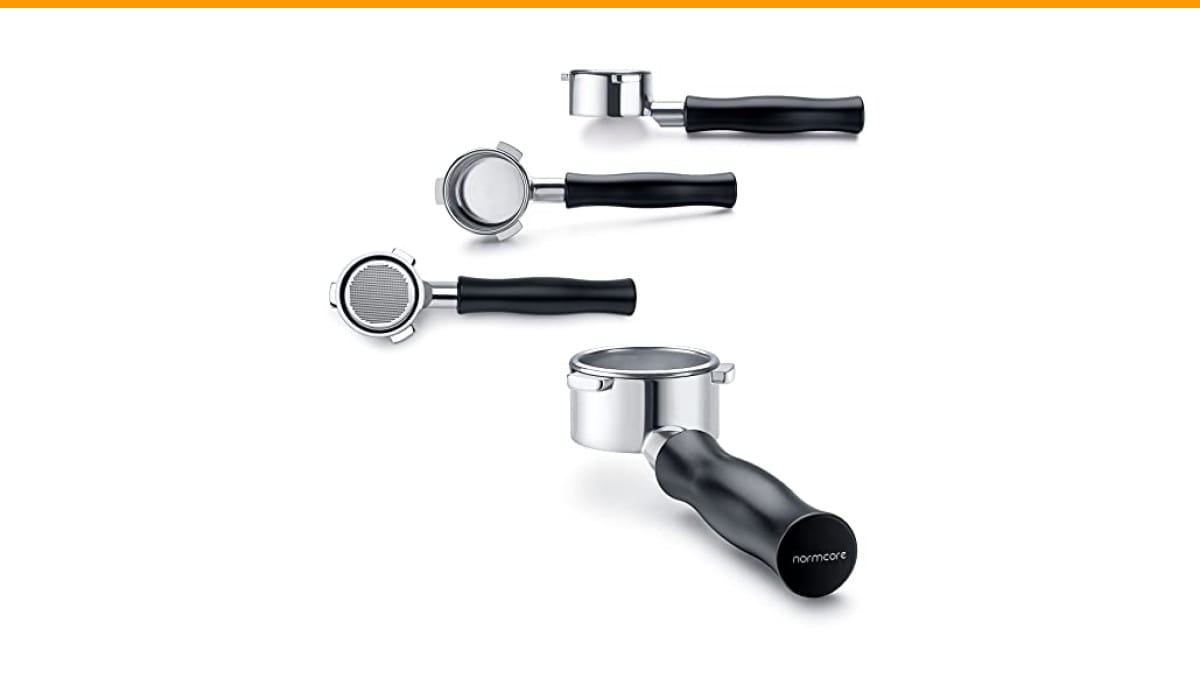
 Coffee Espresso Machine Handle Replacement Parts, Cafe Bracket Handle for Lidl Silvercrest CM4621 CM4218 KF5002 KF500S Barista (for 51mm Portafilter Basket - Not included)
 HomeBeyond Espresso Coffee Maker 12 Cups, Classic Stovetop Espresso Maker, 600ml / 20oz Coffeemaker for Gas & Ceramic Stovetops (Silver)
 Linnkyfloa Coffee Espresso Maker Handle Replacement for Stovetop Moka Pot or Percolator, Black Plastic for Spare Part Compatible with Italian(9-12 Cup)