You bought a machine with a built-in grinder to save counter space and skip the extra appliance. It worked great for a year, maybe two. Then the shots start pulling sour, or the grinder jams mid-dose. You wonder: is this normal, or did I get a lemon?
The honest answer is that a combo unit has two lifespans, not one. The boiler and pump in a decent semi-automatic can run for a decade or more. The built-in grinder, however, often dies in half that time. Most people don’t realize they’re owning two appliances in one shell. This guide explains how long each part lasts, what kills them, and how to know when to stop repairing and start replacing.
You’ll walk away knowing the exact failure points, a simple cost rule for repair vs. replace, and a maintenance checklist that actually adds years to the unit. No vague advice, just numbers and real-world conditions.
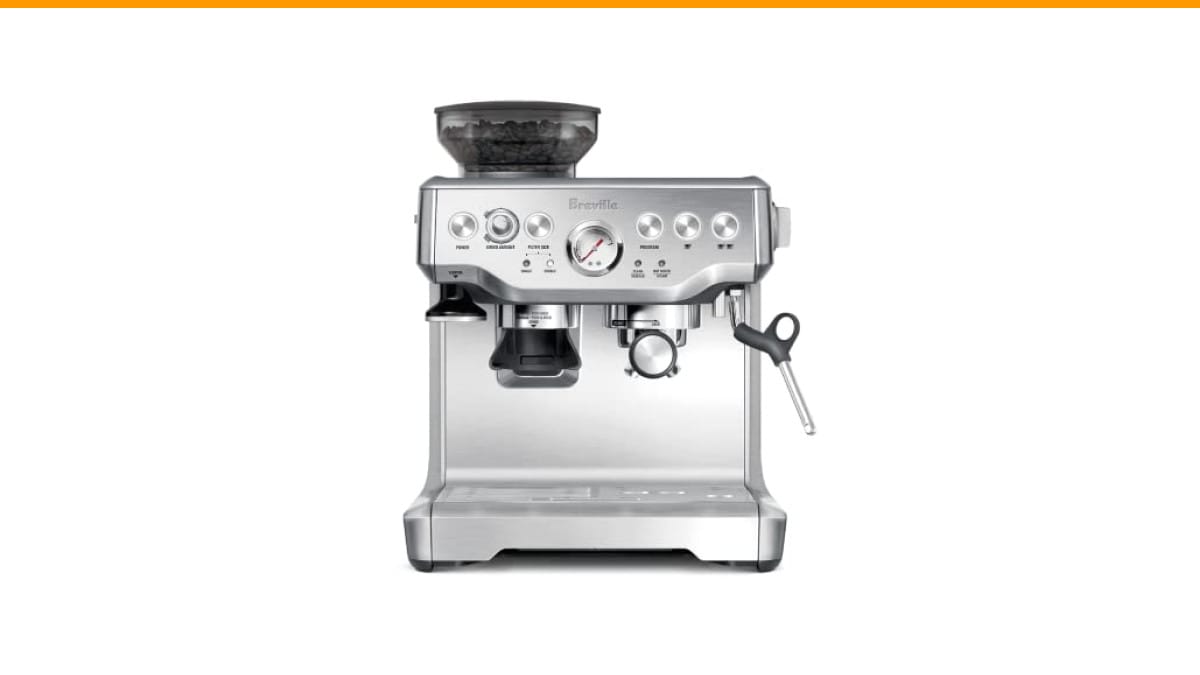
If you’re shopping for a reliable combo machine right now, the Breville BES870XL Barista Express is the unit most home baristas compare everything against. It pairs a 54mm portafilter with an integrated conical burr grinder, and its 67 oz water tank means fewer refills during long sessions. It’s not perfect, but it’s the benchmark for a reason.
The Real Lifespan of a Combo Espresso Machine
Here’s the short answer: expect 5 to 7 years of reliable service from a combo unit with average care. Push it to 10 years if you’re diligent about water quality and cleaning. Skimp on maintenance and you might replace it at year three.
That range assumes you’re using a mid-range semi-automatic like the Breville Barista Express. Budget machines with plastic internals often fail at the 2-3 year mark. High-end units with brass boilers and commercial-grade components can last 15 years, but the built-in grinder still usually gives out around year 5 or 6.
The grinder is the weak link. It has moving parts, burrs that wear, and a motor that heats up under load. The boiler and pump, by contrast, just sit there heating water and pushing it through coffee. That’s why we need to talk about them separately.
Machine Lifespan vs. Grinder Lifespan: Why the Grinder Dies First
Your espresso machine’s heating element and pump are simple, robust components. A standard vibration pump is rated for thousands of cycles. The boiler is just a block of metal with a heating element. These parts fail from scale buildup or electrical issues, not normal wear.
The grinder is different. The burrs are cutting tools. Every bean you grind wears them down slightly. A typical set of conical burrs lasts for about 500 pounds of coffee. If you’re pulling two double shots a day, that’s roughly 1 to 2 pounds per week. Do the math: 500 pounds divided by 1.5 pounds per week equals about 6.4 years of grinding.
But burrs aren’t the only problem. The grinder motor, gearbox, and the plastic chute that delivers grounds to the portafilter all wear out. The chute clogs with oily coffee residue. The motor overheats if you grind for too long at once. And when the grinder fails, it often takes the machine down with it.
Here’s what most guides miss: when a built-in grinder overheats, the heat transfers to the surrounding plastic housing and electronics. A grinder that runs hot for months can warp the machine’s frame or melt a wire connection. That’s a repair that’s rarely worth doing.
Average Lifespan by Machine Type
Not all combo machines are built the same. Here’s a realistic breakdown by category:
| Machine Type | Average Lifespan | Grinder Lifespan | Primary Failure Point |
|---|---|---|---|
| Budget combo (under $300) | 2-3 years | 1-2 years | Plastic gears, weak motor |
| Mid-range semi-auto (like Breville BES870XL) | 7-10 years | 5-7 years | Burr wear, chute clogging |
| Super-automatic (bean-to-cup) | 5-8 years | 4-6 years | Complex brew unit, electronics |
| Commercial combo | 10-15 years | 3-5 years | Heavy usage, burr replacement |
Super-automatics have more moving parts, so they fail sooner despite costing more. Commercial machines are built to last, but they’re also grinding constantly, which wears out burrs faster. The mid-range semi-auto is the sweet spot for home users who want longevity without a commercial price tag.
The 7 Factors That Kill Your Combo Machine Fast
Build Quality and Material
Cheap machines use plastic for the gearbox and burr carrier. These warp and crack under normal torque. Look for metal burr carriers and brass or stainless steel boilers. The Breville BES870XL uses stainless steel for the boiler and a metal burr set, which is why it outlasts cheaper rivals.
Water Quality and Descaling
Hard water is the number one killer of espresso machines. Scale builds up on the heating element, making it work harder and eventually overheat. A machine that’s descaled every 3 months with filtered water can last twice as long as one fed straight tap water. Use softened or filtered water, and descale on a schedule. Our descaling guide covers the process step by step.
Usage Frequency and Grinder Duty Cycle
Grinders have a duty cycle, which is the amount of time they can run before needing a cool-down. Most built-in grinders are rated for about 1 minute of continuous use. Grinding 4 shots back-to-back without a pause overheats the motor. Let the grinder rest for 30 seconds between grinding sessions, especially if you’re pulling multiple drinks for guests.
Maintenance Habits (Cleaning the Chute and Burrs)
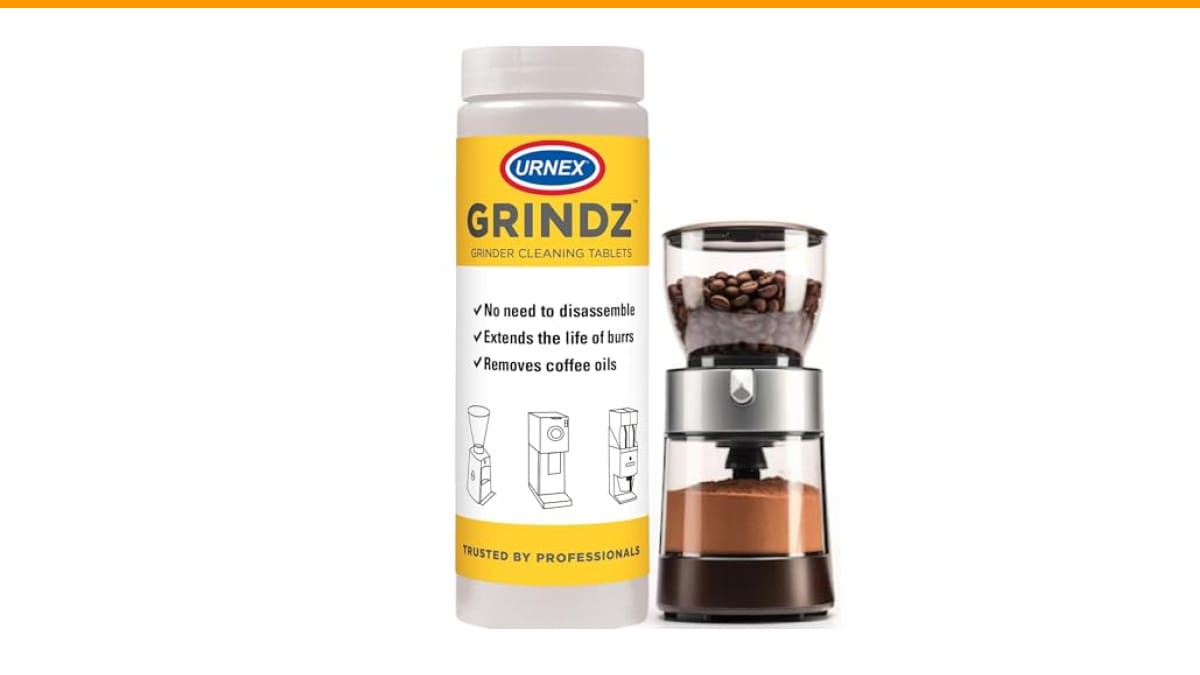
The chute that carries ground coffee from the burrs to the portafilter is a hidden failure point. Oily coffee builds up inside, restricting flow and causing the grinder to work harder. Clean the chute with a brush every week. Run grinder cleaning tablets through the burrs monthly to remove oil buildup. Skipping this is the fastest way to kill a combo unit’s grinder.
5 Warning Signs Your Grinder or Machine Is About to Die
- Inconsistent grind size. If you see both powder and boulders in your grounds, the burrs are dull or misaligned. This is the first sign of wear.
- Grinder jams or stalls. A grinder that struggles on light roasts (which are harder beans) is losing torque. This usually means the motor or gearbox is failing.
- Shots pull way too fast or too slow. When the grind can’t be dialed in anymore, even with the adjustment ring at its extremes, the burrs are done.
- Unusual noises. A high-pitched whine or grinding metal sound means the burrs are touching or the bearings are failing.
- Machine leaks or takes forever to heat up. Scale buildup on the boiler or a failing pump. This is a machine problem, not a grinder problem.
If you notice any of these, don’t ignore them. A grinder that jams repeatedly stresses the motor, which can burn out and take the machine’s electronics with it.
Repair vs. Replace: A Simple Cost-Benefit Rule for Combo Units
Here’s the rule I use when advising friends: if the repair costs more than 50% of what a new machine costs, replace it. That’s the standard formula for appliances, but it’s even more important for combo units.
Why? Because repairing a grinder on a combo machine is tricky. You can’t just swap in a new grinder. The motor, burrs, and chute are all integrated into the machine’s housing. You might find a replacement burr set for $50, but if the motor is dead, you’re looking at a $200+ repair on a machine that might be worth $400 new.
Also consider parts availability. Manufacturers only guarantee integrated grinders for about 2 years. After 5 years, finding a replacement motor or gearbox for a specific model gets hard. The Breville BES870XL is popular enough that parts are available, but that’s not true for every brand.
One more thing: if the machine works fine but the grinder is dead, you can always buy a separate grinder and use the machine as a standalone espresso maker. That’s a $200 fix that keeps a $500 machine running. Not ideal, but often smarter than replacing everything.
How to Extend the Life of Your Machine and Grinder
You don’t need a commercial maintenance schedule. Just follow these habits:
- Use filtered or softened water. This is the single biggest factor in machine longevity.
- Descale every 3 months, or more often if you have hard water. Check our burnt taste guide for signs of scale-related issues.
- Clean the grinder chute with a brush weekly. Oily buildup here is the #1 grinder killer.
- Run grinder cleaning tablets through the burrs monthly.
- Grind in short bursts. Don’t run the grinder for more than 60 seconds at a time.
- Replace the water filter (if your machine has one) every 2 months. The Breville BES870XL includes one in the box.
- Backflush with a cleaning tablet every 2-4 weeks if your machine has a 3-way valve. This cleans the group head and internal plumbing.
These habits take about 10 minutes a week. They’ll add years to both the machine and the grinder.
FAQ: Combo Espresso Machine Longevity Questions
How many shots can a combo espresso machine pull before the grinder wears out?
Burrs are rated for roughly 500 pounds of coffee. At 2 double shots per day (about 1.5 pounds per week), that’s about 6 years. However, the grinder motor and chute often fail before the burrs are fully worn, especially if you skip cleaning.
Can I replace just the burrs on a built-in grinder?
Yes, usually. Most combo machines use standard conical burrs that cost $30-$60. You’ll need a hex wrench and about 20 minutes. This is the most cost-effective repair you can do. Just search for your model’s burr set. The Breville BES870XL burrs are widely available.
Is a combo machine better than a separate espresso machine and grinder?
For convenience, yes. For longevity, no. A separate grinder can be replaced independently when it wears out, without touching the espresso machine. The combo unit forces you to repair or replace everything together. If you have the counter space, separate units will almost always last longer overall.
How often should I descale a combo espresso machine?
Every 3 months with normal use, or every 2 months if you have hard water. If you notice the machine taking longer to heat up or making louder pump noises, descale immediately. Scale buildup is the main reason espresso machines fail before their time.
What’s the most common reason a combo espresso machine dies?
Lack of maintenance, specifically scale buildup in the boiler and a clogged grinder chute. Both are preventable. Water quality and cleaning habits determine whether your machine lasts 3 years or 10.
The Bottom Line
Here’s what you need to remember:
- A combo espresso machine with grinder lasts 5-7 years on average with proper care.
- The grinder dies first, usually around year 5, while the boiler and pump can last 10+ years.
- Water quality is the biggest factor. Use filtered water and descale quarterly.
- Clean the grinder chute weekly and run cleaning tablets through the burrs monthly.
- When repair costs exceed 50% of a new unit, replace it. For combo units, this rule is especially important.
- If the grinder dies but the machine works, buy a separate grinder instead of replacing the whole unit.
- Look for metal burr carriers and stainless steel boilers when buying. They last longer than plastic parts.
A combo machine is a solid choice for most home users. Just understand that you’re owning two appliances in one, and treat each part with the care it needs. Do that, and you’ll get a decade of good espresso from a machine that costs less than a week of cafe lattes.
For more on keeping your machine running, check our coffee machine maintenance guide, or if you’re comparing options, our automatic vs semi-auto comparison will help you decide what’s right for your kitchen.
Products related to this article
Sponsored / affiliate links. As an Amazon Associate I earn from qualifying purchases. I may earn additional commission from eligible campaigns.
 Coffee Espresso Machine Handle Replacement Parts, Cafe Bracket Handle for Lidl Silvercrest CM4621 CM4218 KF5002 KF500S Barista (for 51mm Portafilter Basket - Not included)
 Linnkyfloa Coffee Espresso Maker Handle Replacement for Stovetop Moka Pot or Percolator, Black Plastic for Spare Part Compatible with Italian(9-12 Cup)
 Commercial Meat Cutting Machine Stainless Steel Meat Cutter With Casters And Detachable 4.5mm Stainless Steel Cutting Blades 110V 750W 400KG/H for Institutional Kitchens Meat Retailers And Wholesalers