You fill it every morning, press the button, and pour. But when did you last look inside? If there’s a chalky white crust or brown flakes floating in your tea, you’ve waited too long. That buildup is limescale, and it’s not just ugly — it makes your kettle heat slower, use more energy, and can leave grit in your drink.
The good news is fixing it takes about 20 minutes and costs almost nothing. In this guide, I’ll give you a clear answer on how often to clean an electric kettle, what changes that schedule, and the exact steps to get it spotless — whether you use vinegar, citric acid, or a dedicated descaler.
Erigathe
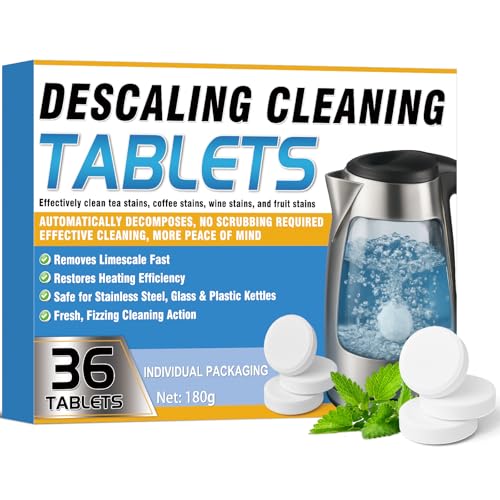
Erigathe Coffee Descaler Tablets 36 Count -…
- POWERFUL, FAST-ACTING DESCALING: Formulated with high-purity natural citric acid, these descaling tablets rapidly dissolve stubbor…
- ONE TABLET FOR ALL APPLIANCES: A single versatile formula covers your whole home: electric kettles, coffee machines (drip, capsule…
- RESTORE PERFORMANCE & EXTEND LIFESPAN: Regular cleaning (once a month) with Erigathe kettle cleaner not only effectively prevents…
As an Amazon Associate I earn from qualifying purchases.
You’ll also learn why descaling monthly isn’t just about looks, and how to tell when your water is the real problem.
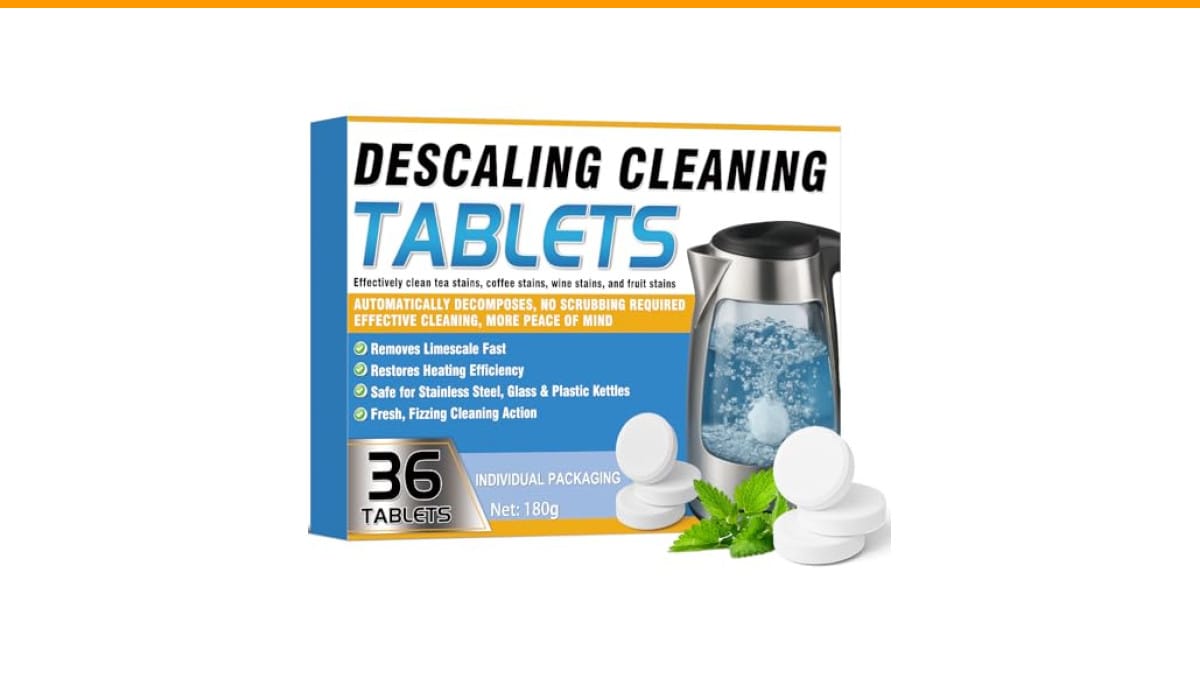
If you’d rather skip the vinegar smell and use something purpose-built, a pack like the Erigathe Kettle Descaler Tablet does the same job in 15 minutes with no scrubbing. Drop one in, fill with warm water, wait, rinse. That’s it.
What Actually Determines How Often You Need to Descale?
The short answer: every 4 to 8 weeks for most people. But your water is the real boss here. Hard water — water with high calcium and magnesium — leaves scale faster than soft water. If you live in a region with hard water, you’ll see white deposits after a couple of weeks. Soft water areas might go two months without any visible buildup.
Here’s a rough timeline based on usage and water type:
- Hard water, daily use: every 2–3 weeks
- Hard water, occasional use: monthly
- Soft water, daily use: every 4–6 weeks
- Soft water, occasional use: every 8–12 weeks
That’s the honest range. You can stretch it if you always use filtered water, but you can’t ignore it forever.
How do you know it’s time? Look at the heating element or the walls. A thin film is fine. Once you see flakes, a white crust, or the water takes noticeably longer to boil, that’s your signal.
There’s also the taste factor. Scale doesn’t just look bad — it can make your tea or coffee taste flat. If you’re serious about your brew, you’ll notice it before the visual cue.
How to Clean an Electric Kettle (Step-by-Step)
You have three solid options: white vinegar, citric acid powder, or descaling tablets. Each works, but they differ in smell, speed, and convenience.
Method 1: White Vinegar
The classic. Mix one part white vinegar to two parts water, fill the kettle halfway, and bring it to a boil. Let it sit for 15–20 minutes, then pour it out. Boil fresh water once or twice to rinse. The downside is the vinegar smell lingers unless you rinse well. It’s cheap and effective, but you’ll want to open a window.
Method 2: Citric Acid Powder
Citric acid works faster than vinegar and leaves no smell. Dissolve one to two tablespoons in a full kettle of water, boil, then let it sit for 15 minutes. Pour out and rinse. It’s my personal favorite for the cost-per-use ratio. You can buy a bag for a few dollars and it lasts for months.
Method 3: Descaler Tablets
Tablets like the Erigathe Kettle Descaler Tablet are the most foolproof. No measuring, no smell, and they’re designed for kettles, coffee makers, and other appliances. Drop one in, fill with warm water (not boiling), wait 15–30 minutes, and rinse. If you’ve got a stubborn layer, you can leave it longer. The one thing I’ll say: they cost more per use than vinegar, but they save time and the result is consistently clean.
Whichever method you pick, never use soap inside the kettle. Soap leaves a residue that bubbles into your next cup. Rinse with plain water only.
Also, never submerge the base or the electrical connector. Only the interior needs cleaning.
What Happens If You Don’t Clean It?
Scale acts as an insulator. It coats the heating element, so the kettle has to work harder to heat the same amount of water. That means longer boil times and higher electricity use. Over months, the element can overheat and burn out — a new kettle costs more than a $5 descaler.
There’s also the health angle. Scale itself isn’t dangerous, but it can harbor bacteria if it sits damp for days. If you leave water in the kettle between uses, that’s a breeding ground. I’ve seen brown flakes floating in a coworker’s tea, and that’s enough to make anyone rinse the kettle right after boiling.
Regular descaling also keeps the auto-shutoff working correctly. Thick scale can make the kettle’s temperature sensor misread, so it might not turn off when it should. That’s a safety issue, not just a performance one.
Comparing Cleaning Methods: Vinegar vs. Citric Acid vs. Tablets
Here’s a side-by-side table so you can pick what fits your routine.
| Method | Time | Smell | Cost per Use | Best For |
|---|---|---|---|---|
| White vinegar | 20–30 min | Strong, lingers | Pennies | Budget cleaning, no other supplies |
| Citric acid powder | 15–20 min | None | ~$0.10 | No smell, effective on heavy scale |
| Descaler tablets | 15–30 min | None | ~$0.25–$0.50 | Convenience, multi-appliance use |
All three dissolve scale chemically. The difference is convenience and residue. Vinegar can leave a faint taste if you don’t rinse enough. Citric acid and tablets rinse clean with one or two boils.
For heavy buildup, tablets and citric acid work faster because they’re more concentrated. Vinegar might need a second round.
If you’re also dealing with a coffee maker, you can use the same tablets — the Erigathe ones say they work for drip machines, espresso, and steam irons. That’s a nice bonus if you want one product for everything. I’ve used them in my espresso machine with good results; just follow the same drop-and-wait routine.
Frequently Asked Questions
Can I use baking soda to descale a kettle?
Baking soda is a mild abrasive, but it’s not great at dissolving limescale. It might scrub off a thin layer, but it won’t penetrate thick deposits. Stick with acid-based cleaners — vinegar, citric acid, or tablets.
Is it safe to boil vinegar in a kettle?
Yes, but don’t breathe the steam. Boiling vinegar releases strong fumes. Use a 1:2 ratio with water, keep the kitchen ventilated, and pour it out as soon as the kettle shuts off. Rinse thoroughly afterward.
How do I get rid of the vinegar smell after cleaning?
Boil a full kettle of fresh water, pour it out, then repeat. If the smell persists, add a slice of lemon to the second boil — the citric acid neutralizes the vinegar. I’ve never needed more than two rinses.
Can I clean a kettle with lemon juice?
Yes, lemon juice works because it’s citric acid. Squeeze half a lemon into the kettle, fill with water, and boil. It’s a decent backup, but the juice leaves pulp that can clog the spout. Strain after boiling.
How often should I clean a kettle if I have hard water?
Every two to three weeks if you use it daily. Hard water deposits scale fast. You’ll see a white ring after a week or two. Don’t wait for a thick crust — that’s harder to remove and wastes energy.
Small Habits That Keep Your Kettle Cleaner Longer
You can’t change your water, but you can slow down scale buildup with a few simple habits.
- Empty the kettle after each use. Stagnant water accelerates scale formation.
- Use filtered water if your tap is very hard. A basic filter removes some minerals.
- Wipe the interior dry with a cloth every few days. This removes the thin film before it hardens.
- Don’t let the kettle sit half-full for days. Boil only what you need.
- Set a reminder on your phone every 4 weeks. Your future self will thank you.
These won’t eliminate the need to descale, but they’ll stretch the time between cleanings and make each cleaning easier.
If you’re already cleaning your coffee maker on a schedule, add your kettle to the same routine. It’s the same principle — acid dissolves minerals, and regular maintenance beats emergency fixes.
For more specific help, check our guide on cleaning with vinegar if you prefer that method, or see how to deep clean a coffee machine for a full appliance refresh.
The Bottom Line on Kettle Cleaning
Here’s what to remember:
- Clean every 4–8 weeks for normal water, every 2–3 weeks for hard water.
- Look for white flakes, slower boiling, or off-tasting water as cues.
- Use vinegar, citric acid, or descaling tablets — never soap.
- Rinse thoroughly after any method.
- Empty the kettle after each use to slow scale buildup.
- Descaling protects the heating element and saves energy.
- Set a monthly reminder — it takes 20 minutes and prevents costly replacements.
Your kettle doesn’t need to be spotless every day, but it does need a regular date with acid. Pick a method you’ll actually stick to. I use citric acid because it’s cheap and odorless, but if you want zero fuss, the Erigathe tablets work exactly as advertised. Drop one in, wait, rinse, and you’re done.
Products related to this article
Sponsored / affiliate links. As an Amazon Associate I earn from qualifying purchases. I may earn additional commission from eligible campaigns.
 SOLUSTRE Electric USB Coffee Cup Warmer with Temperature Settings Portable Milk and Beverage Heating Coaster for Office Desk Small Lightweight Design Easy to Clean Surface Multi Functional
 VOBAGA Coffee Mug Warmer with 15oz Mug Set, Electric Coffee Cup Warmer
 Coffee Mug Warmer & You are Awesome Mug Set, Electric Cup Warmer for Desk