That first cup of morning coffee tastes a little flat. The brew cycle takes longer than it used to. Maybe you notice a faint, chalky film on the carafe. These are classic signs of limescale and mineral buildup inside your drip coffee maker. Hard water leaves behind calcium deposits that cling to the heating element and internal tubing. Over time, that buildup affects more than just taste—it slows down brewing, makes the machine work harder, and shortens its lifespan.
Descaling is the fix. It’s a simple maintenance task that dissolves those mineral deposits and restores your machine’s performance. This guide walks you through the entire process, from choosing a descaling solution to running the final rinse cycle. You’ll also learn how often to do it, what to do when your machine is heavily clogged, and how to keep it clean between deep cleans.

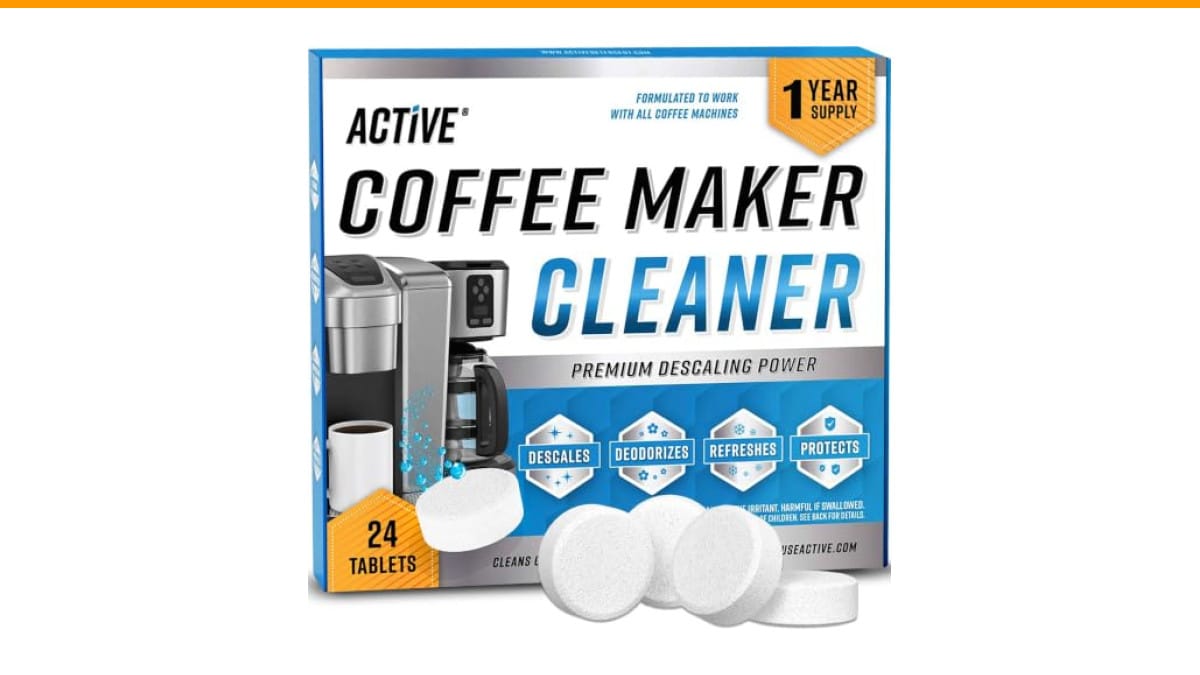
ACTIVE
Coffee Machine Cleaner Descaler Tablets - 24…
- Bulk Coffeemaker Decalcifier Tablet: 24 Tablets Work out to a Year Supply or more. Compare to other products like powder, pods, sa…
- Wide Brewer Cleaner Compatibility: ACTIVE cleaners work with Single K Cup, Pod Style system and regular multi-cup machines. Compat…
- Descale and Deep Clean: ACTIVE Descales Hard Water Buildup, Calcium, Limescale, Grime, and Oil in your Machine with our concentrat…
As an Amazon Associate I earn from qualifying purchases.
You don’t need to be handy or buy expensive equipment. Just a little time and the right solution. Let’s get your coffee maker back to brewing properly.
While vinegar and citric acid work fine, many people prefer a dedicated descaling product. The ACTIVE Coffee Machine Descaler Tablets are a solid choice. You get 24 tablets, which works out to a year or more of regular maintenance. They’re compatible with most drip machines, single-serve brewers, and espresso machines, so you don’t need to stock different products for different appliances. The concentrated formula tackles hard water buildup, calcium, and coffee oil residue in one pass.
What You Need Before You Start
Gather your supplies first. You’ll need a descaling solution, fresh water, and an empty sink. You also want a clean cloth for wiping down the machine.
For the solution, you have three main options:
- White vinegar: Cheap and effective. Use a 1:1 ratio of vinegar to water. The smell is strong but fades after a few rinse cycles.
- Citric acid powder: Mix 1–2 tablespoons with a full reservoir of water. It’s odorless and works just as well as commercial products.
- Commercial descaling tablets: These are formulated for coffee equipment. They often include anti-corrosion agents and are faster acting. The ACTIVE tablets are a good example.
Your machine’s manual might have specific instructions. Check it if you have it handy. Some manufacturers void warranties if you use vinegar, so a commercial descaler is the safer bet for newer machines.
Step-by-Step Descaling Process
Start with an empty carafe. Remove any paper filters and discard old coffee grounds. Fill the water reservoir with your chosen descaling solution. If you’re using vinegar, that means equal parts vinegar and water. For tablets, follow the package directions—usually one tablet dissolved in a full tank of water.
Place the empty carafe back in position. Turn the machine on and start a brew cycle. Let it run through about half the cycle, then turn the machine off. Let it sit for 30 to 45 minutes. This soaking period lets the solution work on the stubborn mineral deposits inside the heating element and tubing.
After the soak, turn the machine back on and finish the brew cycle. Let the solution drain completely into the carafe. Pour it out and discard it.
Now the rinse phase. Fill the reservoir with fresh, clean water only. Run a full brew cycle. Discard the water. Repeat this rinse cycle at least two more times. You want to make sure no vinegar or descaling solution remains, as it will ruin the taste of your next pot.
Finally, wipe down the exterior and the warming plate with a damp cloth. If your carafe has mineral stains, fill it with a little vinegar and water and let it sit for 15 minutes before scrubbing it clean.
How Often Should You Descale?
Frequency depends on your water hardness and how much coffee you brew. As a general rule, descale every three months if you use tap water. If you have hard water, or you brew multiple pots a day, do it monthly. If you use filtered or bottled water, you might stretch it to every six months.
Pay attention to the signs. A slower brew cycle is the first indicator. If the carafe fills noticeably slower than when the machine was new, it’s time to descale. Other signs include a bitter or metallic taste in the coffee, visible scale on the carafe, and unusual noise during brewing—that’s the heating element working harder to push water through the buildup.
Daily maintenance helps extend the time between descaling. Rinse the carafe after each use and wipe the warming plate. Don’t leave coffee sitting in the carafe overnight. For a deeper clean between descaling sessions, check out our guide on proper coffee maker cleaning.
What If Your Coffee Maker Is Clogged?
Heavy mineral buildup can completely block the water flow. If your machine barely drips, or only produces steam, a standard descaling cycle might not be enough. You need a more aggressive approach.
Run the descaling cycle as described above, but use a stronger solution. For vinegar, use a 2:1 ratio of vinegar to water. For citric acid, use 3 tablespoons per full reservoir. Let the solution sit in the machine for a full hour instead of 30 minutes.
If that doesn’t clear the clog, you may need to clean the internal components manually. Some drip machines have removable water lines or a check valve that can be cleaned. Consult your manual. In some cases, a clogged machine is beyond saving. If you’ve tried descaling twice and the flow hasn’t improved, the heating element might be damaged. Here’s more on fixing a clogged coffee maker.
Sometimes the issue isn’t scale but old coffee oils. These build up in the same way and can clog the system. Descaling tablets that also break down oils, like the ACTIVE cleaner tablets, handle both problems at once.
Comparing Descaling Methods
| Method | Cost | Effectiveness | Time | Smell | Best For |
|---|---|---|---|---|---|
| White Vinegar | Very low | Good for light to moderate scale | 60–90 min | Strong vinegar odor | Budget-friendly, regular maintenance |
| Citric Acid Powder | Low | Good, similar to vinegar | 60–90 min | None | Those who hate vinegar smell |
| Commercial Tablets | Moderate | Excellent, targets scale and oils | 45–60 min | Mild, clean scent | Heavy buildup, espresso machines, warranty safety |
Vinegar is fine for most people. It’s cheap and readily available. The downside is the smell, which lingers even after multiple rinses. Citric acid solves the smell problem and costs about the same. Commercial tablets cost more per use, but they dissolve faster, work better on stubborn deposits, and are less likely to damage sensitive parts.
Frequently Asked Questions
Can I use vinegar to descale my drip coffee maker?
Yes. White distilled vinegar is the most common DIY descaling solution. Mix equal parts vinegar and water, run a brew cycle, soak for 30 minutes, then rinse thoroughly with fresh water. It works well for light to moderate scale buildup. The main drawback is the strong smell, which requires extra rinse cycles to eliminate.
How often should I descale my coffee maker?
Every three months is the standard recommendation for average use with tap water. If you brew more than six cups a day or have hard water, bump that up to monthly. If you use filtered water, you can stretch it to every six months. Watch for slower brew times as the signal to descale sooner.
What happens if I don’t descale my coffee maker?
Mineral scale builds up on the heating element, making it work harder and less efficiently. Your coffee will taste bitter or flat. The machine will take longer to brew, and eventually, the heating element can overheat and fail. Regular descaling prevents costly replacements.
Is it safe to use descaling tablets in a drip coffee maker?
Yes, most commercial descaling tablets are safe for drip machines. They’re designed to dissolve limescale without corroding plastic or metal parts. Unlike vinegar, they won’t leave a lingering odor. Always follow the package instructions for the correct dilution and rinse cycle.
Why does my coffee maker still taste bad after descaling?
You might not have rinsed thoroughly enough. Leftover descaling solution ruins the taste. Run two or three additional rinse cycles with fresh water. If the taste persists, the issue could be old coffee oils trapped in the machine. A deep clean with a tablet that targets oils, not just scale, can help. Also, check your water source—if your tap water tastes bad, your coffee will too.
What To Remember For Next Time
- Descale every 3 months for average use, monthly for heavy use or hard water.
- Slow brewing and a bitter taste are the first signs you need to descale.
- Vinegar works but smells; citric acid is odorless; commercial tablets are the most thorough.
- Always run at least two full rinse cycles after descaling to remove all solution.
- Don’t leave coffee sitting in the carafe—clean it daily to reduce buildup.
- If your machine is heavily clogged, use a stronger solution and a longer soak time.
- Regular descaling is cheaper than buying a new coffee maker. See why regular cleaning matters for your appliance’s health.
Descaling is a 30-minute chore that pays off in better tasting coffee and a longer-lasting machine. Set a reminder on your phone for the first of every third month. Your morning routine will thank you. For more maintenance tips, explore our guide on descaling at home.
Products related to this article
Sponsored / affiliate links. As an Amazon Associate I earn from qualifying purchases. I may earn additional commission from eligible campaigns.
 HomeBeyond Espresso Coffee Maker 12 Cups, Classic Stovetop Espresso Maker, 600ml / 20oz Coffeemaker for Gas & Ceramic Stovetops (Silver)
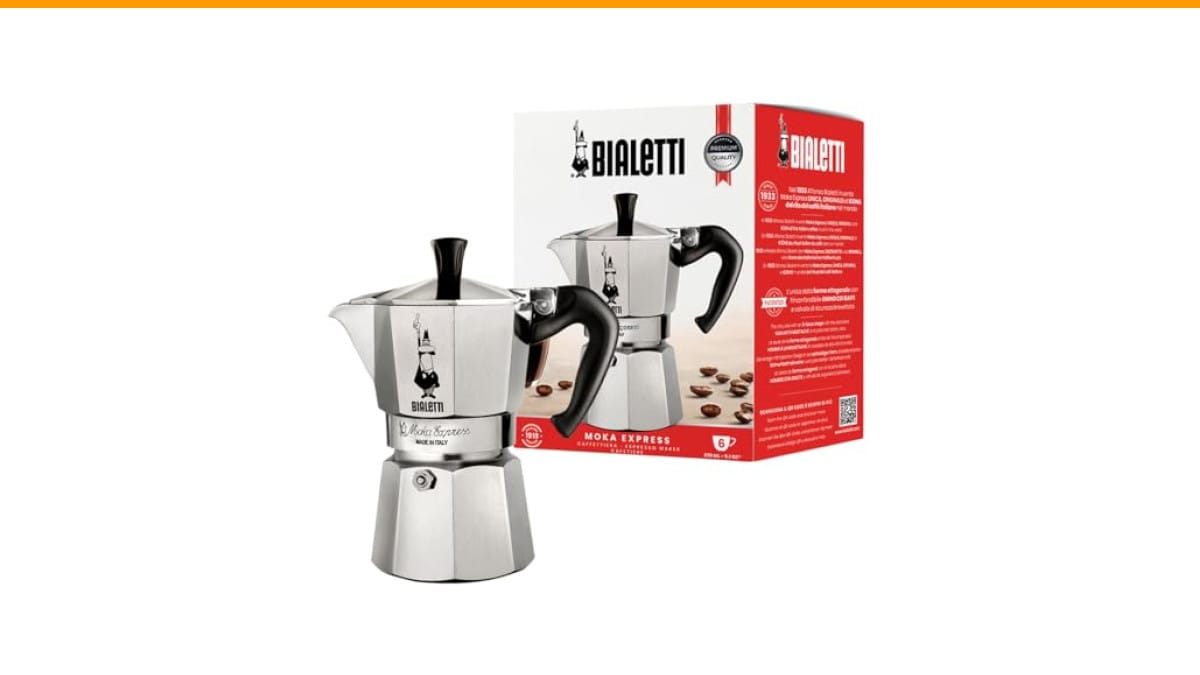
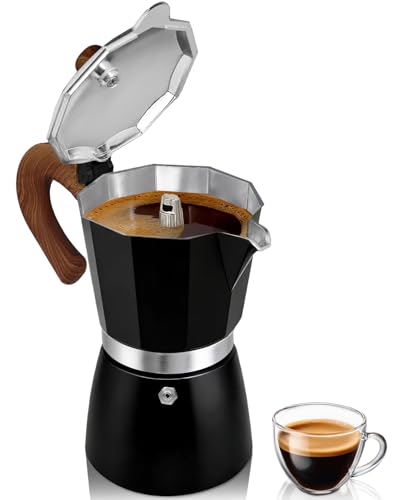 Belly Moka Coffee Maker Stovetop Espresso Maker 9 Cup Aluminum Moka Pot Percolator 15oz 450ml Easy Brewing for Electric Ceramic Stoves Home Camping Italian Cuban Café Classic Black
 Belly Moka Coffee Maker Stovetop Espresso Maker 6 Cup Aluminum Moka Pot Percolator 10oz 300ml Easy Brewing for Electric Ceramic Stoves Home Camping Italian Cuban Café Classic Silver