You pull the little mesh cylinder out of your Cuisinart’s water reservoir, and it’s beige, slimy, and covered in what looks like fine sand. You know it needs replacing, but you pause. Can this go in the trash? Is it recyclable? Should you rinse it first? Most owners toss it without thinking, but there’s a right way and a wrong way to handle a spent water filter.
This guide covers the actual disposal process for charcoal water filters, how to check if yours is truly done, and what to do with the plastic housing so it doesn’t sit in a landfill for centuries. I’ll also explain why you shouldn’t compost them, even though the inside is mostly carbon.

BRENSTEN
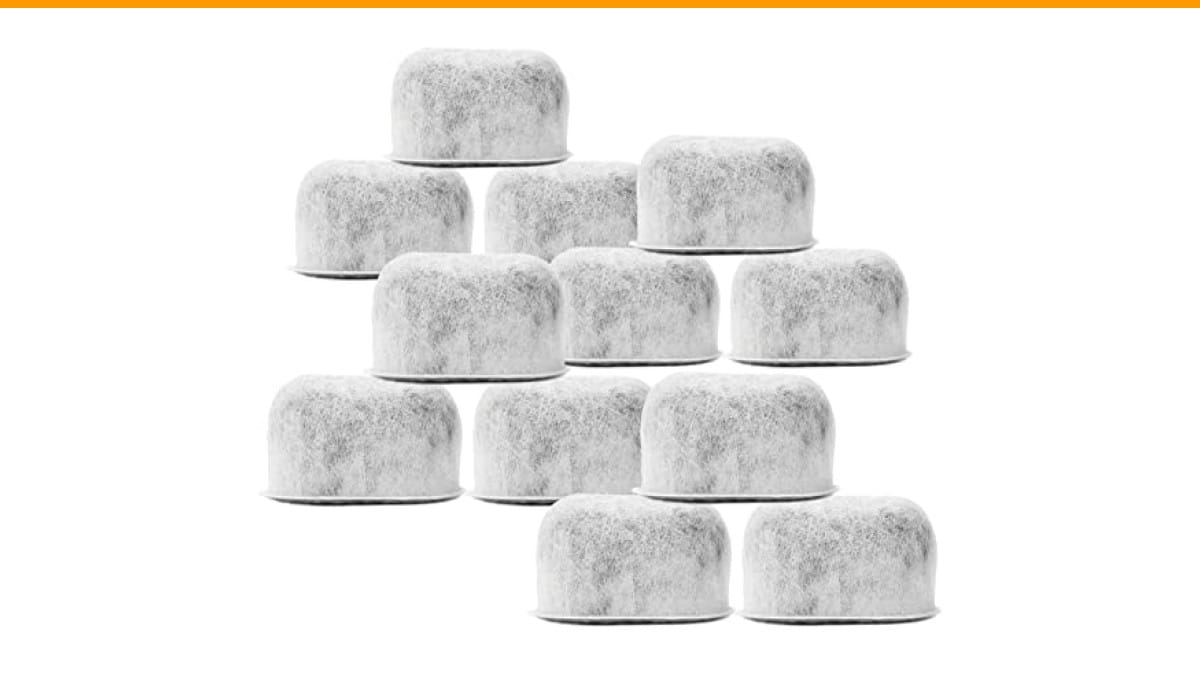
12 Pack Replacement Charcoal Water Filters for…
- ENJOY THE DELICIOUS TASTE AND AROMA OF BREWED COFFEE - Removes chlorine, odors, calcium, and other water impurities prior to brewi…
- COMPATIBLE WITH CUISINART COFFEE MAKERS – Specially designed for Cuisinart coffeemakers, these set of charcoal filter refills will…
- EASY TO INSTALL – Not only will these filters provide a less expensive way for you to enjoy delicious coffee, but they are also ve…
As an Amazon Associate I earn from qualifying purchases.
If you’re using a Cuisinart machine, the filter is a small puck in a plastic cage. The BRENSTEN 12-pack of Cuisinart-compatible charcoal filters gives you a year of replacements if you swap monthly, so you won’t be dealing with disposal as often.
What’s Actually Inside a Coffee Water Filter
Before you decide how to dispose of it, you need to know what you’re holding. Most drip coffee makers use activated carbon (charcoal) granules packed inside a thin plastic shell. That shell is usually polypropylene, which is recyclable in theory but rarely accepted in practice because it’s so small.
The carbon itself is just treated charcoal. It’s not hazardous waste. It’s not contaminated with heavy metals or chemicals. It’s the same stuff used in aquarium filters and water pitchers. So the disposal question is less about toxicity and more about what your local recycling program will actually take.
One thing to note: the filter has been sitting in water for weeks. It’s a breeding ground for bacteria by the end of its life. So handle it with dry hands, and don’t let it drip across your counter.
The Right Way to Throw It Away
For 95% of people, the correct answer is the regular trash. Here’s the process I recommend:
- Remove the filter from the machine while it’s dry. Don’t run water through it first.
- Tap it gently over a trash can to knock loose any loose carbon dust.
- Wrap it in a paper towel or a small piece of newspaper. This keeps the wet carbon from sticking to everything else in your bin.
- Place it in your regular household trash. Not the recycling bin.
That’s it. The carbon will break down eventually, and the plastic shell will take a few hundred years, but that’s the reality of modern consumer products. You’re not doing anything wrong by throwing it in the garbage.
If you want to be a bit more conscientious, you can separate the plastic housing from the carbon. Some filters pop open with a twist; others need a small screwdriver to pry the seam. Once open, dump the carbon into your garden soil (it’s a mild soil amendment) and recycle the plastic if your curbside program accepts #5 polypropylene. Most don’t, but check the number on the bottom of the housing.
Can You Compost or Flush a Water Filter?
Short answer: no, not the whole thing. The carbon inside is compostable, but the plastic cage isn’t. Flushing it down the toilet or sink is a bad idea. The carbon granules can clog your drain trap, and the plastic shell will likely get stuck in the pipe bend. I’ve seen the aftermath of a flushed filter, and it’s not a plumbing bill you want.
Composting the carbon alone is fine if you have a pile. Activated carbon is just charcoal, and charcoal is a known soil conditioner. But don’t toss the whole filter in. You’ll be picking plastic shards out of your garden bed for years.
| Disposal Method | Works for Carbon | Works for Plastic Shell | Best For |
|---|---|---|---|
| Regular trash | Yes | Yes | Everyone; simplest option |
| Recycling bin | No | Only if #5 accepted | Rare; check local rules |
| Compost pile | Yes | No | Gardeners who disassemble |
| Flush down drain | No | No | Never; causes clogs |
| Reuse/repurpose | No | Yes, as a scrubber | DIY types |
How to Tell a Filter Is Actually Spent
You don’t need to replace a filter just because the calendar says 30 days. That’s a guideline, not a law. If you have soft water, a filter can last six weeks or more. If you have hard water, it might be done at three weeks.
Here are the real signs it’s done:
- The water reservoir smells musty or earthy even after cleaning.
- Your coffee tastes flat or slightly bitter compared to a fresh pot.
- The filter looks dark brown or black and feels slimy, not just wet.
- You notice scale buildup on the heating element inside the machine.
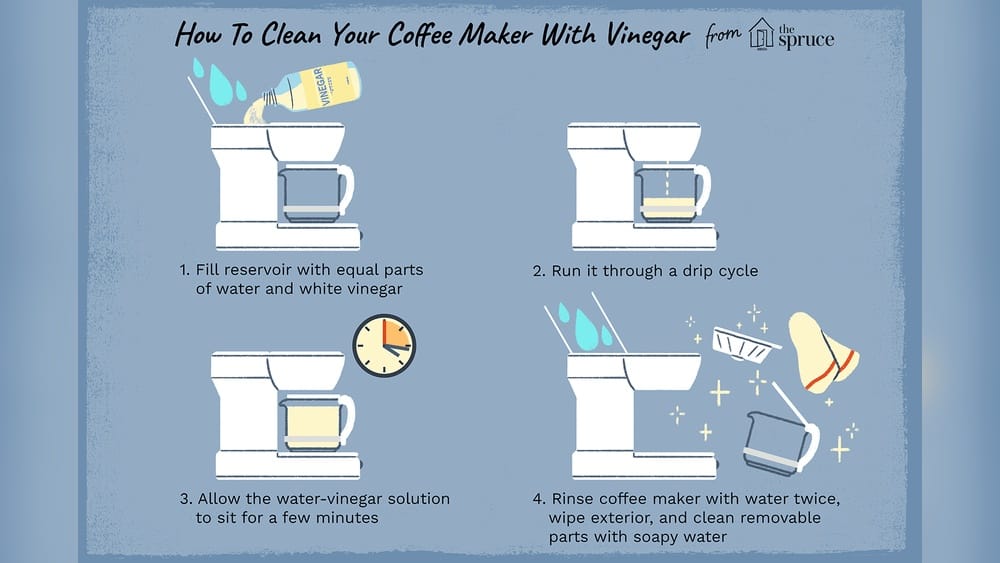
When you see those signs, it’s time to swap. Don’t wait for the calendar. And when you do swap, that’s a good moment to do a quick deep cleaning routine on the reservoir and brew basket while the old filter is out.
What About the Replacement Filter’s Packaging?
Your new filters come in a plastic bag or a cardboard box. That packaging is often recyclable, but the filters themselves are not sealed individually. The BRENSTEN pack I mentioned comes with 12 filters in one box, so you’re not dealing with 12 little plastic pouches. That’s a minor win for waste reduction.
If your filters do come individually wrapped, those wrappers are usually #4 plastic film. Most grocery stores have a drop-off bin for plastic bags and film. Throw them in there instead of the trash.
Reusing the Plastic Housing (Yes, You Can)
Before you toss the whole assembly, look at the plastic cage. It’s durable and has a fine mesh. I’ve seen people repurpose them as tiny scrub brushes for narrow bottle necks. The mesh is abrasive enough to remove residue without scratching glass.
Another option: use an empty filter housing as a mini strainer for rinsing small seeds or herbs. It’s not perfect, but it’s a decent second life before the landfill. If you’re not into repurposing, just throw it away. Don’t guilt yourself into keeping a drawer full of plastic pucks.
Does Disposal Differ for Built-In vs. Pitcher Filters?
Yes, slightly. A built-in filter like the one in your Cuisinart sits in a plastic holder that clips into the reservoir. That holder is part of the machine, not the filter. You keep it. Only the charcoal puck gets replaced.
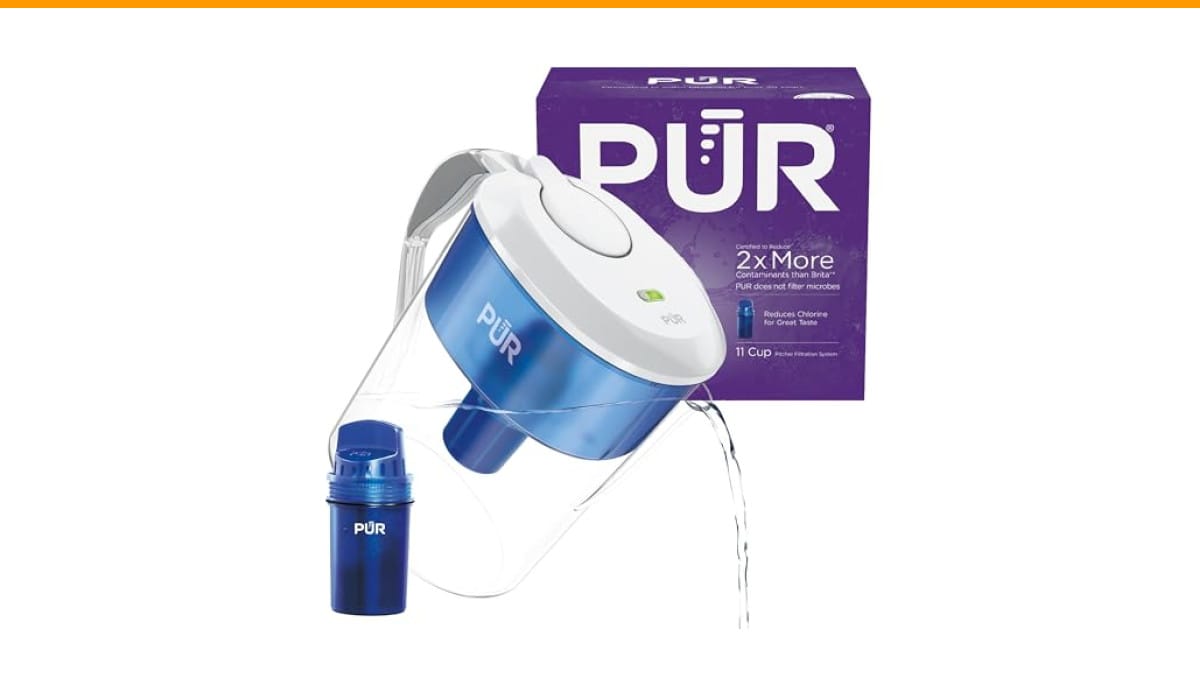
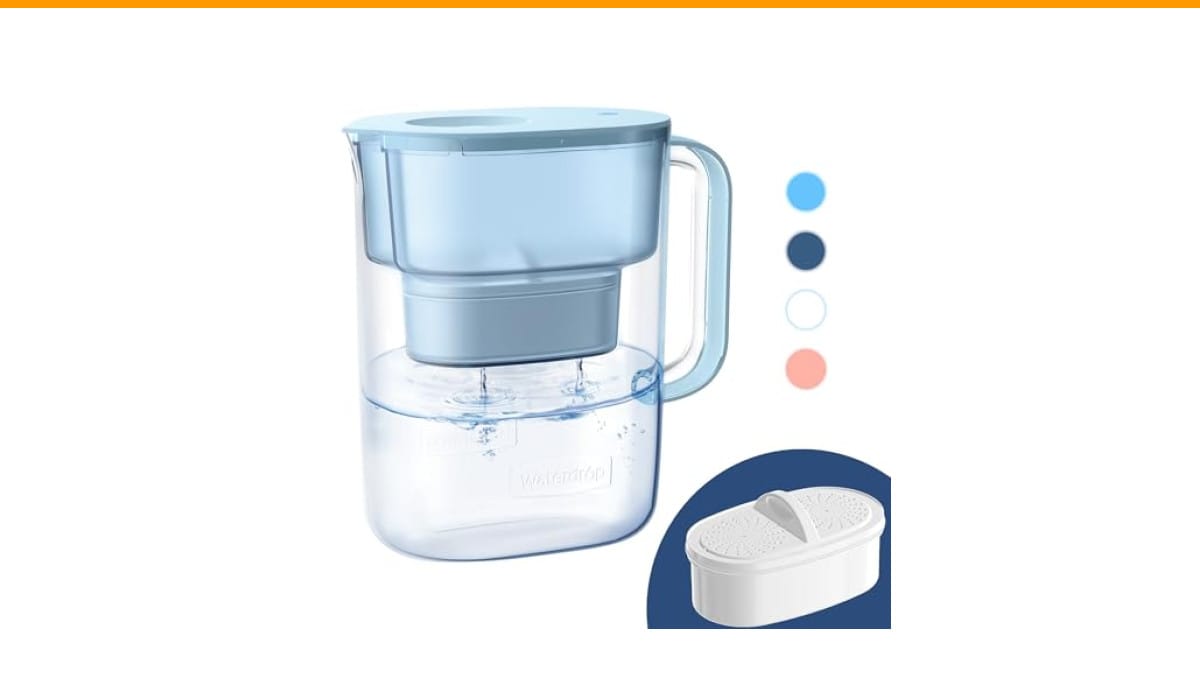
Pitcher filters, like Brita or PUR, are a different beast. They’re a single plastic unit with the carbon sealed inside. You can’t easily separate them. Those go straight in the trash unless your city has a special program for them. Some manufacturers offer a mail-back recycling program, but it’s rarely worth the shipping cost.
For your Cuisinart, you’re only disposing of the small charcoal disc. That’s a much smaller waste footprint than a full pitcher cartridge.
How Often Should You Actually Replace It?
As a rule, every 30 days is safe. But if you’re using filtered water from a fridge or a pitcher, you can stretch it to 45 days. The filter is just polishing the water, not doing heavy lifting. If your tap water is chlorinated and hard, stick to the 30-day schedule.
Here’s a practical tip: write the date on the filter with a permanent marker when you install it. The water will smear it, but you’ll still see the general timeframe. I’ve found this more reliable than trying to remember which Sunday you swapped it.
Replacing on schedule also helps your machine run cleaner. A spent filter lets sediment pass through, which can contribute to scale. If you’re already dealing with buildup, check our guide on removing limescale before it becomes a problem.
Frequently Asked Questions
Can I throw a coffee water filter in the recycling bin?
Most curbside programs will reject it. The filter is too small and contains mixed materials (plastic and carbon). Even if the plastic is marked #5, the carbon residue contaminates the sorting process. Put it in the trash unless you’ve disassembled it and confirmed your local program accepts #5 plastic.
Is the carbon inside a water filter toxic?
No. Activated carbon is inert and safe to handle. It’s the same material used in fish tank filters and water purification tablets. You don’t need gloves or a mask. Just wash your hands after handling because it’s messy and slightly gritty.
Can I wash and reuse a charcoal water filter?
No. Once the carbon is saturated with chlorine and impurities, rinsing won’t reactivate it. You’re just washing off surface grime. The internal pores are full. Reusing it means your coffee is brewing with unfiltered water, which defeats the purpose.
What happens if I never replace the filter?
The water bypasses the filter or flows through it without treatment. Your coffee will taste more chlorinated and flat. Over time, sediment and scale can build up in the machine’s internal tubing, which shortens its lifespan. You won’t break anything immediately, but you’re slowly damaging the machine.
Can I compost the filter if I remove the plastic?
Yes, the carbon is compostable. But the plastic housing is not. If you’re willing to crack it open, dump the carbon in your compost bin and trash the plastic. It’s a small effort that keeps a little waste out of the landfill.
What to Do Next After Disposal
Once the old filter is out and the new one is in, take two minutes to wipe down the reservoir with a damp cloth. Any slime left behind will just contaminate the new filter faster. Then run a brew cycle with just water to prime the new charcoal. That first cup will taste slightly carbon-y, so dump it.
If you want to extend the life of your machine between filter changes, keep up with regular maintenance routines. A clean machine uses filters more efficiently.
Here are the practical takeaways:
- Throw the whole filter in the regular trash. That’s the standard, safe method.
- Don’t flush it. Carbon clogs drains, and plastic causes blockages.
- Compost only the carbon if you crack the housing open.
- Recycle the plastic only if your local program takes #5 polypropylene.
- Replace every 30 days for hard water, 45 days for soft or pre-filtered water.
- Write the install date on the filter to track its age.
- Repurpose the empty plastic housing as a small scrubber if you’re handy.
Disposal is a two-minute task. Don’t overthink it. Just don’t put it in the sink.
Products related to this article
Sponsored / affiliate links. As an Amazon Associate I earn from qualifying purchases. I may earn additional commission from eligible campaigns.
 Coffee Pot Handle Replacement, Black Plastic Parts for Espresso Moka Pot, 1 3 6 9 12 Cup Capacity,Easy Install(3 Cup)
 KARHDIR 15" Walk Behind Floor Scrubber Machine, 23" Squeegee
 Coffee Espresso Machine Handle Replacement Parts, Cafe Bracket Handle for Lidl Silvercrest CM4621 CM4218 KF5002 KF500S Barista (for 51mm Portafilter Basket - Not included)