The first time your knock box base cracks, you’ll notice it in the worst way possible — a wet, heavy puck of spent coffee misses the chute entirely and lands on your counter. Or worse, the rubber bar splits and you slam your portafilter straight into a metal edge, sending a shockwave up your wrist. I’ve been there. Most home baristas treat a knock box like a disposable item, but the truth is that most failures are easily repairable with basic tools and a little know-how.
This guide walks through the common failure points — cracked bases, bent bars, worn rubber sleeves, and loose hinges — and gives you specific fixes for each. You’ll also learn when a repair just doesn’t make sense and a replacement is the smarter move. By the end, you’ll have a clear plan to get your knock box back in service without spending money on a whole new unit.

CAFEMASY
CAFEMASY Rubber Knock Box Bar Sleeve -…
- PACKING - Including 1pc rubber cover sleeve (no including the knock bar) for square espresso knock box chute. The length of this r…
- MATERIAL - Made of high quality rubber, thick, sturdy and durable.
- FUNCTION - Helps to protect your portafilter and reduces knocking noise. Also protects the knock bar and baristas' fingers from da…
As an Amazon Associate I earn from qualifying purchases.
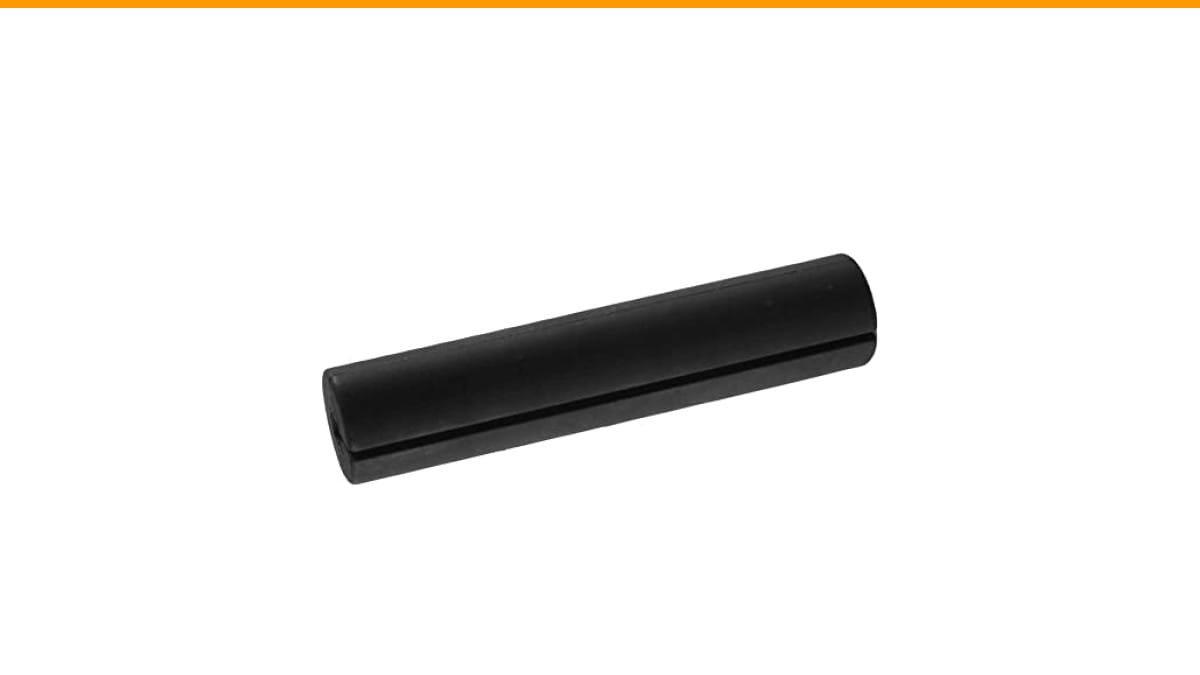
If your knock bar itself is still solid but the rubber covering has split or worn down, a simple sleeve replacement can save the day. The CAFEMASY Rubber Knock Box Bar Sleeve is a direct-fit cover for square chute knock boxes, measuring 13.5cm long with a 2.9cm diameter. It slides over your existing bar to restore grip and quiet the knock.
Myth #1: A Cracked Base Means the Knock Box Is Dead
Most people toss a knock box the moment they see a hairline crack in the plastic base. That’s usually a mistake. A crack that doesn’t compromise structural integrity can be repaired in under an hour.
Start by emptying the box and cleaning the crack area with isopropyl alcohol. Let it dry completely. Then apply a two-part epoxy designed for plastics — JB Weld PlasticWeld works well. Clamp the crack shut with a small C-clamp and let it cure for a full 24 hours, not the 15 minutes the tube claims. I’ve fixed three boxes this way, and each one held for over a year of daily use.
For cracks that run along the bottom edge where the weight concentrates, you’ll want more reinforcement. Sand the area around the crack with 80-grit paper, then lay a strip of fiberglass tape over the epoxy while it’s still wet. This adds tensile strength that bare epoxy can’t match.
The one exception: if the crack runs through a mounting screw hole or hinge point, the stress will eventually reopen it. In that case, replacement is the honest answer.
Myth #2: Louder Knocks Mean Better Puck Release
There’s a persistent belief that you need to slam the portafilter hard to get a clean puck drop. That’s backwards. A properly dried puck releases with a firm, controlled tap — not a full-force whack. If you’re pounding your knock box, you’re not fixing a technique problem; you’re slowly destroying the bar, the base, and your portafilter ears.
The damage shows up in predictable ways. The rubber sleeve develops flat spots or tears. The metal bar bends downward in the middle. The base develops stress fractures near the mounting points. All of these are mechanical failures from excessive force, not normal wear.
Switch to a two-tap method: one firm tap to break the puck loose, then a lighter tap to let it fall. If the puck doesn’t release on the second tap, your grind or dose is off — not your knock box. Fixing your workflow is cheaper than replacing gear.
Repairing a Bent or Loose Knock Bar
A bent bar is the most common mechanical failure I see on standing knock boxes. The bar is usually a steel rod, 10-12mm thick, held in place by two side brackets. When it bends, the portafilter doesn’t sit flat, and you get uneven force distribution on every knock.
Here’s how to fix it:
- Remove the bar from the brackets. Most designs use a set screw or a simple friction fit.
- Lay the bar on a flat, hard surface like a concrete floor or an anvil.
- Strike the high point with a hammer using moderate force. Work slowly — check straightness after every two or three hits.
- Reinstall and test with a dry portafilter. The basket rim should contact the bar evenly across its full width.
If the bar is bent more than about 10 degrees, straightening it will leave a weak point. The metal has already work-hardened, and a second bend will likely snap it. In that case, order a replacement bar that matches your box’s dimensions.
Loose bars are easier. If the bar spins freely in its bracket, tighten the set screw. If there’s no set screw, wrap two layers of plumber’s tape around the bar end before reinstalling to take up the slack.
When the Rubber Sleeve Is the Problem
The rubber sleeve takes the brunt of every knock. It’s a consumable part, like brake pads on a car. Over time, it compresses, hardens, or splits. When that happens, you’re knocking metal-on-metal, which is loud and can chip the chrome plating on your portafilter.
Replacing the sleeve is a five-minute job. Most sleeves, including the CAFEMASY version, have a slit running down the middle so you can wrap them around the bar without removing it from the box. Just open the slit, slide it over the bar, and press it flat.
Before buying a replacement, measure your bar’s diameter and length. The CAFEMASY sleeve is 2.9cm in diameter and 13.5cm long, designed for square chute knock boxes. If your bar is thicker or longer, you’ll need to source a different size. Check the current price and fitment details on Amazon before ordering.
One thing I’ve learned the hard way: don’t buy a sleeve that’s too tight. It’ll fight you during installation and may tear at the slit within a month. A slightly loose fit is better than a tight one, as the rubber needs room to flex during impact.
Comparing Repair vs. Replacement Options
| Issue | Repair Cost | Time | Difficulty | Recommendation |
|---|---|---|---|---|
| Cracked plastic base (hairline) | $8-12 (epoxy) | 1 hour + 24h cure | Easy | Repair if crack is not near mounting points |
| Bent metal bar (under 10°) | $0 (hammer + flat surface) | 15 minutes | Moderate | Repair, but monitor for re-bending |
| Bent metal bar (over 10°) | $15-25 (replacement bar) | 10 minutes | Easy | Replace — straightening risks snapping |
| Worn/split rubber sleeve | $10-15 (sleeve only) | 5 minutes | Easy | Replace sleeve, keep the box |
| Broken hinge or mounting bracket | $20-40 (parts) | 30 minutes | Hard | Replace the whole knock box |
| Severe base fracture (multiple cracks) | N/A | N/A | N/A | Replace — structural integrity is gone |
That table assumes you have basic tools on hand. If you don’t own a hammer or clamps, factor in those costs. Sometimes a $30 replacement knock box is cheaper than buying tools you’ll use once.
Preventive Maintenance to Avoid Future Breakage
Most knock box failures are preventable. The biggest culprit is knocking with the portafilter at an angle, which concentrates force on one point of the bar. Keep the portafilter level and let gravity do the work.
Clean the bar and brackets monthly. Coffee oils build up and make the rubber sleeve slick, which encourages harder knocking. A quick wipe with a damp cloth removes the residue and restores grip.
Check the mounting screws every few months. A loose box wobbles, and that wobble transfers stress to the base. Tighten screws to snug, not cranked — over-tightening strips plastic threads.
If your box sits on a hard counter, consider a small silicone mat underneath. It absorbs vibration and reduces the shock transmitted to the base. This is the same reason espresso machines with vibration dampening run quieter and last longer.
And if you’re upgrading your whole setup, remember that a knock box is part of the workflow. A semi-automatic machine with a proper knock box routine will produce drier pucks, which means less stress on the box itself.
Common Questions About Knock Box Repairs
Can I use a knock box with a cracked base temporarily?
You can, but you’re gambling. A hairline crack can hold for months or fail on the next knock. If you must use it, place the box on a solid surface and knock gently. Don’t hold it in the air or rest it on a trash can rim — that multiplies the stress on the crack.
How do I know if my knock bar is bent?
Place a straightedge across the bar. If you can see light under the middle, it’s bent. Another sign: the portafilter rocks side to side when you rest it on the bar. A straight bar makes full contact with the basket rim.
Will a rubber sleeve fit any knock box?
No. Sleeves come in specific diameters and lengths. The CAFEMASY sleeve is 2.9cm in diameter and 13.5cm long, designed for square chute boxes. Measure your bar before ordering. A sleeve that’s too small won’t stay in place; one that’s too large will slide around and reduce knock efficiency.
Why does my knock box smell bad after a few months?
That’s rancid coffee oil trapped in the rubber and plastic. The fix is a deep clean — soak the bar and base in warm water with a few drops of dish soap, then scrub with a soft brush. Dry thoroughly. If the smell persists, the rubber has absorbed the oil permanently and needs replacement.
Is it worth repairing a cheap knock box?
If the box cost under $20, a repair that costs $15 in parts and an hour of your time is borderline. But if a $10 sleeve extends the life of a box you like, that’s a good deal. The math changes if the base is cracked — at that point, replacement is usually the right call.
What to Do Next
- Inspect your knock box now — check for cracks, bends, and rubber wear before your next shot.
- Measure your knock bar diameter and length, then order a replacement sleeve if the rubber is worn.
- Fix hairline base cracks with plastic epoxy and a 24-hour cure — don’t rush it.
- Straighten a mildly bent bar with a hammer, but replace it if the bend exceeds 10 degrees.
- Switch to a two-tap knocking technique to reduce stress on the entire assembly.
- Clean the bar and brackets monthly to prevent oil buildup and premature wear.
- If the base has multiple cracks or a broken hinge, stop repairing and buy a new unit.
Products related to this article
Sponsored / affiliate links. As an Amazon Associate I earn from qualifying purchases. I may earn additional commission from eligible campaigns.
 Coffee Espresso Machine Handle Replacement Parts, Cafe Bracket Handle for Lidl Silvercrest CM4621 CM4218 KF5002 KF500S Barista (for 51mm Portafilter Basket - Not included)
 Linnkyfloa Coffee Espresso Maker Handle Replacement for Stovetop Moka Pot or Percolator, Black Plastic for Spare Part Compatible with Italian(9-12 Cup)
 AirheadStorm Coffee Espresso Moka Stove Pot Handle, Mocha Pot Handle, Moka Express Handle Replacement Handle Parts for Espresso Pots 1 3 6 9-12 Cups(6 Cup)