You just spent good money on a burr grinder, yet your morning cup still tastes flat or harsh. That happens more often than you’d think. The grinder is doing its job, but the rest of your workflow is quietly sabotaging the beans.
This guide covers the real reasons your coffee misses the mark and what to do about it. You’ll learn how to adjust grind size, dose, and technique to get noticeably better flavor from the same beans and the same grinder.
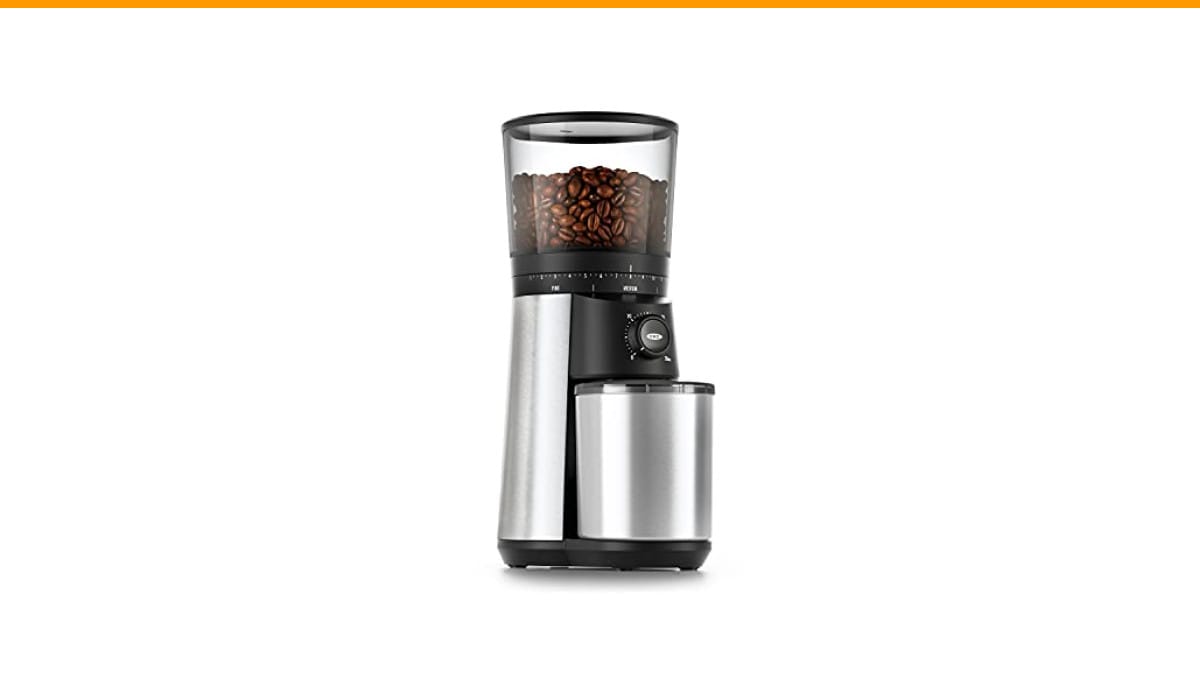
If you’re using a basic model, the OXO Brew Conical Burr Grinder is a solid starting point. Its 40mm stainless steel burrs and 15 grind settings give you enough control to dial in most brew methods without overthinking it.
Grind Size Is the First Thing to Fix
Most people never change their grind setting after the first week. That’s the biggest mistake. Coffee beans change as they age, and the weather changes how they grind. A setting that worked last month won’t work today.
Start with a simple test. Grind a small batch and feel it between your fingers. For pour-over, it should feel like coarse sea salt. For drip, like table salt. For espresso, like powdered sugar. If it feels off, adjust the dial one notch and brew again.
Under-extraction tastes sour and thin. Over-extraction tastes bitter and dry. The sweet spot is usually closer than you think, so move in small steps. On the OXO grinder, one click changes the extraction noticeably, especially with lighter roasts.
When you change beans, reset your grind. Dark roasts are more brittle and produce more fines, so they often need a slightly coarser setting. Light roasts are denser and need a finer setting to extract properly. A 2-3 click difference is normal between roast levels.
Dose Consistency Matters More Than You Think
Weighing your beans is not optional if you want repeatable results. A scoop can vary by 2-3 grams depending on bean density and how you fill it. That variance changes the brew ratio and throws off your flavor.
Use a scale that reads to 0.1 grams. A standard starting point is a 1:16 ratio, meaning 30 grams of coffee to 480 grams of water. Adjust from there based on taste. If it’s too strong and bitter, reduce the dose. If it’s weak and sour, increase it.
One thing to watch: grinders hold retained grounds. The first few grams that come out are often stale from the last batch. Grind a few grams and discard them before you weigh your actual dose. This is called purging, and it makes a real difference in freshness.
Also, check the hopper. The OXO’s 12-ounce hopper is generous, but leaving beans in it for weeks will stale them. Only load what you’ll use in a few days. The UV-blocking tint helps, but it doesn’t stop oxidation entirely.
Burr Alignment and Speed Affect Flavor
Not all burr grinders are created equal. The burr alignment, motor speed, and even the burr material change the particle size distribution. More uniform particles mean more even extraction and a cleaner cup.
Conical burrs like those in the OXO grind slower than flat burrs. That slower speed generates less heat, which protects the delicate oils in the beans. Heat degrades flavor, so slower grinding is a genuine advantage for home use.
If you notice your grinder producing a lot of fine dust, check the burrs for wear. Dull burrs tear the bean instead of cutting it. That creates uneven particles and a muddy, bitter cup. Most home burrs last a few years with regular use, but they do need replacing eventually.
Another factor is static. Dry beans and low humidity create static that makes grounds stick to the bin. That’s not just annoying; it means your actual dose is less than what you weighed. A tiny spritz of water on the beans before grinding eliminates most of it.
Cleaning Changes Everything
Oily coffee residue builds up on burrs and in the chute. That rancid oil contaminates fresh grounds and adds a bitter, stale flavor to every cup. Cleaning your grinder is not a seasonal task; it’s a weekly one if you drink coffee daily.
Run a few grams of grind cleaner or plain white rice through the grinder to pull out residue. Then wipe the burrs and the bin with a dry brush. Never wash the burrs with water unless you fully dry them before reassembling. Moisture causes rust and clumping.
For a deeper clean, remove the upper burr and vacuum out the chamber. This takes five minutes and prevents the buildup that ruins flavor. If you’ve never cleaned your grinder, the first time will shock you. The grounds that come out are dark and oily, and your next cup will taste noticeably cleaner.
Check out our full grinder cleaning guide for a detailed walkthrough. It covers every step and the tools you need.
Comparing Grind Settings for Common Brew Methods
Here’s a practical reference table based on my testing. These are starting points, not rules. Your specific coffee and taste preferences will shift them.
| Brew Method | Grind Setting (OXO) | Particle Size Reference | Common Flavor Issue |
|---|---|---|---|
| Espresso | 1-3 | Powdered sugar | Sour if too coarse, bitter if too fine |
| Moka Pot | 4-5 | Fine table salt | Bitter with light roasts, sour with dark |
| Pour-Over (V60) | 6-8 | Coarse sea salt | Thin and weak if too coarse |
| Drip Machine | 7-9 | Medium table salt | Muddy if too fine, weak if too coarse |
| French Press | 11-13 | Coarse breadcrumb | Sludgy cup if too fine |
| Cold Brew | 14-15 | Very coarse, chunky | Bitter extraction if too fine |
These settings assume a medium roast. Light roasts often need one or two clicks finer. Dark roasts usually need one or two clicks coarser. Write down what works so you can return to it later.
Water Quality and Temperature Are Half the Battle
Your grinder gets the blame, but bad water ruins good coffee faster than any grinder mistake. Tap water with high mineral content makes coffee taste chalky and dull. Filtered water with moderate hardness extracts sweeter flavors.
Use filtered water or bottled spring water. Distilled water is too flat, and hard tap water is too aggressive. The ideal range is 150-200 ppm of total dissolved solids. Most home filters get you close enough.
Temperature also matters. Water that’s too hot, over 205°F, over-extracts and brings out bitter compounds. Water that’s too cool, under 195°F, under-extracts and leaves the coffee sour. Let boiling water sit for 30-45 seconds before pouring.
A simple digital thermometer takes the guesswork out. I use one every time I brew, and it’s made a bigger difference than any grinder upgrade. The combination of correct grind and correct temperature is where most of the flavor lives.
Frequently Asked Questions
Why does my coffee taste bitter even with a burr grinder?
Bitterness usually means over-extraction. Your grind is likely too fine, your water is too hot, or your brew time is too long. Grind one or two clicks coarser and see if the bitterness fades. Also check if your grinder needs cleaning; old oils add a harsh, burnt taste.
How fine should I grind coffee for a drip machine?
For a standard drip machine, aim for a medium grind that feels like table salt. It should not be powdery or chunky. On the OXO grinder, settings 7-9 are a good starting point. Adjust based on the brew time; a 6-cup cycle should take about 4-5 minutes.
Should I grind coffee beans right before brewing?
Yes. Ground coffee loses flavor within 15 minutes because the volatile oils oxidize quickly. Grinding right before brewing preserves those oils. If you must grind ahead, store the grounds in an airtight container, but expect a noticeable drop in aroma and complexity.
Can I use a burr grinder for both espresso and French press?
You can, but you’ll need to adjust the setting every time. The OXO’s 15 settings cover both ends. The trade-off is that switching back and forth wastes a few grams of coffee for purging. If you brew both daily, consider a dedicated grinder for each.
How often should I clean my burr grinder?
At minimum, brush out the burr chamber and bin every week. Run a cleaning agent or rice through it once a month. A deep clean, removing the upper burr, should happen every three months. If your coffee starts tasting stale or bitter, clean it immediately.
What Actually Works: A Quick Checklist
Here’s the short version of everything above. Save this for your next brew session.
- Adjust the grind setting every time you switch beans or roasts
- Weigh your dose to 0.1 grams instead of using a scoop
- Purge a few grams of old grounds before weighing your dose
- Spritz beans with a drop of water to reduce static and clumping
- Clean the burrs and chamber weekly with a brush
- Use filtered water at 195-205°F, not straight tap water
- Keep beans in an airtight container, not the hopper, for long-term storage
The grinder is only one part of the chain. Water, dose, and temperature matter just as much. Start with the grind setting, then move to dose and water. You’ll notice the difference within a few brews.
If you’re still using a blade grinder, the upgrade to burrs is worth it. Read our comparison of burr vs blade grinders to see why. And if you’re dealing with bitter coffee after cleaning, that’s a separate issue covered here.
Products related to this article
Sponsored / affiliate links. As an Amazon Associate I earn from qualifying purchases. I may earn additional commission from eligible campaigns.
 Quick Heating Cup Warmer, Three Temperature Settings, Splashproof and Portable, for Coffee, Milk, Lightweight ABS Material
 Stainless Steel Moka Pot Pressed Powder Tool for 2 4 6 9 Cup Espresso Coffee Brewer(6 Cups)
 Coffee Mug Warmer,Cup Warmer with 7 Temp Settings,8H Auto Shut Off & 12H Timer,Fast Bottle Warmers for All Bottles,The Ultimate Coffee Warmer Plate for Beverage Lovers (Wood)