You bought a super automatic espresso machine so every cup would taste like a café. Then the third week, the shots started running sour. Or bitter. Or thin. You didn’t change anything, but the machine did. That’s the trade-off with these appliances: they do everything for you, so when the flavor drifts, most owners don’t know which part to fix.
Here’s the good news. The taste problems on these machines almost always come from four places: the beans, the grind size, the water temperature, and the build-up inside the brew group. You can fix all four in one afternoon. This guide walks through each one with exact numbers and settings you can test right now.
You’ll walk away knowing how to dial in your machine’s burr grinder, set the water hardness correctly (this matters more than most people think), and build a cleaning routine that keeps the first shot of the day tasting as good as the last one.
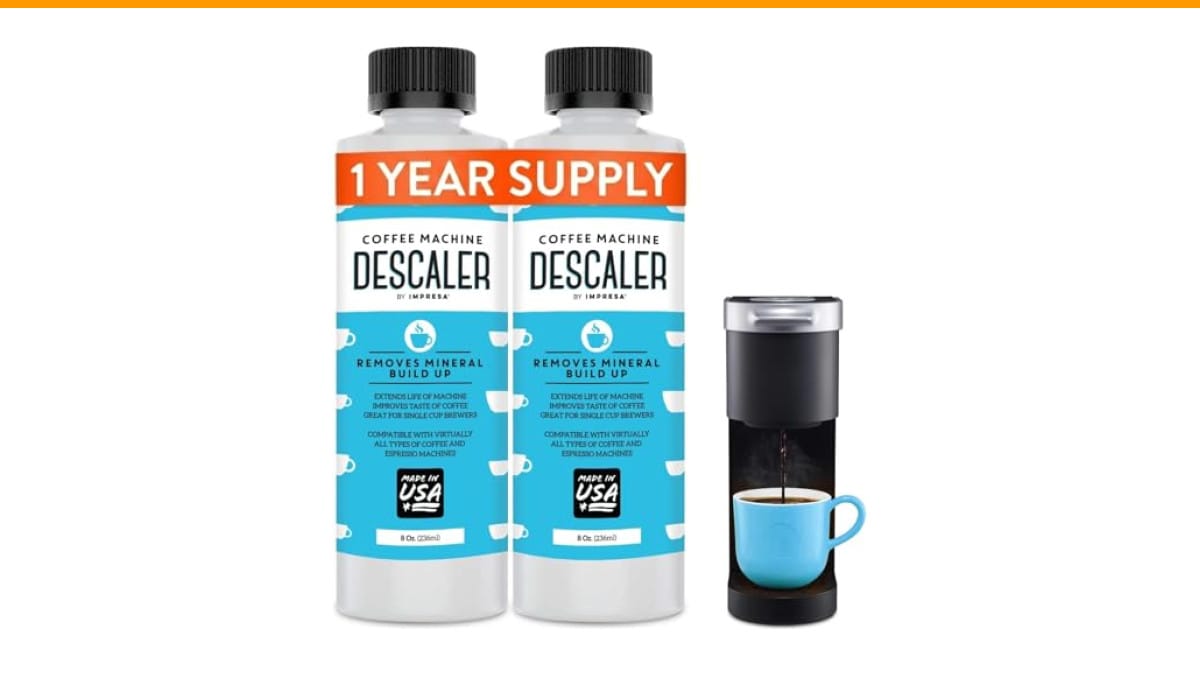
One thing that quietly ruins flavor is scale. Even a thin layer of limescale on the boiler walls changes how heat transfers to the water. That’s why a proper descale every few months matters. The IMPRESA Coffee Machine Descaler is a solid option for this job. It comes as a two-pack, and each 8-ounce bottle handles two descaling sessions. The formula is made in the USA and works with most major brands, so you don’t need to hunt for a machine-specific product. Use it every three to four months and you’ll notice the difference in your cup.
Start with the Beans, Not the Machine
Super automatic machines are picky about bean freshness. They grind on demand, which is great, but they also expose the beans to air every time you open the hopper. If you’re buying a 2-pound bag and leaving it in the hopper for two weeks, you’re drinking stale coffee. Stale beans taste flat, then bitter, then like cardboard.
Buy whole beans with a roast date on the bag, not a best-by date. Use beans within 10 to 14 days of that roast date. Store the bulk of the bag in an airtight container in a dark cabinet. Only put a few days’ worth of beans in the hopper at a time. This single change fixes more flavor problems than any setting on the machine.
Also, check what you’re buying. Dark roasts work well in super automatics because the oils make extraction forgiving. Light roasts can come out sour if the machine doesn’t run hot enough. If you’re chasing bright, fruity notes, you may need a machine with a higher brew temperature range. Most super automatics top out around 200°F, which suits medium to dark roasts best.
Dial In the Grind Size and Dose
Your machine’s grinder is the first place to look when shots run too fast or too slow. A shot that finishes in 15 seconds will taste sour. A shot that takes 40 seconds will taste burnt. The sweet spot is 25 to 30 seconds for a standard double shot.
Adjust the grind dial one notch at a time. Make a shot, time it, taste it. If it’s sour and fast, grind finer. If it’s bitter and slow, grind coarser. Wait — that’s the opposite of what many people try first. They change the water temperature or the dose, but the grinder is the real dial. Most machines have a numbered dial, so write down what number works for each bag of beans. Different roasts need different settings.
Dose matters too. Super automatics usually let you adjust the amount of ground coffee per shot. A typical double is 14 to 18 grams. If your machine dispenses 10 grams, you’ll get weak, watery espresso no matter what you do. Check your machine’s menu or manual for the dose setting. Bump it up to the middle or high end of the range and see if the body improves.
One more thing: the grind quality on these machines is decent but not great. The burrs are often flat and small. If you’re a serious espresso drinker, you might eventually want a separate grinder. But for most home use, dialing in the built-in grinder carefully gets you 85% of the way there. Spend 20 minutes testing the grind range before you spend money on new equipment.
Water Quality and Temperature
Tap water is the silent killer of espresso flavor. Hard water leaves scale. Soft water can make the machine over-extract and taste metallic. Filtered water is the middle ground. Use water with a total dissolved solids (TDS) level between 100 and 150 ppm. If you’re not measuring, just use filtered tap water or bottled spring water. Avoid distilled water; it tastes flat and can confuse the machine’s sensors.
Temperature is the other variable. Most super automatics brew between 190°F and 200°F. If your machine has a temperature setting, try raising it one step for light roasts and lowering it for dark roasts. A dark roast at 200°F will taste ashy. A light roast at 190°F will taste sour. Adjust the temperature to match the bean, not the other way around.
Here’s a trick: run a blank shot of hot water through the group head before you lock in your portafilter — or in this case, before you press the brew button. This warms up the whole brew path. A cold group head drops the water temperature by 5 to 10 degrees during the first few seconds of extraction. That’s enough to make a shot taste underextracted. Super automatics have a hot water spout, so use it to preheat your cup and the internal pipes.
Cleaning and Descaling on a Schedule
Your super automatic machine has a brew group that gets coated in coffee oils. Those oils go rancid and add a bitter, dirty taste to every shot. The machine also builds up limescale inside the boiler, which reduces heat transfer and makes the water hotter in some spots and cooler in others. Both problems are fixable with a routine.
Clean the brew group every week. Most machines let you pull it out and rinse it under warm water. Do not use soap; it leaves a residue that ruins the next shot. Let it air dry completely before putting it back. Wipe the inside of the machine’s brew chamber with a damp cloth at the same time.
Run a cleaning cycle with a tablet or liquid cleaner every month. This flushes the internal pipes and removes oil build-up that rinsing can’t reach. Skip this step and your shots will slowly turn bitter, even with fresh beans.
Descale every three to four months, or whenever your machine tells you to. Use a descaling solution like the IMPRESA Descaler mentioned above. The process takes about 20 minutes and the machine usually walks you through it. If your water is hard, you’ll need to do it more often. The machine’s water hardness setting — yes, that setting exists — tells the machine how often to alert you. Set it correctly so the alerts actually match your water.
If you notice a burnt taste right after cleaning, that’s often residual cleaner or scale that broke loose. Run two or three plain water cycles through the system to flush everything out. This is a common issue, and you can read more about it in our article on bitter coffee after cleaning.
For the full maintenance picture, check our guide on coffee machine maintenance to keep your machine running for years.
Compare Your Options: What Actually Improves Taste
Here’s a quick comparison of the changes you can make, ranked by how much they impact flavor and how much effort they take.
| Change | Flavor Impact | Effort | Time to See Results |
|---|---|---|---|
| Fresh beans (roast date within 14 days) | High — eliminates flat, stale notes | Low — just buy better beans | Immediate, next shot |
| Adjust grind size | High — fixes sour or bitter shots | Medium — requires testing shots | 15-20 minutes of testing |
| Set water hardness and descale | Medium-High — removes scale that ruins heat transfer | Medium — 20-minute descale cycle | After the descale cycle completes |
| Preheat cup and brew path | Medium — stabilizes extraction temperature | Low — press the hot water button | Immediate |
| Adjust dose amount | Medium — fixes weak, watery shots | Low — change a menu setting | Next shot |
| Weekly brew group rinse | Medium — removes rancid oils | Low — 2 minutes under the tap | Next shot |
| Change water source | Low-Medium — only if tap water is very hard or chlorinated | Low — switch to filtered water | Next shot |
Start with the top of the table and work down. Most people fix their taste problem with the first three rows.
Frequently Asked Questions
Why does my super automatic espresso taste sour?
Sour taste means underextraction. The water didn’t pull enough flavor out of the grounds. Grind finer and make sure your water temperature is hot enough (195°F to 200°F). Also check the dose; a too-small dose can cause channeling, where water finds a fast path through the puck.
Why does my espresso taste bitter even with fresh beans?
Bitter usually means overextraction. Grind coarser and check that your shot time is under 30 seconds. The other culprit is stale coffee oil inside the brew group. Run a cleaning cycle with a tablet. If you just cleaned and it still tastes burnt, flush the system with plain water a few times to remove cleaner residue.
How often should I descale my super automatic machine?
Every three to four months for normal use, or more often if you have hard water. Set the machine’s water hardness level correctly so it tells you when to descale. The IMPRESA descaler comes in a two-pack, so one purchase covers about a year of descaling.
Can I use pre-ground coffee in a super automatic machine?
Most have a bypass chute for pre-ground coffee, but you shouldn’t use it as your daily driver. Pre-ground coffee goes stale in hours, not days. The whole point of a super automatic is the on-demand grinding. Use the bypass only for decaf or a special blend.
Why does the first shot of the day taste worse than the second one?
The machine and the brew group are cold. The first shot pulls through cold metal, which drops the water temperature. Run a blank shot of hot water through the group head first to warm everything up. That’s why the second shot tastes better — the machine is already hot.
What to Do Next
You don’t need to change everything at once. Pick the two or three items from the list that match your current problem.
- Buy beans with a roast date and use them within 14 days. Store the rest in an airtight container.
- Adjust the grind dial one notch at a time until your shot runs 25 to 30 seconds.
- Check the dose setting and bump it up if your shots taste watery.
- Set the water hardness level on your machine so the descale alert is accurate.
- Run a cleaning cycle monthly and descale every three to four months.
- Preheat your cup and the brew path with a blank hot water shot before your first espresso.
- If your machine is making odd noises or leaking, check our guides on loud machine noises and water leaks before they turn into bigger problems.
One last piece of advice: keep a small notebook next to the machine. Write down the grind setting, dose, and bean name for each bag you buy. When you get a great shot, you’ll know exactly how to repeat it. When a new bag tastes off, you’ll have a baseline to troubleshoot from. That habit alone will make your super automatic machine feel like a much better investment.
Products related to this article
Sponsored / affiliate links. As an Amazon Associate I earn from qualifying purchases. I may earn additional commission from eligible campaigns.
 Coffee Espresso Machine Handle Replacement Parts, Cafe Bracket Handle for Lidl Silvercrest CM4621 CM4218 KF5002 KF500S Barista (for 51mm Portafilter Basket - Not included)
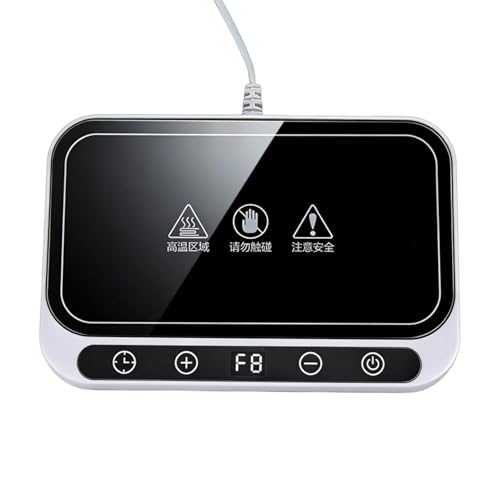 Cup Warmer for Coffee 8 Temperature Setting Adjustment
 Quick Heating Cup Warmer, Three Temperature Settings, Splashproof and Portable, for Coffee, Milk, Lightweight ABS Material