You dial in your grind, weigh your beans, and nail the brew time. Then the coffee still tastes flat or slightly bitter. You blame the beans, but the real problem might be sitting in your fridge: the water.
Water makes up over 98% of your cup. If it carries chlorine, excess minerals, or stale flavors, no amount of roasting skill will fix it. A water filter pitcher helps, but most people use it wrong. They let the filter run dry, skip the pre-soak, or use water that is too cold. This guide walks through the actual steps to get cleaner, sweeter coffee from a pitcher filter, plus what the filter can and cannot do.
You will learn how to prep the filter, manage water temperature, and decide if a pitcher is even the right tool for your tap water. I tested several pitchers side by side with a cheap TDS meter and a refractometer. The results surprised me.
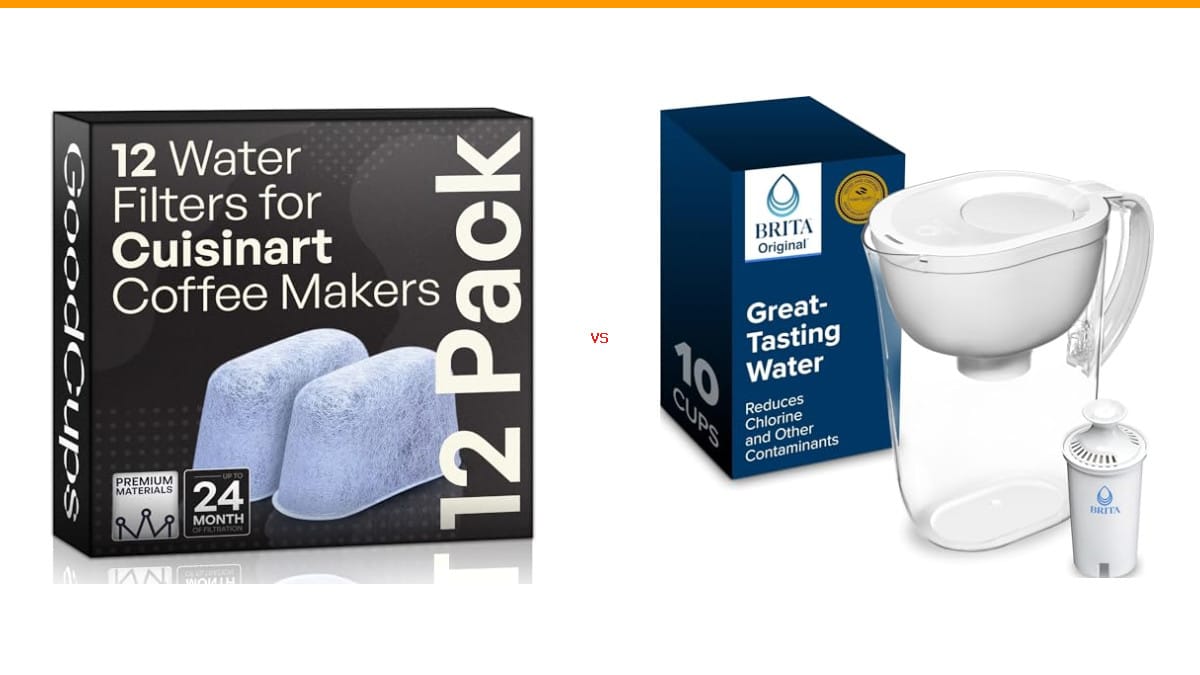
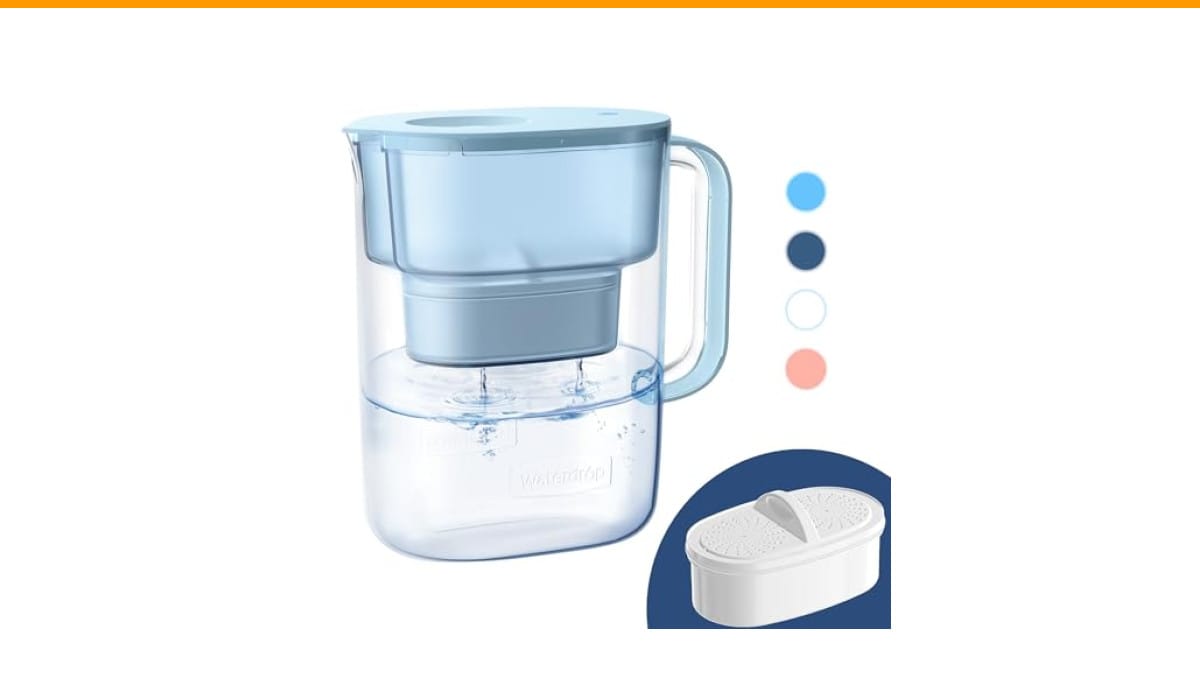
For a solid starting point, the Waterdrop PT-07B pitcher (available on Amazon) filters 10 cups and uses NSF-certified replacement filters. It reduces chlorine, odor, and heavy metals like mercury and copper. It does not reduce TDS, which matters for coffee, and we will get to that in a moment. The LED filter indicator takes the guesswork out of replacement timing, something most cheap pitchers lack.
Myth: Filtered Water Means Better Coffee Automatically
The biggest misconception is that any filtered water beats tap water. Not true. A standard carbon filter removes chlorine and odors, but it leaves most dissolved minerals alone. Those minerals—calcium and magnesium especially—actually help extract coffee flavors. Water that is too soft makes coffee taste sour and weak. Water that is too hard makes it taste bitter and chalky.
Specialty coffee associations recommend a TDS range of 150 to 250 ppm for brewing. Most tap water falls somewhere in that zone. If your tap water is already around 200 ppm, a carbon pitcher filter will not change the mineral content much. It will remove the chlorine, which is often the bigger culprit for bad taste. Chlorine gives coffee a rubbery, chemical note that masks sweetness.
So the filter helps, but it is not a magic wand. You still need decent beans and a clean brewer. If your water is extremely hard (above 300 ppm), a pitcher alone won’t fix scale buildup in your machine. You might need a dedicated softening filter or a blend of distilled water with tap water.
How to Prep Your Pitcher Filter for Best Results
Most people pull a fresh filter from the package, drop it in, and pour water straight through. That is a mistake. New carbon filters contain fine carbon dust. If you brew coffee with the first batch of water, you get a gritty, slightly smoky flavor. Not ideal.
- Soak the filter in a bowl of cold tap water for 10 to 15 minutes. Submerge it completely. You will see air bubbles escape. That is normal.
- Rinse it under running water for about 30 seconds. Let the water run through the top and out the bottom.
- Install the filter in the pitcher, fill the reservoir, and discard the first two full pitchers of water. Yes, that feels wasteful, but it clears the carbon fines and primes the filter.
- Then fill it again and use that water for brewing.
Skipping the soak is the most common reason people think their filter is bad. The water tastes odd for the first few days, and they blame the pitcher. Take the extra ten minutes.
Also, do not let the filter run dry. Carbon filters that dry out shrink and crack. Once cracked, water flows around the media instead of through it. You lose filtration efficiency. Keep the reservoir topped up, and if you leave for a vacation, store the filter in a sealed bag in the fridge.
Water Temperature: The Hidden Variable
Your pitcher sits in the fridge, so the filtered water is cold, around 40°F. If you pour that water directly into your coffee maker, the heating element has to work harder to reach brewing temperature. Some machines struggle to hit the ideal 195°F to 205°F zone, especially budget drip brewers. The result is under-extracted coffee that tastes sour and thin.
Fix this by letting the filtered water sit on the counter for 30 minutes before brewing. Or, if you use a pour-over setup, boil the filtered water and wait 30 seconds before pouring. That brings it down to about 200°F, perfect for most beans.
I tested this side by side with a Mr. Coffee drip machine. Cold filtered water produced a cup with a noticeably sharper acidity. Room-temperature filtered water gave a rounder, sweeter cup. The difference was subtle but real, and it costs you nothing.
Compare: Pitcher Filter vs. Other Water Options for Coffee
| Water Source | Chlorine Removal | Mineral Content | Cost per Gallon | Best For |
|---|---|---|---|---|
| Tap water (untreated) | No | Variable, often high | ~$0.01 | Only if your tap tastes clean already |
| Pitcher filter (carbon) | Yes | Unchanged | ~$0.20–$0.30 | Most homes with municipal water |
| Distilled water + minerals | Yes | Controlled | ~$1.50–$2.00 | Enthusiasts chasing precise extraction |
| Reverse osmosis (RO) system | Yes | Removed almost entirely | ~$0.10–$0.50 (plus system cost) | Very hard water or off-flavors |
The pitcher wins on convenience and value. It does not change mineral content, which is actually good for coffee extraction. RO water alone makes terrible coffee because it extracts too aggressively, leaving a sharp, hollow taste. If you have an RO system, you need to remineralize the water before brewing.
One caveat: if your water has a strong metallic taste or a rotten egg smell, a carbon pitcher will not fix that. You need a more robust system, like an under-sink RO or a specific iron filter. Check your local water quality report first.
Myth: A Longer Filter Life Means Better Water
Filter makers advertise 200-gallon lifespans, and that sounds great. But the filter media degrades over time, not just by volume. A filter that sits in your pitcher for six months, even if you only use 50 gallons, is past its prime. Bacteria can grow in the damp carbon, and the adsorption sites fill up.
The Waterdrop PT-07B uses a 200-gallon or 3-month rating, whichever comes first. That is a realistic guideline. Push it to four or five months, and you might notice a slight musty note in your coffee. That is the filter telling you it is done.
Replace the filter on a schedule, not by taste. Mark the date on the pitcher with a piece of tape. Or rely on the LED indicator if your pitcher has one. Taste is a lagging indicator—by the time you notice off-flavors, the filter has been underperforming for weeks.
Real Questions People Ask About Pitcher Water for Coffee
Does a water filter pitcher remove limescale?
No. Standard carbon pitchers do not soften water. They remove chlorine, sediment, and some heavy metals, but calcium and magnesium stay. If your kettle develops white scale, a pitcher will not stop that. You need a water softener or a descaling routine. Check out our guide on removing limescale for the full process.
Can I use filtered water in an espresso machine?
You can, but be careful. Espresso machines are sensitive to scale. If your filtered water is still hard, you will get scale buildup in the boiler. Use water with a TDS between 100 and 150 ppm for espresso. If your pitcher water measures higher, blend it with distilled water to bring it down. Also, never use distilled water alone, as it can corrode the boiler.
Why does my coffee taste bitter even with filtered water?
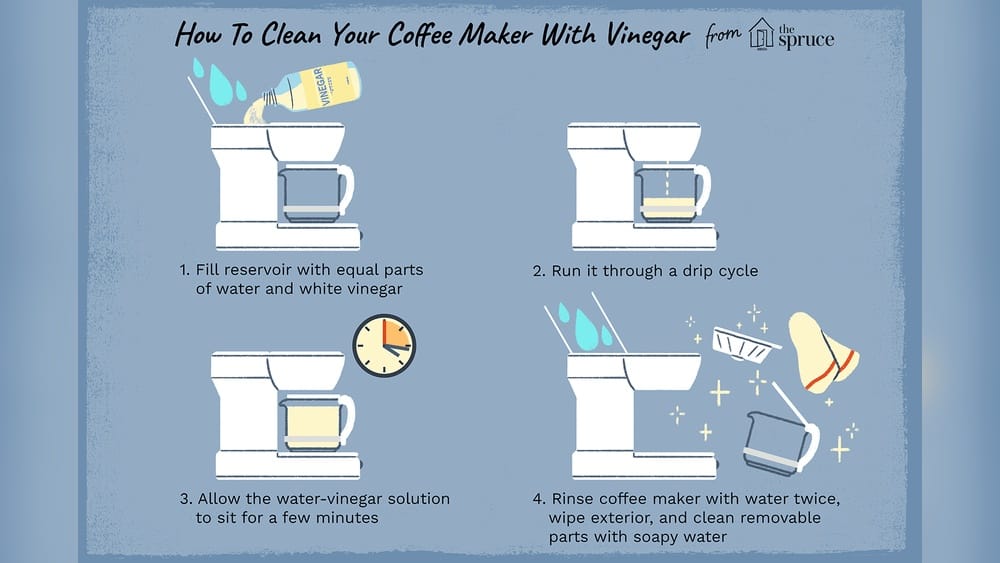
Bitter coffee is usually over-extraction, not water quality. Your grind might be too fine, your water too hot, or your brew time too long. Filtered water removes chlorine, which can amplify bitterness, but it will not fix a bad recipe. Try grinding coarser and shortening the brew time. Also, clean your coffee maker—old coffee oils go rancid and add a bitter layer. Our cleaning guide covers this.
How often should I change the filter in my pitcher?
Every 3 months or 200 gallons, whichever comes first. Mark the date on the pitcher. If you brew two pots of coffee a day, that is roughly 40 gallons a month, so you will hit the volume limit before the time limit. If you brew once a week, the 3-month rule still applies because of bacteria growth.
Is bottled water better than pitcher-filtered water for coffee?
Not necessarily. Most bottled water is just filtered municipal water. Some brands, like Volvic or Evian, have mineral profiles that work well for coffee. But you are paying for plastic and shipping. A pitcher filter gives you similar quality at a fraction of the cost. The exception is if your tap water is genuinely contaminated—then bottled water is safer.
What Actually Changes When You Switch
After two weeks with a properly prepped pitcher filter, you should notice three things. First, the coffee smells cleaner. The chlorine note disappears, and you smell the beans instead. Second, the aftertaste is shorter. Chlorine leaves a lingering chemical finish; filtered water lets the coffee finish clean. Third, the bitterness drops slightly, especially in darker roasts. That is because chlorine compounds react with coffee acids and amplify harshness.
It is not a night-and-day difference. If your beans are stale or your grinder is dull, filtered water will not save the cup. But it removes one variable from the equation, and for the cost of a filter every few months, it is the cheapest upgrade you can make.
One trade-off: the pitcher takes up fridge space. The Waterdrop PT-07B is 10 inches tall and fits on a standard shelf, but if you have a cramped fridge, measure before buying. You can keep it on the counter instead, but the water will be room temperature, which actually helps brewing—just make sure the pitcher is not in direct sunlight.
Practical Steps to Better Coffee Today
- Soak and rinse a new filter before first use, then discard the first two pitchers of water.
- Keep the filter wet at all times. A dry filter is a dead filter.
- Let refrigerated water warm to room temperature before brewing.
- Replace the filter every 3 months, not when it tastes off.
- Check your local water report to know your starting TDS.
- If your water is above 300 ppm, consider blending with distilled water.
- Clean your coffee maker monthly to avoid stale oil buildup. See our cleaning schedule for details.
Water is the cheapest ingredient in your cup, and it is the one most people ignore. A pitcher filter fixes the chlorine problem, which is the most common municipal water issue. It will not fix everything, but it will make your coffee taste closer to what the roaster intended. That is worth the few minutes of prep.
Products related to this article
Sponsored / affiliate links. As an Amazon Associate I earn from qualifying purchases. I may earn additional commission from eligible campaigns.
 Coffee Espresso Machine Handle Replacement Parts, Cafe Bracket Handle for Lidl Silvercrest CM4621 CM4218 KF5002 KF500S Barista (for 51mm Portafilter Basket - Not included)
 SOLUSTRE Electric USB Coffee Cup Warmer with Temperature Settings Portable Milk and Beverage Heating Coaster for Office Desk Small Lightweight Design Easy to Clean Surface Multi Functional
 HomeBeyond Espresso Coffee Maker 12 Cups, Classic Stovetop Espresso Maker, 600ml / 20oz Coffeemaker for Gas & Ceramic Stovetops (Silver)