You pull a flawless shot, and then you slam the portafilter into the knock box. Coffee puck drops. Doorbell rings. You forget about the box. Three days later, you open it and get hit with a sour, fermented smell that clings to your kitchen. That’s the real cost of skipping maintenance on a knock box.
Most people treat the knock box like a trash can. It’s not. It’s a tool that holds wet, acidic coffee grounds, and those grounds mold and corrode plastic if you ignore them. This guide covers the exact routine I use to keep a knock box clean, odor-free, and functional for years. You’ll learn daily habits, a weekly deep clean, and how to spot wear before it ruins your portafilter.

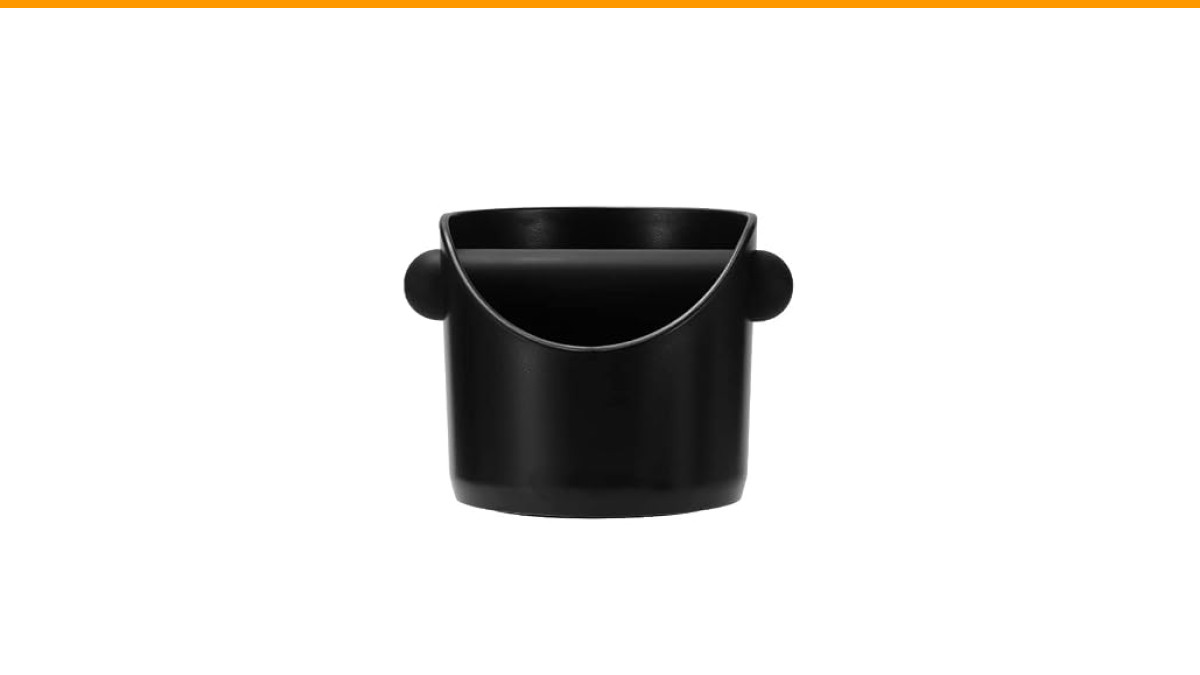
Auden Arctic
Coffee Knock Box, 4.6 in, Barista Style…
- Compact Design: This 4.6-inch barista-style knock box is perfect for collecting used espresso grounds from your espresso machine.
- Sturdy Construction: Made of heavy-duty plastic, the knock box features a non-slip base for stability.
- Removable Knock Rod: The included plastic knock rod allows for easy disposal of spent grounds.
As an Amazon Associate I earn from qualifying purchases.
If you’re starting fresh, a solid unit like the Auden Arctic Coffee Knock Box makes the job easier. Its removable plastic rod and smooth interior mean less crevice-scrubbing, which is half the battle.
Why a Knock Box Gets Filthy (and Why It Matters)
Wet coffee grounds are acidic. When they sit in a closed plastic container, the moisture creates a breeding ground for bacteria and mold spores. The acidity also attacks the plastic’s surface, making it rough and porous over time. A rough surface holds onto oils and fines, which makes the next cleaning harder.
The rod takes the worst abuse. Every knock compresses the puck against it, and those compressed grounds dry into a cement-like layer. If you don’t address that layer, it builds up until the rod becomes less effective, and you end up whacking the portafilter harder to dislodge the puck. That extra force bends portafilter ears over time.
So maintenance isn’t just about smell. It protects your portafilter and your machine’s group head from unnecessary stress.
The Daily Routine (2 Minutes, Every Session)
You don’t need to scrub the box after every shot. You need a quick reset so the grime doesn’t set. Here’s the routine I follow after my last shot of the day:
- Empty the grounds. Dump the contents into a compost bin or trash. Don’t wait until it’s full; a half-full box is easier to clean.
- Rinse the rod. Hold the rod under warm running water for five seconds. Rub your thumb across it to knock off the wet fines. This prevents the cement-like buildup.
- Wipe the interior. Use a damp paper towel or a microfiber cloth to wipe the inside walls and bottom. You’re removing the thin film of coffee oil that attracts dust and smells.
- Dry it upside down. Leave the box open and upside down on a dish rack. Trapped moisture is your enemy. Air circulation prevents sour smells from forming overnight.
That’s it. Two minutes. The key is consistency. If you skip this even for two days, you’ll notice the difference in the smell and the effort required to clean it later.
The Weekly Deep Clean (10 Minutes, Sunday)
Once a week, do a proper reset. You need to remove the oils that a quick wipe leaves behind. Here’s the process I recommend:
- Disassemble. Pull the rod out. Most knock boxes, like the Auden Arctic model, have a removable rod held in by friction or a small clip. Remove it completely.
- Soak in hot, soapy water. Fill your sink with hot water and a few drops of dish soap. Submerge the rod and the box body. Let it soak for 10 minutes. This loosens dried coffee oils.
- Scrub with a soft brush. Use a bottle brush or a soft sponge. Avoid steel wool or abrasive pads; they scratch the plastic and create hiding spots for bacteria. Pay attention to the corners where the rod meets the base.
- Deodorize with baking soda. If the box smells even after washing, sprinkle a tablespoon of baking soda inside, add a splash of warm water, and swish it around. Let it sit for five minutes, then rinse thoroughly. Baking soda neutralizes the acidic odors without leaving a chemical residue.
- Dry completely. Air dry both parts separately. Do not reassemble until everything is bone dry. Moisture trapped between the rod and its socket is the fastest way to get a musty smell.
I also check the base’s non-slip feet during this clean. If they’re caked with old coffee, wipe them down. A knock box that slides across the counter is dangerous when you’re slamming a portafilter into it.
When to Replace the Rod or the Whole Box
Plastic rods wear out. It’s a consumable part, not a lifetime component. You’ll know it’s time when you see deep grooves or cracks on the striking surface. A grooved rod doesn’t release the puck cleanly, so you end up knocking multiple times, which is bad for your portafilter.
If your rod is cracked, replace it immediately. A cracked plastic rod can snap under a hard knock, sending shards into your grounds. The Auden Arctic box uses a standard-sized plastic rod, and replacements are easy to find if the original wears out.
The box itself lasts longer, but watch for these signs of failure:
- Stress cracks near the corners or the base. These happen from repeated hard impacts.
- A warped base that makes the box rock on the counter. A rocking box is an accident waiting to happen.
- Permanent odor that persists after a baking soda soak. Once odors penetrate the plastic, they don’t come out.
If you see any of these, retire the box. A cracked box is a hygiene risk, and a warped one is a safety risk. A new box costs less than a new portafilter.
Comparing Maintenance Effort: Plastic vs. Metal Knock Boxes
You might be wondering if upgrading to a stainless steel box is worth it. I’ve used both, and here’s the honest comparison:
| Factor | Plastic (like Auden Arctic) | Stainless Steel |
|---|---|---|
| Weight | Light, easy to move | Heavy, stable but harder to lift |
| Odor retention | Can absorb odors over time | Does not absorb odors at all |
| Scratch resistance | Scratches easily with abrasive pads | Resists scratches but shows water spots |
| Impact noise | Duller, quieter thud | Loud, sharp clang |
| Cleaning ease | Easy, but requires gentle scrubbers | Easy, can use harsher chemicals |
| Cost | Lower upfront | Higher upfront |
My take: plastic is fine if you clean it weekly. If you’re the type to forget for two weeks, spend the extra money on steel. It forgives neglect better. But for most home users, the lightweight plastic box is more practical, especially if you move it between a counter and a cart.
Common Mistakes That Shorten Knock Box Life
People ruin knock boxes faster than they should. Here are the mistakes I see most often:
- Using the dishwasher. The high heat and harsh detergents warp plastic and degrade the rubber base. Always hand wash.
- Knocking too hard. You don’t need to slam the portafilter. A firm, controlled tap is enough. Excess force cracks the plastic and bends your portafilter ears.
- Leaving it in direct sunlight. UV rays make plastic brittle and fade the color. Store it in a cabinet or shaded counter area.
- Ignoring the lid. If your box has a lid, clean it too. The lid’s hinge collects dry grounds that fall back into your fresh box.
One more thing: don’t use the knock box as a general trash bin. I’ve seen people drop tea bags, sugar packets, and paper filters in there. Those items rot differently and introduce sugars that make the box sticky. Keep it for espresso pucks only.
Frequently Asked Questions
How often should I empty my knock box?
Empty it after every session, or at least once a day. If you pull multiple shots in a row, you can let pucks accumulate during the session, but don’t leave them overnight. Wet grounds sour quickly, and a full box makes the next knock less effective because the rod gets buried.
Can I put my knock box in the dishwasher?
No. The heat warps plastic and ruins the non-slip base. Hand washing with warm soapy water takes two minutes and preserves the box’s structure. If you absolutely must use a dishwasher, put it on the top rack with no heat dry, but expect the base to degrade faster.
Why does my knock box smell even after washing?
That’s trapped coffee oil in micro-scratches on the plastic. Use the baking soda soak method to neutralize the odor. If that doesn’t work after two attempts, the plastic is permanently contaminated, and it’s time for a new box.
Is it normal for the rod to have grooves?
After a year of daily use, yes. The constant impact compresses the plastic. But once you can feel distinct ridges with your fingernail, the rod is past its prime. Replace it to avoid damaging your portafilter’s ears.
Should I store my knock box with the rod in or out?
Keep the rod in place when storing, but make sure it’s dry. If you remove the rod for storage, the socket can collect dust and grounds, which then get knocked back into your coffee. Dry it, reassemble, and store it closed.
What You Should Remember
Maintenance is a two-tier system: quick daily wipes and a weekly deep soak. Here’s the cheat sheet:
- Empty and rinse the rod after every session to prevent cement-like buildup.
- Wipe the interior walls daily to remove the oily film.
- Soak in hot soapy water weekly; use baking soda if odors persist.
- Never use abrasive scrubbers or the dishwasher.
- Replace the rod when grooves become visible; replace the box if cracks or warping appear.
- Store it dry, upside down, and away from direct sunlight.
- Pair your cleaning routine with proper coffee machine maintenance for consistent shot quality.
If you’re shopping for a first box or replacing a worn one, the Auden Arctic knock box is a solid choice. The smooth interior genuinely cuts cleaning time, and the removable rod makes the weekly soak much easier. Check the current price on Amazon if you’re interested.
Products related to this article
Sponsored / affiliate links. As an Amazon Associate I earn from qualifying purchases. I may earn additional commission from eligible campaigns.
 Coffee Espresso Machine Handle Replacement Parts, Cafe Bracket Handle for Lidl Silvercrest CM4621 CM4218 KF5002 KF500S Barista (for 51mm Portafilter Basket - Not included)
 Linnkyfloa Coffee Espresso Maker Handle Replacement for Stovetop Moka Pot or Percolator, Black Plastic for Spare Part Compatible with Italian(9-12 Cup)
 MIBOTE Silicone Cooking Kitchen Utensils Set, Wooden Handle, Coffee