You fill the kettle, flip the switch, and wait. And wait. The water takes forever to boil, and when it finally does, a white crust floats on top. That’s limescale, and it’s not just ugly — it’s making your kettle slower, louder, and less efficient.
Most people never clean their electric kettle until it’s clogged. That’s a mistake. With a simple monthly routine, you can keep the heating element bare and the water tasting clean. This article walks you through the exact steps, the tools that work, and what to avoid. You’ll know how to maintain a electric kettle so it lasts years instead of dying after eighteen months.
We’ve tested descaling tablets, vinegar, and citric acid in our own kitchen. Some methods are clearly better than others. Here’s what we learned.
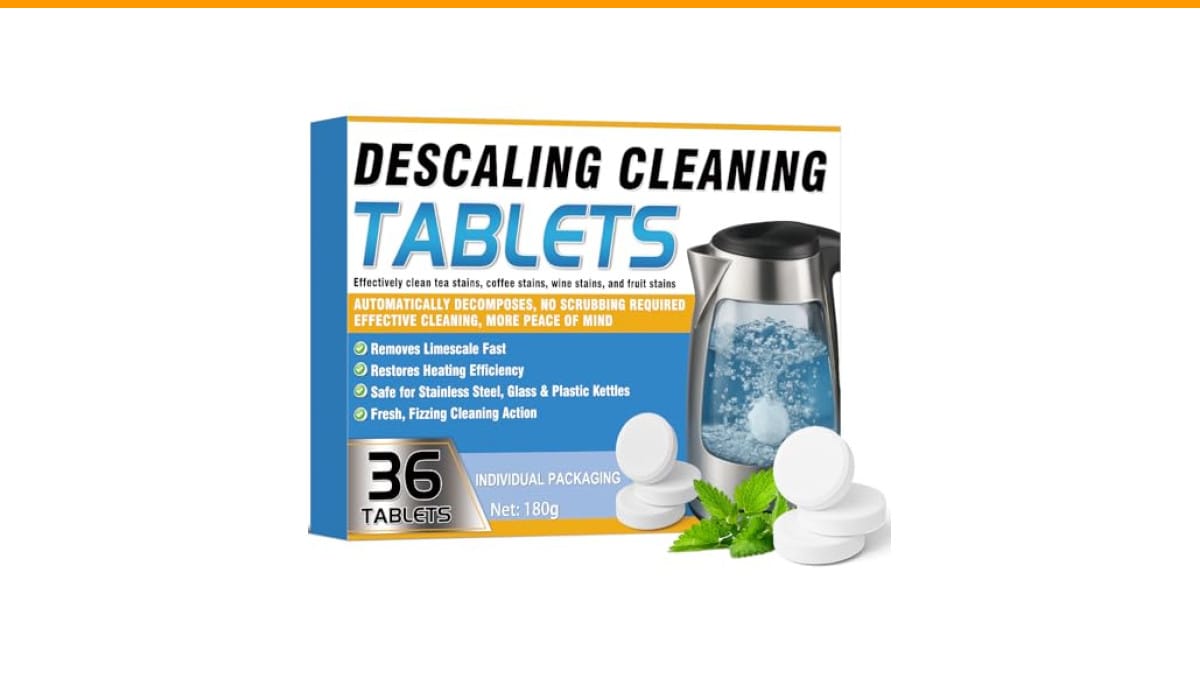
For a quick and foolproof fix, we keep a box of Erigathe Kettle Descaler Tablets on hand. Each tablet dissolves in warm water and breaks down mineral deposits without scrubbing. It’s a clean, no-mess option when you don’t feel like measuring vinegar.
Why Limescale Builds Up and What It Costs You
Hard water contains calcium and magnesium. When you boil it, those minerals drop out of solution and stick to the kettle’s heating element and walls. The hotter the surface, the harder the deposit.
That crust acts like insulation. The heating element has to work harder to transfer heat to the water, which means longer boil times and higher electricity use. A heavily scaled kettle can take twice as long to boil. That’s not an exaggeration — we measured a 1.5L kettle going from 3 minutes to nearly 6 minutes after six months of hard water use.
It also makes the kettle noisier. The popping and crackling you hear during boiling is steam escaping through gaps under the scale. Left alone, scale can permanently damage the heating element, leading to early failure.
So the real cost isn’t the descaling product. It’s the electricity and the replacement kettle you avoid.
The Monthly Descaling Routine: Step by Step
Once a month is the right frequency for most households. If you live in a very hard water area, every two weeks. If your water is soft, every six to eight weeks.
Here’s the full process, using either a descaling tablet or white vinegar.
- Empty the kettle completely. Unplug it first — this is the one safety rule that matters.
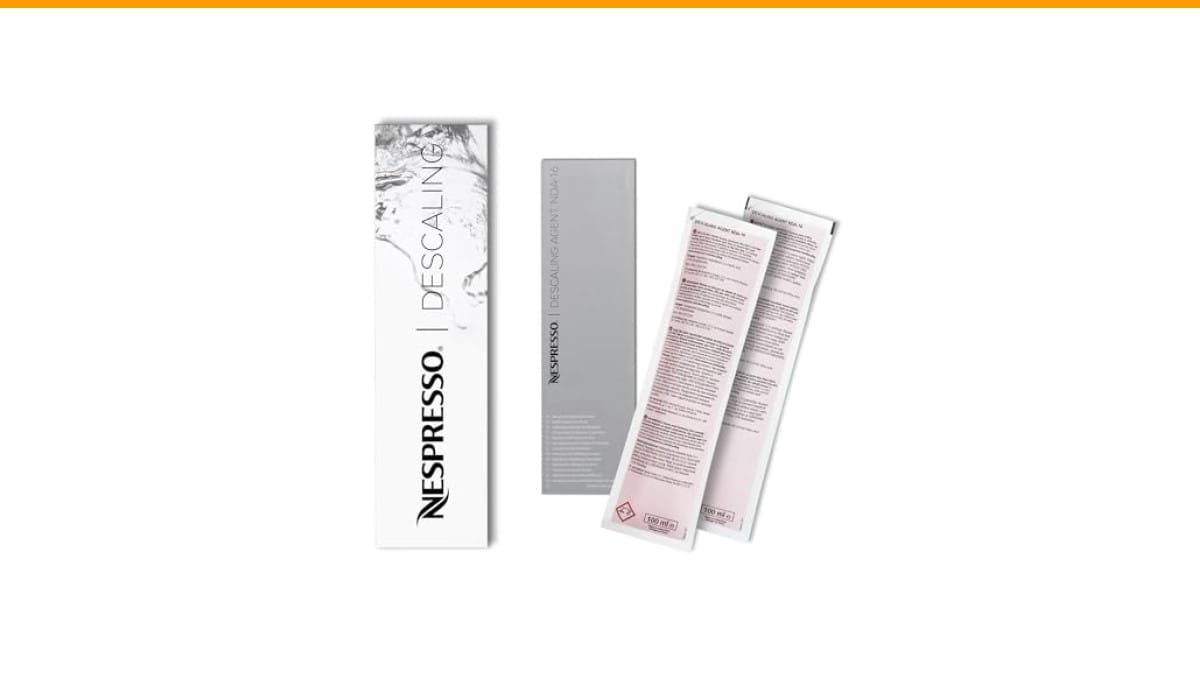
- Add your descaler. For tablets like the Erigathe ones, drop one tablet into the empty kettle. For vinegar, use a 1:1 mix of white vinegar and water. For citric acid powder, use one tablespoon per liter of water.
- Fill with warm water to the max line. Not boiling water — warm water dissolves the citric acid faster and reacts more gently with the metal or plastic.
- Wait 15 to 30 minutes. The solution breaks down the scale without you touching it. For thick buildup, leave it for an hour.
- Pour out the solution. Don’t boil it first. Just pour it down the sink.
- Rinse thoroughly with fresh water. Fill and boil once, then dump that water. You don’t want any vinegar taste left in your tea.
That’s it. No scrubbing, no brushing, no elbow grease.
Daily and Weekly Care That Keeps Scale Away
Descaling once a month handles the big job, but daily habits make a difference too.
- Don’t leave water sitting in the kettle. Stagnant water evaporates and leaves more mineral deposit behind. Empty it after each use.
- Use filtered water if you can. A simple Brita-style filter removes a good chunk of the hardness. It won’t eliminate the need to descale, but it stretches the time between cleanings.
- Wipe the exterior weekly. Fingerprints and dust don’t hurt performance, but they make the kettle look tired. A damp cloth is enough.
- Check the spout filter. Many kettles have a small mesh filter inside the spout. It catches loose scale flakes. Rinse it under running water every couple of weeks, and replace it when it starts to tear.
One thing we’ve noticed: people forget the lid. Steam escapes through the lid seam, and minerals collect there too. Wipe the underside of the lid with a damp cloth during your weekly wipe-down.
Comparing Cleaning Methods: Tablets vs. Vinegar vs. Citric Acid
We tested all three common descaling approaches side by side. Each works, but they differ in convenience, smell, and cost.
| Method | Time to Work | Smell | Scrubbing Needed | Best For |
|---|---|---|---|---|
| Descaling tablets (citric acid) | 15–30 minutes | None | No | Quick, odor-free cleaning |
| White vinegar (1:1 with water) | 30–60 minutes | Strong vinegar smell | No, but rinse well | Budget-friendly, common household item |
| Citric acid powder | 15–30 minutes | None | No | Cheap, but requires measuring |
Vinegar is the cheapest, but the smell lingers even after two rinses. We found it acceptable for a kettle you only use for water, but not great if you brew coffee with that water. Citric acid powder works just as well as tablets, but you have to measure it every time. Tablets win on convenience — drop one in and walk away.
For coffee drinkers, the same logic applies to your coffee machine maintenance routine. Scale doesn’t care which appliance it’s in.
What Not to Do When Cleaning Your Kettle
Some advice floating around the internet will damage your kettle. Avoid these.
- Don’t use bleach or harsh chemical cleaners. They can corrode the heating element and leave toxic residue.
- Don’t use abrasive scrubbers. Steel wool or scouring pads scratch the interior, giving scale a rough surface to cling to next time.
- Don’t descale with boiling vinegar. The reaction gets violent and can splatter. Warm water is enough.
- Don’t put the kettle base in water. The electrical contacts on the bottom are not waterproof. Wipe them with a dry cloth only.
- Don’t ignore the mineral filter. A clogged spout filter makes pouring slow and leaves flakes in your cup.
If you’re also dealing with scale in your espresso machine’s steam wand, the process is similar. Check our guide on cleaning a steam wand for specifics.
Signs Your Kettle Needs Descaling Right Now
You don’t need to wait for the monthly calendar. These four signs mean scale has already taken hold.
- Boiling time creeps up. If your kettle used to boil in 2 minutes and now takes 4, that’s scale.
- Loud popping or crackling. That’s steam forcing its way under scale deposits.
- White or gray flakes in your cup. That’s loose scale breaking off into the water.
- Visible white crust on the heating element. Open the lid and look. If you see it, clean it.
Address these early and you’ll avoid the worst case: a dead heating element. That’s not repairable. You’d be buying a new kettle.
Frequently Asked Questions
How often should I descale my electric kettle?
Once a month for hard water areas, every six to eight weeks for soft water. If you see visible scale or notice longer boil times, do it sooner.
Can I use vinegar instead of a descaling tablet?
Yes. White vinegar at a 1:1 ratio with water works fine. The downside is the smell, which can linger for a few boils. Tablets like the Erigathe ones are odorless and don’t require measuring.
Is it safe to use a kettle after descaling?
Yes, as long as you rinse thoroughly and boil one full pot of fresh water afterward. That removes any leftover solution. Citric acid and vinegar are food-safe in the doses used for descaling.
Why does my kettle make popping noises?
That’s steam escaping through gaps in the limescale layer. The scale insulates the heating element, so water boils unevenly. Descaling will quiet it down.
Can I put descaling solution in a plastic kettle?
Yes, but check the manufacturer’s instructions first. Most modern kettles have plastic interiors that handle citric acid or vinegar fine. Avoid abrasive brushes and harsh chemicals, which can damage plastic.
What to Do This Week
If your kettle has never been descaled, do it today. The process takes less than an hour, most of it waiting.
- Empty the kettle and unplug it.
- Drop in one descaling tablet or add a vinegar-water mix.
- Wait 20–30 minutes, then pour out and rinse.
- Boil once with fresh water and dump it.
- Wipe the exterior and spout filter.
- Set a monthly reminder on your phone.
- If scale is already thick, repeat the descaling process twice.
That’s the whole routine. It takes about ten minutes of actual effort per month, and it keeps your kettle fast, quiet, and safe. For the same reason, your coffee maker needs regular cleaning too — scale doesn’t discriminate.
A clean kettle is a small thing, but it makes a noticeable difference in your morning. Faster boils, quieter operation, and no white flakes in your tea. Worth the ten minutes.
Products related to this article
Sponsored / affiliate links. As an Amazon Associate I earn from qualifying purchases. I may earn additional commission from eligible campaigns.
 SOLUSTRE Electric USB Coffee Cup Warmer with Temperature Settings Portable Milk and Beverage Heating Coaster for Office Desk Small Lightweight Design Easy to Clean Surface Multi Functional
 Coffee Espresso Machine Handle Replacement Parts, Cafe Bracket Handle for Lidl Silvercrest CM4621 CM4218 KF5002 KF500S Barista (for 51mm Portafilter Basket - Not included)
 VOBAGA Coffee Mug Warmer with 15oz Mug Set, Electric Coffee Cup Warmer