You know the feeling. You pour a cup from your French press, and the last sip comes with a gritty mouthful of coffee sludge. It’s not just unpleasant—it ruins the clean, rich flavor you were after. Sediment happens because the metal mesh in most presses is coarse enough to let fine coffee particles slip through. But you don’t need to switch to a paper filter brewer to fix it.
This guide walks you through the exact steps to get a cleaner cup. We’ll cover grind size, pouring technique, and the filter upgrades that actually work. You’ll leave with a practical routine that cuts sediment dramatically, without sacrificing the full-bodied character that makes French press coffee worth brewing in the first place.

MEET GREAT
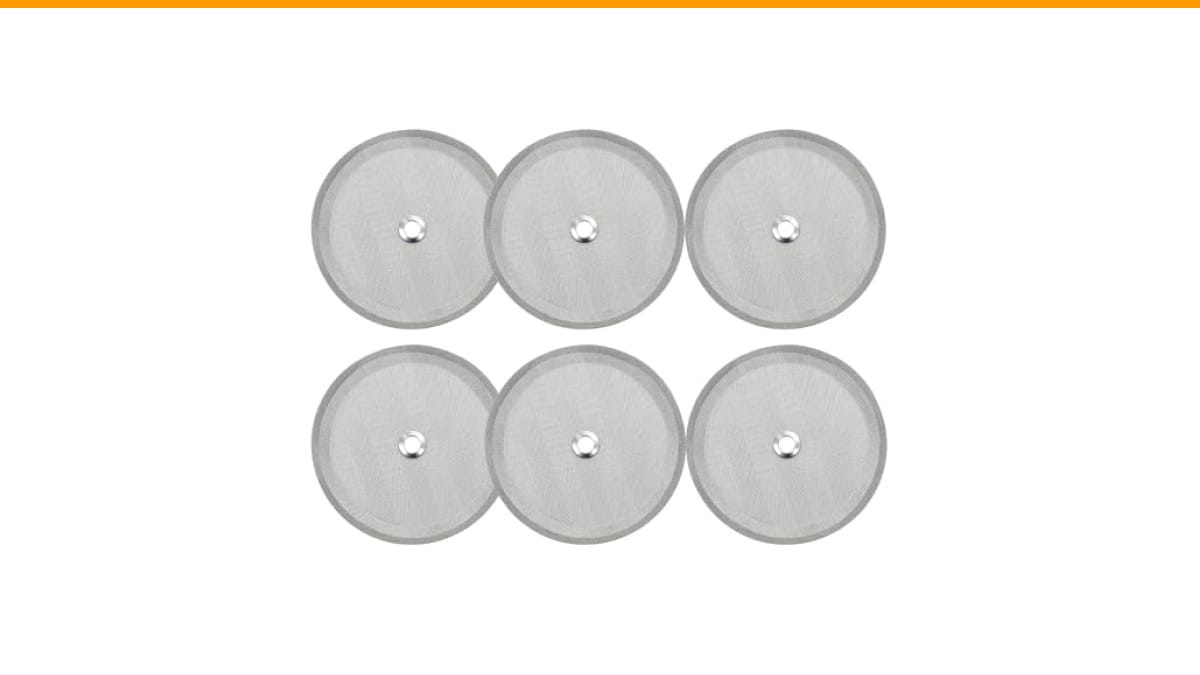
French Press Coffee Filter Replacement - 6…
- Long-Lasting Durability: Made of premium 304 stainless steel fine mesh, rust-resistant and corrosion-resistant for long-term reuse…
- Wide Compatibility: Perfectly fits 1-8 cup French press coffee makers, easily replaces your original filter.
- Fine Filtration: Fine mesh design effectively filters out coffee grounds, delivering a smooth and rich coffee experience.
As an Amazon Associate I earn from qualifying purchases.
One of the fastest fixes is upgrading the filter itself. The stock mesh in many presses is coarse. A replacement like the MEET GREAT French press filter set uses a finer 304 stainless steel mesh that catches more fines while still letting oils through. It’s a simple swap—no tools, no permanent changes—and it fits most 1 to 8 cup presses. Six filters in the pack mean you can keep one in the press and rotate spares while cleaning.
Grind Size: The Single Biggest Factor
Sediment starts at the grinder. If your coffee looks like powdered sugar, you’re fighting a losing battle. Fine particles are small enough to pass through any metal mesh, no matter how tight. The fix is a coarser grind, but not just any coarse grind—you want consistency.
Set your grinder to a coarse setting, roughly the size of coarse sea salt or breadcrumbs. Individual pieces should be visible and uneven in shape. If you’re using a blade grinder, pulse in short bursts and shake the chamber between pulses. Blade grinders produce a wide range of particle sizes, and the dust they create is your main sediment source.
For a burr grinder, start at a setting around 28 to 30 on a scale of 1 to 40. Adjust from there based on your taste and the amount of grit you see. A good test: brew a cup, let it sit for a minute, and check the bottom of your mug. If you see a thick layer of sludge, go coarser.
Pro tip: buy whole beans and grind right before brewing. Pre-ground coffee sits in the bag for weeks, and the fines settle at the bottom. You’ll get a more consistent grind and fresher flavor with whole beans.
Brewing Technique That Keeps Fines Out of Your Cup
Your pouring and plunging method matters more than most people think. The goal is to disturb the coffee bed as little as possible after brewing starts.
- Rinse the filter first. Run hot water through the mesh and plunger assembly. This warms the press and clears any loose particles from the mesh.
- Add coffee and hot water. Use water just off the boil, around 195°F to 205°F. Pour slowly in a circular motion, wetting all the grounds evenly.
- Stir gently once. A single, slow stir with a wooden spoon or chopstick ensures even extraction. Don’t stir again after this—agitation breaks up the coffee bed and pushes fines through the mesh.
- Wait four minutes. Start your timer after the water hits the grounds. Don’t rush this. The full extraction needs the time.
- Plunge slowly. Push the plunger down with steady, even pressure over 20 to 30 seconds. A fast plunge forces water through the mesh with more pressure, which drags fines along with it.
- Pour immediately. The moment the plunger is down, pour the coffee into your mug or a carafe. Leaving it sitting on the grounds means continued extraction, which turns bitter and releases more sediment.
One habit that helps: pour the first cup, then let the rest sit for a minute before pouring again. The heaviest fines settle to the bottom of the press, so the last cup tends to have more grit. Pouring all the coffee out right away avoids that problem.
Filter Upgrades and Alternatives Worth Trying
The stock filter in most French presses is a single layer of coarse mesh. It works, but it’s not optimized for clarity. You have a few options, and I’ve tested them side by side.
| Method | Sediment Level | Flavor Impact | Effort |
|---|---|---|---|
| Stock mesh filter | Moderate to high | Full-bodied, some grit | None |
| Fine mesh replacement (e.g., MEET GREAT) | Low | Cleaner, still rich | One-time swap |
| Paper filter (Aeropress or Chemex style) | Very low | Brighter, less oily | Extra step, disposable |
| Double filtering (mesh + paper) | Nearly zero | Cleanest, loses some body | High |
Fine mesh replacements are the sweet spot for most people. They cut sediment without stripping out the natural oils that give French press its mouthfeel. The MEET GREAT 6-pack I mentioned earlier is a solid choice—the mesh is noticeably tighter than stock, and it’s easy to rinse clean under running water.
Paper filters work if you want a nearly sediment-free cup, but they absorb some of the oils. You’ll get a cleaner, more tea-like brew. It’s a trade-off. If you’re curious, try it once with a Chemex filter cut to size. You’ll see the difference immediately.
Also worth checking: your press’s plunger assembly. Over time, the mesh can warp or the seal can loosen. If you’ve had your press for years and notice more sediment than usual, inspect the mesh for gaps. A replacement filter solves that too.
Cleaning Habits That Prevent Sediment Build-Up
Sediment isn’t just about the brew—it’s also about what’s left behind. Coffee oils and micro-grounds cling to the mesh and the inside of the glass carafe. If you don’t clean thoroughly, old grounds mix into your next brew and add grit.
Rinse the press immediately after pouring. Don’t let it sit. Coffee oils oxidize and stick to surfaces, making them harder to remove later. A quick rinse with hot water removes 90% of the residue. Then disassemble the plunger and rinse the mesh separately.
Once a week, do a deeper clean. Soak the mesh and plunger in a solution of warm water and mild dish soap. Use a soft brush to dislodge any grounds trapped in the mesh. Avoid abrasive scrubbers—they can scratch the mesh and create gaps where fines pass through.
For the glass carafe, a pinch of coarse salt and a splash of warm water works wonders. Swirl it around to lift stubborn coffee stains without scratching the glass. Rinse thoroughly and you’re back to a clean slate.
If you’re dealing with a clogged or stained mesh, a vinegar soak can break down the oils. Mix one part white vinegar with two parts water, soak for 15 minutes, then rinse well. This is the same principle as cleaning a coffee maker with vinegar, just on a smaller scale.
Regular cleaning also extends the life of your press. A well-maintained mesh filters better and lasts longer. If you’re unsure about the best routine, this cleaning frequency guide covers the general timeline for all coffee gear.
Common Mistakes That Make Sediment Worse
Even with the right grind and technique, people still end up with gritty coffee. Here are the three mistakes I see most often, and how to avoid them.
Mistake 1: Grinding too fine. This is the root cause of most sediment problems. A fine grind extracts faster and produces more fines. Go coarse. If you’re unsure, err on the side of too coarse—you can always adjust.
Mistake 2: Plunging too fast. I get it, you’re impatient and want your coffee. But a rapid plunge forces water through the mesh at high pressure, dragging fines with it. Slow down. Twenty seconds of patience saves you from a gritty cup.
Mistake 3: Skipping the rinse. A dry mesh has static charge and loose particles from the last brew. Rinsing it with hot water before adding coffee clears those particles and preheats the press. It takes five seconds and makes a noticeable difference.
Frequently Asked Questions
Why does my French press have so much sediment even with a coarse grind?
Your grinder might be producing more fines than you think. Blade grinders are the usual culprit—they chop beans unevenly, creating a mix of boulders and dust. Even a burr grinder at a coarse setting can produce fines if the burrs are dull or misaligned. Check your grind consistency by spreading a sample on a white plate. If you see a lot of powder, your grinder needs attention.
Can I use a paper filter in a French press to eliminate sediment?
Yes. Cut a paper filter to fit the bottom of the press, or place it on top of the coffee bed before plunging. It catches the fines that pass through the mesh. The trade-off is that paper absorbs some of the oils, giving you a cleaner but slightly thinner cup. It’s a good option if sediment really bothers you.
Does the plunger mesh type matter for sediment?
It does. Most stock meshes are a single layer of coarse stainless steel. A finer mesh, like the ones in the MEET GREAT replacement set, has a tighter weave that blocks more fines. The difference is visible—pour a cup with the stock filter, then the same coffee with a fine mesh, and compare the bottoms of the mugs.
How long should I wait before plunging to reduce sediment?
Wait the full four minutes of brew time before you plunge. Plunging early doesn’t reduce sediment—it just under-extracts your coffee. The sediment is already in the water; the mesh catches it during the plunge. Slowing down the plunge itself is what reduces the amount that gets through.
Is sediment in French press coffee harmful?
No. It’s just coffee grounds, and it’s safe to drink. It can be gritty and unpleasant, but it’s not a health concern. If you’re sensitive to texture, the fine mesh filter or paper filter method will solve the problem without any risk.
What Actually Works: A Quick Recap
- Grind coarse—think sea salt, not table salt. Consistency matters more than the exact setting.
- Rinse the filter and press with hot water before brewing.
- Stir once, then leave the coffee bed alone.
- Plunge slowly, over 20 to 30 seconds, with steady pressure.
- Pour all the coffee immediately after plunging. Don’t let it sit.
- Upgrade to a fine mesh filter if stock isn’t cutting it—the MEET GREAT 6-pack is a reliable option.
- Clean the press right after each use, and do a weekly deep clean to keep the mesh clear.
Sediment isn’t inevitable. With the right grind and a few small adjustments to your routine, you’ll get a clean, smooth cup every time. And if you’re dealing with other coffee gear issues, the troubleshooting guides on this site cover common problems with other brewers too.
Products related to this article
Sponsored / affiliate links. As an Amazon Associate I earn from qualifying purchases. I may earn additional commission from eligible campaigns.
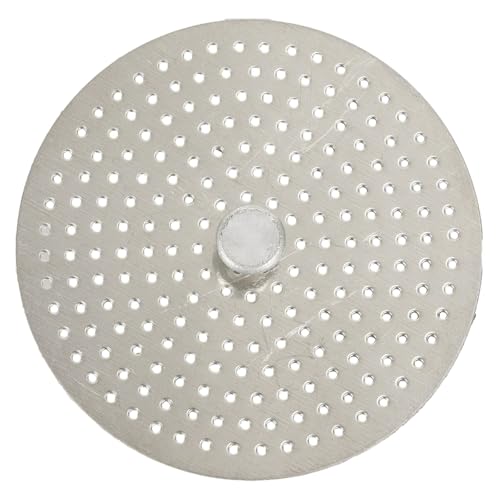 Stainless Steel Moka Pot Coffee Filter Disc for Espresso Brewing, Coffee Maker Replacement Filter Plate for Home Office Coffee Bar Cafe (FOR 4 Cups)
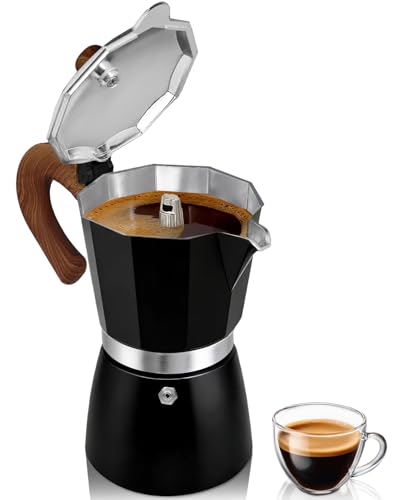 Belly Moka Coffee Maker Stovetop Espresso Maker 9 Cup Aluminum Moka Pot Percolator 15oz 450ml Easy Brewing for Electric Ceramic Stoves Home Camping Italian Cuban Café Classic Black
 Belly Moka Coffee Maker Stovetop Espresso Maker 6 Cup Aluminum Moka Pot Percolator 10oz 300ml Easy Brewing for Electric Ceramic Stoves Home Camping Italian Cuban Café Classic Silver