You just brewed a perfect Vertuo coffee. You lift the lid, grab the hot mug, and notice a faint, sour smell coming from the drip tray. Or maybe you spot dried coffee residue stuck in the corners of the pod holder. It happens to everyone who owns a Vertuo machine. The machine itself gets all the attention, but the accessories collect grime, old coffee oils, and even mold if you ignore them long enough.
Sanitizing these parts isn’t hard, but you need to do it right. Using the wrong soap or putting the wrong part in the dishwasher can ruin the plastic or leave a chemical film that ruins your next cup. This guide walks you through the exact process for each accessory, tells you what cleaning agents are safe, and gives you a simple schedule to keep everything fresh. You’ll also learn when a full descale is necessary, because sanitizing the removable parts is only half the job.

Nespresso
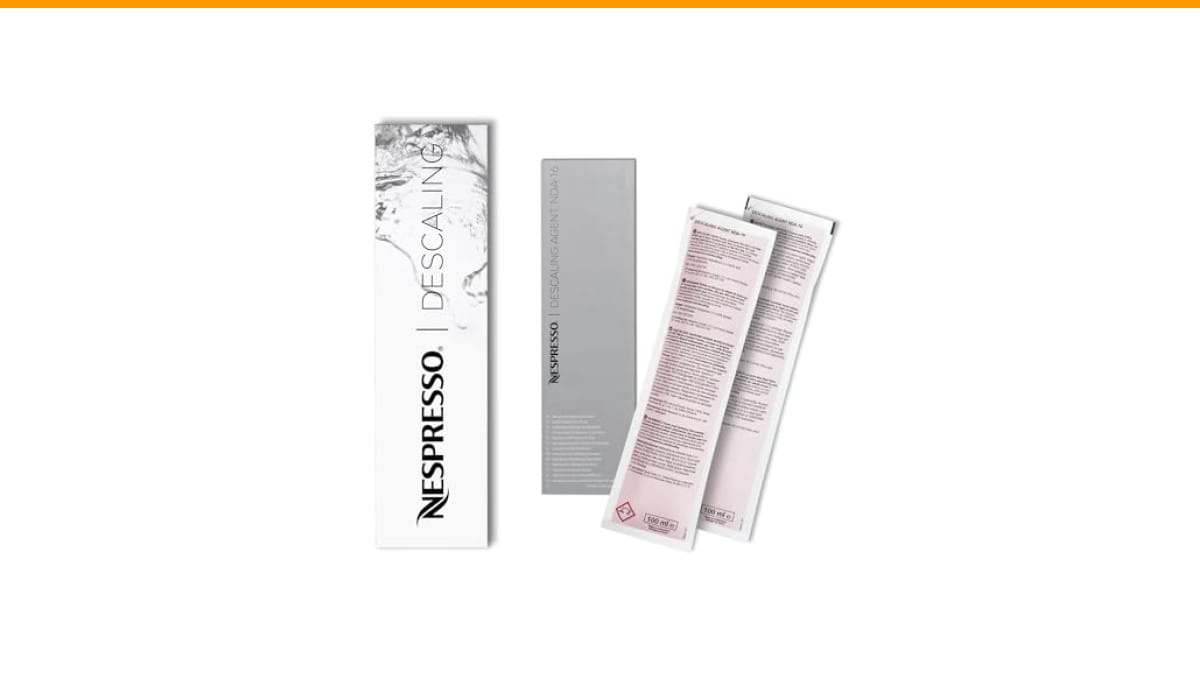
Nespresso Descaling Kit Solution, Compatible with all…
- Includes: 2 portioned pouches of descaling solution specially designed for your Nespresso machine
- Better taste: Removing mineral build-up keeps your machine brewing coffees as delicious as on day one
- Easy to use: Descale at the touch of a button - Requires nothing more than fresh drinking water, an empty container, and a few min…
As an Amazon Associate I earn from qualifying purchases.
I have tested these methods on my own Vertuo Plus and a friend’s Vertuo Next. The steps below are the ones that work without damaging the parts or leaving behind any soapy aftertaste.
For the machine’s internal plumbing, you need a proper descaling solution. The Nespresso Descaling Kit Solution comes with two portioned pouches and works with every Nespresso model. It breaks down the mineral scale that builds up inside the boiler and tubes, which is something surface cleaning can’t touch. You’ll still need to wipe down the outside, but this kit handles the inside.
What You Need Before You Start
Gather these items first. It makes the job faster and prevents you from grabbing the wrong sponge halfway through.
- Warm water (not boiling, which can warp plastic)
- Mild dish soap (Dawn or Seventh Generation work well)
- White vinegar (for tough mineral stains)
- Baking soda (optional, for stubborn coffee oil)
- Soft sponge or microfiber cloth (never steel wool)
- Old toothbrush or small nylon brush for crevices
- Clean, dry towel
Stay away from bleach, abrasive powders, and anything with citrus oil. These can discolor the plastic and leave a residue that transfers to your coffee. The Vertuo parts are made from BPA-free plastic, but they are not indestructible.
Step-by-Step: Sanitizing Each Accessory
Here is the breakdown for every removable piece on a standard Vertuo machine. The process varies slightly depending on the part, so do not lump them all together.
1. The Drip Tray and Grid
This is the dirtiest part. Coffee drips, water splashes, and dust settles here daily. Remove the tray and the black plastic grid. Rinse both under warm running water to knock off loose debris. Fill your sink with warm water and a few drops of dish soap. Submerge the tray and grid for 10 minutes. Scrub with a soft sponge, paying attention to the corners where old coffee turns into a brown sludge. Rinse thoroughly with clean water. Dry completely before putting it back. If you see white mineral spots, soak the tray in equal parts water and white vinegar for 30 minutes, then rinse.
2. The Pod Holder (Capsule Container)
The used pod container sits inside the machine. It fills up fast, and the old pods leave a sticky residue. Empty the container into the trash. Wash it in warm soapy water by hand. The inside grooves hold moisture, so use an old toothbrush to scrub those lines. Rinse well. Dry it with a towel before sliding it back in. Do not put this part in the dishwasher. The high heat can warp the shape, and then the container won’t slide in and out smoothly. I learned this the hard way with my first Vertuo.
3. The Water Tank
The clear water tank looks clean, but a slimy biofilm can grow on the inside walls over time. Remove the tank and empty any remaining water. Wash it with warm soapy water and a soft sponge. Use a bottle brush to reach the bottom corners. Rinse it several times to remove all soap. Fill the tank halfway with white vinegar and let it sit for 20 minutes if you see scale buildup. Rinse thoroughly. Let it air dry completely before reattaching. Never put the water tank in the dishwasher — the heat will cloud the plastic.
4. The Mug and Aeroccino (If You Use One)
The ceramic mug that comes with some Vertuo bundles can go in the dishwasher, but hand washing is gentler on the design. The Aeroccino milk frother is a different story. The whisk and the inside of the jug need immediate cleaning after each use. Wash the jug and whisk in warm soapy water. Do not submerge the base of the Aeroccino — only the jug and lid. Dry everything with a soft cloth. Milk protein sticks hard if you let it dry, so clean it right away.
5. The Machine Exterior and Brew Head
Wipe down the outside of the machine with a damp microfiber cloth. For the brew head (the part where the pod goes in), use a damp cloth to wipe away loose coffee grounds. Do not use soap on the brew head. The soap residue can get into the next cup. If you see old coffee buildup around the piercing needle, check our guide on the cleaning cycle not working to troubleshoot that specific issue.
Comparison: Hand Washing vs. Dishwasher vs. Vinegar Soak
Not all methods are equal. Here is a quick comparison so you can choose the right approach for each part.
| Accessory | Hand Wash (Soap & Water) | Dishwasher Safe? | Vinegar Soak (Descaling) | Best Method |
|---|---|---|---|---|
| Drip Tray & Grid | Yes, daily | Top rack only, but can warp | Yes, for mineral spots | Hand wash with soap |
| Pod Container | Yes, after each empty | No, heat warps plastic | Not needed | Hand wash with brush |
| Water Tank | Yes, weekly | No, clouds plastic | Yes, for biofilm | Hand wash, air dry |
| Mug (Ceramic) | Yes | Yes | No | Dishwasher or hand |
| Aeroccino Jug | Yes, after every use | No, damages non-stick | No | Hand wash immediately |
| Brew Head | Wipe only, no soap | Never | No | Damp cloth wipe |
The pattern is simple: if it holds water or coffee, wash it by hand. If it touches the brewing mechanism, just wipe it. The dishwasher is convenient, but it is not worth ruining a part over.
When to Descale vs. Sanitize
Sanitizing the accessories removes surface dirt and bacteria. Descaling removes mineral scale from the internal boiler and pipes. These are different jobs. You should sanitize the removable parts every week. You should descale the machine every 3 to 6 months, depending on how hard your water is. If you live in an area with hard water, descale closer to the 3-month mark. If you use filtered water, you can stretch it to 6 months.
The descaling process is straightforward. Empty the water tank and pour in the Nespresso descaling solution. Fill the rest with fresh water. Run a brew cycle without a pod until the tank is empty. Let the machine sit for 15 minutes, then run a few cycles with just clean water to rinse. The whole process takes about 20 minutes. I run this routine on my Vertuo Plus every four months, and the coffee tastes noticeably cleaner afterward.
If your machine is showing signs of trouble, like slow brewing or strange noises, check our article on the Vertuo not pumping water before you panic. It might just be a clogged line that a descale will fix.
Common Mistakes That Ruin Accessories
I have seen people make these errors, and each one shortens the life of the machine or ruins the coffee.
- Using boiling water. Hot water helps remove grease, but boiling water warps the thin plastic of the water tank and pod container. Stick to warm tap water.
- Putting parts in the dishwasher. The high heat and harsh detergent cause clouding and warping. The drip tray might survive, but the pod container will not. Hand washing is just safer.
- Skipping the rinse cycle after descaling. If you do not rinse thoroughly, you will taste the descaling solution in your next cup. It is a bitter, chemical flavor that ruins the coffee. Run at least two full tanks of fresh water through the machine after descaling.
One more thing: dry every part completely before reassembling. Moisture trapped in the drip tray or pod container is a breeding ground for mold. A quick wipe with a towel takes ten seconds and prevents a musty smell later.
Frequently Asked Questions
Can I use Clorox wipes on the outside of my Vertuo?
You can, but I would not. The wipes leave a residue that can transfer to your hands and then to the machine. A damp microfiber cloth is enough for the exterior. If you need to disinfect, use a cloth dampened with a little rubbing alcohol, but avoid getting it on the water tank or brew head.
How often should I clean the Aeroccino whisk?
After every single use. Milk protein coagulates quickly, and once it dries, it is very hard to remove. Rinse the whisk under hot water immediately after pouring your milk. Wash the jug with soap and water each time. If you let it sit overnight, you will be scrubbing for ten minutes the next morning.
Is it safe to use vinegar instead of the Nespresso descaling solution?
Vinegar works in a pinch, but it is not ideal. Vinegar is acidic and can leave a smell that lingers in the machine’s internal tubing. The Nespresso solution is formulated to dissolve scale without leaving a taste or odor. If you use vinegar, use a 50/50 mix with water and run three rinse cycles afterward. I prefer the official solution because it is designed for this exact task and takes the guesswork out.
Why does my coffee taste bitter even after cleaning the accessories?
Bitter coffee usually means the machine needs descaling, not just cleaning. The mineral scale inside the boiler affects the water temperature, which changes the extraction. If you have not descaled in over six months, that is your problem. Also check your pod storage — old pods lose their flavor and taste stale.
Can I soak the drip tray overnight in soapy water?
Yes, you can. The drip tray is the most durable plastic part. A long soak helps loosen the dried coffee sludge in the corners. Just make sure you rinse it very well. Soap residue on the drip tray can mix with condensation and get on your cup. A 10-minute soak is usually enough, so overnight is overkill.
Keep It Simple: Your Sanitizing Routine
You do not need a complicated system. Here is what actually matters:
- Wipe the drip tray and grid weekly with warm soapy water.
- Empty and wash the pod container every time it fills up.
- Clean the water tank monthly with a vinegar soak.
- Wipe the brew head with a dry cloth after every few brews.
- Descale the machine every 3–6 months with the Nespresso descaling kit.
- Never put plastic parts in the dishwasher.
- Dry everything completely before reassembly to prevent mold.
Stick to this routine and your Vertuo will keep brewing clean, hot coffee for years. If you run into a specific issue like the machine not turning on, read our troubleshooting guide on the Vertuo Plus not turning on. A clean machine is a happy machine.
Products related to this article
Sponsored / affiliate links. As an Amazon Associate I earn from qualifying purchases. I may earn additional commission from eligible campaigns.