You brewed a perfect cup this morning, rinsed the infuser under the tap, and set it on the drying rack. Sound familiar? That rinse removes the loose leaves, but it doesn’t touch the film of tannins and mineral deposits building up in the mesh. After a few weeks, that film can trap bacteria and mold spores, especially if the infuser stays damp between uses. A clean infuser isn’t just about looks — it directly affects how your tea tastes.
This guide covers the actual steps to sanitize a tea infuser, from a quick daily rinse to a deep soak that removes stubborn residue. You’ll also learn why boiling isn’t always the best answer and how to avoid the mistakes that warp or rust your gear. By the end, you’ll know exactly what to do for your specific infuser material.

FUSJLQUA
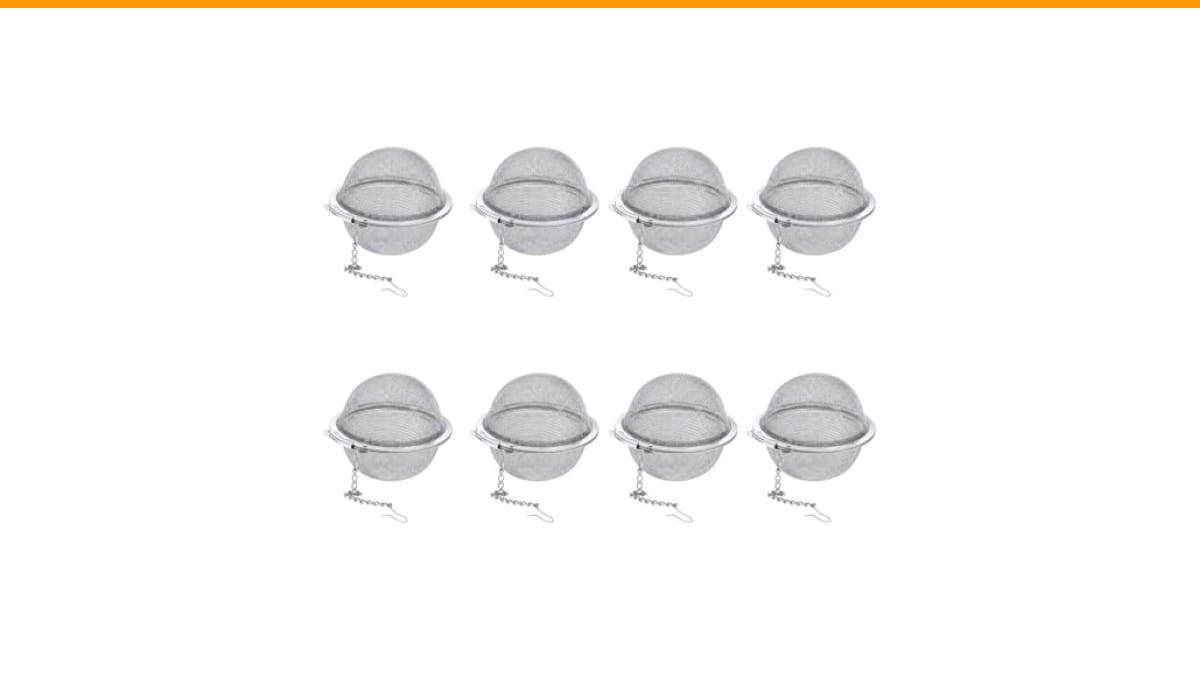
FUSJLQUA 8Pcs 304 Stainless Steel Mesh Tea…
- 304 Stainless Steel — Each tea infuser ball is crafted from premium 304 stainless steel. This material is rust-proof, non-toxic, a…
- Fine Mesh for Faster Steeping & Cleaner Tea — The tea strainer features evenly spaced fine mesh holes that filter tea particles ef…
- Secure Hook & Long Chain for Easy Steeping — Designed with a 5-inch chain and a sturdy hook, this tea steeper for loose tea hangs…
As an Amazon Associate I earn from qualifying purchases.
If you’re using a mesh ball like the FUSJLQUA 8Pcs 304 Stainless Steel Mesh Tea Ball, the same rules apply — but the fine mesh needs a little extra care to keep the holes clear.
The Daily Routine: More Than a Swish
After each brew, empty the leaves immediately. Old leaves dry into a crust that’s harder to remove later. Rinse the infuser under hot running water, then use your fingers or a soft brush to gently rub the mesh. Pay attention to the hinge and clasp area — tea particles love to hide there.
Once a week, do a deeper clean with a mild dish soap and a bottle brush. Make sure you rinse thoroughly; soap residue can leave a bitter taste in your next cup. Let the infuser air dry completely before storing. Moisture is the main enemy — it encourages bacterial growth and can cause rust on cheaper metals.
For stainless steel infusers like the FUSJLQUA set, a quick weekly wash keeps them in good shape. But even with regular cleaning, mineral deposits from hard water can build up over time. That’s when you need a sanitizing soak.
Deep Cleaning Methods That Actually Work
When your infuser looks dingy or feels slippery, it’s time for a deep clean. Here are three proven methods, each with its own pros and cons.
Method 1: White Vinegar Soak
Mix one part white vinegar with two parts warm water in a bowl. Submerge the infuser completely and let it soak for 30 minutes. Vinegar dissolves mineral deposits and kills most bacteria. After soaking, scrub gently with a soft brush, then rinse thoroughly with hot water. If you notice a vinegar smell, rinse again and air dry.
This method works well for stainless steel and silicone infusers. Avoid using vinegar on brass or copper, as it can damage the finish.
Method 2: Baking Soda Paste
For stubborn tannin stains, make a paste with three parts baking soda and one part water. Apply it to the mesh with a soft toothbrush and gently scrub in circles. Let it sit for 10 minutes, then rinse. Baking soda is mildly abrasive, so don’t scrub too hard — you could widen the mesh holes.
This method is especially useful for infusers with fine mesh, like the FUSJLQUA tea balls, where gunk gets trapped in the tiny holes.
Method 3: Boiling (With a Caveat)
Boiling is a common recommendation, but it’s not ideal for every infuser. Stainless steel can handle boiling, but plastic parts (like some handles or chains) can warp or release chemicals. Silicone is generally safe up to 400°F, but check the manufacturer’s instructions. If you do boil, place the infuser in a pot of water, bring to a rolling boil for 5 minutes, then let it cool naturally. Don’t shock it with cold water — thermal stress can cause metal fatigue.
Boiling is effective for killing germs, but it doesn’t remove mineral deposits or tannin stains. You’ll still need a vinegar soak for that.
Common Myths About Sanitizing Tea Infusers
There’s a lot of bad advice floating around. Let’s clear up the biggest misconceptions.
Myth: Bleach Is a Good Sanitizer
Bleach is too harsh for food-contact surfaces. It can leave toxic residues and corrode metal. Even a tiny amount of bleach residue can ruin the taste of your tea and pose a health risk. Skip it entirely.
Myth: Dishwasher Cleaning Is Enough
Dishwashers use high heat and strong detergents, which can actually damage the mesh over time. The fine holes can clog with food particles from other dishes, and the harsh chemicals may corrode the metal. Hand washing is gentler and more thorough.
Myth: You Only Need to Sanitize When It Looks Dirty
Bacteria and mold are invisible to the naked eye. Even a clean-looking infuser can harbor microbes if it’s been damp for a while. Sanitize at least once a month, more often if you use it daily.
| Method | Best For | Kills Germs | Removes Stains | Time Needed |
|---|---|---|---|---|
| White Vinegar Soak | Stainless steel, silicone | Yes | Yes | 30 minutes |
| Baking Soda Paste | Fine mesh, stubborn tannins | Partial | Yes | 10 minutes |
| Boiling | Stainless steel only | Yes | No | 5 minutes |
| Dishwasher | Quick clean (not sanitizing) | Partial | No | 30+ minutes |
How to Sanitize Without Damaging the Mesh
The mesh is the most delicate part of any infuser. Too much scrubbing or harsh chemicals can widen the holes, letting tea leaves escape into your cup. Here’s how to be gentle yet effective.
Use a soft-bristled brush (a baby toothbrush works great) and always scrub in the direction of the mesh lines, not against them. Avoid metal brushes or abrasive sponges — they’ll scratch the surface and create tiny crevices where bacteria can hide.
For the FUSJLQUA stainless steel balls, the reinforced mesh is durable, but it’s still fine enough to catch small particles. A weekly vinegar soak will keep the holes clear without any scrubbing at all.
If you notice rust spots, that’s a sign of a low-quality metal. The 304 stainless steel in the FUSJLQUA set resists rust, but no metal is completely immune. Dry the infuser thoroughly after each wash to prevent any moisture-related issues.
FAQ: Real Questions People Ask
Can I use hydrogen peroxide to sanitize my tea infuser?
Yes, hydrogen peroxide is a safe alternative to bleach. Use a 3% solution, soak for 10 minutes, then rinse thoroughly. It’s effective against bacteria and breaks down into water and oxygen, leaving no residue. Just avoid soaking for too long, as it can slightly oxidize some metals.
How often should I sanitize my tea infuser?
If you use it daily, aim for a deep clean once a week and a full sanitize once a month. If you only brew occasionally, sanitize before the first use after a long break. The key is to never let it stay damp for more than a day.
Is it okay to put a stainless steel infuser in the dishwasher?
Technically yes, but it’s not recommended. The high heat and harsh detergents can degrade the mesh over time and cause pitting. Hand washing is gentler and gives you more control. If you do use the dishwasher, place it in the silverware basket and skip the heated dry cycle.
What’s the best way to dry a tea infuser after cleaning?
Shake off excess water, then place it on a drying rack in a well-ventilated area. Don’t store it in a closed cabinet while still damp. You can also use a clean towel to pat it dry, but avoid rubbing the mesh too hard. Air drying is the gentlest option.
Can I use lemon juice instead of vinegar?
Yes, lemon juice works similarly to vinegar. It’s slightly more acidic, so dilute it with water (one part lemon juice to three parts water). The downside is the sticky residue from the juice, so you’ll need to rinse extra well. Vinegar is simpler and leaves no residue.
Final Thoughts: Keep It Simple, Keep It Dry
- Rinse the infuser immediately after each use to prevent dried-on residue.
- Do a weekly wash with mild soap and a soft brush.
- Soak in vinegar once a month to dissolve mineral deposits and kill germs.
- Use baking soda paste for stubborn tannin stains — but don’t scrub too hard.
- Boil only stainless steel infusers, and never shock them with cold water.
- Air dry completely before storing; moisture is your biggest enemy.
- Replace your infuser if the mesh starts to tear or rust — it’s not worth the risk.
Sanitizing a tea infuser doesn’t need to be a chore. A few minutes of care each week keeps your tea tasting clean and your gear lasting for years. If you’re looking for a durable, easy-to-clean option, the FUSJLQUA stainless steel tea ball holds up well under regular cleaning. And if you’re already deep-cleaning your coffee gear, you might want to check our coffee grinder cleaning guide — same principle, different appliance.
Remember, a clean infuser is a happy infuser. Your tea will taste better, and you’ll avoid any hidden health risks. So next time you finish a cup, give that infuser a proper rinse — and once a month, treat it to a vinegar soak. Your future self (and your taste buds) will thank you.
Products related to this article
Sponsored / affiliate links. As an Amazon Associate I earn from qualifying purchases. I may earn additional commission from eligible campaigns.