You finish your last cup of coffee, unplug the warmer, and shove it in a drawer. Three weeks later you pull it out and the glass plate has a white film, the cord is tangled into a knot, and the rubber feet left marks on your notebook. Sound familiar? Most people don’t think twice about how they store a mug warmer, but the way you put it away determines how long it lasts and how well it works next time.
This guide covers the full process: cooling down safely, cleaning the plate without damaging it, managing the cord, and choosing a storage spot that avoids heat damage, dust, and accidental drops. You’ll also learn what not to do, because a few common habits can shorten the life of a perfectly good warmer.

House Gem
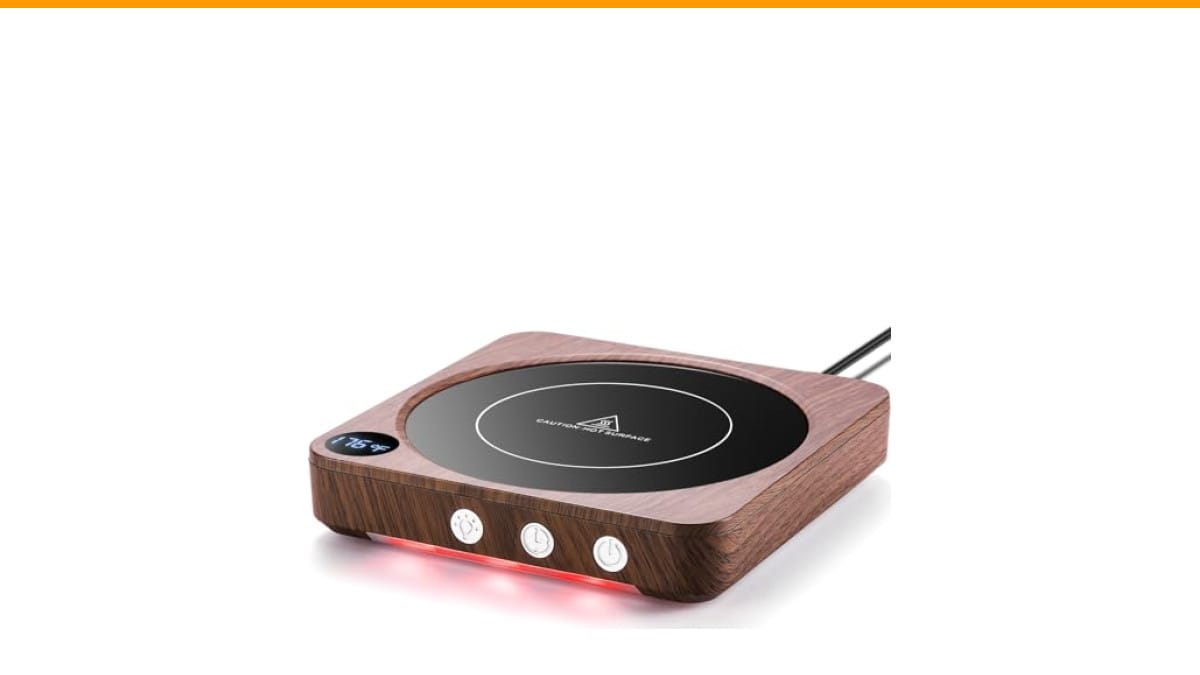
House Gem Coffee Mug Warmer for Desk,…
- 3 Temperature Settings & Fast Heating: Choose 130°F, 150°F, or 176°F to quickly heat coffee, tea, milk, or cocoa and keep it at yo…
- Safety Comes First: A. LED display and color-coded lights clearly show operating status. B. Easy-clean glass heating plate. C. 4-h…
- 5.2-Inch Plate for More Mugs: The large high-temperature-resistant glass surface fits most flat-bottom ceramic, glass, and stainle…
As an Amazon Associate I earn from qualifying purchases.
I tested these steps with a few different models, including the House Gem Coffee Mug Warmer for Desk, which has a glass plate and a timer function. The principles apply to most flat-top warmers on the market.
One option worth considering is the House Gem Coffee Mug Warmer. It has a 5.2-inch glass plate, three temperature settings, and a 2–12 hour timer. The glass surface makes cleanup straightforward, which matters when you’re storing it after daily use. It also remembers your last settings, so you don’t have to reprogram it every morning.
Cool Down Before You Do Anything Else
The biggest mistake people make is storing a warmer while it’s still hot. The glass plate can reach 176°F on the highest setting. If you wrap it in a cloth or put it in a drawer immediately, that heat has nowhere to go. The result: the plate cools slowly, which can stress the heating element underneath.
Wait at least 30 minutes after unplugging. The surface should feel room temperature to the touch. Don’t speed this up by running cold water over the plate. Thermal shock can crack the glass. Let it cool naturally.
While you wait, unplug the cord from the wall, not just the unit. Pulling the plug from the warmer itself can strain the connection point over time.
Clean the Plate the Right Way
A dirty plate is a sticky plate. Coffee spills, milk residue, and sugar crystals bake onto the surface during use. If you store it without cleaning, that residue hardens and becomes much harder to remove later.
Wait for the plate to cool completely, then wipe it with a damp cloth. Use plain water or a mild dish soap. Avoid abrasive scrubbers, steel wool, or harsh chemical cleaners. The glass surface can scratch, and scratches create tiny crevices where residue collects.
For stubborn spots, let a damp cloth sit on the plate for a few minutes to soften the residue. Then wipe again. Dry the plate thoroughly with a soft towel. Moisture left on the surface can seep into the seams and cause corrosion over time.
If you use a warmer with a timer and a digital display, be careful around the control area. Wipe gently, don’t soak. Water inside the electronics is a fast way to kill the unit. For more on keeping your coffee gear clean, check out our cleaning coffee maker guide, which covers similar principles for other appliances.
Handle the Cord Like It Matters
The cord is the most fragile part of any mug warmer. It bends, twists, and gets pulled every day. How you store it affects whether it lasts a year or five years.
Never wrap the cord tightly around the base. That puts constant tension on the wire where it enters the unit. Eventually, the internal connection can loosen or break. Instead, loop the cord loosely in your hand, then secure it with a twist tie or a Velcro strap. If the cord is detachable, unplug it from the unit and store it separately.
Check the cord for kinks or exposed wire before storing. If you see damage, replace the warmer. A frayed cord is a fire risk, not worth the convenience.
Choose a Storage Spot That Makes Sense
Where you store the warmer matters almost as much as how you clean it. The ideal spot is dry, room temperature, and away from direct sunlight. Humidity is the enemy. A damp drawer or a shelf above a dishwasher can introduce moisture that corrodes the heating element.
Avoid stacking heavy items on top of the warmer. The glass plate can handle a mug, but it’s not designed to support a stack of books. If you’re storing it in a drawer, place it plate-side up and keep other items from pressing down on it.
If you have limited space, consider standing it vertically against a wall. The cord will hang down, which is fine as long as the plug doesn’t touch the floor where it can pick up dust or moisture. Just make sure the plate isn’t rubbing against anything abrasive.
For those who use a warmer daily, keeping it on the desk is fine, but cover it with a light cloth to keep dust off the plate. Dust buildup can affect heat transfer and makes the plate look grimy.
Comparing Storage Methods
Not all storage approaches work equally well. Here’s a breakdown of common options based on my experience testing different setups.
| Storage Method | Pros | Cons | Best For |
|---|---|---|---|
| Drawer (flat, plate up) | Protects from dust and spills; out of sight | Risk of items stacking on top; cord tangling | Occasional use, small spaces |
| Open shelf on desk | Easy access; no cord stress if coiled properly | Dust accumulation; potential for accidental knocks | Daily use, dedicated coffee corner |
| Vertical against wall | Saves horizontal space; keeps plate away from debris | Risk of tipping; cord dangles | Tight desks, shared workspaces |
| Original box | Maximum protection; keeps all accessories together | Takes up space; inconvenient for frequent use | Long-term storage, travel |
My preference is the open shelf method for daily users. It keeps the warmer accessible and lets you spot any residue or damage immediately. For everyone else, a drawer with a soft cloth underneath works fine, as long as you follow the cleaning steps above.
Common Mistakes That Shorten Lifespan
Even careful people make these errors. I’ve seen all of them in my own testing and in reader reports.
- Storing while warm: Always cool down fully. Heat trapped in a drawer can warp the base over time.
- Skipping the clean: Baked-on residue becomes permanent stains. A 30-second wipe saves you a 10-minute scrub later.
- Wrapping the cord tight: This is the number one cause of cord failure. Loose loops only.
- Using harsh cleaners: Bleach, ammonia, or abrasive pads can dull the glass and damage the non-stick surface if present.
- Storing upside down: If the plate faces down, dust and moisture collect on the heating surface. Always store plate-up.
One more thing: don’t store the warmer near a heat source like a radiator or in a car during summer. Extreme temperatures can affect the internal components, especially the timer and LED display.
How to Prepare the Warmer for Long-Term Storage
If you’re not going to use the warmer for a month or more, take a few extra steps. First, give it a final clean as described above. Make sure it’s completely dry. Then, wrap the plate in a soft cloth or a sheet of bubble wrap to protect it from scratches.
Coil the cord loosely and secure it. If the warmer came with a manual or accessories, store them together in a zip-top bag. This keeps everything in one place and prevents you from hunting for the timer instructions later.
Place the wrapped warmer in a box or a drawer where it won’t be crushed. Check on it every few months if you live in a humid climate. If you see any moisture, wipe it down and let it air out before returning it to storage.
Frequently Asked Questions
Can I store a mug warmer plugged in?
No. Always unplug it. Even in standby mode, the unit draws a small amount of power. More importantly, a plugged-in warmer that’s accidentally turned on can overheat if something is placed on top of it. Unplugging is the safest habit.
How long should I wait before storing after use?
At least 30 minutes. The plate stays hot for a while after you turn it off. If you’re in a hurry, you can speed up cooling by moving it to a well-ventilated area, but never use water or a cold cloth on the hot glass.
Is it okay to store the warmer with a mug on top?
No. The weight of the mug, even an empty one, puts pressure on the glass plate. Over time, this can cause micro-cracks or misalignment. Store the warmer bare, with nothing on the surface.
What should I do if the glass plate gets stained?
Try a paste of baking soda and water. Apply it gently with a soft cloth, let it sit for a few minutes, then wipe clean. If that doesn’t work, the stain may be permanent. Prevention is easier than removal, so clean after every use.
Can I store the warmer in a cabinet above the stove?
Not a good idea. The heat and humidity from cooking can damage the electronics over time. Choose a dry, cool spot away from steam and grease. A pantry shelf or a desk drawer works better.
What to Remember Next Time You Put It Away
Storing a coffee mug warmer takes about two minutes once you know the routine. The payoff is a longer-lasting unit that heats evenly and looks clean every time you pull it out.
- Always let the plate cool completely before handling or storing.
- Wipe the glass with a damp cloth and dry it fully after each use.
- Loop the cord loosely, never wrap it tight around the base.
- Store plate-up in a dry, room-temperature spot away from sunlight and humidity.
- Avoid stacking anything on top of the warmer.
- For long breaks, wrap the plate in cloth and keep accessories together.
- Inspect the cord periodically for damage and replace the unit if you see fraying.
If you’re looking to keep your whole coffee setup in good shape, read our coffee machine maintenance tips and our guide on burr vs blade grinders. A little care goes a long way, whether it’s a $20 warmer or a $500 grinder.
Products related to this article
Sponsored / affiliate links. As an Amazon Associate I earn from qualifying purchases. I may earn additional commission from eligible campaigns.