You bought a bag of loose leaf tea because it smelled incredible in the shop. Now it sits in your cupboard because the last time you tried using that mesh ball, half the leaves ended up floating in your mug and the other half stuck to the spoon. I have been there. The good news is that a tea infuser is not complicated once you understand a few basic rules about volume, water temperature, and timing.
This guide walks through everything you need to know about using a tea infuser correctly. You will learn how much tea to put in, how to handle different leaf sizes, why water temperature matters more than you think, and how to clean the thing so it does not turn your next cup bitter. No guesswork left.

Reinmoson
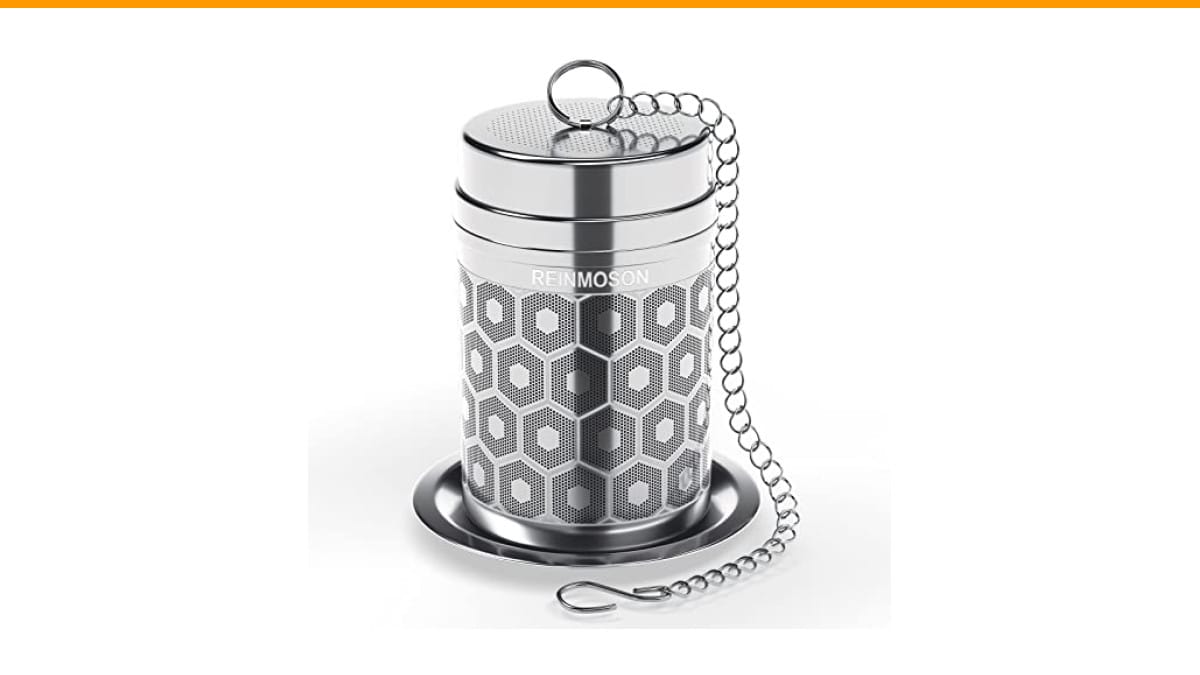
Reinmoson Extra Fine Mesh Tea Infuser for…
- Upgraded Micron Mesh: Loose leaf tea steeper is Ideal to hold tea leaves, particles, or ground coffee. Compared to traditional tea…
- High-Quality Materials: Made of 304 food-grade stainless steel, loose tea infuser is easier to clean. Besides, tea diffusers for l…
- Easy to Open and Close: With the design of thread top, the lids screw easily and are much more secure than the traditional twist l…
As an Amazon Associate I earn from qualifying purchases.
If you are shopping for a new infuser, the Reinmoson Stainless Steel Tea Infuser is worth a look. Its fine mesh keeps small particles like rooibos or ground chai out of your cup, and the screw-top lid stays put when you swirl the mug. It is the kind of tool that makes the whole process easier from the first brew.
Start with the Right Amount of Tea
Most people use too little tea, then wonder why the cup tastes weak. The standard ratio for loose leaf tea is about one teaspoon of leaves per 8 ounces of water. That is a good starting point, but you need to adjust for leaf size. A teaspoon of large, fluffy white tea weighs almost nothing. A teaspoon of dense gunpowder green tea weighs a lot more. Weigh your tea if you have a small kitchen scale. Aim for 2.5 to 3 grams per 8-ounce cup. That is more accurate than measuring by volume.
Do not fill the infuser to the top. Leaves need room to expand as they absorb water. A tightly packed ball restricts the water flow and produces a weak, uneven brew. Fill it about halfway, maybe two-thirds full at most. The leaves will swell and fill the remaining space during steeping.
For the Reinmoson infuser specifically, the basket is 1.5 inches wide and 2.2 inches high. That holds roughly one to two teaspoons of most tea types comfortably. If you are brewing for a larger teapot, just refill the basket and steep again, or use two infusers at once.
Water Temperature and Steeping Time Matter
Boiling water works for black tea and herbal blends. It ruins green and white teas. Water that is too hot scorches the delicate leaves and pulls out bitter tannins. You do not need a fancy kettle with digital controls. Just let boiling water sit for a minute or two before pouring. That drops the temperature to around 180 to 185°F, which is perfect for green tea. For white tea, wait two to three minutes.
Steeping time depends on the tea and your taste. Here are the ranges I use after testing dozens of varieties side by side:
- Green tea: 2 to 3 minutes. Beyond that, it gets grassy and astringent.
- Black tea: 3 to 5 minutes. Longer gives a stronger, maltier cup but can get bitter.
- Oolong: 3 to 5 minutes, and it often handles multiple infusions well.
- Herbal teas and rooibos: 5 to 7 minutes. These are forgiving and benefit from longer steeping.
- White tea: 4 to 5 minutes with cooler water around 170°F.
Set a timer. Do not rely on your memory. The difference between a 3-minute steep and a 5-minute steep is the difference between a pleasant cup and a bitter one. The fine mesh on the Reinmoson infuser helps here because it does not let the small broken leaves through, so you can steep longer without getting sludge in your mouth.
How to Brew with the Infuser Step by Step
Here is the exact process I use every morning. It takes about thirty seconds of active time.
- Warm your mug with hot water first. Pour it out before adding the tea. This keeps the water temperature stable during steeping.
- Add your measured tea leaves to the infuser basket. Do not pack them down.
- Screw the lid on securely. The Reinmoson uses a thread top, which is much more reliable than the old twist-lock designs that pop open when the leaves expand.
- Place the infuser in your mug. Hook the chain over the rim so it does not fall in.
- Pour hot water over the leaves. Make sure the water covers the entire basket.
- Start your timer immediately.
- When the timer goes off, lift the infuser out. Let it drip for a few seconds over the mug, then set it on the saucer that came with the Reinmoson set. That saucer catches the drips so you do not stain your counter.
One habit worth building: give the infuser a gentle swirl in the mug before you lift it out. That helps the water inside the basket mix with the rest of the cup, so the strength is even throughout.
If you are brewing directly in a teapot, the same steps apply. Just make sure the chain is long enough to hang over the pot’s rim. The Reinmoson chain is 4.3 inches, which fits most standard mugs and small teapots.
Different Leaf Sizes Need Different Handling
Not all tea leaves are the same size, and your infuser will perform differently depending on what you put in it. Whole-leaf teas like a large-leaf oolong or a twisted black tea have plenty of room to expand. They brew cleanly and are easy to rinse out afterward.
Fine particles like rooibos, chamomile, or ground chai are a different story. They can slip through the mesh of a cheap infuser and leave grit in your cup. The Reinmoson uses a half-sized micron mesh compared to standard infuser balls, which catches these small bits. If you regularly drink fine-leaf teas, the mesh quality is the single most important feature to look for.
Another consideration is cleaning. Fine particles get stuck in the mesh and are hard to rinse out. A quick rinse under running water works for whole-leaf tea. For fine particles, you may need to flip the basket inside out or use a soft brush. I keep a dedicated bottle brush near my sink for this. It takes ten seconds and prevents the next cup from tasting like the last one.
Speaking of cleaning, the Reinmoson is made of 304 stainless steel, so it will not rust or hold onto odors. That is a real advantage over plastic infusers, which absorb smells over time. I learned that lesson the hard way with a plastic ball that made my green tea taste like last week’s chai.
Comparing Infuser Types and Methods
There is no single perfect infuser. Each style has trade-offs, and the right one depends on how you brew.
| Infuser Type | Best For | Pros | Cons |
|---|---|---|---|
| Ball infuser (like the Reinmoson) | Single cups, most tea types | Portable, easy to clean, good for travel | Limited capacity for large pots |
| Basket infuser | Mugs and small teapots | More room for leaves to expand, better flavor extraction | Requires a stable mug rim, can tip over |
| Teapot with built-in infuser | Brewing for multiple people | Convenient, no extra parts, keeps tea warm | Harder to clean, more expensive |
| Tea filter bags (paper) | Quick cleanup, fine particles | Disposable, no mesh to clean | Wasteful, can impart paper taste, less eco-friendly |
| French press | Large batches, full-leaf teas | Great extraction, easy to plunge and pour | Leaves stay in water if you do not pour out, bulky |
For most home users, a quality ball infuser is the sweet spot. It is cheap, does not take up drawer space, and handles a single cup perfectly. If you regularly brew for two or three people, a basket infuser or a teapot with an infuser is a better long-term investment.
Cleaning and Maintenance
Rinse the infuser immediately after use. Dried tea leaves are much harder to remove than fresh ones. Hold it under warm running water and rub the mesh with your fingers. Most of the leaves will wash away in a few seconds.
For a deeper clean once a week, soak the infuser in a mixture of warm water and a little white vinegar for about ten minutes. This breaks down any tannin residue that builds up on the mesh. Rinse thoroughly afterward. Do not use soap if you can avoid it. Soap leaves a film that ruins the next cup of tea. If you must use soap, rinse it very well.
If you drink coffee as well, you can use the same infuser for ground coffee. Just be aware that coffee oils are stubborn. You will need a more thorough cleaning between uses. The Reinmoson is marketed for coffee too, but I prefer to keep separate infusers for tea and coffee to avoid flavor crossover.
For more on keeping your brewing gear in top shape, check out our guide on coffee maker cleaning if you use a drip machine alongside your infuser. The same principles of regular descaling apply.
Common Mistakes and How to Avoid Them
The biggest mistake is overfilling the infuser. I see it all the time. People cram the basket full because they think more leaves mean more flavor. It does not work that way. The water cannot circulate, so the outer leaves get over-extracted while the inner leaves stay dry. You get a bitter, weak cup. Use less tea and let it expand.
The second mistake is ignoring water temperature. Boiling water is not a universal setting. If your green tea tastes like boiled grass, the water is too hot. Let it cool for a minute before pouring. This one change will improve your tea more than any new infuser will.
The third mistake is leaving the leaves in the water while you drink. Even after you lift out the infuser, the tea continues to steep in your mug. If you sip slowly over ten minutes, the last few sips will be much stronger than the first. That is fine if you like it that way. If not, pour the tea into another cup after steeping, or drink it faster.
If you also use a steam wand for milk drinks, you might appreciate our tips on steam wand care. It is a different tool, but the habit of cleaning immediately after use carries over.
Frequently Asked Questions
How much tea do I put in a tea infuser?
Use about one teaspoon of loose tea per 8 ounces of water. Fill the infuser basket only halfway to two-thirds full. The leaves need room to expand when they absorb water. If the basket is packed tight, the water cannot flow through and you will get a weak, uneven brew.
Do I need to remove the infuser while drinking?
Yes. Lift the infuser out when the timer goes off. If you leave it in the mug, the tea keeps steeping and gets stronger and more bitter as you drink. Set the infuser on a saucer to catch the drips.
Can I use a tea infuser for coffee?
Yes, many people use them for ground coffee. Use a coarse grind so the grounds do not clog the mesh. The Reinmoson is fine enough for most coffee grinds. Just clean it thoroughly afterward because coffee oils are sticky and will affect the taste of your next tea.
How do I clean a tea infuser that is stained?
Soak it in warm water with a splash of white vinegar for ten to fifteen minutes. This dissolves the tannin stains. Rinse well. If the mesh is still clogged, use a soft bottle brush to scrub both sides. Avoid soap if possible, as it leaves a residue.
Is a metal infuser better than a silicone one?
For most people, yes. Stainless steel does not absorb odors or flavors, and it lasts for years. Silicone infusers are flexible and easy to squeeze out, but they can retain smells over time. The Reinmoson is made of 304 food-grade stainless steel, so it will not rust or add a metallic taste to your tea.
What to Do Next
You now have the basics down. The next cup you brew should taste noticeably better if you apply these steps. Here is the short version to remember:
- Use about one teaspoon of tea per 8-ounce cup, or weigh out 2.5 to 3 grams.
- Fill the infuser halfway, never pack it full.
- Match water temperature to tea type. Green and white teas need cooler water than black or herbal teas.
- Set a timer for the recommended steep time and stick to it.
- Lift the infuser out as soon as the timer goes off.
- Rinse the infuser immediately after use to make cleaning effortless.
- Soak in vinegar water weekly if you notice staining or buildup.
If you are still using disposable tea bags, consider switching to loose leaf with a good infuser. The flavor difference is substantial, and you will save money over time. Check the current price of the Reinmoson tea infuser on Amazon if you want a reliable option that will not fall apart after a few months.
Products related to this article
Sponsored / affiliate links. As an Amazon Associate I earn from qualifying purchases. I may earn additional commission from eligible campaigns.