You bought a nice stainless steel travel mug, filled it with fresh coffee, and an hour later it’s lukewarm. Or worse, the lid leaks all over your keyboard. Or the outside sweats so much you need a coaster. Sound familiar?
Most people don’t realize that a lot of what they think about insulated mugs is wrong. It’s not just about buying a good one—it’s how you use it. I’ve tested dozens of mugs side by side, and I can tell you that small habits make a huge difference. Let’s fix those habits.

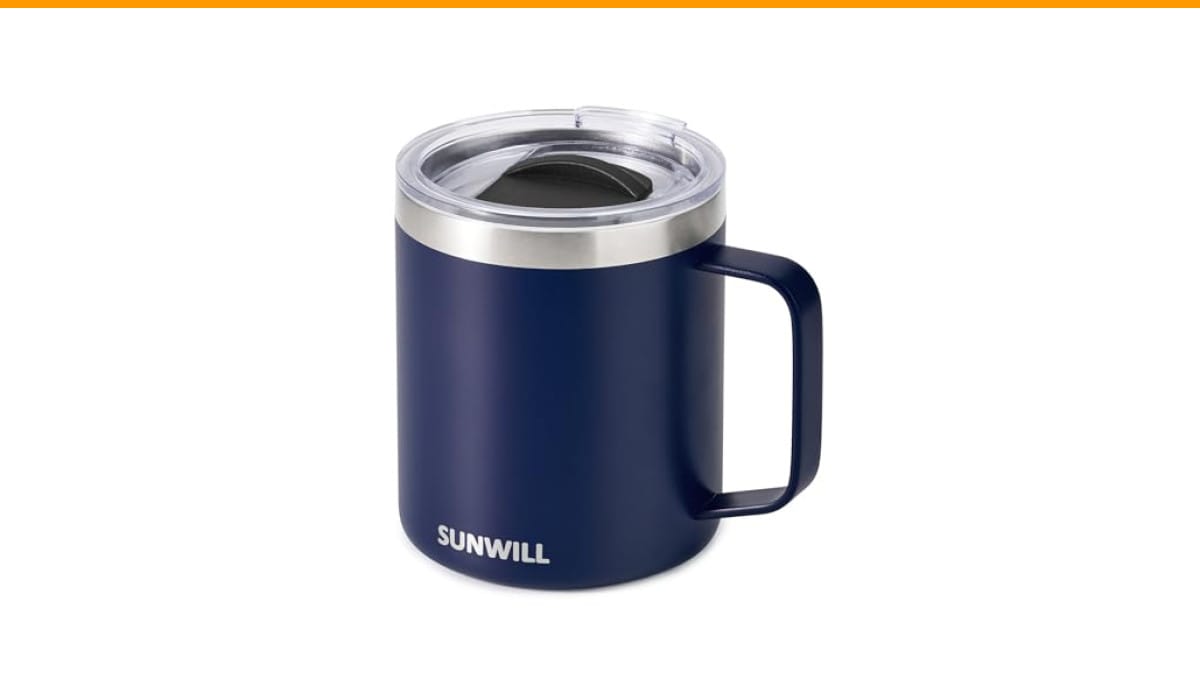
SUNWILL
SUNWILL Insulated Coffee Mug, Stainless Steel 14…
- NO-SWEAT, MESS-FREE DESIGN: Ideal for Hot & Iced Beverages. Keep your coffee, tea, or hot chocolate hot for 3h+, and iced coffee o…
- Ultra-Durable Powder Coating & Dishwasher Safe: Premium powder coated exterior provides a textured, comfortable grip that won't sl…
- Splash Resistant Sliding Lid: Designed to reduce splashes and keep your drinks cleaner during everyday use. The BPA-free lid featu…
As an Amazon Associate I earn from qualifying purchases.
By the end of this guide, you’ll know exactly what to do (and what to stop doing) to get the most out of your insulated coffee mug. We’ll cover the biggest mistakes, a quick comparison of different mug types, and answers to the questions that actually come up.
If you’re in the market, one mug that handles the basics well is the SUNWILL Insulated Coffee Mug—it’s a 14 oz stainless steel option with a splash-resistant sliding lid and a no-sweat finish. It’s a solid everyday choice for desk or home use.
Mistake #1: Not Preheating the Mug
You pour hot coffee into a cold mug. The cold steel steals heat from the liquid. That’s physics. Even a double-wall vacuum mug will lose several degrees in the first few minutes if you don’t warm it up first.
Fix: Fill the mug with boiling water, put the lid on, and let it sit for 30–60 seconds. Dump the water, then add your coffee. That little step can keep your coffee hot for an extra 30–45 minutes in my testing. It’s a tiny effort with a big payoff.
Same logic applies to iced drinks—chill the mug with cold water or ice cubes first. A warm mug will melt your ice fast.
Mistake #2: Overfilling or Underfilling
Fill the mug to the brim and the lid won’t seal properly. Leave too much empty space and air circulates, speeding up heat loss. Most mugs have a fill line or a lip that indicates the right level—use it.
For a 14 oz mug, that usually means leaving about half an inch of space. That allows the lid to create a proper vacuum seal. When the lid seals, the insulation works as designed.
Also, don’t fill with cold milk or cream before adding hot coffee. That drops the temperature instantly. Instead, add the coffee first, then the cold stuff, and give it a quick stir.
Mistake #3: Using the Wrong Lid for the Situation
Sliding lids are great for sipping while driving or typing. But they aren’t leak-proof. If you toss the mug in a bag, you’ll get a surprise.
Some mugs come with a separate leak-proof lid or a locking mechanism. If yours doesn’t, treat it as a desk mug, not a travel mug. The SUNWILL mug has a splash-resistant sliding lid—good for reducing splashes, but not a full seal. Keep that in mind.
Check the lid’s O-ring or gasket regularly. A worn or misaligned gasket breaks the seal and ruins insulation. Clean it properly (more on that below) and it’ll last longer.
Mistake #4: Putting It in the Dishwasher (Even If It Says Safe)
Many stainless steel mugs claim to be dishwasher safe. The steel itself is fine, but the powder coating and the lid’s gasket are not. Over time, the heat and detergent degrade the coating and the rubber seal. You’ll see fading, peeling, and eventually a lid that doesn’t seal.
My advice: hand wash. It takes 30 seconds. Use warm soapy water and a soft sponge. For the lid, remove the gasket and wash it separately. Dry everything completely before storing.
If you absolutely must use the dishwasher, put the mug on the top rack and skip the heated dry cycle. But don’t be surprised if the finish starts to chip after a few months.
Mistake #5: Ignoring the Cleaning Routine
Coffee oils build up inside the mug and on the lid. That buildup affects taste and can harbor bacteria. A quick rinse isn’t enough.
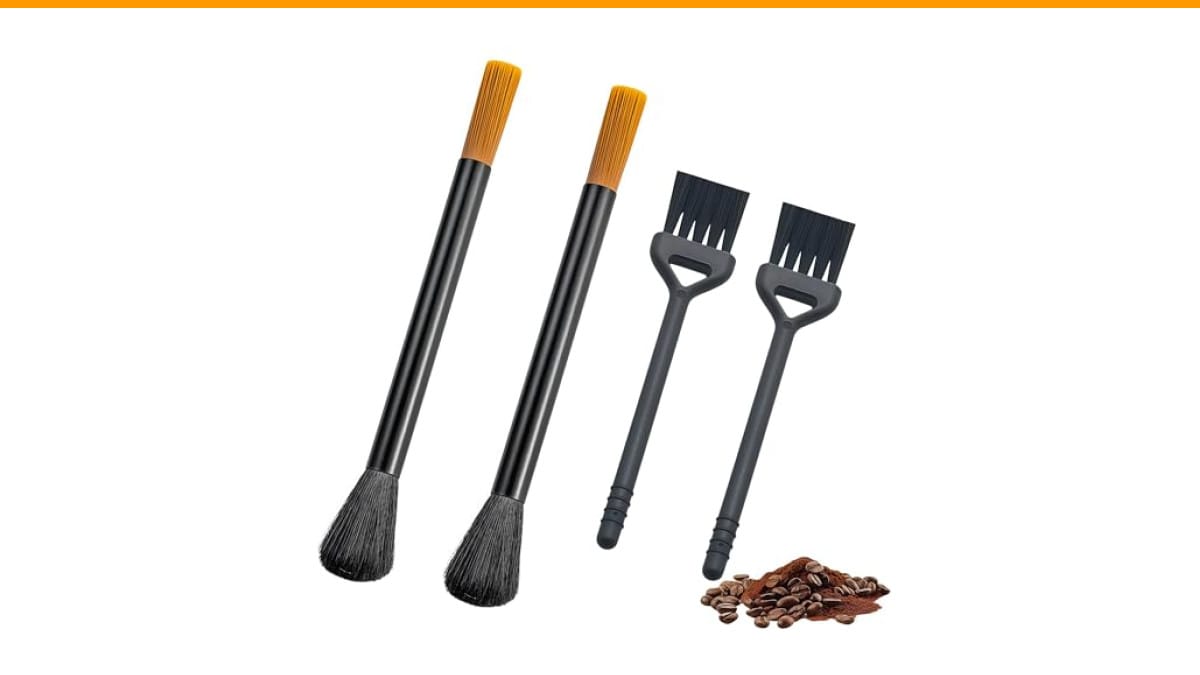
Once a week, give your mug a deeper clean. Fill it with warm water and a drop of dish soap, then use a long-handled brush to scrub the inside. For the lid, use a small brush or a cotton swab to clean the crevices.
If you notice a stale coffee smell, try a baking soda paste or a vinegar solution. Rinse thoroughly. This is one of those cleaning routines that many people skip, but it makes a real difference in how your coffee tastes.
Mistake #6: Not Testing the Seal Before You Trust It
You fill the mug, close the lid, and toss it in your bag. Then you smell coffee halfway to work. That’s a classic beginner error.
Always test the seal after filling. Close the lid, turn the mug upside down over the sink, and shake it gently. If any liquid escapes, you’ve got a problem. Check the gasket alignment, or consider a different mug.
This is especially important for mugs with sliding or flip-top lids. They’re convenient, but they’re not all leak-proof. Know what your mug can handle before you trust it with your laptop bag.
Mistake #7: Expecting It to Work Like a Thermos
An insulated coffee mug is not a thermos. It’s designed for drinking from, so it has a wider opening and a lid you can sip from. That means it loses heat faster than a sealed thermos with a narrow neck.
Typical numbers: a good vacuum mug keeps coffee hot (above 150°F) for 2–3 hours, warm (above 120°F) for 4–6 hours. A thermos can go 8–12 hours. If you need all-day heat, you need a thermos, not a mug.
Also, the more you open the lid, the faster it cools. Every time you sip, you let out heat and let in cold air. So if you’re nursing a cup for hours, expect it to go lukewarm eventually. That’s normal.
If you’re comparing options, check out our coffee fact books for more background on coffee temperatures and brewing.
Quick Comparison: Mug Types for Different Needs
Not all insulated mugs are the same. Here’s a simple breakdown of the main types based on my testing.
| Type | Best For | Heat Retention | Leak Resistance | Trade-offs |
|---|---|---|---|---|
| Travel mug (sliding lid) | Commutes, desk use | 2–3 hours | Moderate | Convenient, but not leak-proof |
| Leak-proof travel mug | Bags, backpacks | 3–4 hours | Excellent | Lid is more complex to clean |
| Thermos (wide mouth) | All-day hot drinks | 6–8 hours | Excellent | Not as easy to sip from |
| Ceramic-coated steel | Flavor-sensitive coffee | 2–3 hours | Varies | Coating can chip |
That’s not an exhaustive list, but it covers the common choices. Pick based on how you actually use the mug, not just how it looks.
Frequently Asked Questions
Can I put my insulated mug in the microwave?
No. Stainless steel reflects microwaves and can damage the magnetron. Even if the mug is labeled microwave safe, the steel body will cause arcing. Transfer your coffee to a ceramic mug if you need to reheat.
Why does my mug sweat even though it’s double-wall?
If you see condensation on the outside, the vacuum seal may be broken. A tiny crack or leak in the steel allows air to enter, which kills the insulation. Test it: fill with ice water and see if the outside gets cold. If it does, it’s time for a replacement.
How do I get rid of a metallic taste in my new mug?
Wash it thoroughly with soap and water. If the taste persists, fill it with white vinegar and let it sit for 15 minutes, then rinse. Some mugs have a residual manufacturing taste that fades after a few uses.
Is it safe to put milk in an insulated mug?
Yes, but be careful. Milk can spoil if left in a warm mug for hours. If you’re not going to finish it within 2 hours, use a thermos and keep it cold. And always clean the mug thoroughly after milk to prevent odor buildup.
Can I use an insulated mug for iced coffee?
Absolutely. The same double-wall insulation that keeps hot drinks hot also keeps cold drinks cold. Just chill the mug first, add ice, and pour your coffee. The no-sweat finish is a bonus—no condensation rings on your desk.
What to Do Next
So here’s the short version of everything above:
- Preheat or chill your mug before filling—it’s a 30-second step that makes a real difference.
- Don’t overfill. Leave space for the lid to seal.
- Know your lid. Sliding lids are for sipping, not for bag-tossing.
- Hand wash, even if it says dishwasher safe. Your mug will last longer.
- Clean the lid and gasket weekly to keep the seal and the taste fresh.
- Test the seal before you trust it with your bag.
- Set realistic expectations. A mug is not a thermos.
Now you know the mistakes to avoid. Pick a good mug, treat it right, and your coffee will stay hot for hours. If you need a reliable option, the SUNWILL Insulated Coffee Mug is a solid choice—just remember to hand wash it and preheat it. Check the current price on Amazon if you’re interested.
Products related to this article
Sponsored / affiliate links. As an Amazon Associate I earn from qualifying purchases. I may earn additional commission from eligible campaigns.