You pour your morning cup, take a sip, and something’s off. The coffee tastes bitter, almost metallic. The brew cycle that used to take three minutes now drags on for five. Maybe the machine groans and sputters like it’s working too hard. You’re not imagining things — your coffee maker is telling you it needs attention.
Most home coffee machines fail not because of broken parts, but because of mineral buildup. Hard water leaves calcium and limescale inside the heating element and water lines. That scale insulates the boiler, so the machine works harder, heats unevenly, and eventually stops working. The fix is simple: descale it. This article walks you through the exact signs you need coffee machine descaler, how to run the process properly, and how to keep your machine running for years.

IMPRESA
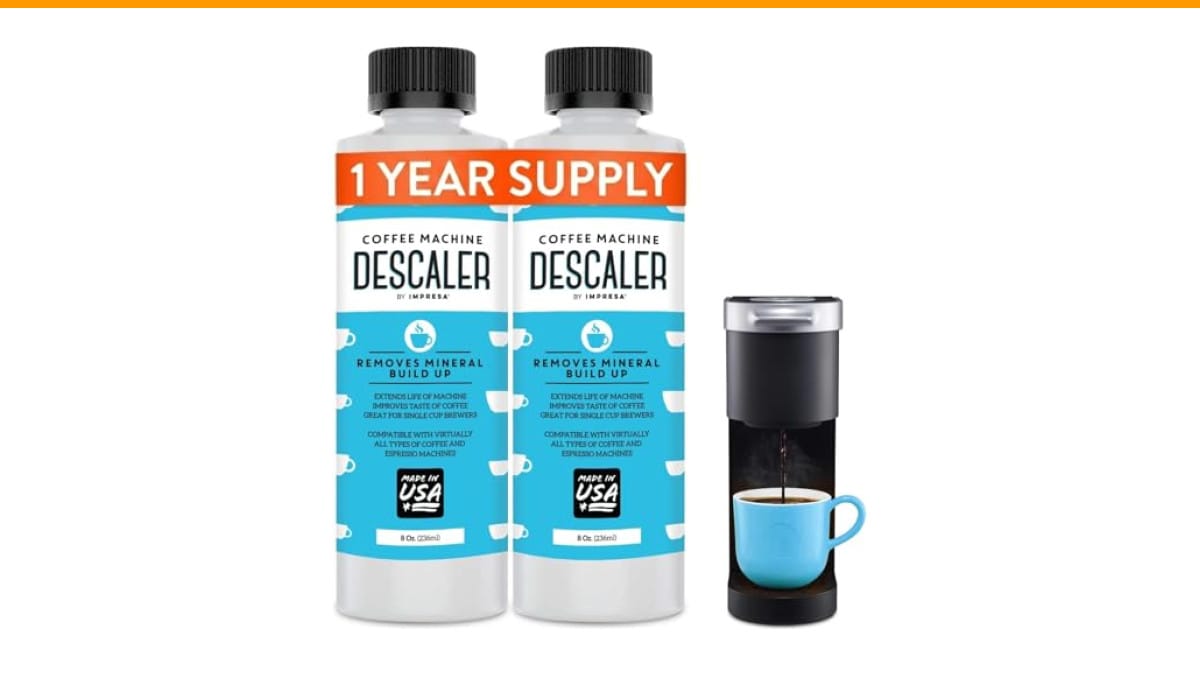
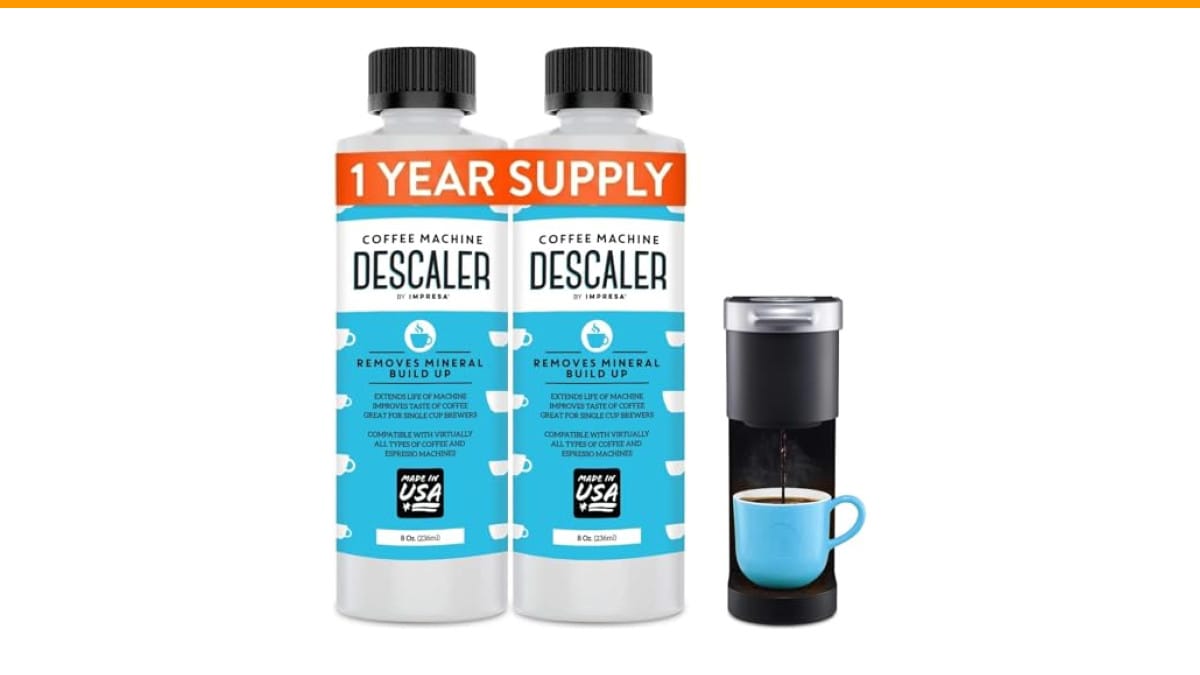
IMPRESA Coffee Machine Descaler, 2-Pack (1-Year Supply)…
- 2-Pack Coffee Descaler and Cleaner - Clean and rinse away residue and oil buildup in your coffee maker with Impresa's Coffee Desca…
- Highly Effective, Made in USA Formula - Unlike most common solutions, our coffee machine cleaner uses just 4 ounces (1/2 bottle) p…
- Preserves Your Machine - Using a coffee descaling solution eliminates limescale and mineral build-up to prevent corrosion, signifi…
As an Amazon Associate I earn from qualifying purchases.
If you need a reliable cleaning solution, the IMPRESA Coffee Machine Descaler 2-Pack is a solid choice. It’s a universal formula that works with most single-serve and espresso machines, and each bottle handles two descaling sessions, so the two-pack covers a full year of regular maintenance.
Seven Clear Signs Your Machine Needs Descaling
Scale buildup doesn’t announce itself with a warning light on most machines. You have to notice the symptoms. Here are the most common ones, ranked roughly by how often they show up.
- Slower brew time. If your Keurig or drip machine used to finish a cup in 90 seconds and now takes two or three minutes, scale is narrowing the water lines. Less water flows through, so the brew cycle drags.
- Loud noises during brewing. Gurgling, hissing, or a high-pitched whine means the heating element is struggling. Scale acts as an insulator, so the water heats unevenly and creates steam pockets that make noise.
- Bitter or sour coffee taste. Old mineral deposits can alter the water chemistry and leave a metallic, off flavor. Also, if the machine can’t reach the right temperature, the coffee extracts poorly.
- Visible white or chalky residue. Check the water reservoir, the drip tray, and the needle that pierces K-cups. White flakes or a chalky film are unmistakable signs of limescale.
- Steam or hot water output is weak. On espresso machines, the steam wand might sputter instead of producing a steady stream. That’s scale clogging the tiny holes.
- The machine shuts off mid-cycle. When the heating element overheats due to scale insulation, the thermal fuse trips. It’s a safety mechanism, but it’s also a cry for help.
- Your water is hard. If you live in an area with hard water (check your local water report or use a test strip), you should descale more often — about every 1 to 2 months instead of every 3 to 4.
One or two of these symptoms might be a fluke. Three or more together? That’s your machine begging for a descaling session.
How Descaling Works (And Why Vinegar Isn’t Always the Answer)
The term “descaler” refers to a chemical solution that dissolves calcium carbonate and other mineral deposits. Most commercial descalers use citric acid, lactic acid, or sulfamic acid. The acid breaks down the scale into a soluble form that rinses away with water.
You can use white vinegar in a pinch — it’s a weak acetic acid that does dissolve some scale. But vinegar has downsides. It leaves a sour smell that lingers in plastic reservoirs, and it can degrade rubber seals and gaskets over time. Commercial descalers like the IMPRESA formula are formulated to be gentler on machine components and rinse out more completely. For a thorough explanation of the process, check out our guide on how to descale a coffee machine.
The key thing to understand is that descaling is a chemical reaction, not a scrubbing job. You don’t need to scrub anything. The solution does the work. You just need to run it through the machine’s water system and then flush with clean water.
How Often Should You Descale?
There’s no universal answer because it depends on your water hardness and how often you brew. A good rule of thumb: every 3 months for average tap water, every 6 weeks for hard water, and every 6 months if you use filtered or soft water. Some machines have a descaling indicator light that tracks usage — trust it, but don’t wait for it if you’re seeing the symptoms above.
Step-by-Step: How to Descale Your Coffee Machine
Every machine is a little different, but the general process is the same. Check your manual first — the manufacturer’s instructions always win. Here’s the standard routine for most drip, pod, and espresso machines.
- Empty the machine. Remove any coffee grounds, pods, or capsules. Take out the water reservoir and wash it with soap and water.
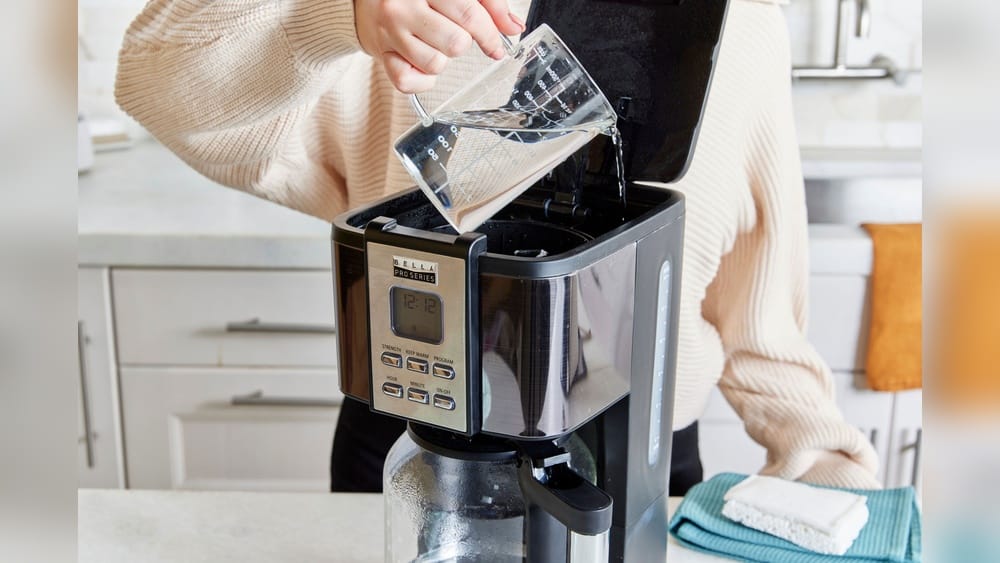
- Mix the descaling solution. Most concentrated descalers require dilution. The IMPRESA formula uses 4 ounces (half a bottle) per session. Pour it into the empty reservoir, then add water up to the fill line. If your machine has a separate descaling mode, activate it now.
- Run half the solution through. Start a brew cycle without any coffee. Let the machine run until the reservoir is about half empty, then turn it off. Let the solution sit inside the machine for 15 to 30 minutes. This soaking time is critical — it lets the acid dissolve the scale that’s stuck to the heating element.
- Finish the cycle. Turn the machine back on and run the rest of the solution through. On espresso machines, run some through the steam wand too, if applicable.
- Rinse, rinse, rinse. Fill the reservoir with fresh water and run at least two full brew cycles to flush out any remaining solution. You might need three or four cycles if you can still smell the descaling solution.
- Wipe down the exterior. Use a damp cloth to remove any solution that splashed onto the machine’s surface.
Pro tip: run the descaling cycle before you go to bed. The machine sits overnight, and you can finish the rinsing in the morning. The longer soak time helps with stubborn scale.
Comparing Descaling Methods: Commercial Solution vs. Vinegar vs. Citric Acid
You have three main options for descaling. Here’s how they stack up in practice.
| Method | Effectiveness | Cost Per Session | Machine Safety | Residue/Smell |
|---|---|---|---|---|
| Commercial descaler (e.g., IMPRESA) | High — formulated for coffee machine scale | Low (about $2-3 per session) | High — designed for seals and plastics | Minimal, rinses clean |
| White vinegar (1:1 with water) | Moderate — works on light scale | Very low (pennies) | Medium — can degrade rubber over time | Strong vinegar smell that lingers |
| Citric acid powder (1-2 tbsp per liter) | High — dissolves scale effectively | Low (about $1 per session) | Medium — can be harsh if over-concentrated | Mild citrus smell, rinses well |
My honest take: commercial descaler is worth the small extra cost for the convenience and the peace of mind. Vinegar works in an emergency, but the smell is hard to get out of plastic reservoirs. Citric acid is a good middle ground if you want to save money — just measure it carefully. For a deeper comparison of cleaning approaches, read our piece on deep cleaning your coffee machine.
What Happens If You Don’t Descale?
Ignoring the signs doesn’t make them go away. Scale buildup compounds over time. The heating element works harder, which means it gets hotter than it should. That shortens its lifespan considerably. A machine that could have lasted 5 years might die at 2.
There’s also the taste factor. Scale doesn’t just affect the machine — it affects your coffee. The minerals in the scale can leach into the water during brewing, adding a chalky or metallic note. You’ll spend money on better beans and still get bad coffee because the machine is dirty.
Worst case, the pump burns out. Replacing a pump on an espresso machine can cost $100 or more in parts and labor. A $10 bottle of descaler every few months is cheap insurance. If you’re already hearing unusual noises from your espresso machine, check our guide on loud espresso machine noises before it gets worse.
Frequently Asked Questions
Can I use descaling solution in any coffee machine?
Most commercial descalers are universal, but you should always check your machine’s manual first. Some manufacturers recommend only their brand of descaler, and using a different one might void the warranty. The IMPRESA formula is compatible with most major brands including Keurig, Nespresso, Breville, and Cuisinart, but if your machine is under warranty, read the fine print.
How do I know if my machine is actually descaled?
The best sign is the brew time returning to normal. If your machine was taking 4 minutes to brew a cup and now takes 2, the descaling worked. You can also run a cycle with just water and check for any white flakes in the cup. No flakes means the scale is gone.
Is it safe to drink coffee right after descaling?
Only after you’ve rinsed thoroughly. The descaling solution is not meant for consumption. Run at least two full water-only cycles (more if you can smell the solution) before brewing your next cup. When in doubt, run one more rinse cycle.
Why does my machine need descaling if I use filtered water?
Filtered water removes some minerals, but not all of them. Most home filters reduce hardness but don’t eliminate it completely. Plus, scale can build up from the water that sits in the machine between uses. Even with filtered water, you should descale every 6 months as a baseline.
Can descaling fix a machine that’s already making bad coffee?
Sometimes, yes. If the problem is scale buildup, descaling will often restore proper temperature and water flow, which improves extraction. But if the machine has a mechanical issue like a failing pump or a cracked heating element, descaling won’t help. If the symptoms persist after a proper descaling, it’s time for professional repair or a replacement.
What to Do Next: A Simple Maintenance Schedule
You don’t need to obsess over your coffee machine, but a regular routine prevents most problems. Here’s what I recommend based on years of testing home machines:
- Rinse the water reservoir and drip tray weekly with soap and water.
- Run a water-only brew cycle every couple of weeks to flush out loose coffee oils.
- Descale every 3 months with a commercial descaler, or more often if you have hard water.
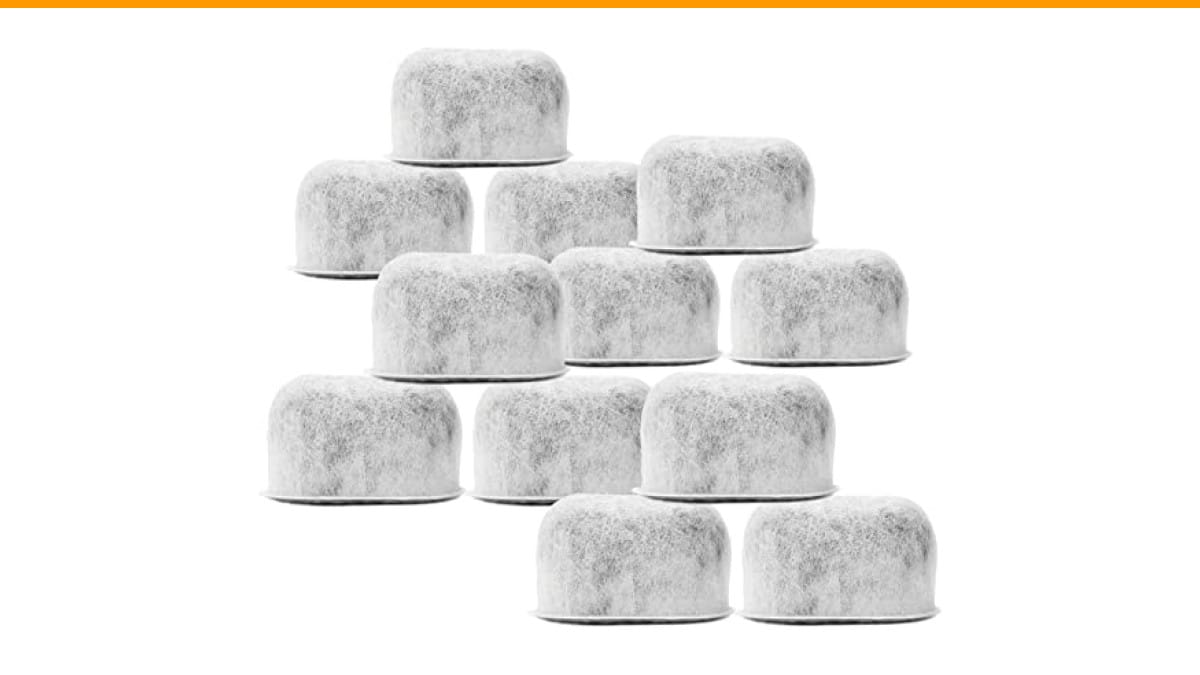
- Replace the water filter (if your machine has one) every 2 months or per the manufacturer’s instructions.
- Keep an eye on brew time. If it slows down noticeably, don’t wait — descale right away.
- Use filtered water if your tap water is very hard. It reduces the frequency of descaling and improves taste.
- Store your descaler in a cool, dry place. The solution lasts for years if sealed properly.
Descaling is one of those maintenance tasks that feels like a hassle until you see how much better your coffee tastes afterward. The first time you descale a machine that’s been struggling, the difference is dramatic. The brew is faster, the flavor is cleaner, and the machine sounds like it did the day you bought it. That’s the reward for paying attention to the signs.
If you’re not sure whether your machine needs it, err on the side of descaling. A descaling session every few months won’t hurt anything — it’s the neglect that kills machines. Pick up a bottle of IMPRESA Coffee Machine Descaler and give your machine the reset it deserves.
Products related to this article
Sponsored / affiliate links. As an Amazon Associate I earn from qualifying purchases. I may earn additional commission from eligible campaigns.
 Coffee Espresso Machine Handle Replacement Parts, Cafe Bracket Handle for Lidl Silvercrest CM4621 CM4218 KF5002 KF500S Barista (for 51mm Portafilter Basket - Not included)
 HomeBeyond Espresso Coffee Maker 12 Cups, Classic Stovetop Espresso Maker, 600ml / 20oz Coffeemaker for Gas & Ceramic Stovetops (Silver)
 Quick Heating Cup Warmer, Three Temperature Settings, Splashproof and Portable, for Coffee, Milk, Lightweight ABS Material