You fill the kettle, press the button, and wait. Then you pour a cup of tea and notice tiny white flakes floating on the surface. That’s limescale. It’s not dangerous, but it tastes awful and makes your kettle work harder than it should.
Most people don’t think about cleaning an electric kettle until the water looks cloudy or the heating time doubles. By then, a thin crust of calcium carbonate has already coated the heating element. That layer acts like insulation, so your kettle uses more electricity and takes longer to boil. This guide covers every practical method for removing that buildup, from everyday vinegar to commercial descalers. You’ll learn which approach works best for different situations and how to keep the scale from coming back.
Erigathe
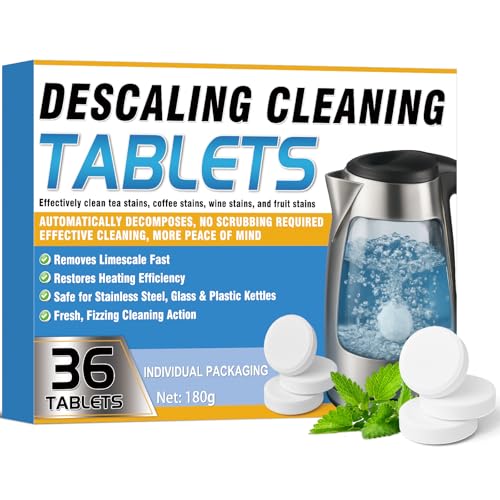
Erigathe Coffee Descaler Tablets 36 Count -…
- POWERFUL, FAST-ACTING DESCALING: Formulated with high-purity natural citric acid, these descaling tablets rapidly dissolve stubbor…
- ONE TABLET FOR ALL APPLIANCES: A single versatile formula covers your whole home: electric kettles, coffee machines (drip, capsule…
- RESTORE PERFORMANCE & EXTEND LIFESPAN: Regular cleaning (once a month) with Erigathe kettle cleaner not only effectively prevents…
As an Amazon Associate I earn from qualifying purchases.
You’ll also find out why regular descaling matters more than you think. A clean kettle heats faster, uses less power, and lasts years longer. The process takes about 20 minutes of actual time, most of it hands-off.
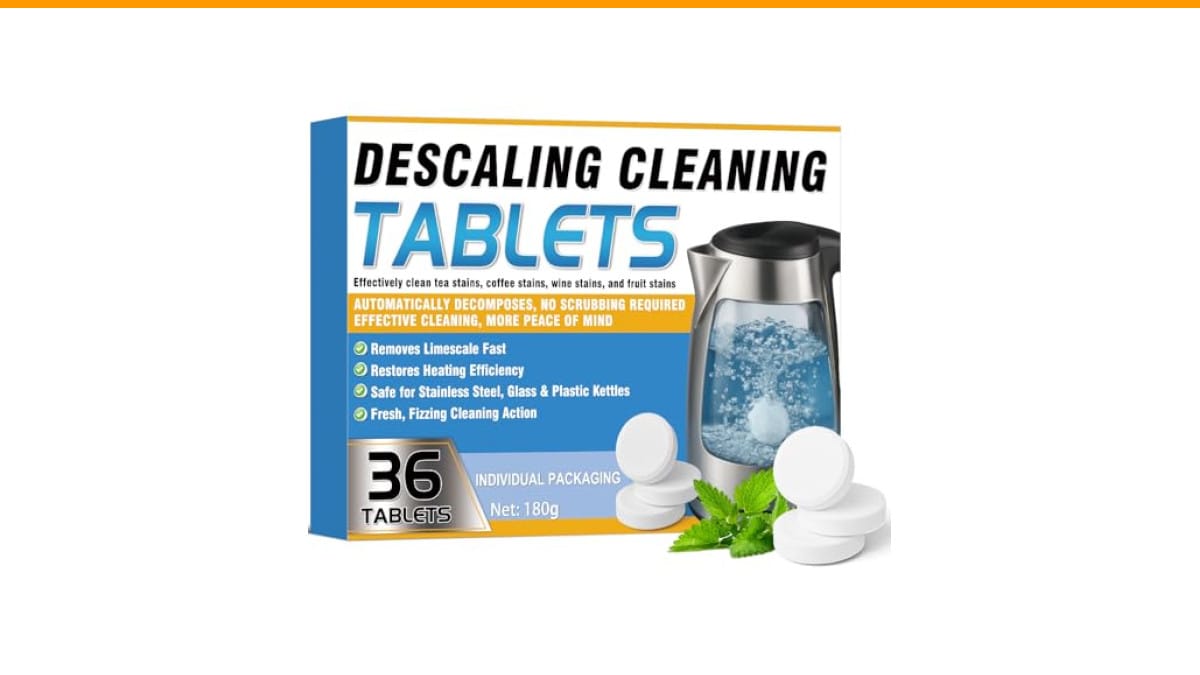
If you want a no-mess option, a kettle descaler tablet like the Erigathe 36-pack dissolves the scale without any scrubbing. Drop one tablet in, add warm water, wait, and rinse. It’s a simple alternative to measuring vinegar or lemon juice.
Why Your Kettle Gets Scaly (And Why It Matters)
Hard water contains dissolved calcium and magnesium. When you boil that water, the minerals precipitate out and stick to the kettle’s interior. The hotter the surface, the faster the buildup. That’s why the heating element at the bottom collects the thickest crust.
Scale doesn’t just look bad. It creates a thermal barrier between the heating element and the water. Your kettle has to work harder to reach boiling temperature, which means longer wait times and higher electricity bills. Over months, that strain can burn out the element entirely. A $30 kettle failure often traces back to years of skipped descaling.
The fix is simple: dissolve the scale with an acid. Citric acid, acetic acid (vinegar), and lactic acid all break down calcium carbonate. The choice comes down to what you have on hand and how strong the buildup is.
The Vinegar Method: Cheap and Reliable
White vinegar is the most common home remedy, and it works well. You probably have a bottle in your pantry right now.
- Fill the kettle halfway with equal parts water and white vinegar. Use a 1:1 ratio.
- Boil the mixture. Let it sit for 20 to 30 minutes. For heavy scale, leave it overnight.
- Pour out the solution. Do not rinse it down the sink while hot.
- Fill the kettle with fresh water, boil, and discard. Repeat this rinse cycle two or three times to remove the vinegar taste.
Vinegar is effective, but it leaves a distinct smell. Even after multiple rinses, you might catch a faint vinegar note in your first cup of tea. That’s the trade-off for using a pantry staple.
One thing to watch: don’t use vinegar on kettles with aluminum interiors. The acid can pit the metal. Check your kettle’s base or manual for the material before you start.
Citric Acid: Faster and Odorless
Citric acid powder or tablets dissolve scale just as well as vinegar but without the smell. You can buy food-grade citric acid in most grocery stores or use dedicated descaling tablets.
For powder: dissolve one to two tablespoons in a full kettle of water. Boil, let sit for 15 to 20 minutes, then rinse thoroughly.
For tablets: drop one into the empty kettle, fill with warm water (not boiling), and wait 15 to 30 minutes. The Erigathe tablets use high-purity natural citric acid, so they handle heavy mineral deposits without scrubbing. They’re also safe for coffee makers, steam irons, and humidifiers, which makes them a practical single solution if you own multiple appliances.
The main advantage of citric acid over vinegar is speed. It reacts faster and doesn’t linger. You’ll probably only need one rinse cycle instead of three.
Pro tip: if your kettle has a visible mineral crust on the heating element, run a citric acid treatment, then use a soft sponge to wipe away the loosened residue. It should come off with almost no pressure.
Baking Soda and Other Home Remedies
Baking soda is a mild alkali, not an acid. It won’t dissolve limescale on its own. It can help with light staining and odor removal after descaling, but don’t expect it to tackle a thick mineral layer.
Lemon juice works because it contains citric acid naturally. Squeeze the juice of one or two lemons into the kettle, fill with water, and boil. It’s effective and leaves a fresh scent, but it costs more than vinegar and may require straining if pulp gets in.
One method to skip: using a metal scrubber or abrasive sponge on the interior. It scratches the surface, and those scratches become anchor points for future scale. Stick to chemical descaling and a soft cloth.
If you’re also maintaining other coffee gear, the same citric acid approach applies. Check our guide on cleaning a coffee maker with vinegar for a similar process on drip machines.
Comparing Your Descaling Options
Here’s a side-by-side look at the most common methods. The right choice depends on how much scale you have and what you’re willing to spend.
| Method | Time Needed | Smell | Cost per Use | Best For |
|---|---|---|---|---|
| White vinegar (1:1 with water) | 20–30 min + 2–3 rinse cycles | Strong, lingers | Pennies | Light to moderate scale, budget cleaning |
| Citric acid powder | 15–20 min + 1 rinse | None | ~$0.10 | Moderate scale, no odor preference |
| Citric acid tablets (e.g., Erigathe) | 15–30 min + 1 rinse | None | ~$0.15–$0.25 | Heavy scale, multi-appliance households |
| Lemon juice | 20–30 min + 2 rinses | Pleasant, mild | ~$0.50 | Light scale, fresh scent |
| Baking soda | Not effective alone | Neutral | Pennies | Odor removal after descaling |
For most people, citric acid in either form is the best balance of speed, effectiveness, and convenience. Vinegar remains the cheapest option if you’re on a tight budget and don’t mind the smell.
How Often Should You Descale?
The frequency depends entirely on your water hardness. Here’s a practical breakdown:
- Soft water areas: every 3 months
- Moderately hard water: every 4–6 weeks
- Very hard water (visible scale after a week): every 2–3 weeks
You can test your water hardness with a simple strip kit or just look at your kettle. If you see a white ring at the waterline after a week of use, you’re in a hard water zone.
Don’t wait until the scale is thick. A light film dissolves in minutes. A thick crust takes multiple treatments and may not fully come off. Regular maintenance is far easier than rescue cleaning.
If you use your kettle daily, a monthly descale is a safe default. Mark it on your calendar. It’s a 20-minute task that saves you from buying a new kettle every year.
Three Mistakes People Make
Even with good instructions, people mess this up. Here are the most common errors and how to avoid them.
Mistake 1: Using boiling water with tablets. The Erigathe instructions say warm water, not boiling. Boiling water makes the reaction too aggressive and can cause splashing. Warm tap water is plenty.
Mistake 2: Skipping the final rinse. Leftover acid in the kettle will make your tea taste sour and can irritate your stomach. Always do at least one full boil-and-discard cycle after descaling. If you smell vinegar or citric acid, rinse again.
Mistake 3: Scrubbing with abrasive pads. Steel wool and scouring pads scratch the interior surface. Those scratches trap minerals and make future scale worse. Use a soft sponge or just let the acid do the work.
Another thing people forget: descale the lid and spout. Scale builds up there too, especially in kettles with narrow spouts. A cotton swab dipped in citric acid solution can reach those spots.
Frequently Asked Questions
Is limescale in a kettle dangerous to drink?
No. Limescale is calcium carbonate, the same mineral found in many supplements. It’s not toxic. But it can affect taste and texture, and it reduces your kettle’s efficiency. Clean it for those reasons, not for health concerns.
Can I use bleach or soap to clean my kettle?
No. Soap leaves a residue that foams in your next boil. Bleach is toxic and impossible to rinse completely from a porous surface. Stick to food-safe acids like citric acid or vinegar.
Why does my kettle still have scale after descaling?
Either the scale was too thick for one treatment, or you didn’t let the solution sit long enough. Run a second treatment with a stronger concentration. For stubborn crust, let the citric acid solution sit for an hour instead of 15 minutes.
Can I descale a stainless steel kettle the same way?
Yes. Stainless steel handles citric acid and vinegar well. Just avoid abrasive scrubbers that can dull the finish. The same applies to glass kettles.
Does descaling make my kettle boil faster?
It usually does. A thick layer of scale insulates the heating element, so heat transfers slowly to the water. Once that layer is gone, the element works directly on the water again. Most people notice a 20–30% reduction in boil time after a proper descale.
What To Do Next
You don’t need to become a descaling expert. You just need a routine.
- Pick one method: vinegar, citric acid powder, or tablets. Tablets are the easiest if you want zero measuring.
- Schedule a monthly descale if you have hard water, quarterly if you don’t.
- Use warm water with tablets, boiling water with vinegar or powder.
- Always rinse thoroughly after treatment. One boil-and-discard cycle minimum.
- Never scrub the interior with abrasive pads.
- Check the heating element for visible crust. If you see one, treat it sooner rather than later.
- If your kettle is over 5 years old and still has heavy scale after two treatments, consider replacing it. The heating element may already be damaged.
Keeping your kettle clean is a small habit with a big payoff. Faster boils, lower electricity use, and better-tasting tea. Take the 20 minutes this week and your kettle will thank you.
For related maintenance, check our guide on cleaning a steam wand if you have an espresso machine, or learn about coffee maker cleaning frequency to keep all your hot water appliances in shape.
Products related to this article
Sponsored / affiliate links. As an Amazon Associate I earn from qualifying purchases. I may earn additional commission from eligible campaigns.
 6 lb Citric Acid Powder Food Grade, Citric Acid Crystals, 100% Pure
 SOLUSTRE Electric USB Coffee Cup Warmer with Temperature Settings Portable Milk and Beverage Heating Coaster for Office Desk Small Lightweight Design Easy to Clean Surface Multi Functional
 Coffee Mug Warmer & You are Awesome Mug Set, Electric Cup Warmer for Desk