You just pulled the last shot before a two-week vacation, or maybe you are swapping out your countertop machine for a smaller model during a kitchen remodel. The immediate instinct is to wipe the steam wand, dump the portafilter, and call it a day. That works for a weekend. For anything longer, that casual approach leads to stale coffee oils, calcified boiler internals, and a milk frother that smells like sour yogurt every time you steam after the machine sits idle.
Storing an espresso machine with a milk frother is not the same as storing a drip coffee maker. The boiler holds water, the steam wand holds milk residue deep inside the tip, and the group head traps coffee grinds in places you cannot see. This guide covers the exact order of operations to prep your machine for storage, the environmental conditions that keep seals and electronics happy, and the cover options that actually protect your investment without trapping moisture.

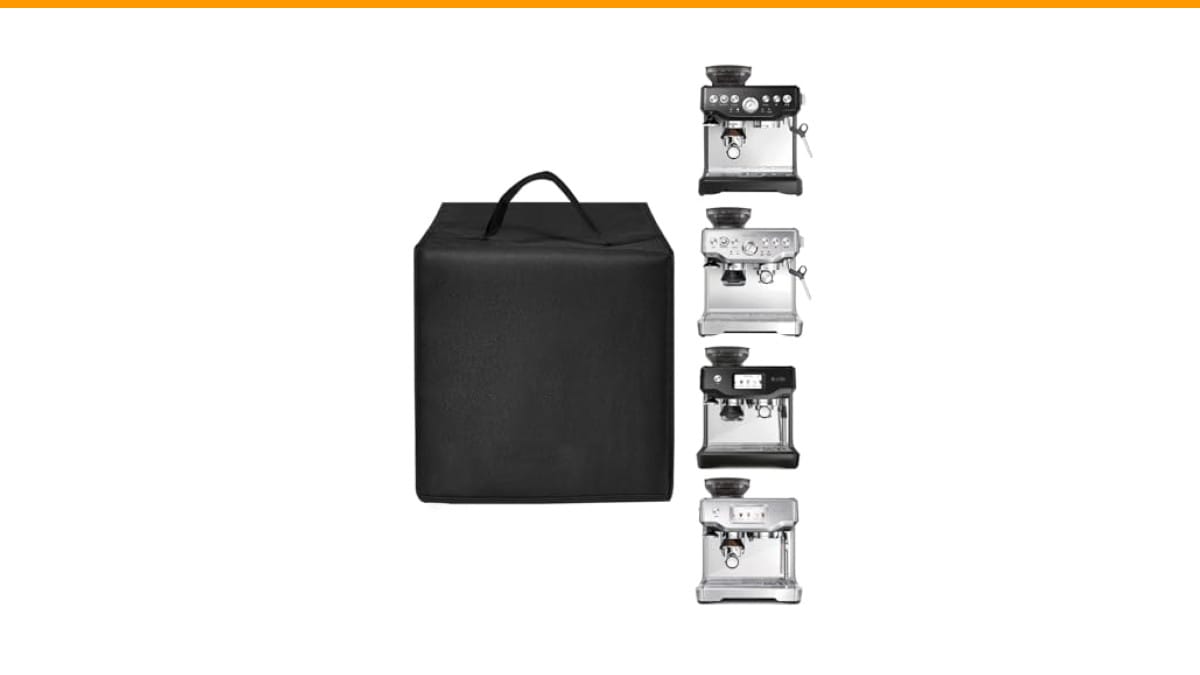
EiiJugaloo
Espresso Machine Cover for BES870XL/ BES880BSS/BES876BSS Coffee…
- Coffee Maker Cover size:15.8"W x 15.4"D x 15.8"H (40x39x40cm),cover compatible with Express Espresso Maker BES870XL/BES870BSXL/BES…
- Waterproof Nylon: Cover made of durable heavy duty 600D nylon, it is waterproof, scratch resistant and anti-static; it provides re…
- Kitchen Protective Cover:Keep the kitchen and dining room clean; avoid the trouble of dust, oil smoke and cooking steam; prolong t…
As an Amazon Associate I earn from qualifying purchases.
You will walk away knowing how to drain the boiler properly, why you should never store the machine with the portafilter locked in, and which type of cover works for a machine that sits on the counter versus one that goes into a cabinet.
If your machine stays on the counter for a few weeks of light use, a simple dust cover does the heavy lifting. The EiiJugaloo Espresso Machine Cover fits the Breville BES870XL and BES880BSS models precisely, and its 600D nylon shell blocks kitchen grease and dust while the open bottom lets air circulate so condensation does not pool under the machine.
Why Most People Store Their Espresso Machine Wrong
The biggest mistake is leaving water in the boiler. Stagnant water inside a brass or aluminum boiler promotes mineral scale buildup, and if you live in an area with hard water, that scale acts like insulation. The heating element has to work harder, the thermostat reads inaccurate temperatures, and your first shot after storage tastes metallic.
The second mistake is leaving the steam wand uncleaned. Milk protein bakes onto the inside of the wand tip when it dries. That residue is nearly impossible to remove once it hardens, and it will flavor every future milk drink with a burnt, bitter note. The fix is simple but requires doing it before the residue sets.
Third, people store the machine with the portafilter locked into the group head. That keeps the gasket compressed in one spot for weeks, which flattens the rubber and causes leaks later. The gasket needs to relax in its natural shape, so store the portafilter separately.
The Complete Pre-Storage Cleaning Routine
Start this process the day before you plan to store the machine. You need time for parts to air dry completely.
- Backflush the group head. Use a blind basket and a mild espresso machine cleaner. Run three or four backflush cycles to pull coffee oil out of the shower screen and the three-way solenoid valve. If you skip this, the oil hardens into a varnish that requires a full disassembly to remove later.
- Purge the steam wand. Fill the steam wand with hot water, then immediately wipe the exterior with a damp cloth. Use a pin to clear the tiny hole at the tip. Milk residue hides inside that hole, and a blocked tip means weak steam pressure when you return.
- Run a descaling cycle if your water is hard. If you have used the machine daily for three months or more, run a descale solution before storage. Scale left in the boiler during storage hardens into a cement-like crust. The home descaling guide covers the exact ratios and timing for most machines.
- Empty the drip tray and clean it. Dry it thoroughly. A wet drip tray stored inside the machine creates a humid microclimate that invites mold on the internal plastic parts.
- Drain the boiler. This is the step most people miss. Depending on your model, you either run the hot water wand until the tank is empty, or you use the machine’s dedicated drain valve. For Breville machines, run the hot water function until the tank is empty, then tilt the machine gently to pour out any residual water from the boiler inlet tube.
- Wipe down the exterior with a dry microfiber cloth. Do not use a wet cloth at this stage. You want zero moisture left on the surface.
After the machine is dry, leave the water tank out and the portafilter removed. The tank needs to dry completely on its own, and leaving it off prevents any residual drops from dripping into the machine’s internals.
Choosing Between Counter Storage and Cabinet Storage
Where you store the machine matters as much as how you clean it. A machine that stays on the counter faces different threats than one packed into a cabinet.
Counter storage means daily exposure to kitchen grease, cooking steam, and airborne dust. The grease film that settles on the top of the machine attracts more dust, which turns into a gritty paste that scratches the stainless steel finish when you wipe it later. A fitted cover solves this, but only if the cover breathes.
Cabinet storage means the machine is packed tight against other items. The risk here is physical damage and trapped humidity. If the cabinet is above the dishwasher or near a sink, the ambient moisture can cause rust on unpainted metal parts. You also need to think about weight distribution — never stack anything on top of the machine, especially not heavy pans or cutting boards.
| Storage Method | Key Risk | Best Protection | Ideal Duration |
|---|---|---|---|
| Countertop, daily use | Dust and kitchen grease | Breathable nylon cover with open bottom | 1-4 weeks |
| Countertop, occasional use | Moisture from steam and cooking | Cover plus silica gel pack placed on drip tray | 1-3 months |
| Cabinet or pantry | Physical damage and humidity | Fitted cover, no stacking, desiccant nearby | 3-6 months |
| Long-term storage (6+ months) | Seal degradation and rust | Full clean, boiler drained, cover, climate-controlled room | 6+ months |
The EiiJugaloo cover fits the countertop scenario best because its open bottom design prevents the trapped moisture problem that solid vinyl covers cause. Vinyl traps condensation against the machine’s surface, which leads to water spots on the drip tray and potential rust on exposed screws. Nylon breathes enough to let moisture escape while still blocking the airborne grease.
Protecting the Milk Frother Specifically
The steam wand is the most delicate part of the whole machine. The tip has a tiny hole, and the tube itself is narrow. Milk residue dries fast and clings hard.
Before storage, purge the wand for ten seconds to clear any milk from the internal tube. Then wipe the entire wand with a damp cloth, followed by a dry one. For the tip, use a steam wand cleaning pin or a paperclip to poke through the hole. You will be surprised how much residue comes out even after a purge.
Do not cover the wand with foil or a plastic bag. That traps moisture against the metal and promotes corrosion. The wand should be left exposed to air, and the machine cover should fit over it without pressing the wand against the machine’s body.
If you are storing the machine for more than a month, consider removing the steam wand tip entirely if your model allows it. Soaking the tip in a small cup of hot water with a drop of dish soap dissolves any remaining milk protein. Rinse and dry it before reattaching.
Dealing with a Machine That Has Already Been Stored Improperly
If you are reading this after pulling your machine out of storage and finding a clogged wand or a strange smell, do not panic. Most issues are reversible.
A sour smell from the steam wand means milk residue has soured inside the tube. Run the steam wand with the tip submerged in a cup of hot water mixed with a teaspoon of espresso cleaner. Let it steam for thirty seconds, then purge with fresh water. You may need to repeat this twice.
If the first shot tastes off, the group head likely has stale coffee oils. Run a backflush cycle with cleaner, then pull a blank shot (no coffee) through the portafilter to flush the system. If the machine has been sitting for months, descale it first before pulling any real shots. The deep cleaning guide walks through the full process step by step.
Check the rubber gasket around the group head for flat spots. If the portafilter was locked in during storage, the gasket might have compressed unevenly. A quick test: lock in the portafilter and see if it wiggles. If it moves more than a millimeter, replace the gasket before brewing.
Common Questions About Storing Espresso Machines
Can I store the machine with the water tank full?
No. Empty the tank and dry it. Water left in the tank for more than a few days develops bacteria and algae, and the standing water in the boiler will cause scale buildup. A dry tank also prevents accidental spills when you move the machine.
How long can I leave the machine unused without cleaning it?
About 48 hours. If you are not going to pull a shot for two days, at least purge the steam wand and wipe the group head. For anything longer than a weekend, follow the full cleaning routine. Coffee oils oxidize quickly, and milk residue becomes permanent after about a week.
Is it better to store the machine with the portafilter in or out?
Always out. The portafilter locks into the group head with a twisting motion that compresses the rubber gasket. Leaving it locked for weeks causes the gasket to take a set, meaning it will not seal properly when you return. Store the portafilter in the drip tray or a drawer.
Should I use a plastic bag or a fabric cover for long-term storage?
Use a fabric or nylon cover, never plastic. Plastic bags trap any residual moisture, which causes condensation on the metal parts. The machine maintenance guide explains why airflow matters for long-term equipment health. A breathable cover lets humidity escape while still keeping dust out.
Does the milk frother need special storage treatment?
Yes. The steam wand is hollow, and milk residue inside the tube is the number one cause of foul smells after storage. Purge it, clean the tip with a pin, and leave it exposed to air. Do not wrap it in anything that traps moisture.
Practical Takeaways for Storing Your Machine
- Drain the boiler completely using the hot water wand function, not just the drip tray.
- Clean the steam wand tip with a pin after every purge, especially before storage.
- Store the portafilter and water tank separately to prevent gasket compression and moisture buildup.
- Use a breathable nylon cover with an open bottom, like the EiiJugaloo model, to block dust without trapping condensation.
- Place a silica gel packet inside the machine area if storing in a humid cabinet or basement.
- Descale before long-term storage if you have used hard water, as scale hardens into a crust when dry.
- Check the group head gasket for flat spots after storage before pulling your first shot.
Storing an espresso machine with a milk frother comes down to one principle: dry everything. The boiler, the wand, the tank, and the drip tray all need to be moisture-free before the machine sits idle. Skip that step, and you will spend your first day back cleaning instead of brewing. Do it right, and your machine will fire up like you never left.
Products related to this article
Sponsored / affiliate links. As an Amazon Associate I earn from qualifying purchases. I may earn additional commission from eligible campaigns.
 Coffee Espresso Machine Handle Replacement Parts, Cafe Bracket Handle for Lidl Silvercrest CM4621 CM4218 KF5002 KF500S Barista (for 51mm Portafilter Basket - Not included)
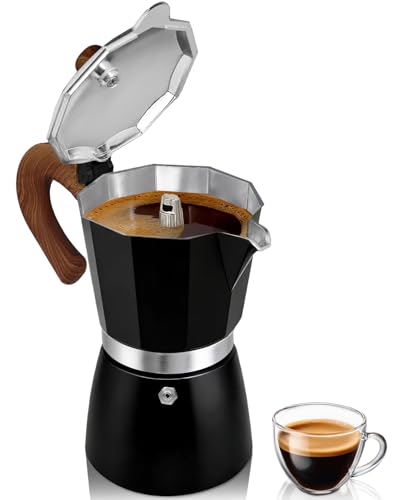 Belly Moka Coffee Maker Stovetop Espresso Maker 9 Cup Aluminum Moka Pot Percolator 15oz 450ml Easy Brewing for Electric Ceramic Stoves Home Camping Italian Cuban Café Classic Black
 Belly Moka Coffee Maker Stovetop Espresso Maker 6 Cup Aluminum Moka Pot Percolator 10oz 300ml Easy Brewing for Electric Ceramic Stoves Home Camping Italian Cuban Café Classic Silver