Most home baristas buy the wrong tool first. They grab a dosing funnel because it looks professional, then realize their grinder sprays coffee everywhere anyway. Or they buy a dosing cup and fight with it every time they need to tamp. The truth is that the espresso dosing funnel vs espresso dosing cup decision comes down to one thing: your grinder’s workflow.

Normcore
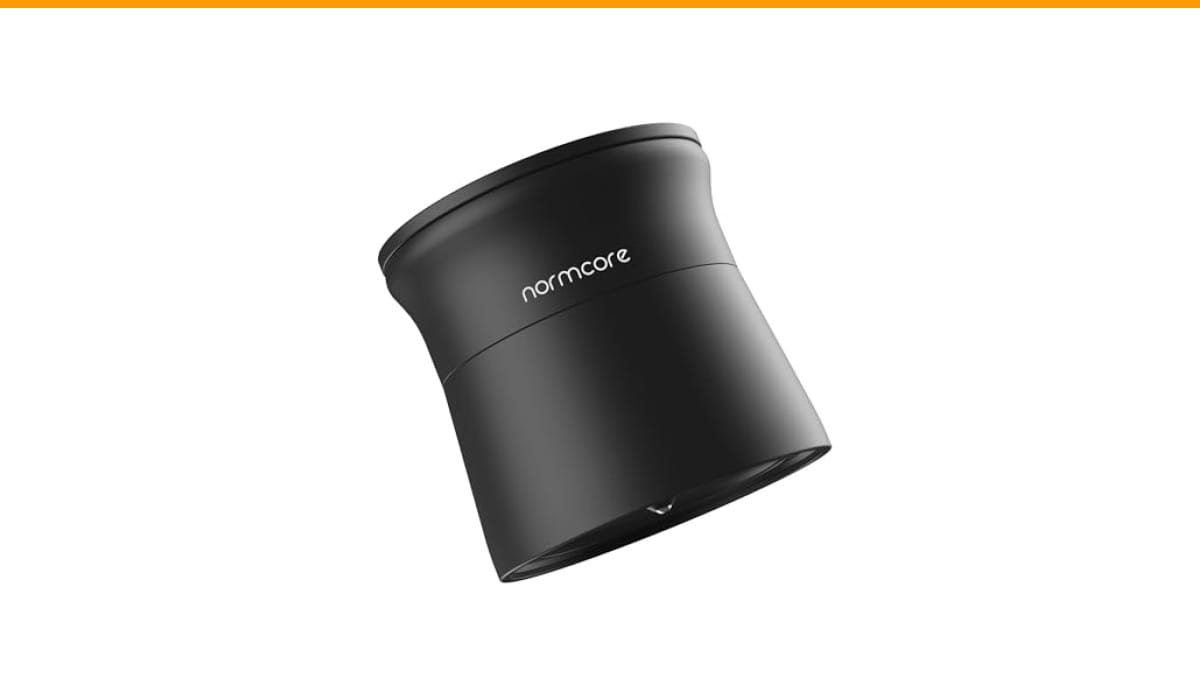
Normcore 58mm 2-in-1 Magnetic Dosing Cup, Espresso…
- MULTIFUNCTIONAL - An innovative combination of a dosing cup and closed shaker, the upper ring can also be disassembled and attache…
- SHAKE AWAY STATIC - When used as a dosing cup, close the lid and press down firmly as you shake the grounds loose. The distributio…
- MAGNETIC ASSEMBLY - Made up of four components, our unique patent-pending design uses 27 magnets to hold the parts tightly togethe…
As an Amazon Associate I earn from qualifying purchases.
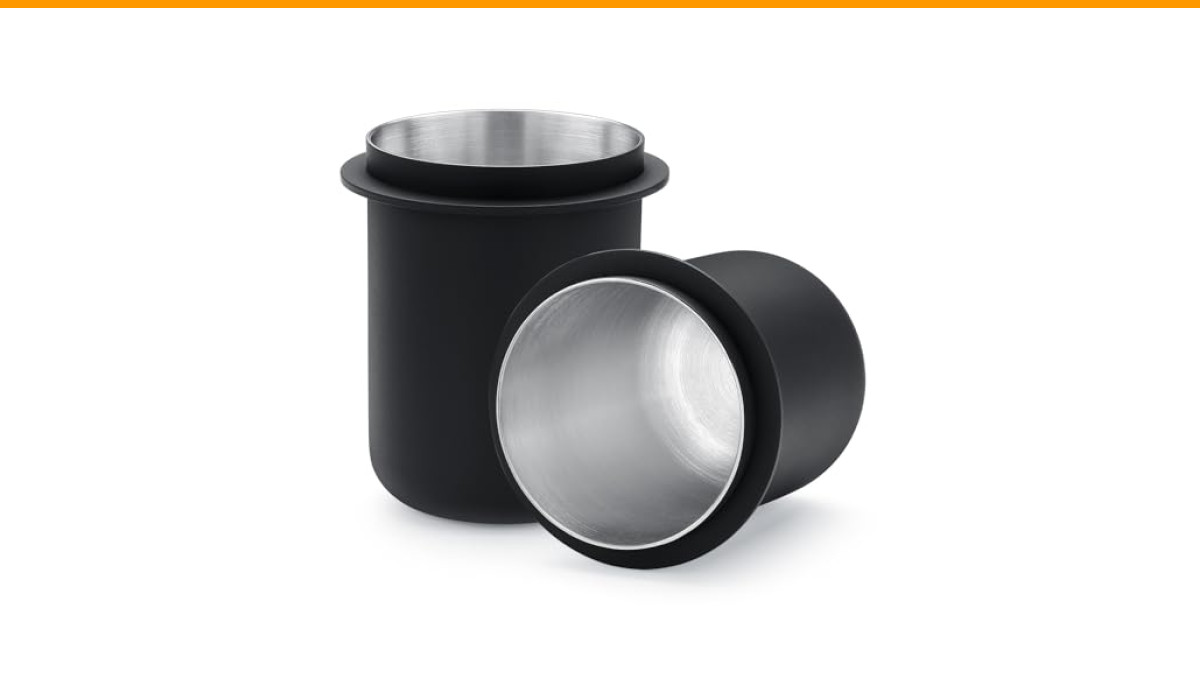
I tested the Normcore 58mm 2-in-1 Magnetic Dosing Cup for this comparison. It’s a clever hybrid that tries to solve both problems at once. It works as a closed shaker cup with a lid, and the upper ring detaches to become a standard funnel on your portafilter. The whole thing uses 27 magnets across four components to hold together. That’s a lot of engineering for a coffee tool, but does it actually help you pull better shots?
Let’s break down the real differences between these two tools, not the marketing hype.
The Core Question: Funnel vs. Cup
A dosing funnel sits on top of your portafilter basket. It widens the opening so coffee grounds don’t spill over the rim while you grind directly into the basket. A dosing cup catches grounds from your grinder first, then you transfer the cup to the portafilter and dump the grounds in.
These tools solve different parts of the mess problem. The funnel solves the landing problem. The cup solves the travel problem. Most people need one or the other, not both. But the Normcore 2-in-1 tries to give you both in a single package.
I ran both configurations side by side for a week. Here’s what I found.
What is an Espresso Dosing Funnel?
A dosing funnel is a simple ring with a tapered opening. You place it on the portafilter basket, grind coffee through it, and the funnel keeps the grounds contained. The Normcore version uses a magnetic assembly to attach the funnel ring to the portafilter. It fits 58mm baskets, which covers most standard espresso machines and many aftermarket portafilters.
The key advantage is direct grinding. Coffee goes straight from the grinder chute into the basket. No transfer step. That means fewer chances for grounds to stick to a cup’s walls and less static buildup from pouring grounds around.
But a funnel doesn’t help if your grinder has a doser that spits grounds out with force. The grounds can bounce off the funnel walls and still make a mess. You also can’t shake the grounds to break up clumps while they’re in the basket. You need a separate WDT tool for that.
What is an Espresso Dosing Cup?
A dosing cup catches grounds as they exit the grinder. You close it, shake it to break up clumps, then invert it over the portafilter basket. The Normcore cup includes a lid and an internal distribution tool that separates clumps as you shake. This closed-shaker design directly targets static cling.
The cup handles static better than a funnel because the grounds stay inside a sealed chamber. When you open the lid, the grounds have already settled and de-clumped. That reduces retention on the cup walls and minimizes the coffee mess on your counter.
The trade-off is the extra step. You grind into the cup, shake, then dump. That’s two hand movements a funnel doesn’t require. For a fast morning routine, those extra seconds add up.
Dosing Funnel vs. Dosing Cup: The Head-to-Head
I set up both methods with the same grinder and portafilter. Here is the direct comparison.
| Factor | Dosing Funnel | Dosing Cup |
|---|---|---|
| Mess prevention | Contains grounds at the basket | Contains grounds during transfer |
| Static control | Minimal help | Excellent, sealed chamber shaking |
| Workflow speed | Fast, one-step grind | Slower, grind then shake then dump |
| Clump breaking | Requires separate WDT tool | Built-in distribution tool |
| Best for | Direct grinders with low retention | Grinders with static or clumping issues |
Mess Prevention and Containment
The funnel wins for direct mess prevention at the portafilter. It creates a wide mouth so grounds land cleanly in the basket. The Normcore’s magnetic attachment holds it firmly, so it won’t shift mid-grind. I didn’t have to hold it in place, which freed up a hand.
The cup wins for total containment. When you shake the sealed cup, nothing escapes. But the moment you dump the grounds into the basket, you can still get stray bits on the rim. The funnel prevents that final dump mess entirely.
Impact on Grinder Retention and Static
Static is the real enemy here. Coffee grounds cling to plastic and metal surfaces when they rub together during grinding. A funnel does nothing to stop this. Grounds can stick to the funnel walls or the grinder chute, which adds to your grinder retention and wastes coffee.
The Normcore cup directly addresses this. The closed shaker design lets you press down firmly and shake the grounds loose. The internal distribution tool breaks up clumps and reduces static so grounds don’t stick to the cup or your other tools. In my testing, the cup walls stayed nearly clean after shaking. The funnel had visible ground buildup after a few uses.
Workflow Speed and Convenience
The funnel is faster. One motion: place it, grind, remove it, tamp. No second container to manage. For a single morning shot, this saves about ten seconds.
The cup adds a step, but it’s a useful one. The shake motion replaces the need for a separate WDT tool. If you already use a WDT, the cup’s shaking step feels redundant. If you don’t own a WDT, the cup is a solid two-in-one solution.
How to Choose Based on Your Grinder
Your grinder’s design decides which tool makes sense. Don’t pick based on what looks cool on Instagram. Pick based on how coffee exits your grinder.
For Single-Dose Grinders
Single-dose grinders like the DF64 or Niche Zero push grounds out with a small auger. They have low retention and minimal static. A dosing funnel is the better match here. You grind directly into the basket, keep the workflow short, and avoid adding a transfer step. The funnel keeps the mess contained at the portafilter.
If your single-dose grinder still produces static cling, try the cup. Some beans and dry climates create more static than others. The cup’s sealed shaking chamber will eliminate that cling better than any funnel.
For Grinders with a Doser
Grinders with a doser, like many older commercial models, dispense grounds in bursts. That creates a mess and a lot of static. A dosing cup is the right call here. You catch the grounds as they exit, shake them to settle the static, then transfer them to the portafilter. The cup contains the burst, and the shaking prevents clumps.
Using a funnel with a doser is frustrating. The grounds bounce off the funnel walls and still scatter. You’ll spend more time cleaning than brewing.
The Funnel + WDT Combo Technique
Here’s a trick that changes how you use a funnel. Attach the funnel to your portafilter, grind into it, then use a WDT tool through the funnel opening to break up clumps before you remove the funnel. The funnel gives you a wider opening to work with, so the WDT needle can reach all corners of the basket.
The Normcore’s detachable upper ring makes this easy. You can use the ring as a funnel and keep the cup body aside. This combo gives you direct grinding, clump breaking, and level distribution in one continuous flow. It’s slower than just grinding and tamping, but it produces a more even espresso puck.
This technique works best if you already own a WDT tool. If not, the Normcore’s built-in distribution tool in the cup version achieves a similar result with less gear.
Material, Magnet Strength, and Size Considerations
The Normcore uses anodized aluminum with a matte black finish. Aluminum is light and won’t rust, but it dents more easily than stainless steel. The matte finish looks great on a counter, but it shows fingerprints and coffee smudges. You’ll wipe it down often.
The 27 magnets are the standout feature. They hold the four components together with a satisfying snap. The magnetic assembly also makes cleaning easier. You pull the parts apart, rinse them, and snap them back together. No screws, no springs, no hard-to-reach corners. It’s a genuinely well-thought-out design for maintenance.
Size matters. This is a 58mm tool, so it fits standard portafilter baskets. If you have a 54mm machine like a Breville, this won’t fit. You’ll need to look for a 54mm specific model. The Normcore is built for the larger, standard basket size.
Frequently Asked Questions
Does a dosing funnel reduce grinder retention?
Not directly. A funnel keeps grounds from spilling at the portafilter, but it doesn’t change what happens inside the grinder chute. Static can still cause grounds to stick to the grinder’s exit path. A dosing cup with a closed shaker design, like this Normcore model, does more to reduce static and therefore helps lower retention on the tools themselves.
Can I use a dosing cup with any portafilter size?
No. The Normcore model is specifically made for 58mm baskets. If you have a 54mm portafilter, common on Breville machines, you need a different size. Always check your basket diameter before buying.
Is the magnetic assembly strong enough to hold during shaking?
Yes, in my testing. The 27 magnets hold the cup together firmly. I shook it with some force to break up clumps, and the lid never popped off. The magnetic connection between the funnel ring and the portafilter also held steady during grinding. It’s a solid connection, though you should still handle it with care to avoid knocking the parts apart.
How do I clean a magnetic dosing cup?
Separate the four components and rinse them under warm water. The aluminum body is easy to wipe down. The internal distribution tool may trap some grounds, so give it a quick rinse or brush. No hard-to-reach corners, so cleaning takes under a minute. Avoid putting the magnets in a dishwasher if you can, as prolonged heat can weaken them.
Is a 2-in-1 tool better than buying a separate funnel and cup?
For most home users, yes. A 2-in-1 saves counter space and money. You get both functions in one package. The trade-off is that you can’t use both at the same time. If you want to grind into a cup while a funnel sits on your portafilter, you’d need two separate tools. But that’s an unusual workflow for a home setup.
Final Verdict: Which Tool Wins?
The espresso dosing funnel vs espresso dosing cup debate doesn’t have a single winner. It depends on your grinder and your tolerance for extra steps. The funnel wins on speed and direct workflow. The cup wins on static control and clump breaking.
The Normcore 2-in-1 is the smart compromise. It gives you both tools in one magnetic package. You can use the ring as a funnel for fast mornings, then switch to the full cup when you’re dealing with static-heavy beans. The build quality is solid, the magnetic assembly is genuinely useful, and the cleaning routine is painless.
It’s not perfect. The aluminum body dents if you drop it, and it only fits 58mm baskets. But for a home barista who wants flexibility without buying two separate tools, this is the better buy. You get the funnel’s speed and the cup’s static control in one unit. Check the current price on Amazon to see if it’s in stock.
If you’re still deciding between an automatic and semi-automatic machine, the workflow you build matters more than the tool. A good espresso machine comparison can help you understand what your daily routine will look like. And if you’re troubleshooting a noisy grinder or machine, that’s a separate issue from your dosing tools. A loud noise fix won’t be solved by a funnel. But for the mess and static problem, this Normcore 2-in-1 is the most practical solution I’ve tested.
Ready to buy? Check the latest price on Amazon