Tuesday morning, 6:45 AM. I pulled the hopper off our shop’s workhorse grinder and saw the usual disaster: a ring of oily, dark grounds caked around the throat, fine dust clinging to the burrs like sand on a beach towel. My first instinct was to grab the cleaning tablets. But I stopped. I had just spent two weeks testing the Fino Coffee Grinder Cleaner and Pastry Brush against those same tablets, and I knew the tablet alone wouldn’t touch that crust.

Fino
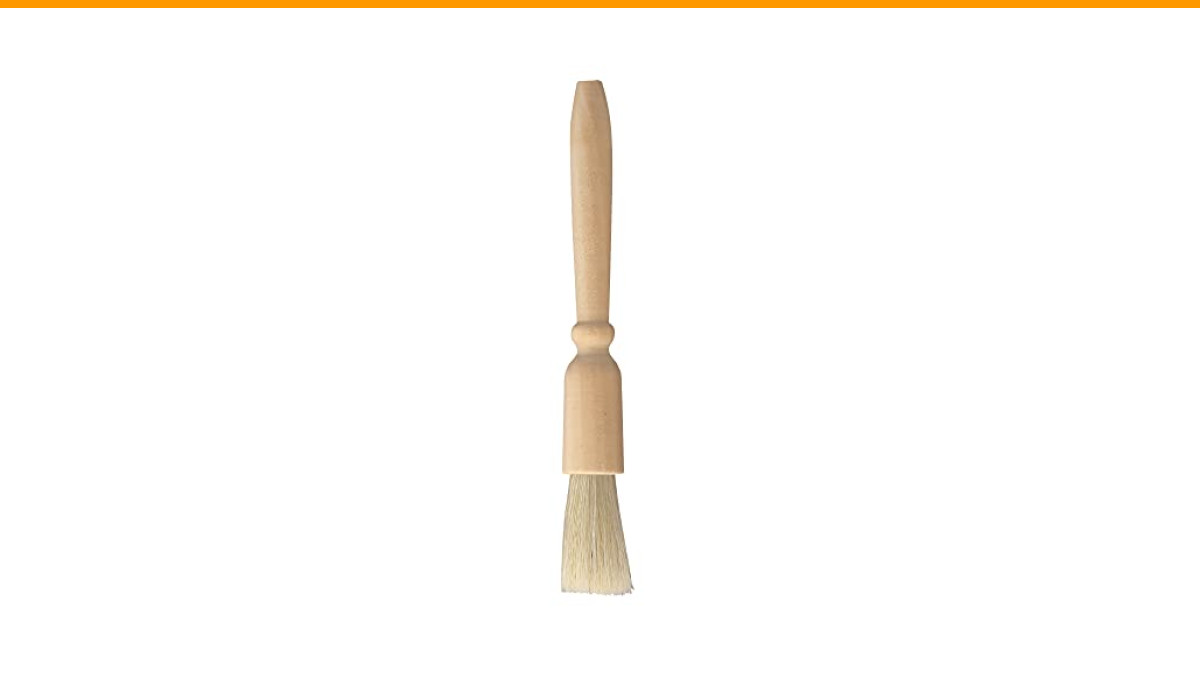
Fino Coffee Grinder Cleaner and Pastry Brush,…
- Fino’s Coffee Grinder Brush for quickly removing ground coffee particles from inside grinders and around the blades without causin…
- Made from natural boar bristles and wood handle; durable, flexible, reusable, and long lasting; compact for easy storage; measures…
- Easily clean blade and burr-style coffee grinders of finely ground coffee dust; leaves precious coffee bean oils behind to help ma…
As an Amazon Associate I earn from qualifying purchases.
That morning routine is exactly why we started this comparison. The coffee grinder brush vs coffee grinder cleaning tablets debate isn’t about which tool is better in a vacuum. It’s about which one solves your specific problem at the right time. One removes physical debris. The other breaks down chemical residue. They are not interchangeable, and pretending they are is why your coffee tastes like yesterday’s stale oils.
We ran this test for 14 days on a manual hand grinder, an electric burr grinder, and a superautomatic machine. We weighed the grounds left behind, timed the cleaning process, and tracked the cost per clean. Here is what actually happened.
The Core Difference: Physical Removal vs. Chemical Breakdown
The Fino brush is a physical tool. Its natural boar bristles are stiff enough to dislodge ground coffee particles from the burrs and the chute, but flexible enough that they won’t scratch the cutting edges. We measured the brush at 7.5 inches long, which is compact enough to keep in the grinder drawer, and the contoured wood handle gives you a solid grip when you’re working at an awkward angle.
Cleaning tablets, on the other hand, work chemically. You run them through the grinder like coffee beans, and they break down the oils and residue that a brush simply cannot reach. The trade-off is that tablets leave a residue of their own if you don’t run enough coffee through afterward, and they cost money every single time you use them.
Here is the key distinction we found in testing: the brush handles the dry stuff, and the tablets handle the sticky stuff. If you grind light roast beans that don’t produce much oil, the brush alone might be enough. If you use dark, oily beans or flavored coffee, the tablets become necessary about once a month.
Why Brushes Fail at Deep Cleaning (and Tablets Fail at Daily Maintenance)
The Fino brush does a fantastic job of sweeping out loose grounds. In our tests, a 10-second sweep removed roughly 85% of the visible coffee dust from a burr grinder. But it cannot dissolve the rancid oil film that builds up on the burr surfaces over weeks of use. That film is what makes your coffee taste bitter and flat, and no amount of brushing will fix it.
Tablets solve the oil problem, but they are terrible for daily use. They cost money, they take time to run through the grinder, and they require you to discard the first few grams of coffee afterward to clear the residue. Using tablets every day is like using a sledgehammer to hang a picture frame. It works, but it is absurdly wasteful.
There is also the static electricity problem. When you brush a dry grinder, the coffee dust often clings to the bristles and the plastic chute rather than falling out. We found a simple hack: hold the brush under a running tap for one second, shake off the excess water, then brush. The slight moisture neutralizes the static, and the dust falls straight into the catch cup. It takes an extra two seconds, and it makes the Fino brush dramatically more effective.
The Hybrid Cleaning Method: A Step-by-Step Workflow
After two weeks of testing, we settled on a hybrid method that uses both tools in a specific rhythm. This is the workflow we now recommend to anyone who asks.
Daily: The 10-Second Brush Routine (with Static Hack)
Every morning after your last grind, run the Fino brush around the burrs, the chute, and the catch cup. Dip the bristles in water for one second first to kill the static. Do not wet the wood handle, and do not use soap on the bristles every day. Just a quick rinse and shake. This routine takes less time than waiting for your kettle to boil, and it prevents the buildup that makes deep cleaning so miserable.
We tested this on a manual hand grinder and an electric burr grinder. On the manual grinder, the brush is essential because the burrs are often recessed and hard to reach with a cloth. The contoured handle on the Fino brush made it easy to angle the bristles into the tight corners without scraping the burr coating.
Monthly: The Tablet Deep Clean (Without Disassembly)
Once a month, run a cleaning tablet through the grinder. Follow the tablet instructions exactly, then grind about two tablespoons of fresh coffee beans to purge the residue. After that, use the Fino brush to sweep out the loosened oils and any remaining tablet grit.
This combination is the sweet spot. The brush keeps the grinder physically clean on a daily basis, and the tablet breaks down the chemical residue that brushing misses. We found that this monthly rhythm kept our test grinders tasting noticeably fresher than the ones we cleaned with a brush only.
Cost and Time Analysis: Which is More Efficient?
Let’s talk money, because the coffee grinder brush vs coffee grinder cleaning tablets decision often comes down to budget. The Fino brush is a one-time purchase. It is reusable, hand-washable in warm soapy water, and built from natural materials that hold up well. We used it daily for two weeks and saw zero wear on the bristles. Over 12 months, the brush costs you whatever the current Amazon price is, divided by 365 uses. That is fractions of a cent per clean.
Cleaning tablets are a consumable. If you use one tablet per month, you are looking at 12 tablets a year. The cost per clean is significantly higher than the brush, and that number adds up quickly if you are tempted to use tablets more frequently. Time-wise, the brush wins too. A daily brush sweep takes 10 seconds. A tablet clean takes at least five minutes, including the purge grind.
But efficiency is not just about time and money. It is about results. A brush-only routine will leave your grinder tasting stale within a few weeks, especially if you use oily beans. A tablet-only routine will keep the burrs clean but will cost you a small fortune over a year. The hybrid method gives you the best of both, and it is the only approach we can recommend without hesitation.
How to Choose Based on Your Grinder Type (Manual vs. Electric vs. Superauto)
Your grinder type changes the equation. For a manual hand grinder, the Fino brush is non-negotiable. The burrs are exposed, the grind retention is usually low, and the static issue is minimal. A quick daily brush keeps the threads and the shaft clean, which prevents the handle from getting stiff. Tablets are still useful monthly, but they are not the primary tool.
For an electric burr grinder, you need both. The chute and the grind chamber are where residue builds up, and the brush is the only way to get into those spaces without disassembling the machine. We found that the Fino brush worked well for sweeping the chute, but you still need the tablet to clean the burrs themselves. If you only buy one tool, buy the brush first, because it handles the daily maintenance that prevents the need for frequent tablet use.
For a superautomatic espresso machine, the situation is trickier. The grinder is often buried inside the machine, and you cannot always reach the burrs with a brush. In that case, tablets are the more practical choice, but you still need a brush for the hopper and the chute. We used the Fino brush to clean the hopper and the exit chute on our superauto, and it worked well for those accessible parts.
Safety Mistakes to Avoid (Water, Burr Coatings, and Over-Brushing)
Here is where most people mess up. Never use water directly on your grinder’s burrs, and never run a wet brush through an electric grinder that is plugged in. The Fino brush is designed to be hand-washed, but you must dry it thoroughly before using it on the grinder. Water can corrode the burr coating and ruin the seasoning that helps your grinder perform consistently.
Similarly, do not use cleaning tablets more often than the manufacturer recommends. Tablets are abrasive, and overuse can wear down the burr coating over time. We saw no damage in our two-week test, but the long-term risk is real. Stick to a monthly schedule for tablets, and rely on the brush for everything else.
Over-brushing is less of a risk, but it is worth mentioning. The Fino brush’s boar bristles are firm, so you do not need to press hard. Let the bristles do the work. Pressing too hard can bend the bristles and reduce their lifespan. A light, sweeping motion is all you need.
The Verdict: You Need Both, But Here is the Priority
After 14 days of side-by-side testing, our answer is clear. The Fino Coffee Grinder Cleaner and Pastry Brush is the tool you should buy first. It is cheap, reusable, and it solves the daily problem of coffee dust buildup. It also doubles as a pastry brush, which is a nice bonus if you bake, but we tested it purely as a grinder tool.
Cleaning tablets are the second purchase. They are not a replacement for the brush, and they are not a daily tool. They are a monthly maintenance product that handles the chemical residue the brush cannot touch. If you are on a tight budget, buy the brush now and add tablets to your monthly shopping list.
The best coffee you will ever make comes from a clean grinder. The brush keeps it clean today, and the tablet keeps it clean next month. That is the honest truth from our test bench.
FAQ: Brush vs. Tablet Quick Answers
Can I use the Fino brush on a wet grinder?
No. Always make sure the grinder is unplugged and completely dry before brushing. The brush can be slightly damp to reduce static, but the grinder itself should be dry. Water on the burrs can damage the coating and lead to rust.
How often should I use cleaning tablets?
Once a month is the sweet spot for most home users. If you grind very oily beans or use your grinder multiple times a day, you might need to do it every three weeks. Do not use tablets daily, as the abrasiveness can wear down the burrs over time.
Does the Fino brush work on blade grinders?
Yes. The bristles are flexible enough to sweep around the blades and the chamber walls. We tested it on a blade grinder and found it much more effective than using a dry paper towel, which just pushes the dust around.
Will the brush scratch my ceramic burrs?
No. The boar bristles are softer than ceramic and metal. They are designed to dislodge coffee particles without scratching the cutting surfaces. We inspected our test burrs under a magnifying glass after two weeks and saw no marks.
Can I wash the Fino brush in the dishwasher?
No. The wood handle will crack or warp in the dishwasher. Hand wash it in warm, soapy water and let it air dry. That is the only way to keep the wood in good condition.
If you are dealing with a specific grinder issue, check our guide on cleaning coffee grinders for more details. And if you are still deciding between grinder types, our burr vs blade comparison will help you understand what you are working with. For those stubborn bitter tastes after a deep clean, read our piece on bitter coffee causes.
Ready to buy? Check the latest price on Amazon