Tuesday morning, 6:45 AM. I ground 18 grams of beans into a dosing cup, tapped it against the counter, and still watched a halo of coffee dust settle on the mat. Then I flipped the cup over the portafilter, twisted it, and half the puck landed sideways. That’s the moment I realized the dosing funnel vs dosing cup debate isn’t about gear snobbery. It’s about how much mess you tolerate before your first sip.

Normcore
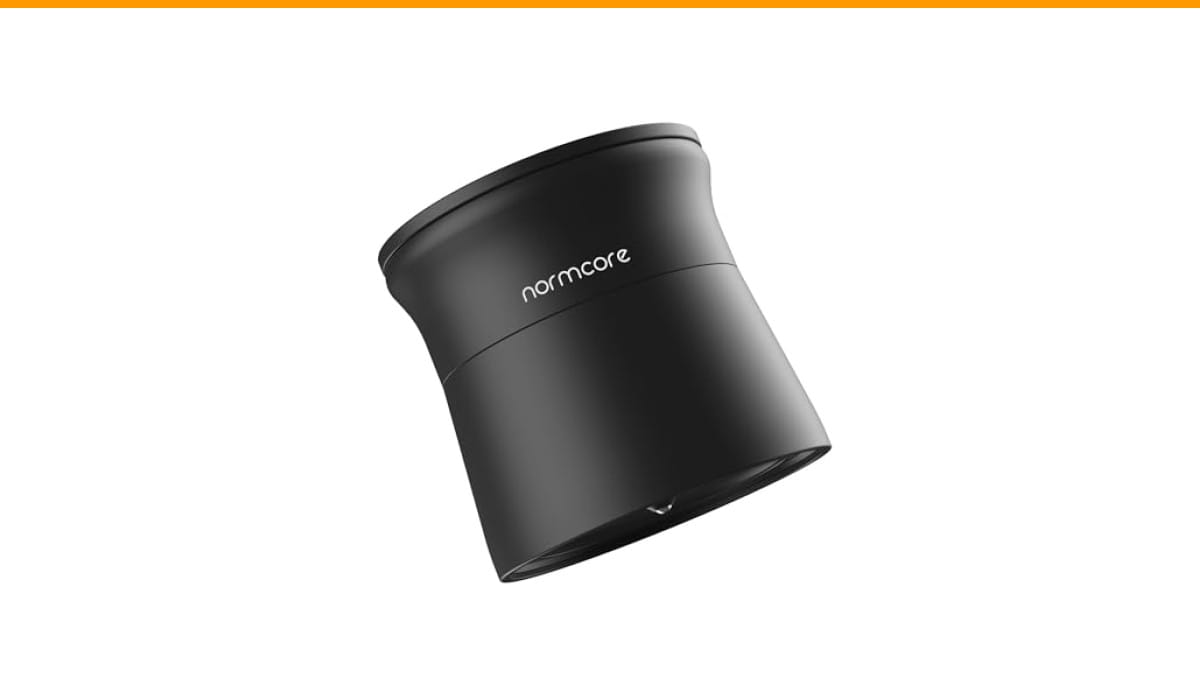
Normcore 58mm 2-in-1 Magnetic Dosing Cup, Espresso…
- MULTIFUNCTIONAL - An innovative combination of a dosing cup and closed shaker, the upper ring can also be disassembled and attache…
- SHAKE AWAY STATIC - When used as a dosing cup, close the lid and press down firmly as you shake the grounds loose. The distributio…
- MAGNETIC ASSEMBLY - Made up of four components, our unique patent-pending design uses 27 magnets to hold the parts tightly togethe…
As an Amazon Associate I earn from qualifying purchases.
We spent two weeks with the Normcore 58mm 2-in-1 Magnetic Dosing Cup on a Eureka Mignon and a Breville Barista Express. This tool tries to end the argument by doing both jobs. It works, mostly. But the real lesson is that your grinder and your routine decide which half of this product you’ll actually use.
This review breaks down the espresso dosing funnel vs espresso dosing cup question as a workflow decision, not a spec sheet comparison. We’ll cover static, retention, single-dose grinding, and when you should skip both tools entirely.
The Real Difference: Dosing Funnel vs Dosing Cup
A dosing funnel sits on top of your portafilter basket and catches grounds as they fall from the grinder chute. A dosing cup catches grounds first, then you transfer them into the basket. Simple enough. But the two tools solve different problems.
The funnel solves mess and spillage. It keeps coffee inside the basket where it belongs. The cup solves weighing and transfer. It lets you single-dose beans, grind them, then move the grounds without touching them.
The Normcore 2-in-1 tries to merge both. The upper ring detaches and snaps onto your portafilter with magnets. The lower cup holds grounds and doubles as a closed shaker. It’s a clever patent-pending design with 27 magnets holding four components together.
In practice, the magnetic assembly feels solid. The parts click together with a satisfying snap, and they don’t wobble during aggressive shaking. But the dual nature means you’ll likely favor one mode and ignore the other.
How Each Tool Affects Your Workflow
We ran both methods side by side for a week each. Same beans, same grinder, same portafilter. The differences showed up fast.
The Funnel-First Method
Attach the funnel ring to the portafilter. Place it under the grinder chute. Grind directly into the basket. Lift the funnel off, and you’re ready to distribute and tamp.
This is the fastest workflow. No transfer step, no extra vessel to clean. The Normcore ring fits 58mm baskets snugly, and the magnets hold it in place even with a grinder that vibrates.
The downside? You can’t weigh the grounds before they hit the basket. If your grinder has high retention, you’ll dose by time or volume, which invites inconsistency. You also need a grinder that fits under the portafilter, which rules out some compact machines.
The Cup-First Method
Weigh beans into the cup. Grind into the cup. Close the lid, shake to break clumps, then transfer to the portafilter.
The Normcore’s closed shaker mode is genuinely useful. The lid seals tight, and shaking the grounds loosens clumps and reduces static. We saw noticeably fewer clumps in the basket compared to grinding directly.
But the transfer step is where things get messy. You need to place the cup over the basket, flip it, and hope the grounds drop cleanly. Sometimes they stick to the cup walls. Sometimes they scatter. The magnetic ring helps by holding the cup in place during the flip, but it’s still a two-hand operation that takes practice.
The cup holds roughly 30 grams of ground coffee, which is plenty for a double shot. The anodized aluminum body feels durable, and it survived a few accidental drops onto tile without denting.
Grinder Retention: The Hidden Variable
Your grinder’s retention changes which tool you should use. This is the factor most reviews ignore.
Single-dose grinders like the Niche Zero have low retention, often under 0.2 grams. With these, a dosing cup works great. You weigh beans, grind, and the cup catches nearly everything that comes out. The transfer is clean because there’s minimal stale coffee mixing in.
Grinders with a portafilter fork, like the Eureka Mignon series, hold the portafilter for you. A funnel is the obvious choice here. The fork stabilizes the basket, and the funnel keeps grounds from bouncing off the edges. We tested the Normcore ring on a Eureka Specialita, and it sat flush with the fork, creating a sealed grinding chamber.
High-retention grinders are the trap. If your grinder holds back 1-2 grams of coffee between doses, a dosing cup won’t save you. The retained grounds mix with fresh ones, and your dose weight drifts. A funnel doesn’t fix this either, but it lets you see the grind output more clearly, so you can adjust your workflow.
For home users, the practical answer: if your grinder has a fork, buy a funnel. If you single-dose and weigh every shot, buy a cup. The Normcore 2-in-1 covers both, which is why it makes sense for people who might upgrade their grinder later.
Static Cling and the RDT Problem
Static is the enemy of clean dosing. Dry beans ground fast create static electricity, and grounds stick to anything plastic or metal. This is where the dosing cup vs funnel decision gets interesting.
The Normcore’s closed shaker mode actively reduces static. The internal distribution tool breaks up clumps while the sealed chamber contains flying particles. After shaking, the grounds pour out more uniformly, and we saw less retention on the cup walls.
But here’s the catch: the Ross Droplet Technique (RDT) changes everything. RDT means spraying a tiny mist of water on beans before grinding to reduce static. If you use RDT, the dosing cup becomes a liability.
Wet grounds stick to aluminum surfaces. We tried RDT with the Normcore cup, and the grounds clung to the walls like they were glued. The shaking action didn’t help; it just spread the damp coffee around. In this scenario, a simple dosing funnel is better because the grounds fall straight into the basket and you don’t touch them again.
If you don’t use RDT and your beans are reasonably fresh, the cup handles static fine. But if you’re in a dry climate or your grinder produces fluffy, static-heavy grounds, test both methods before committing. We found the funnel-first method with a quick WDT tool in the basket produced the most consistent pucks.
Head-to-Head: Mess, Speed, and Consistency
We measured three things over two weeks: mess (coffee dust on the counter), speed (time from beans to tamped puck), and consistency (puck weight variance across five shots).
| Metric | Dosing Funnel | Dosing Cup | Normcore 2-in-1 |
|---|---|---|---|
| Mess | Minimal, grounds stay in basket | Moderate, transfer can scatter | Low in funnel mode, moderate in cup mode |
| Speed | Fastest, no transfer step | Slower, extra shake and flip | Depends on mode, switching takes time |
| Consistency | Good, but dose weight varies | Excellent, you can weigh grounds | Excellent in cup mode |
| Static handling | Poor, grounds can bounce | Good, sealed shaking helps | Good, but fails with RDT |
| Price | Usually cheaper | Similar to 2-in-1 | Check current price on Amazon |
The numbers tell a clear story. The funnel wins on mess and speed. The cup wins on consistency. The Normcore 2-in-1 doesn’t beat either dedicated tool at their own game, but it offers both options in one package.
One observation: the Normcore cup holds grounds with almost zero retention when dry. We weighed the cup before and after pouring, and less than 0.1 grams stayed behind. That’s impressive for an aluminum body, which usually holds more static than stainless steel.
Which One Should You Buy?
Stop thinking about which tool is better. Think about your grinder and your routine. Here’s a practical decision tree.
For Single-Dose Grinders
If you weigh beans for every shot and grind into a cup or dosing tube, get a dosing cup. The Normcore’s closed shaker mode replaces your separate WDT tool for basic clump breaking. You can weigh, grind, shake, and pour into the portafilter with one device.
The magnetic ring is a bonus. It lets you attach the cup to the portafilter for a stable transfer. We found this helpful on the Breville, where the portafilter sits flat on the counter.
For Grinders with a Portafilter Fork
If your grinder has a fork that holds the portafilter, get a dosing funnel. The fork already stabilizes the basket, so a cup adds nothing. The funnel keeps grounds from spraying across your counter.
In this setup, the Normcore ring alone works well. It fits standard 58mm baskets from VST and IMS, and the magnets hold it firmly. Just detach the upper ring and leave the cup in the drawer.
For everyone else, the 2-in-1 makes sense as a bridge purchase. It lets you experiment with both workflows without buying two separate tools. If you later upgrade your grinder, the Normcore adapts.
The Budget Hack: When You Need Neither
Before spending money, try the free hacks. A paper clip bent into a WDT tool works for distribution. A small yogurt cup with the bottom cut out works as a makeshift funnel. Neither is elegant, but both cost nothing.
The gap between a hack and a real tool shows up in daily use. The yogurt cup doesn’t fit your portafilter securely. The paper clip doesn’t break clumps as evenly. But if you’re new to espresso and unsure about your workflow, these hacks let you test the funnel vs cup question before committing cash.
The Normcore’s build quality justifies its price for most people. The anodized aluminum feels premium, and the 27 magnets are overkill in a good way. It’s not afraid of a few hard knocks, as the product description says, and we confirmed that.
But if you only pull espresso on weekends, a $10 funnel might be enough. The 2-in-1 is for daily drivers who want one tool that does everything.
Top Picks for Each Tool
We focused on the Normcore 2-in-1 because it’s the product we tested. But here’s how it fits the broader market.
For a dedicated dosing funnel, look for one with a magnetic base or a snug fit on your specific portafilter. The Normcore ring works, but it’s part of a larger set, so you pay for components you might not use.
For a dedicated dosing cup, consider one with a narrower opening that matches your grinder chute. The Normcore cup has a wide mouth, which catches grounds well but can let fines escape if your grinder spits.
The 2-in-1 wins on versatility. We used it in cup mode for single-dose grinding and in funnel mode for the Breville’s integrated grinder. That flexibility is rare, and it’s why the Normcore stayed on our counter after the test period.
If you’re also shopping for a new machine, check our guide on automatic espresso machine vs semi to see how your workflow fits different setups. And if you’re dealing with grinder noise, our piece on automatic espresso machine loud noise might help.
Frequently Asked Questions
Can I use the Normcore 2-in-1 with a 54mm portafilter?
No. This model is specifically designed for 58mm portafilter baskets. The magnetic ring won’t seat properly on smaller baskets, and grounds will escape around the edges. You need the 54mm version for Breville machines with that basket size.
Does the dosing cup fit under all grinder chutes?
Mostly, but not all. The cup is about 3 inches tall, which fits under standard grinders like the Niche Zero and Eureka Mignon. Compact grinders with low clearance might not accommodate it. Measure the space between your grinder chute and the counter before buying.
How do I clean the Normcore 2-in-1?
Separate the four components and wash them with warm water and mild soap. The anodized aluminum resists coffee oils, so a quick rinse usually does the job. Avoid dishwashers, as the heat can affect the magnets. The design has no hard-to-reach corners, which makes cleaning faster than most dosing cups.
Is the magnetic assembly strong enough for daily use?
Yes. The 27 magnets hold the components together firmly. We shook the cup aggressively for two weeks, and nothing came apart. The magnets also make disassembly easy, so you won’t fight with the parts when cleaning.
Does this replace a WDT tool?
Partially. The closed shaker mode breaks up clumps, which reduces the need for WDT. But for very fine grinds or humid conditions, you’ll still want a needle-style WDT tool for final distribution in the basket. The Normcore gets you 80% of the way there.
Final Verdict: Buy the Workflow, Not the Tool
The espresso dosing funnel vs espresso dosing cup question has a simple answer once you know your grinder. Funnel for fork-equipped grinders. Cup for single-dose workflows. The Normcore 2-in-1 covers both, and it does so with quality materials and a thoughtful magnetic design.
It’s not perfect. The cup mode struggles with RDT, and the transfer step takes practice. But for most home users, this is the only dosing tool you’ll need. It’s built to last, easy to clean, and adapts to your setup as you upgrade.
Check the current price on Amazon if you’re ready to fix your messy mornings. Or skip it if your workflow is already dialed in. Either way, you now know exactly which tool fits your routine.
Ready to buy? Check the latest price on Amazon