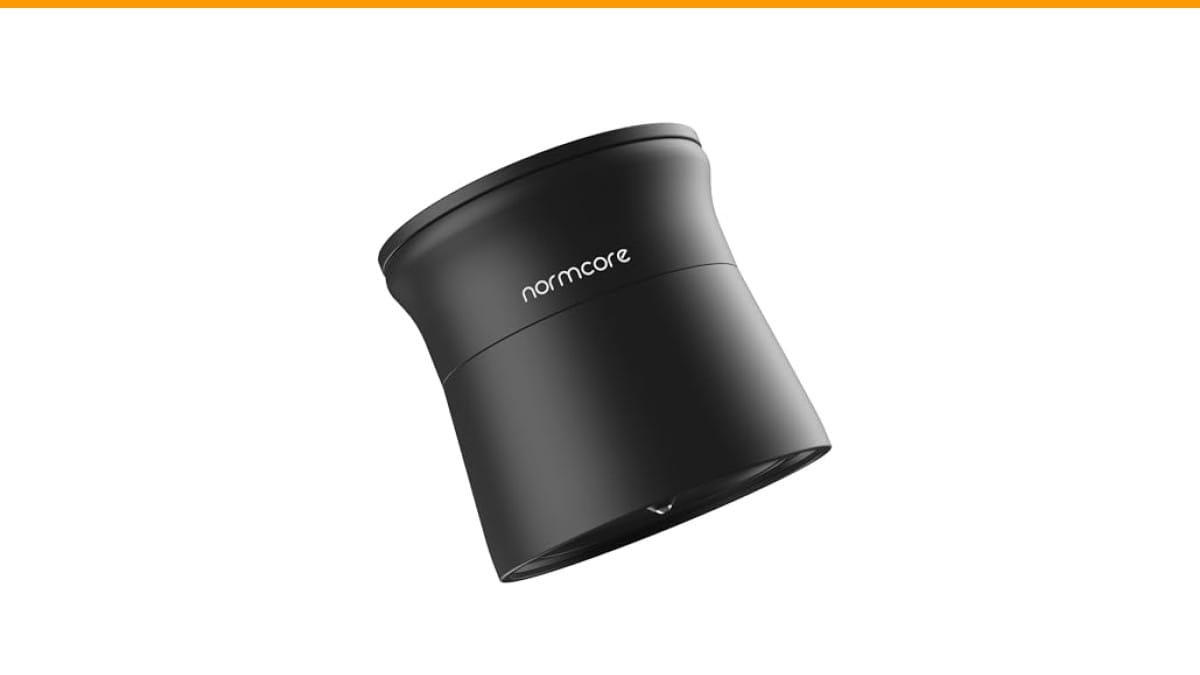
The Normcore 58mm 2-in-1 Magnetic Dosing Cup is the rare product that tries to settle the dosing funnel vs dosing cup debate by being both. After testing it against the traditional separate tools, the honest answer is that neither tool is universally better. The right choice depends almost entirely on your grinder, your beans, and how much mess you tolerate at 6 AM. This review breaks down the real trade-offs so you can pick the one that fits your routine.

Normcore
Normcore 58mm 2-in-1 Magnetic Dosing Cup, Espresso…
- MULTIFUNCTIONAL - An innovative combination of a dosing cup and closed shaker, the upper ring can also be disassembled and attache…
- SHAKE AWAY STATIC - When used as a dosing cup, close the lid and press down firmly as you shake the grounds loose. The distributio…
- MAGNETIC ASSEMBLY - Made up of four components, our unique patent-pending design uses 27 magnets to hold the parts tightly togethe…
As an Amazon Associate I earn from qualifying purchases.
The Normcore unit combines a closed shaker cup with a detachable funnel ring. It uses 27 magnets across four components to hold everything together. You can use it as a cup to catch grounds from your grinder, or pop the top ring off and attach it directly to your portafilter. That flexibility is genuinely useful, but it also means you need to understand when each mode makes sense.
The Real Difference: Dosing Funnel vs Dosing Cup
A dosing funnel sits on top of your portafilter basket. Your grinder drops coffee straight through it into the basket. A dosing cup catches grounds in a separate container first, then you transfer them to the portafilter. The funnel keeps your portafilter in place during grinding. The cup keeps your portafilter out of the way entirely.
That distinction drives everything else. With a funnel, you grind directly into the basket, which means less transfer time and fewer steps. With a cup, you can shake the grounds to break up clumps before they ever touch the basket. The Normcore’s closed lid lets you do that shaking without coffee flying everywhere. The internal distribution tool helps separate clumps and reduces static cling to other tools.
Most home baristas start with a funnel because it seems simpler. But if you single-dose your grinder, a cup often makes more sense. You can weigh your beans, grind them into the cup, shake, and pour. That workflow keeps your scale and portafilter in separate zones of your counter.
How Each Tool Affects Your Workflow
Let’s walk through both methods with the Normcore to see where each shines.
The Funnel-First Method
Detach the upper ring from the Normcore body and seat it on your 58mm portafilter basket. The magnets hold it firmly, so it won’t wobble when your grinder’s clumps hit it. Grind directly into the basket. The funnel walls are tall enough to catch most stray grounds, though a few fines can still bounce off the portafilter ears if your grinder is messy.
This method is fast. You skip the transfer step entirely. It works particularly well with grinders that have a portafilter fork or a grinding cradle. You lock the portafilter in, press the button, and walk away. The downside is that you cannot shake the grounds before tamping. The Normcore’s internal distribution tool is unavailable in this mode, so you rely on your grinder’s existing distribution quality.
If your grinder produces fluffy, clump-free grounds, the funnel-first method is the cleaner choice. If it produces static-heavy clumps, you will likely need a separate WDT tool to break them up before tamping.
The Cup-First Method
Keep the Normcore fully assembled and place it under your grinder’s chute. The closed lid means you can shake the cup aggressively without losing coffee. That shake is the key advantage. It breaks up clumps and redistributes fines more evenly than any static funnel can.
After shaking, remove the lid and pour the grounds into your portafilter basket. The cup’s opening matches the 58mm basket, so you get a fairly even drop. You still need to tap or level the grounds, but the shaking does most of the prep work. The trade-off is an extra step. You handle the cup twice, and you need a clear spot on your counter to set the portafilter while you pour.
In testing, the cup-first method produced more consistent shots when using beans that were slightly oily or freshly roasted. The shaking action mimics what a WDT tool does, just faster and with less mess. The Normcore’s aluminum body feels solid in hand, and the anodized finish resists coffee oils well.
Grinder Retention: The Hidden Variable
Grinder retention changes which tool you should use. A grinder with high retention, like some single-dose models, holds back a few grams of old grounds between doses. Those stale grounds mix with your fresh dose and ruin the shot. A dosing cup lets you grind into the cup, weigh the output, and adjust if the grinder retained more than expected.
With a funnel, you cannot easily weigh the grounds after grinding. You trust the grinder’s timed dose or your weight-in. If the grinder retained 0.5 grams, your shot is off and you won’t know until you taste it. The Normcore cup mode gives you a chance to check the actual output on a coffee scale before brewing.
Grinders with a portafilter fork, like many Eureka Mignon models, pair better with a funnel. The fork holds the portafilter at the right height, so the funnel just sits on top and guides the grounds. Grinders without a fork, like a Niche Zero, work better with a dosing cup because you can hold the cup directly under the chute without awkward positioning.
Static Cling and the RDT Problem
Static is the enemy of clean espresso prep. Dry beans, especially in winter, create static that makes grounds stick to plastic grinders and metal cups alike. The Normcore’s closed shaker design reduces static by letting you shake the grounds in a confined space. The internal distribution tool also helps, though it is not a magic bullet.
The Ross Droplet Technique, or RDT, involves adding a drop of water to your beans before grinding to reduce static. If you use RDT, a dosing cup becomes more useful. The slightly damp grounds are clumpier, and shaking them in a closed cup breaks those clumps better than a funnel ever could. A funnel just lets the clumps fall straight into the basket, where they sit until you tamp over them.
One caveat: the Normcore’s aluminum body does not generate as much static as plastic cups, but it is not immune. In dry conditions, I still saw a few grounds stick to the inside walls. A quick tap on the counter usually dislodged them.
Head-to-Head: Mess, Speed, and Consistency
Here is how the two tools stack up in daily use:
| Factor | Dosing Funnel | Dosing Cup |
|---|---|---|
| Mess | Low if grinder is tidy; some fines bounce off | Very low; closed lid contains everything |
| Speed | Fastest; single transfer step | Slower; extra pour step |
| Grind retention check | Not possible | Weigh output before brewing |
| Static management | Poor; grounds fall straight down | Good; shaking breaks clumps |
| Best for | Grinders with a portafilter fork | Single-dose grinders without a fork |
The Normcore’s 2-in-1 design means you do not have to choose permanently. Switch the ring to funnel mode when your grinder has a fork. Switch to cup mode when you single-dose or use RDT. That flexibility is the main reason to consider this specific product over buying a separate funnel and cup.
Which One Should You Buy?
Ask yourself two questions before spending money. Does your grinder have a portafilter fork? Do you weigh your output after grinding?
For Single-Dose Grinders
Buy the dosing cup mode. Single-dose grinding requires weighing your output to account for retention. The Normcore’s cup lets you do that without transferring grounds from a separate container. The closed shaker also helps if you grind light roasts that are prone to static. This is the workflow I recommend for most home users, especially those using grinders without a fork.
For Grinders with a Portafilter Fork
Use the funnel mode. The fork holds the portafilter at the correct height, so the funnel just guides the grounds. You skip the extra pour step entirely. This is faster and cleaner, provided your grinder produces consistent doses. If you notice clumping, add a WDT tool to your routine rather than switching to a cup.
The Budget Hack: When You Need Neither
Before you buy anything, consider whether you need either tool at all. A paper clip bent into a loop works as a basic WDT tool. A small yogurt cup with the bottom cut out works as a makeshift funnel. These hacks cost nothing and solve the most common problems: clumping and mess.
That said, the hacks have real limitations. A paper clip does not distribute grounds evenly across a 58mm basket. A yogurt cup does not fit snugly on your portafilter, so grounds can escape through gaps. If you are just starting out and your shots are drinkable, save the money and use the hacks. Upgrade to a real tool once you identify a specific problem, like excessive mess or uneven extractions.
For beginners, I would also point you to our espresso machine guide to make sure your equipment is not the real bottleneck before adding more gear.
Top Picks for Each Tool
The Normcore 58mm 2-in-1 Magnetic Dosing Cup is currently out of stock, which is a shame because it is one of the few products that does both jobs well. The 27-magnet assembly feels premium, and the anodized aluminum body is easy to clean. The components separate fully, so you can wash each piece without reaching into awkward corners.
If you want a dedicated funnel, look for a magnetic model that snaps onto your portafilter. Magnetic attachment is not a gimmick; it keeps the funnel centered during grinding. If you want a dedicated dosing cup, look for one with a closed lid and a smooth interior. The Normcore’s internal distribution tool is a nice touch, but a simple shake works almost as well.
Check the current price on Amazon if the Normcore comes back in stock. For the price, you get two tools in one, which is a solid value if you plan to switch between grinding methods.
Frequently Asked Questions
Can I use a dosing cup with a grinder that has a portafilter fork?
Yes, but you lose the main benefit of the fork. The fork is designed to hold the portafilter during grinding. If you use a cup, you hold the cup under the chute instead, which is less stable. The Normcore’s cup mode works fine, but you might as well use the funnel mode if your grinder has a fork.
Does the Normcore work with a 54mm portafilter?
No. The Normcore is designed for 58mm portafilter baskets, which is the standard size for most commercial and prosumer espresso machines. If you own a Breville machine with a 54mm basket, this product will not fit. You would need a separate funnel or cup sized for 54mm.
How do I clean the Normcore dosing cup?
Separate the four components and wash them with warm soapy water. The anodized aluminum is durable, but avoid abrasive scrubbers that can scratch the finish. Dry the magnets thoroughly before reassembling to prevent corrosion.
Will the shaking action damage my espresso grinder?
No. The shaking happens in the cup, not the grinder. The grinder only sees the beans when you feed them. The Normcore’s aluminum body is sturdy enough to handle the shaking without bending or denting.
Is a dosing cup better than a WDT tool?
They solve different problems. A dosing cup breaks up clumps during the transfer step. A WDT tool breaks up clumps inside the basket right before tamping. If you use a dosing cup with shaking, you may not need a WDT tool. If you use a funnel, you likely still need a WDT tool for even distribution. For a deeper look at espresso prep, read our espresso troubleshooting guide.
Final Verdict
The Normcore 58mm 2-in-1 Magnetic Dosing Cup is the best option for home baristas who want flexibility without buying two separate tools. The 27-magnet assembly is well-built, the closed shaker handles static effectively, and the detachable funnel ring covers the other half of the workflow. It is not perfect: the cup mode adds a step, and the funnel mode does not distribute grounds as evenly as a dedicated WDT tool.
For most home users, I recommend the cup-first method. It gives you control over grind retention and static, which are the two biggest variables in espresso puck prep. Use the funnel mode only when your grinder has a fork and your beans are dry enough to avoid clumping.
If the Normcore is out of stock, wait for it to return or buy a separate funnel and cup. The extra cost is worth the consistency. And if you are still working through machine issues, check our noise troubleshooting article to rule out a mechanical problem before blaming your prep tools.
Ready to buy? Check the latest price on Amazon