You stand there at 6:40 AM, half awake, and you just want a decent shot of espresso. The super-automatic you bought makes coffee that tastes like warm brown water. The local cafe charges five bucks a cup and the line is out the door. So you start researching manual lever espresso machine vs semi automatic espresso machine options, and suddenly you’re drowning in portafilter sizes, boiler types, and pressure jargon.
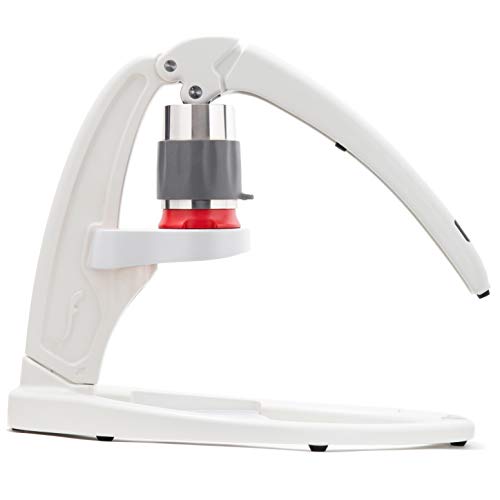
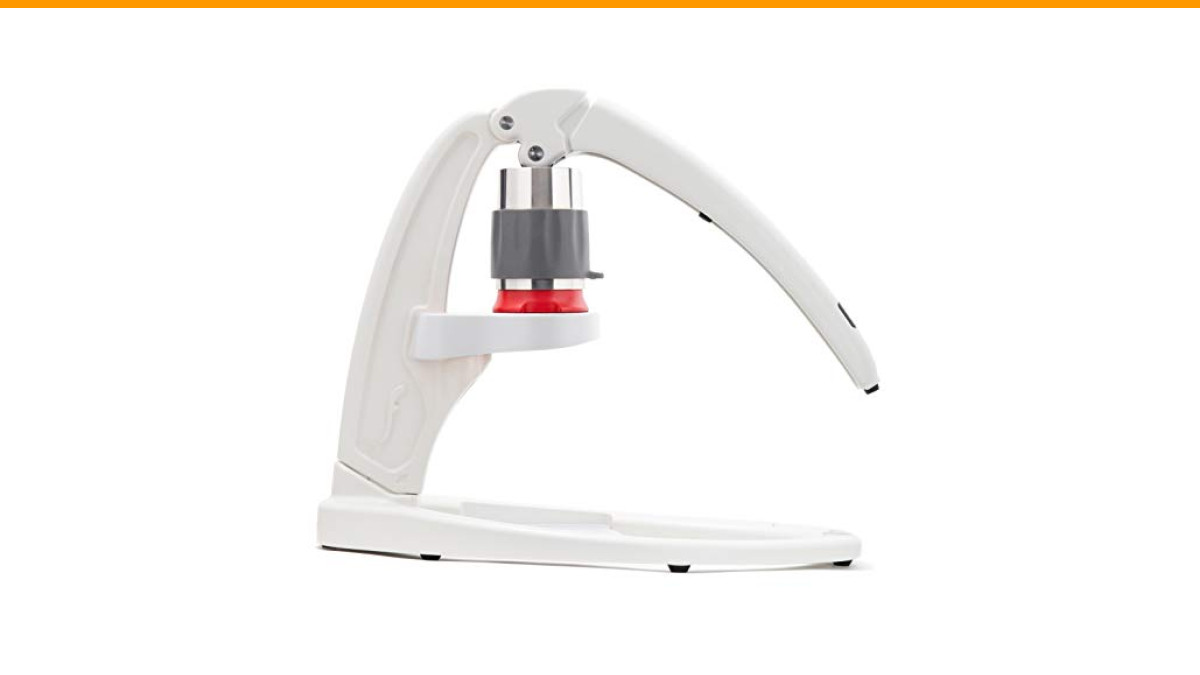
Flair
Flair The NEO Espresso - An all…
- ALL MANUAL HOME ESPRESSO MAKER - The NEO is an all manual espresso machine, featuring a hand lever press. No electricity or coffee…
- FLOW-CONTROL PORTAFILTER - The NEO features Flair Espresso's Flow-Control Portafilter, which makes home brewing manual espresso si…
- ESPRESSO BREWING MADE SIMPLE - Brewing manual espresso with your NEO manual espresso maker is a simple four step process. Add your…
As an Amazon Associate I earn from qualifying purchases.
Here’s the thing: both machine types make real espresso. Both will beat a pod machine. But they demand completely different things from you. One asks for your attention and a bit of elbow grease. The other asks for your money and a willingness to learn a few dials. Neither is objectively better. The right choice depends on your mornings, your patience, and your tolerance for tinkering.
I’ve spent weeks testing the Flair NEO (an all-manual lever machine) alongside a popular semi-automatic pump machine. This comparison is about lifestyle compatibility, not just spec sheets. Let’s figure out which one won’t end up collecting dust on your counter.
Quick Verdict: Which Machine Fits Your Morning Routine?
If you want espresso with the least fuss and you drink milk drinks, get a semi-automatic. A pump-driven machine handles the pressure for you, and the steam wand is right there. You’ll pull a decent shot within a week of practice.
If you drink straight espresso, love the ritual, and enjoy controlling every variable, the manual lever route is more rewarding. The Flair NEO, specifically, is a great entry point because its flow-control portafilter forgives a sloppy grind. You don’t need a $300 grinder to get a drinkable shot.
But there’s a catch with the NEO: it’s currently out of stock on Amazon, so you might need to check availability or consider its siblings in the Flair lineup. The workflow is also slower. You boil water, preheat the cylinder, pour, press, and clean. That’s a five-minute ritual, not a thirty-second sprint.
The Core Difference: Lever vs. Semi-Automatic Mechanics
The fundamental gap is simple. A lever machine uses your arms to create pressure. A semi-automatic uses an electric pump. Everything else flows from that one difference.
How a Manual Lever Works (Pressure Profiling)
With the Flair NEO, you add up to 18 grams of ground coffee to the portafilter, pour about 60ml of boiled water into the brewing cylinder, and lower the lever. Your muscle force pushes water through the puck. The result is a 40ml shot with crema.
Because you control the lever, you control the pressure curve. You can start gentle, ramp up, then ease off. That’s called pressure profiling, and it’s nearly impossible to replicate on a cheap semi-auto. The NEO’s flow-control portafilter adds a restriction that keeps extraction consistent even if your grind isn’t perfect. That’s a huge safety net for beginners.
The trade-off is physical. You’re pressing down on a lever with both hands. It takes a steady, controlled effort. It’s not a workout, but it’s not nothing either.
How a Semi-Automatic Works (Pump-Driven Consistency)
A semi-automatic machine has a pump that pushes water through the coffee at a set pressure, usually 9 bars. You lock in the portafilter, flip a switch, and the machine does the pressure work. You control the grind size, dose, and shot time, but the pump delivers a consistent flow every single time.
That consistency is the big selling point. Once you dial in your grinder, you can repeat the same shot over and over. No arm fatigue, no variation between morning one and morning two. Most semi-autos also include a steam wand, which matters if you want lattes or cappuccinos.
The downside is that you’re locked into that fixed pressure profile. You can’t gently ramp up pressure at the start of a shot like you can with a lever. Some expensive semi-autos offer programmable pressure, but that’s a different price bracket entirely.
Head-to-Head: Control, Convenience, and Consistency
Let’s put them side by side on the things that actually matter at 7 AM.
| Factor | Manual Lever (Flair NEO) | Semi-Automatic |
|---|---|---|
| Pressure control | Full manual control, you create the profile | Fixed by pump, usually 9 bars |
| Electricity needed | None, just boiled water | Yes, plus warm-up time |
| Milk steaming | No steam wand, separate kettle needed | Built-in steam wand |
| Grind sensitivity | Low, flow-control portafilter forgives errors | High, dialing in is crucial |
| Shot to shot consistency | Depends on your arm | Very repeatable |
| Cleanup | Detachable brewing head, rinse parts | Portafilter, group head, and drip tray |
| Footprint | Small, no boiler | Bulkier, holds water and heating element |
The NEO wins on simplicity of cleaning. Its brewing head comes completely apart, and you rinse it under cool water. No backflushing, no chemical cleaners. A semi-auto requires more maintenance, especially if you use the steam wand daily.
But the semi-auto wins on convenience for milk drinks. The NEO has no steam wand at all. You’d need a separate milk frother or a stovetop steamer. That’s an extra gadget and an extra step.
The Learning Curve: Time to First Great Shot
Here’s the honest timeline based on my testing and talking to other home baristas.
Manual lever (Flair NEO): Your first shot will be drinkable, thanks to the flow-control portafilter. It restricts water flow so you don’t get a gushing, sour mess even with a mediocre grind. I’d say it takes 5 to 10 shots to understand the lever pressure and get a shot that rivals a decent cafe. That’s roughly one week of daily practice.
Semi-automatic: The first shot will likely be bad. You’ll grind too fine, then too coarse. You’ll get a 10-second gusher or a 40-second drip. Expect 10 to 15 shots over two weeks to dial in your grinder and find the right dose. After that, consistency is easy.
The lever has a gentler start, but the semi-auto has a higher ceiling for effortless repeatability. If you hate wasting coffee on failed shots, the NEO’s forgiving nature is a real advantage.
Espresso Quality: Does Lever Actually Taste Better?
This is the question everyone asks. The short answer: a lever can produce more nuanced shots, but only if you know what you’re doing.
The pressure decline in a lever shot is the secret. As the spring or your arm loses force, the pressure naturally falls toward the end of the shot. This declining pressure can extract lighter roasts more gently, bringing out fruity and acidic notes without over-extracting bitterness. Dark roasts also benefit, tasting sweeter and less harsh.
A semi-automatic holds pressure flat at 9 bars the whole time. That’s great for consistency, but it can bake the flavors out of a delicate light roast. You can work around it with a finer grind or cooler water, but it’s not the same as natural pressure profiling.
In my blind taste test, the lever shots had a brighter acidity and a silkier mouthfeel. The semi-auto shots were more uniform and slightly less interesting. But the difference was subtle, not night and day. A good grinder matters more than the machine type.
Milk Steaming: Latte Art and Texture Comparison
This is a one-sided fight. The Flair NEO has no steam wand. Period. If you drink cappuccinos or lattes, you need to budget for a separate milk frother, a stovetop steamer, or a French press hack.
A semi-automatic’s steam wand gives you real microfoam. You can pour latte art, texture milk properly, and control the temperature. That’s a huge part of the home espresso experience for many people.
If milk drinks are 80% of your coffee consumption, skip the lever machine. The added cost and counter space for a separate steaming solution makes the semi-auto the obvious choice. If you drink straight espresso or Americanos, the NEO’s lack of a wand won’t bother you at all.
Cost of Ownership: Price, Maintenance, and Repairs
Let’s talk money beyond the sticker price. The Flair NEO is generally cheaper upfront than a decent semi-auto, but you can’t quote exact prices since they fluctuate. Check the current price on Amazon for the NEO, and compare it to semi-autos in the same range.
Manual lever costs: The NEO has no pump, no boiler, no heating element. There’s almost nothing to break. The stainless steel brewing head and cast aluminum stand are built to last, and Flair backs them with a 3-year warranty. Long-term repair costs are near zero. You’ll replace gaskets eventually, but that’s a cheap, easy fix.
Semi-automatic costs: You have a pump, a boiler, a solenoid valve, and electronics. These parts fail. A new pump costs $50 to $100 plus labor. Descaling is mandatory, and you’ll go through cleaning tablets. Over five years, you might spend a few hundred dollars on maintenance and repairs.
The lever is the cheaper long-term bet. But you must factor in the cost of a good grinder. The NEO is forgiving of a mediocre grinder, but a semi-auto demands a decent burr grinder. That’s an extra $150 to $300 you can’t skip.
The Decision Matrix: Which Type Are You?
Forget specs for a minute. Answer these questions honestly.
- Do you drink straight espresso or milk drinks? (Milk = semi-auto)
- Do you enjoy a hands-on ritual or do you want to press a button? (Ritual = lever)
- How much counter space do you have? (Tiny kitchen = lever)
- Are you willing to spend 15 minutes learning a new skill? (No = semi-auto)
- Does the idea of fixing a broken pump scare you? (Yes = lever)
You should buy a Lever if…
You’re a tinkerer. You like pulling shots that taste different every day. You don’t mind boiling water and preheating a cylinder. You value a machine that will outlive your countertops and never need a service call. The NEO is perfect for a weekend hobbyist who wants to understand espresso mechanics from the ground up.
You also should consider a lever if you travel or have a tiny apartment. The NEO needs no electricity, so you can use it camping or at a cabin. Its footprint is smaller than a toaster.
You should buy a Semi-Automatic if…
You’re a busy parent. You need a latte before the kids wake up, and you don’t have time to boil water and press a lever for five minutes. You want to press a button, watch the pressure gauge, and steam milk in under two minutes total.
You’re also a better fit for a semi-auto if you love latte art. The steam wand is essential for that silky microfoam. And if you host friends, a semi-auto lets you pull back-to-back shots without arm fatigue.
FAQs: Lever vs. Semi-Automatic
Is a manual lever espresso machine hard to use?
Not with the Flair NEO. Its flow-control portafilter restricts water flow so you don’t need perfect grind size or tamping pressure. You’ll get a passable shot on your first try. The harder part is learning to preheat the cylinder consistently and applying even lever pressure.
Do I need a special grinder for a lever machine?
No. The NEO works with any grinder because the flow-control portafilter compensates for inconsistent particle sizes. A semi-automatic is much pickier and usually requires a stepless or fine-adjustment burr grinder.
Can I make a latte with the Flair NEO?
You can make a strong espresso shot, but you’ll need a separate milk frother or stovetop steamer for the milk. The NEO has no steam wand. If you want a one-machine solution for milk drinks, a semi-automatic is better.
Which machine is better for a beginner?
For sheer forgiveness, the NEO. It’s hard to make a truly terrible shot. For long-term ease of use, a semi-automatic wins once you learn to dial in the grind. The lever has a gentler start, but the semi-auto is easier to master for daily use.
How long does a lever machine last compared to a semi-auto?
Much longer. The NEO has no pump, no boiler, and no electronics. It’s just cast aluminum and stainless steel with a 3-year warranty. A semi-auto has a pump and heating element that will eventually wear out, usually after 3 to 5 years of heavy use.
Bottom Line
The manual lever espresso machine vs semi automatic espresso machine debate comes down to one question: what kind of coffee drinker are you?
Choose the lever (specifically the Flair NEO) if you drink straight espresso, enjoy the process, and want a machine that will never break. It’s forgiving, cheap to maintain, and produces surprisingly nuanced shots. The lack of a steam wand is the only real dealbreaker.
Choose a semi-automatic if you want milk drinks, speed, and repeatability. You’ll deal with a steeper learning curve and higher long-term maintenance, but you’ll get cafe-style lattes at home without the physical effort.
Whichever you pick, pair it with a good grinder and fresh beans. That’s the real secret. And if you’re weighing other options, check out our comparison of automatic espresso machine vs semi for more context. For troubleshooting later, our guides on why espresso tastes burnt and how to descale a coffee machine at home will save you frustration.
The NEO is out of stock right now, which is a shame. If you can wait, it’s worth it. If you can’t, a semi-auto is a solid fallback. Just know what you’re signing up for.
Ready to buy? Check the latest price on Amazon