You grind your beans, pull the portafilter away, and coffee dust goes everywhere. The counter looks like a crime scene. You tap the portafilter, but grounds stick to the basket walls. Then you try to level, but the mound is uneven. This is the daily reality of espresso dosing without the right gear.

Normcore
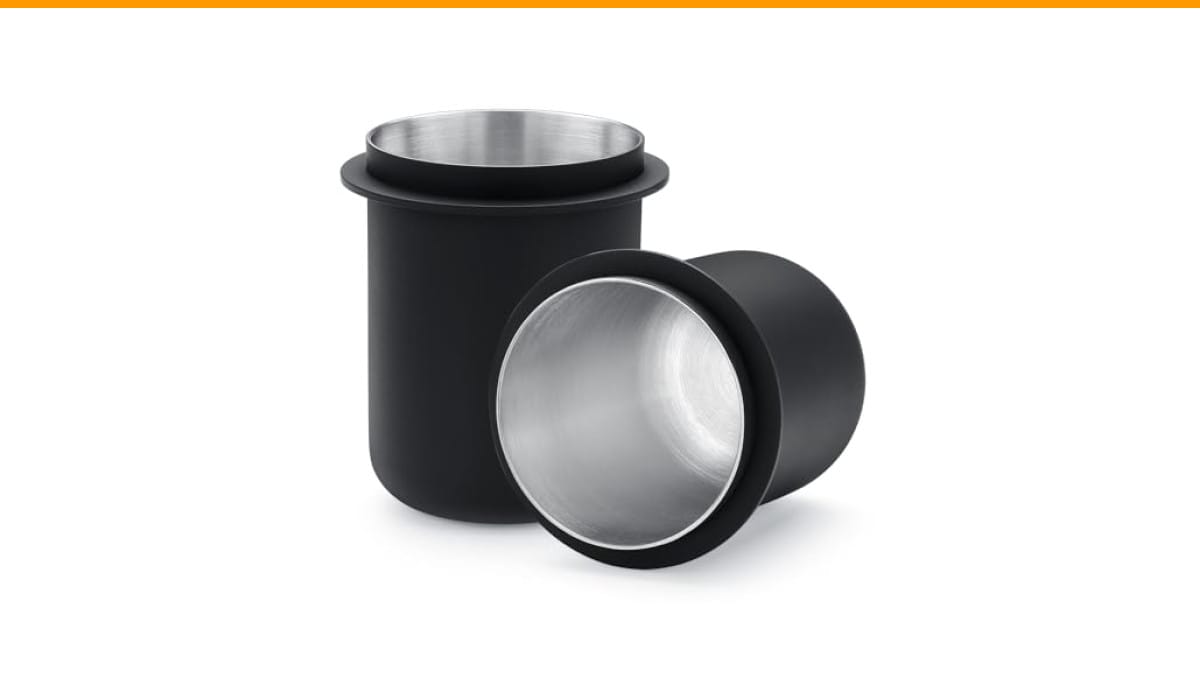
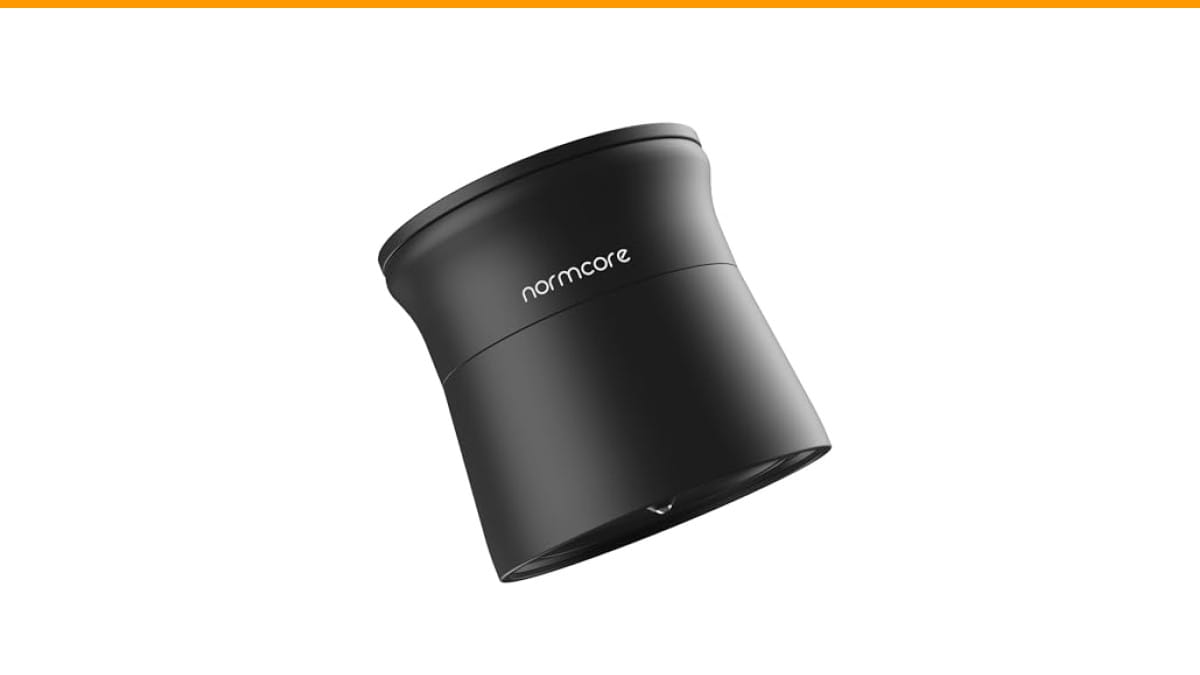
Normcore 58mm 2-in-1 Magnetic Dosing Cup, Espresso…
- MULTIFUNCTIONAL - An innovative combination of a dosing cup and closed shaker, the upper ring can also be disassembled and attache…
- SHAKE AWAY STATIC - When used as a dosing cup, close the lid and press down firmly as you shake the grounds loose. The distributio…
- MAGNETIC ASSEMBLY - Made up of four components, our unique patent-pending design uses 27 magnets to hold the parts tightly togethe…
As an Amazon Associate I earn from qualifying purchases.
The fix usually comes down to two tools: an espresso dosing funnel or an espresso dosing cup. Both solve the mess problem, but they do it differently. One sits on top of your portafilter. The other catches grounds before you even touch the portafilter. I have spent weeks testing both styles, including the new Normcore 58mm 2-in-1 Magnetic Dosing Cup (ASIN B0D47XDCJ8), to figure out which one actually earns a spot on your counter.
This guide breaks down the trade-offs so you can match the tool to your grinder, your workflow, and your tolerance for cleaning up coffee dust.
The Core Question: Funnel vs. Cup
Which one should you buy? The answer depends on where your mess happens. A funnel solves mess at the basket. A dosing cup solves mess at the grinder. If you single-dose, you likely have mess at both points.
The Normcore 2-in-1 tries to cover both bases. It works as a standard dosing cup with a lid, but the top ring detaches and snaps onto your portafilter via magnets. That flexibility is rare. Most products force you to pick one workflow. This one lets you switch depending on the day.
But a hybrid tool means compromises. It is heavier than a plain funnel. It takes up more drawer space. And you have to decide which configuration you actually use most, because switching takes a few seconds of fiddling.
What is an Espresso Dosing Funnel?
A dosing funnel is a ring that sits on top of your portafilter basket. It creates a taller wall so grounds don’t spill over the edge while you grind directly into the basket. That is its only job, but it does that job well.
Most funnels are simple metal cones. The Normcore version uses 27 magnets to hold its components together, which matters when you knock the portafilter to settle grounds. A weak funnel pops off. A magnetic one stays put.
The funnel shines when you grind directly into the portafilter. You place it, grind, and then remove it before tamping. It does not help with static cling on the grinder chute, but it contains the mess at the basket level.
What is an Espresso Dosing Cup?
A dosing cup catches grounds as they exit your grinder. You place the cup under the chute, grind, then transfer the grounds to the portafilter. The Normcore version adds a closed lid, turning it into a shaker.
That shaking function is the secret weapon. You close the lid, press down firmly, and shake. The internal distribution tool breaks up clumps and reduces static. The grounds loosen up before they hit the basket. This means less retention in your grinder chute and fewer clumps in your puck.
Dosing cups work best with single-dose grinders like the DF64 or Niche Zero. You weigh beans, grind into the cup, shake, and pour. The workflow is clean from start to finish.
Dosing Funnel vs. Dosing Cup: The Head-to-Head
I ran both tools through the same routine with a single-dose grinder. Here is how they compare on the three things that matter most.
| Factor | Dosing Funnel | Dosing Cup |
|---|---|---|
| Mess prevention | Contains grounds at the basket, but grinder chute still sprays | Contains everything at the grinder; zero mess at the counter |
| Static handling | Does nothing for static; grounds still cling to chute | Shaking with the lid reduces static and clumps |
| Workflow speed | Fastest if you grind directly into portafilter | Adds a transfer step, but saves cleaning time later |
| Retention impact | None; grinder retention is unchanged | Shaking clears the chute, lowering retained grounds |
| Best for | Grinders with a doser or grind-on-demand setups | Single-dose grinders and fussy workflows |
Mess Prevention and Containment
The funnel wins on pure mess at the basket. You grind, and the tall walls keep everything in. No stray grounds on the counter. No coffee dust on your knuckles.
But the funnel does nothing about the spray that happens at the grinder chute. Grounds bounce off the basket and land on the tray. The cup eliminates that entirely because the grounds go into a sealed container.
In testing, the Normcore cup with the lid closed produced zero stray grounds. The funnel kept the basket clean but left a ring of dust around the grinder base. If you hate wiping counters, the cup is the better pick.
Impact on Grinder Retention and Static
Static is the enemy of single dosing. Grounds stick to the chute, the cup walls, and your fingers. The Normcore cup attacks this directly. Shake the grounds with the lid on, and the distribution tool breaks the static charge. More coffee ends up in the basket, less stays behind in the grinder.
A funnel cannot do this. It is passive. It just holds the basket open. You still deal with static cling on the chute and in the grind cup you pour from.
If you weigh your output after grinding, you will notice the difference. With the cup, you get closer to your target weight. With the funnel, you might lose a few tenths of a gram to the chute.
Workflow Speed and Convenience
The funnel is faster. You grind, lift the funnel, tamp. Done. The cup adds a step: grind into cup, shake, pour into basket. That is maybe ten extra seconds.
But the cup saves time elsewhere. You do not wipe the counter. You do not chase stray beans. You do not knock the portafilter repeatedly to settle grounds.
For a quick morning shot, the funnel wins on speed. For a careful, clean session, the cup wins on control. The Normcore 2-in-1 lets you use both, which is nice, but you will likely settle into one routine.
How to Choose Based on Your Grinder
Your grinder dictates the right tool. Do not buy based on brand hype. Buy based on how your grinder delivers coffee.
For Single-Dose Grinders
Single-dose grinders like the DF64, Niche Zero, or Baratza Sette push grounds out in a burst. That burst creates static and mess. A dosing cup is the better fit here.
The Normcore cup catches the burst, and the shaking step tames the static. You get a cleaner transfer to the portafilter. The funnel alone would leave you chasing stray grounds.
If you already own a single-dose grinder and struggle with retention, the cup solves that specific problem. The internal distribution tool actively breaks up clumps before they hit the basket.
For Grinders with a Doser
Grinders with a doser, like the older Mazzer models, deliver coffee in a pile. You sweep the doser, and grounds fall into the basket. A funnel is the right tool here.
The funnel sits on the portafilter and catches the sweep. You do not need a cup because the grinder already delivers a measured dose. Adding a cup would just add an unnecessary transfer step.
For these setups, a simple magnetic funnel is all you need. The Normcore 2-in-1 still works, but you will mostly use the funnel ring and leave the cup body in the drawer.
The “Funnel + WDT” Combo Technique
Here is a trick that changes your puck prep. Use the funnel as a distribution aid with a WDT tool. Grind into the basket with the funnel attached. Then, instead of removing the funnel, stick your WDT tool through the opening and stir.
The funnel walls contain the grounds while you rake them. You break up clumps without spilling a single bean. When the grounds look even, lift the funnel and tamp.
This works brilliantly with the Normcore because the magnetic ring holds firmly to the basket. A cheap funnel might wiggle or pop off during the stirring motion. The 27 magnets keep it locked in place. This technique gives you the mess control of a cup with the speed of a funnel.
Material, Magnet Strength, and Size Considerations
The Normcore uses anodized aluminum. That means it is light but durable. It will not rust, and it handles knocks without denting. The matte black finish resists fingerprints better than polished steel.
The magnets are the standout feature. Twenty-seven magnets hold the four components together. In testing, the assembly felt solid. You can shake the cup vigorously without parts separating. The magnetic ring also snaps onto the portafilter with a satisfying click.
Size matters here. This is a 58mm tool, so it fits standard portafilter baskets. If you own a Breville machine with a 54mm basket, this will not fit. Check your basket size before ordering. The product data clearly states 58mm compatibility only.
Cleaning is straightforward. The four components separate completely. You can wash the cup, the ring, and the lid without reaching into tight corners. The anodized surface wipes clean easily, and coffee oils do not stick stubbornly.
Frequently Asked Questions
Will this fit my Breville Barista Express?
No, unless you have upgraded the basket. The Breville Barista Express uses a 54mm basket, and this Normcore tool is built for 58mm portafilters. You would need a 54mm version. Check your specific model before purchasing.
Does the shaking actually reduce static?
Yes, in my testing. The internal distribution tool physically breaks the clumps, and the motion releases the static charge. Grounds pour out of the cup cleanly instead of clinging to the walls. You will see less retention in your grinder chute as well, because the shaking clears the path.
Can I use this as a normal dosing cup without the lid?
Absolutely. The lid is optional. You can grind into the open cup and pour into the portafilter. The lid is there for when you want to shake. The magnetic assembly holds the cup together whether the lid is on or off.
Is the magnetic ring strong enough to hold during tapping?
Yes. The 27 magnets are positioned around the ring to distribute the clamping force. You can tap the portafilter to settle grounds, and the funnel stays put. It takes a deliberate pull to remove it.
How do I clean the internal distribution tool?
Separate all four components and rinse them under warm water. The distribution tool is a simple piece, so it cleans easily. Dry everything before reassembling to keep the magnets in good shape.
Final Verdict: Which Tool Wins?
There is no single winner because the right tool depends on your grinder. If you single-dose, buy the dosing cup. The static reduction and retention benefits are worth the extra step. The Normcore 2-in-1 is an excellent choice because it gives you the cup workflow and the funnel option in one package.
If you use a grinder with a doser, save your money and buy a simple magnetic funnel. The cup feature will go unused.
The Normcore 2-in-1 is currently out of stock on Amazon, but it is worth waiting for if you want the hybrid flexibility. Check the current price and availability on Amazon before deciding.
For home users, this tool fits neatly into a budget espresso setup without adding complexity. It also pairs well with the workflow tips in our semi-automatic machine guide. And if you are troubleshooting shot quality, the distribution improvements from this tool can help with burnt tasting shots by ensuring even extraction.
Start with your grinder. Match the tool to the machine. You will spend less time cleaning and more time pulling shots.
Ready to buy? Check the latest price on Amazon