You just finished a shot, popped a cleaning tablet into the portafilter, and ran the cycle. Then the doubt creeps in: is this little white puck slowly eating my machine from the inside? It’s a fair question. A lot of us treat cleaning tablets like a necessary evil, something that gets the group head shiny but might cost us a repair bill down the road.
Here’s the truth: the tablets themselves are not the enemy. The damage comes from how we use them. Overdosing, skipping rinse cycles, and leaving the solution to sit overnight are what kill machines. This article is a damage autopsy. We’ll look at the exact chemical and mechanical reasons tablets fail, how to avoid those mistakes, and what manufacturers actually say about your warranty.

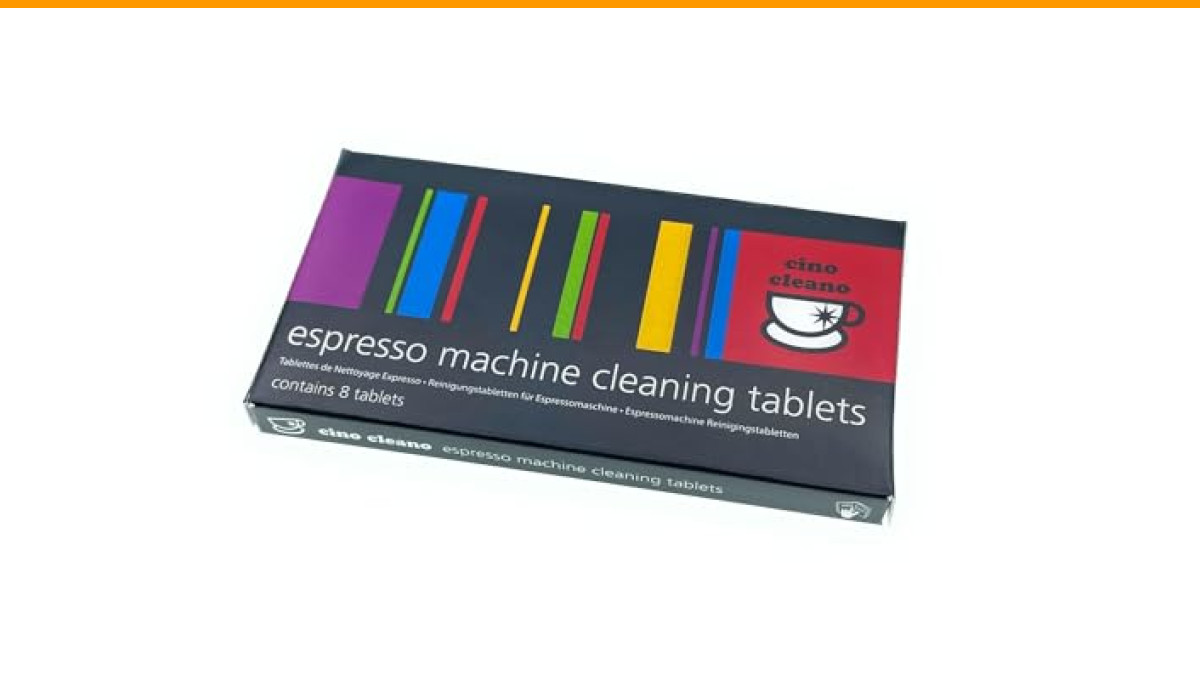
Cino Cleano
Cino Cleano Espresso Machine Cleaning Tablets (8…
- Listing is for 1 Packet which contains 8 tablets Suitable for use with all Breville Espresso machines
- Precision dissolution time to provide optimal cleaning performance
- All pharmaceutical and food grade ingredients
As an Amazon Associate I earn from qualifying purchases.
If you need a reliable option for your home setup, the Cino Cleano Espresso Machine Cleaning Tablets use a non-corrosive, food-grade formula designed to dissolve at a precise rate. It’s a solid choice for Breville, De’Longhi, and Sage machines, though the principles here apply to any tablet you buy.
The Short Answer: Yes, But Only If You Use Them Wrong
Cleaning tablets are safe when used as directed. They are not safe when you treat them like a soak-and-forget solution. The chemical reaction that breaks down coffee oils and residue needs to be flushed out. If you let that chemical soup sit in the group head, it will eventually attack the rubber seals and o-rings that keep your machine watertight.
Think of it like bleach. A diluted bleach solution is great for wiping down a counter. Leave a puddle of it on the counter overnight, and you’ll wake up to a discolored, damaged surface. The same logic applies to your espresso machine. The tablet is a chemical tool, and tools are only safe when you use them for the job they were designed for.
What Cleaning Tablets Actually Are (And Why They’re Safe)
Most espresso machine cleaning tablets, including brands like Cafiza and Urnex, use a blend of sodium percarbonate and a small amount of surfactant. Sodium percarbonate is a stable form of hydrogen peroxide. When it hits warm water, it releases oxygen. That oxygen bubbles through the coffee oils, breaking the bond between the oil and the metal of the group head.
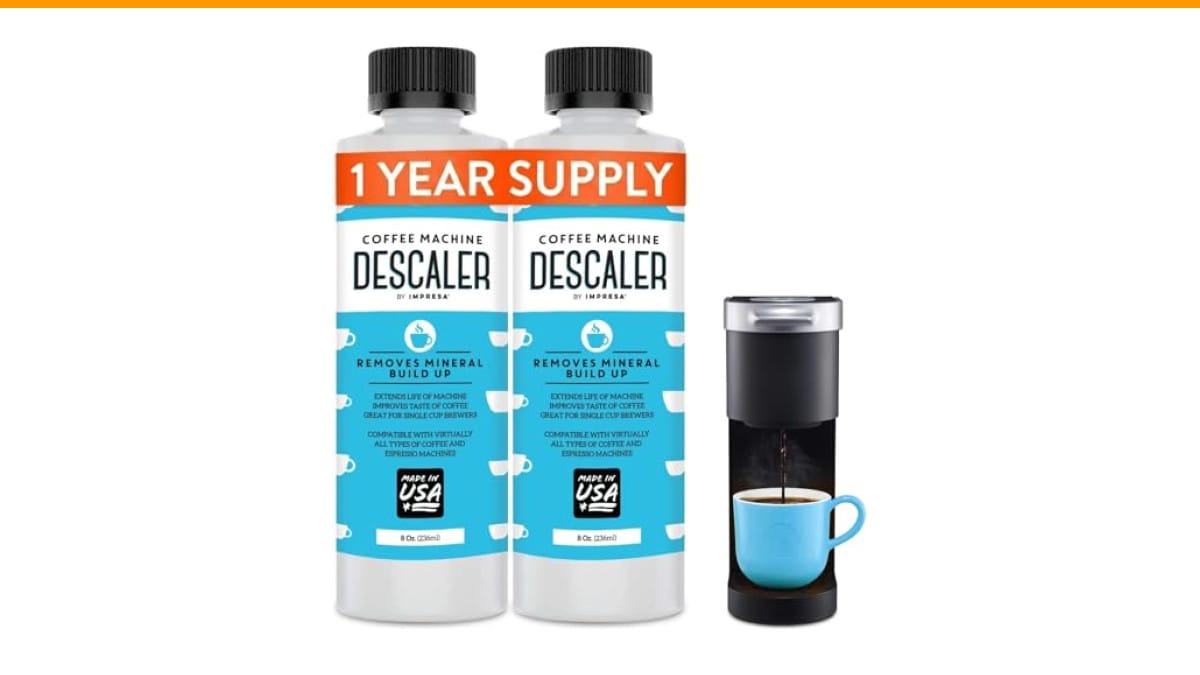
This is fundamentally different from descaling. Descaling agents, like citric acid or sulfamic acid, dissolve limescale. Cleaning tablets dissolve coffee residue. They are two completely separate jobs. Using a descaler when you need a cleaner (or vice versa) is a common mistake that leads to premature seal wear.
The key word for safety is non-corrosive. A good tablet is formulated to be safe on chrome, brass, and stainless steel. The metal parts of your machine will not be damaged by a proper cleaning cycle. The vulnerable parts are the non-metal ones: the rubber gaskets, the silicone o-rings, and the plastic dispersion screens.
The 4 Real Ways Tablets Damage a Machine (And How to Avoid Them)
Damage doesn’t happen by accident. It happens through specific, avoidable errors. Here are the four ways I’ve seen machines get hurt, backed by the mechanics of how they fail.
Overdosing and Chemical Residue
More is not better. If the instructions say one tablet, use one tablet. Dropping in two tablets because your machine is ‘really dirty’ creates a concentrated solution that is aggressively alkaline. That high pH level is what breaks down rubber.
The residue issue is just as bad. If you don’t run enough water through the group head afterward, that alkaline film stays on the seals. Every time you pull a shot, that film gets re-hydrated and continues to degrade the rubber. You’ll notice it when your portafilter starts to feel loose or you see water leaking around the edges.
Attacking Rubber Seals and O-Rings
This is the most common damage point. The group head gasket is a rubber ring that creates a seal between the portafilter and the machine. It is constantly exposed to heat, pressure, and coffee oils. A cleaning tablet solution, if left in contact for too long, accelerates the drying and cracking of that gasket.
The fix is simple: stick to the cycle time. Most machines run a cleaning cycle between 30 seconds and 2 minutes. That is enough time for the oxygen bubbles to do their work. It is not enough time to damage the seals. The moment the cycle ends, you need to remove the portafilter and rinse it thoroughly under running water.
Incomplete Rinsing Cycles
Your machine has a rinse function for a reason. After the cleaning cycle, you need to run at least two full tanks of fresh water through the group head to flush out all the chemical residue. If you skip this, you are leaving a film of cleaning agent inside the brew chamber.
That film doesn’t just taste bad. It’s a breeding ground for the next problem. The residue can bake onto the metal and o-rings during the next heat-up cycle, creating a crust that is harder to remove than the original coffee oil. A quick 10-second flush is not enough. Run a full blank shot cycle without the portafilter, then do it again.
Using the Wrong Tablet for Your Machine Type
Not all tablets are created equal. Tablets designed for commercial machines are often stronger and require a higher water flow rate to dissolve properly. If you use a commercial tablet in a home espresso machine, it may not dissolve fully. The undissolved granules can get stuck in the solenoid valve or the small jets in the group head.
Check the packaging. Tablets like the Cino Cleano tablets are explicitly formulated for domestic machines like Breville and De’Longhi. They have a precision dissolution time that matches the shorter cycle of a home machine. Using the correct tablet type is the first line of defense against mechanical blockages.
The Warranty Question: What Manufacturers Say
This is where people get nervous. The short answer is that using a cleaning tablet will not void your warranty, but damage caused by misuse will. There’s a big difference.
Breville’s warranty explicitly covers defects in materials and workmanship. It does not cover damage from chemical or abrasive cleaning agents that are not recommended in the manual. If you use a tablet, leave it overnight, and the o-rings fail, that repair is on you. If you follow the manual, you’re fine.
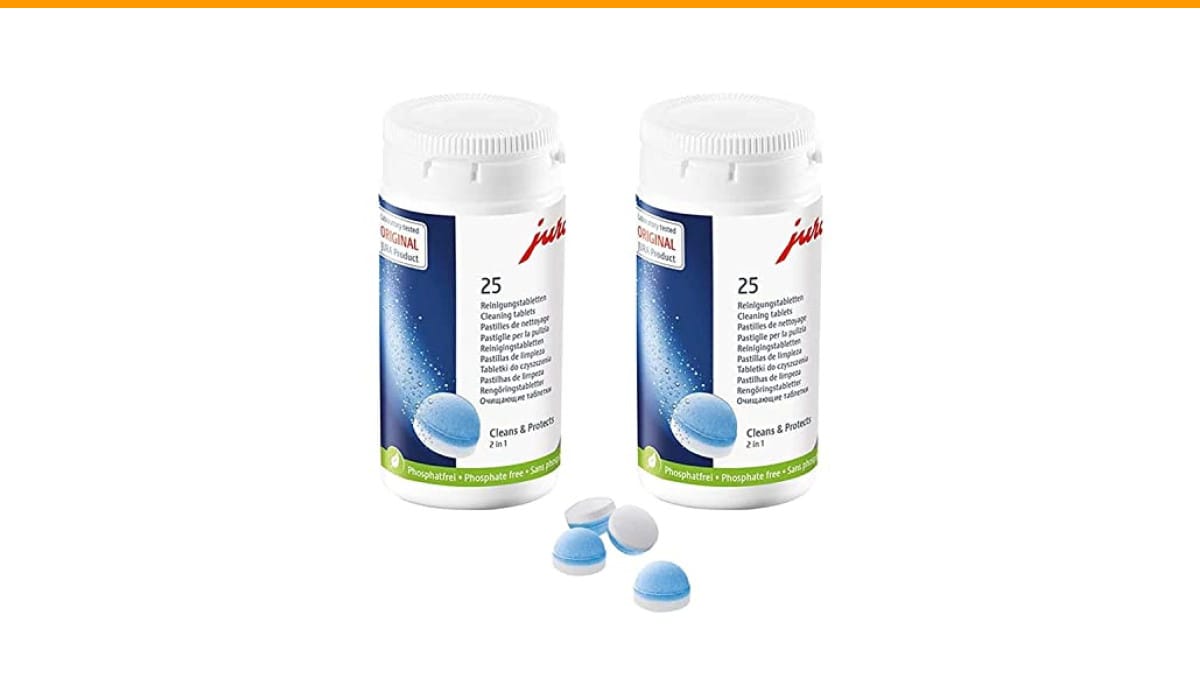
Jura takes a stricter line. They require the use of their own branded cleaning tablets to maintain the warranty. Using a third-party tablet can be grounds for a denied claim if the damage is traced back to the cleaning process. De’Longhi is more lenient, but they still recommend specific products and warn against using vinegar or citric acid in their machines.
The takeaway is simple: read the manual. If the manual specifies a cleaning schedule and a product type, follow it exactly. Keep a record of when you cleaned. If you ever need to make a claim, you can prove you maintained the machine correctly.
How to Clean Safely: A Step-by-Step Damage-Proof Routine
Here is the routine I use in testing that has never damaged a machine. It takes about 10 minutes total.
- Prep: Remove the portafilter and the basket. Rinse them under hot water to remove loose coffee grounds.
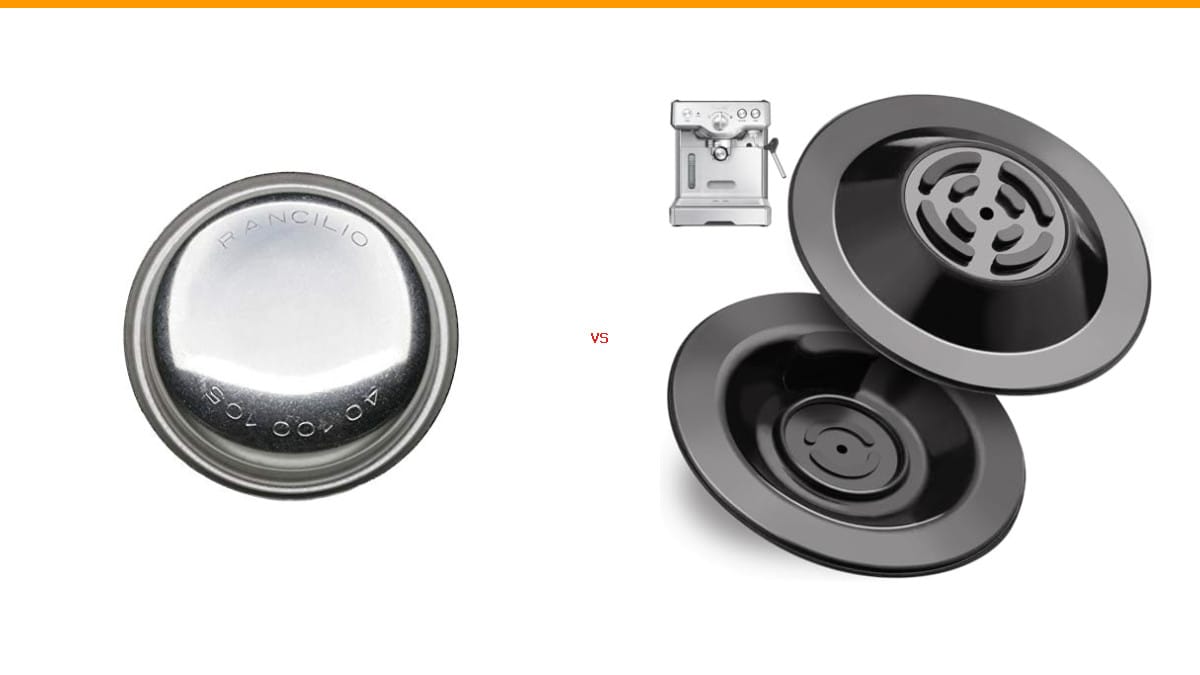
- Load: Insert the blind basket (the one with no holes). Drop in one tablet.
- Attach: Lock the portafilter into the group head.
- Run: Start the cleaning cycle. Most machines run this automatically. If yours doesn’t, run a manual shot for about 30 seconds, then stop.
- Soak: Let the solution sit for no more than 5 minutes. This is the maximum. I prefer 2 minutes.
- Flush: Remove the portafilter. Rinse it and the basket thoroughly under the tap.
- Rinse Cycle: Run at least 2 full blank shots (no portafilter) to flush the group head. Then run 1 more for good measure.
- Wipe: Wipe down the group head area and the drip tray with a damp cloth to remove any residual foam.
That’s it. The total contact time between the chemical and the rubber seals is under 10 minutes. That is not enough time to cause damage.
Signs Your Machine Has Been Damaged (And What to Do)
If you’ve been careless, the damage shows up in specific ways. Here’s what to look for.
- Water leaking around the portafilter: This is a classic sign of a worn group head gasket. The rubber has lost its flexibility.
- Gritty or bitter taste in shots: This could be residue from an incomplete rinse cycle. Run a few more flush cycles to see if it clears.
- Loud hissing or sputtering: This can indicate a blockage in the solenoid valve, often caused by undissolved tablet granules.
- Visible cracks on the o-rings: Inspect the rubber parts during your monthly maintenance. Cracks mean they need replacing immediately.
If you see these signs, stop using the machine. Order a replacement gasket or o-ring kit. They are cheap (usually under $20) and easy to replace on most home machines. If the damage is deeper, like a clogged valve, it might be time for a professional service. That costs more than a $10 pack of tablets, which is why prevention matters.
Alternatives That Are Gentler (But Less Effective)
You can clean without tablets. The most common alternative is a vinegar and water solution. It is gentler on seals, but it is also significantly less effective at breaking down coffee oil. You’ll need to scrub the group head manually to get the same results.
Another option is a dedicated liquid cleaner like Cafiza liquid. It is the same chemical as the tablet, just in liquid form. It dissolves faster, which is nice, but it’s easier to overdose with a liquid. Tablets are more foolproof because the dose is pre-measured.
The deep cleaning guide on this site covers the manual approach in detail. But for the stubborn oils that build up in the group head, tablets are the most effective home solution. I’ve tested both, and the tablet wins on convenience and consistency. The manual method takes three times as long and leaves the group head visibly less clean.
Comparing Your Cleaning Options
| Method | Cleaning Power | Risk to Seals | Time Required | Best For |
|---|---|---|---|---|
| Cleaning Tablets | High | Low (if rinsed) | ~10 minutes | Standard monthly maintenance |
| Liquid Cleaner | High | Medium (dose easily) | ~10 minutes | Users who prefer measuring |
| Vinegar Solution | Low | Very Low | ~30 minutes | Emergency descaling, not oil removal |
| Manual Scrubbing | Medium | Low | ~20 minutes | Between tablet cleanings |
Notice the trade-off. The stronger the chemical, the more you rely on the rinse cycle to protect the rubber. You can’t skip the rinse and expect the seals to survive.
Cost-Benefit: What a Mistake Actually Costs You
Let’s put numbers on this. A pack of cleaning tablets costs around $10 and lasts two months. A replacement group head gasket costs about $15 and takes 10 minutes to install. A full professional service, including replacing seals and descaling the boiler, runs between $100 and $200.
The math is obvious. Using tablets correctly costs you $5 a month. Using them incorrectly costs you a $150 repair bill and a week without your coffee machine. The risk is not the tablet. The risk is the skipped rinse cycle.
If you own an automatic machine, the stakes are higher. The brew unit in a super-automatic is a complex assembly of plastic gears and rubber parts. Regular maintenance is critical for these units. A strong chemical left in the brew unit can warp plastic parts, which are not covered under warranty if the damage is chemical-related.
Final Verdict: Risk vs. Reward
So, can espresso machine cleaning tablets damage a coffee machine? Yes, but only through user error. The chemical composition is safe for metal. The danger is exclusively in the contact time with rubber and plastic, and the failure to rinse.
I use tablets every month. I’ve never lost a seal to them. I’ve lost seals to machines that were left dirty for months, where the coffee oil itself degraded the rubber. The oil is more corrosive to seals than the cleaning tablet is, ironically.
The reward is a better tasting shot, a cleaner group head, and a machine that lasts years longer. The risk is a $15 gasket if you ignore the instructions. That is a bet I will take every time.
Will one tablet ruin my machine immediately?
No. A single cleaning cycle, even if you forget to rinse, will not destroy your machine. It will leave a film that might affect the taste of your next shot. The damage compounds over time. One bad cleaning is a warning. Ten bad cleanings is a repair bill.
Is it safe to use generic tablets instead of the brand my manufacturer recommends?
Generally, yes, if the tablet is designed for home espresso machines. The active ingredient is the same across most brands. The risk is using a commercial-grade tablet in a home machine. Check the label for your machine type. If it says Breville or De’Longhi compatible, it’s safe.
How often should I actually clean with tablets?
It depends on how much coffee you brew. For a home user pulling 2-4 shots a day, once a month is sufficient. If you pull 6 or more shots daily, move to every two weeks. The group head will tell you. If the portafilter is hard to lock in, that’s oil buildup, and it’s time to clean.
Can I use a cleaning tablet and a descaler on the same day?
You can, but you shouldn’t. They are different chemicals that work on different problems. If you do both, run a full cleaning cycle with tablets, then a full descaling cycle, and then flush the machine with two full tanks of water. Doing them back-to-back without a rinse in between can create a chemical reaction that is harsh on the seals.
What should I do if I accidentally left the cleaning solution in the machine overnight?
Do not panic. Immediately run the cleaning cycle again with a fresh tablet, then flush with at least three full tanks of water. This dilutes and neutralizes the residue. Then inspect the group head gasket for any signs of cracking. If it looks swollen or brittle, replace it before your next shot. It’s a cheap fix.
What to Remember Before Your Next Cleaning
- Use one tablet per cycle. Never double up.
- Keep the contact time under 5 minutes. Set a timer.
- Always run at least 2 blank rinse cycles afterward. This is non-negotiable.
- Inspect your group head gasket monthly for cracks or stiffness.
- Match the tablet type to your machine. Home tablets for home machines.
- Read your manual’s cleaning section. Follow it over any advice you read online.
- Track your cleaning schedule. A small calendar note prevents both over-cleaning and neglect.
Products related to this article
Sponsored / affiliate links. As an Amazon Associate I earn from qualifying purchases. I may earn additional commission from eligible campaigns.
 Coffee Espresso Machine Handle Replacement Parts, Cafe Bracket Handle for Lidl Silvercrest CM4621 CM4218 KF5002 KF500S Barista (for 51mm Portafilter Basket - Not included)
 Linnkyfloa Coffee Espresso Maker Handle Replacement for Stovetop Moka Pot or Percolator, Black Plastic for Spare Part Compatible with Italian(9-12 Cup)
 Commercial Meat Cutting Machine Stainless Steel Meat Cutter With Casters And Detachable 4.5mm Stainless Steel Cutting Blades 110V 750W 400KG/H for Institutional Kitchens Meat Retailers And Wholesalers