You just bought a compact drip machine for your apartment or office. The first pot tastes flat, and after a month you notice white crust building up inside the reservoir. That’s not a defective unit. That’s your tap water doing a number on a small brewer.
Most people treat water as an afterthought. They obsess over beans, grind size, and brew ratios, then pour in whatever comes out of the faucet. For small coffee makers, that’s a mistake. The heating element and internal tubing are packed into a tight chassis, which means mineral buildup hits them harder and faster than in a full-size machine. This article covers whether filtered water is worth it, which filters actually help, and how to keep a compact brewer alive for years instead of months.

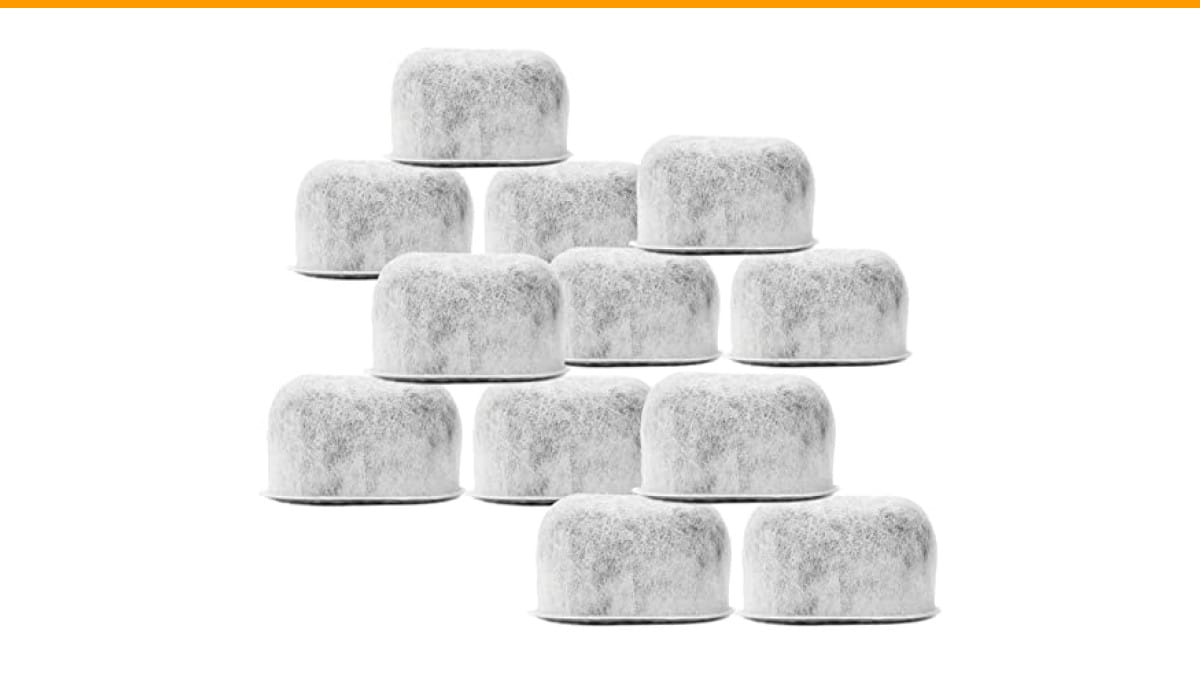
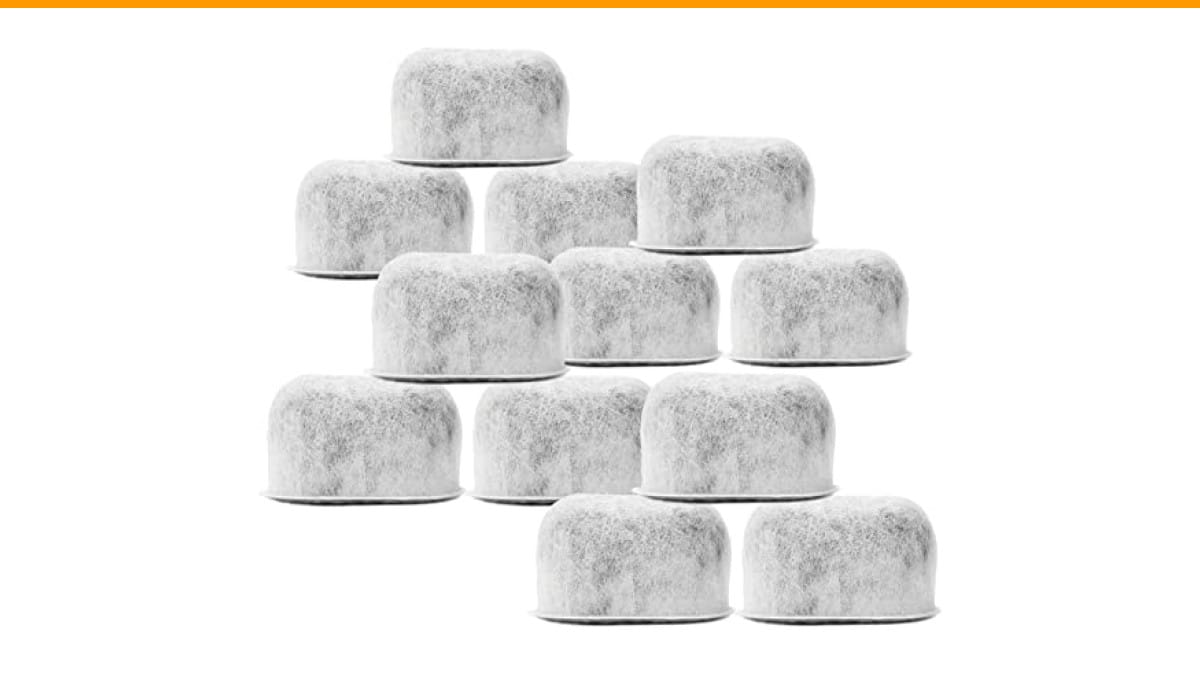
BRENSTEN
12 Pack Replacement Charcoal Water Filters for…
- ENJOY THE DELICIOUS TASTE AND AROMA OF BREWED COFFEE - Removes chlorine, odors, calcium, and other water impurities prior to brewi…
- COMPATIBLE WITH CUISINART COFFEE MAKERS – Specially designed for Cuisinart coffeemakers, these set of charcoal filter refills will…
- EASY TO INSTALL – Not only will these filters provide a less expensive way for you to enjoy delicious coffee, but they are also ve…
As an Amazon Associate I earn from qualifying purchases.
You’ll walk away knowing exactly what to pour into your reservoir, what to avoid, and how to test your water at home without buying any fancy equipment.
If you do run a Cuisinart brewer, a simple upgrade is swapping in a BRENSTEN charcoal water filter. It drops into the existing filter basket and removes chlorine and odors before brewing starts. It’s a cheap way to protect the machine’s internals while improving cup quality.
Why Water Quality Matters More in Small Coffee Makers
Small brewers have a design constraint that larger machines don’t: everything is closer together. The heating element sits right below the reservoir, and the water line from the tank to the showerhead is short. That means water passes over hot metal surfaces quickly, and any dissolved minerals get left behind as scale.
Scale is a terrible insulator. A thin layer of calcium carbonate on the heating element forces the machine to work harder to reach brewing temperature. The element runs hotter, the thermal fuse gets stressed, and eventually the brewer stops heating altogether. In a 12-cup machine, that process takes a few years. In a 4-cup compact model, it can happen in under 12 months with hard water.
There’s also the flavor angle. Chlorine and chloramine, which municipal water plants use for disinfection, don’t boil off completely at brewing temperatures. They linger in the cup and mute the nuanced flavors in your beans. A paper filter catches grounds, not dissolved chemicals.
The 3 Core Benefits of Using Filtered Water
Better Flavor Extraction
Coffee is about 98% water. If your water tastes like a swimming pool, your coffee will too. Activated carbon filters remove chlorine, which is the biggest flavor offender in most municipal supplies.
Filtered water also has a more neutral pH. That lets the coffee acids come through brighter. In testing, I’ve brewed the same beans side by side with tap water and filtered water. The filtered batch had more sweetness and a cleaner finish. The tap batch tasted flat and slightly bitter, even though the grind and brew time were identical.
Preventing Scale in Tight Spaces
Scale buildup in a small brewer is a death sentence. The internal water tube in a compact machine can be as narrow as a few millimeters. A layer of limescale narrows it further, which slows the brew cycle and makes the pump work harder.
Filtered water isn’t the same as softened water, and that distinction matters. More on that in a moment. But for scale prevention, a good carbon filter with ion-exchange resin will reduce the calcium and magnesium that form scale. It won’t remove all of it, but it cuts the load significantly.
Protecting the Heating Element
The heating element is the most expensive part of a small coffee maker. Replacing it usually costs more than buying a new machine. Filtered water reduces the thermal stress on that element by preventing scale from acting as an insulator.
Think of it as cheap insurance. A $15 filter pitcher or a $10 pack of replacement filters costs a fraction of what you’ll spend on a new brewer every 18 months if you feed it hard tap water.
Filtered vs. Distilled vs. Softened: What’s the Difference?
People use these terms interchangeably, and it drives me nuts. They are not the same thing, and two of them are bad for your coffee maker.
- Filtered water: Passed through activated carbon or a similar medium to remove chlorine, sediment, and some organic compounds. It keeps beneficial minerals like magnesium and calcium, which are essential for coffee extraction. This is what you want.
- Distilled water: Boiled and condensed into pure H2O with almost no minerals. It brews terrible coffee because extraction relies on minerals to pull flavor out of the grounds. Distilled water also tastes flat, and it can leach metals from the boiler over time.
- Softened water: Passed through a sodium-based ion-exchange system. It replaces calcium and magnesium with sodium. The water won’t scale, but it makes coffee taste salty and dull. High sodium levels also damage the flavor profile of specialty beans.
So when someone says ‘use filtered water,’ they mean carbon-filtered, not distilled and not softened. If you have a whole-house water softener, your coffee maker still needs a carbon filter on the incoming line or a pitcher filter before you fill the reservoir.
How to Test Your Tap Water Hardness at Home
Before you spend money on a filter, figure out if you actually need one. Hard water isn’t universal. Some cities have soft, low-mineral water that’s fine for brewing.
Here’s the simplest test: fill a clean glass bottle with tap water, add a few drops of pure dish soap, and shake it for 10 seconds. If you get a thick, fluffy layer of suds, your water is soft. If the water turns cloudy and the suds are thin, you have hard water. The calcium in hard water reacts with the soap and prevents it from lathering.
For a more precise measurement, you can buy a TDS (total dissolved solids) meter for around $15. A reading under 150 ppm is generally fine for coffee. Between 150 and 300 ppm, you’ll see scale buildup over time. Above 300 ppm, you absolutely need filtration or you’ll be descaling every few weeks.
Another option: check your local water utility’s annual quality report. It lists hardness levels by zip code. That takes five minutes and costs nothing.
The Cost-Benefit: Filter Pitcher vs. Descaling Chemicals
Let’s do the math. A basic descaling solution costs about $8 per bottle, and you’ll use one every 1-2 months if you have hard water. That’s $48 to $96 per year. A water filter pitcher costs $20-30 upfront, and replacement filters run about $10-15 per month. That’s $120-180 per year.
Wait, the pitcher costs more? Yes, on paper. But the pitcher also improves taste, which descaling doesn’t. And a descaling cycle only cleans the scale that’s already formed. It doesn’t prevent new scale from building up. You still have to descale, just less frequently.
Here’s the real comparison: a small coffee maker costs $30-60. If filtered water extends its life from 12 months to 36 months, you’re saving $60-120 over that period. The pitcher pays for itself in the second year. And you get better coffee the entire time.
If you’re on a tight budget, use the charcoal filters designed for your specific machine. They cost less than a pitcher and still remove chlorine and sediment. They won’t soften water, but they handle the most common flavor issues.
| Method | Upfront Cost | Ongoing Cost | Removes Chlorine | Prevents Scale | Improves Taste |
|---|---|---|---|---|---|
| Tap water + descaling | $0 | $8-12 per month | No | No (only cleans after) | No |
| Carbon filter pitcher | $20-30 | $10-15 per month | Yes | Partially | Yes |
| Machine-specific charcoal filter | $10-15 | $5-8 per month | Yes | Minimal | Yes |
| Distilled water | $1 per gallon | $1-2 per brew | Yes | Yes | No (tastes flat) |
| Reverse osmosis system | $150-300 | $20 per year | Yes | Yes | Yes (with remineralizer) |
For most home users with a small brewer, a filter pitcher or machine-specific carbon filters are the sweet spot. Reverse osmosis is overkill unless you already have one for drinking water.
Step-by-Step Guide to Using Filtered Water
Choosing the Right Filter Type
Match the filter to your water problem. If your tap water smells like chlorine, any activated carbon filter fixes it. If you have hard water, look for a pitcher with ion-exchange resin, like the ones from Brita or Pur. If you have a Cuisinart or Braun machine, check if it has a built-in filter basket. Many do, and they accept small charcoal discs.
Don’t buy a reverse osmosis system just for your coffee maker. It’s expensive, wastes water, and strips out the minerals that make coffee taste good. Unless your tap water is genuinely unsafe to drink, RO is overkill.
Maintenance and Replacement Schedule
Carbon filters stop working after about 30 days, even if they still look clean. The activated carbon becomes saturated with chlorine and organics, and it stops adsorbing. Mark your calendar or set a reminder on your phone.
Pitcher filters typically last 40 gallons, which is about 60-70 pots of coffee. If you brew daily, that’s roughly two months. Replace them on schedule, not when the water starts tasting funny.
Also, clean your reservoir monthly. Even with filtered water, a thin biofilm can form in the corners. Wipe it out with a soft cloth and mild soap. Rinse thoroughly.
Common Myths About Water and Coffee Makers
Myth 1: Boiling water removes hardness. It concentrates it. When you boil water, some water evaporates, leaving the minerals behind. The remaining water has a higher mineral concentration, which makes scale worse.
Myth 2: Bottled spring water is always better than tap. Some spring waters have high mineral content that scales out just like hard tap water. Check the label for TDS or hardness. If it’s above 200 ppm, you’re better off with filtered tap water.
Myth 3: You need to descale less often if you use filtered water. You descale less often, but you still need to do it. Filtered water reduces mineral load, it doesn’t eliminate it. Plan on descaling every 3-4 months with filtered water, versus every 1-2 months with hard tap water.
Myth 4: A more expensive filter is always better. Not true. A $40 pitcher and a $15 pitcher both use activated carbon. The expensive one might have a better flow rate or a longer filter life, but the chemistry is the same. Match the filter to your water quality, not your budget.
FAQs
Can I use Brita-filtered water in my coffee maker?
Yes. A Brita pitcher removes chlorine and reduces some minerals. It’s a solid choice for most tap water. Just replace the filter every 40 gallons to keep it effective.
Is distilled water bad for coffee makers?
Yes. Distilled water has no minerals, so it extracts less flavor from the grounds. It also tastes flat and can corrode metal components over time. Don’t use it for brewing.
How often should I descale a small coffee maker?
With filtered water, every 3-4 months. With hard tap water, every 4-6 weeks. If you notice a slower brew cycle or a burning smell, descale immediately.
Will filtered water make my coffee taste noticeably different?
If your tap water has chlorine, yes. The difference is obvious. If your tap water is already soft and clean, the change is subtle. You’ll mainly notice a longer machine lifespan.
Can I use water from a refrigerator dispenser?
Usually, yes. Most fridge dispensers use a carbon filter that removes chlorine. Check if the filter is old. A spent fridge filter is worse than no filter because it can harbor bacteria.
Final Verdict: Is It Worth It?
Filtered water is the cheapest upgrade you can make to a small coffee maker. It protects the heating element, reduces descaling frequency, and often improves the cup. The cost is modest, and the payoff is a machine that lasts two to three times longer.
- Use carbon-filtered water, not distilled or softened.
- Test your tap water hardness before buying anything.
- A filter pitcher works for most homes; machine-specific charcoal filters are a cheaper alternative.
- Replace carbon filters every 30 days, pitcher filters every 40 gallons.
- Descale every 3-4 months even with filtered water.
- Clean the reservoir monthly to prevent biofilm.
- Skip reverse osmosis unless you already have it for other reasons.
If your brewer is acting up and you’ve been using hard tap water, check out our guide on Braun coffee maker issues or the troubleshooting tips for Mr. Coffee pump problems before you replace the unit. And if you’re wondering about cleaning schedules, that article covers the full maintenance routine.
Products related to this article
Sponsored / affiliate links. As an Amazon Associate I earn from qualifying purchases. I may earn additional commission from eligible campaigns.
 HomeBeyond Espresso Coffee Maker 12 Cups, Classic Stovetop Espresso Maker, 600ml / 20oz Coffeemaker for Gas & Ceramic Stovetops (Silver)
 Linnkyfloa Coffee Espresso Maker Handle Replacement for Stovetop Moka Pot or Percolator, Black Plastic for Spare Part Compatible with Italian(9-12 Cup)
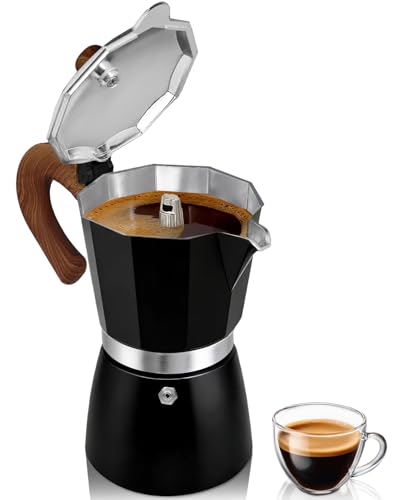 Belly Moka Coffee Maker Stovetop Espresso Maker 9 Cup Aluminum Moka Pot Percolator 15oz 450ml Easy Brewing for Electric Ceramic Stoves Home Camping Italian Cuban Café Classic Black