You pull a shot at 6 a.m., and the machine sputters, drips, or worse—stays silent. The portafilter leaks around the edges, the steam wand barely hisses, or the shot runs through in eight seconds flat. If you’ve owned an espresso machine for more than a few months, you’ve met at least one of these gremlins. The good news? Most of them have simple fixes you can do at home with basic tools and a little patience.
This guide teaches you to think like a technician. Instead of a random list of symptoms, you’ll learn a diagnostic order: check the cheapest, most likely cause first, then work up to the expensive or dangerous ones. You’ll also know when to stop and call a pro—because some repairs aren’t worth the risk or the money. By the end, you’ll have a clear plan for fixing the most common home espresso machine problems and fixes, plus a maintenance schedule that prevents most of them from coming back.

Rancilio
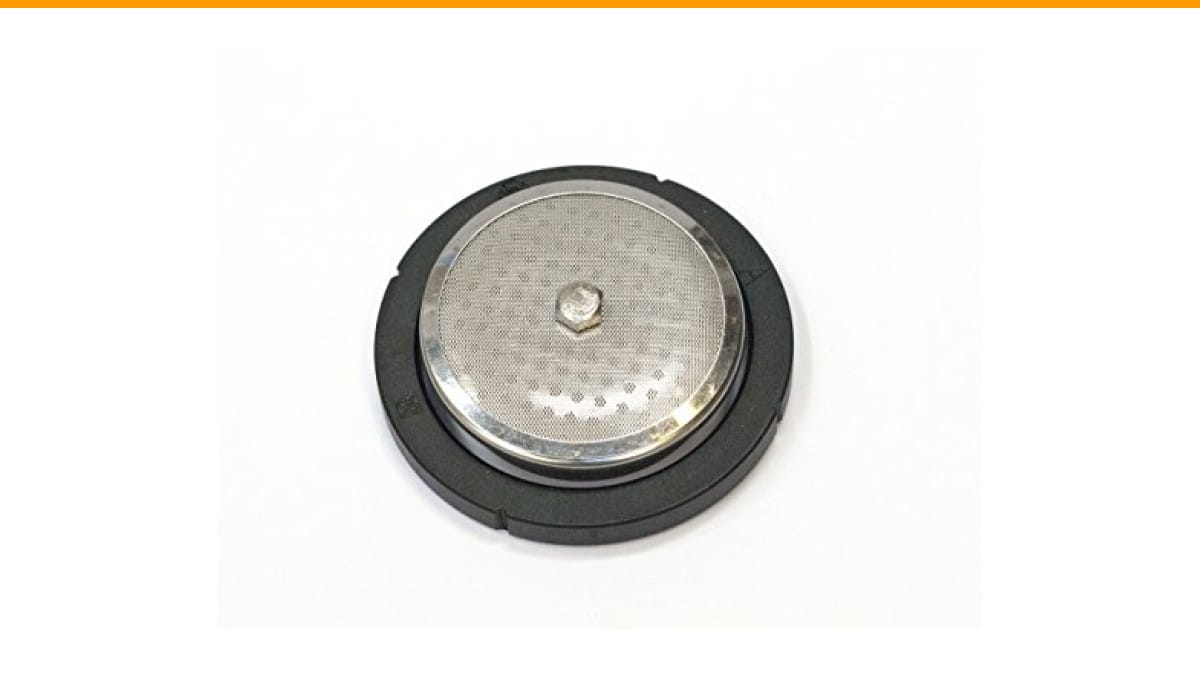
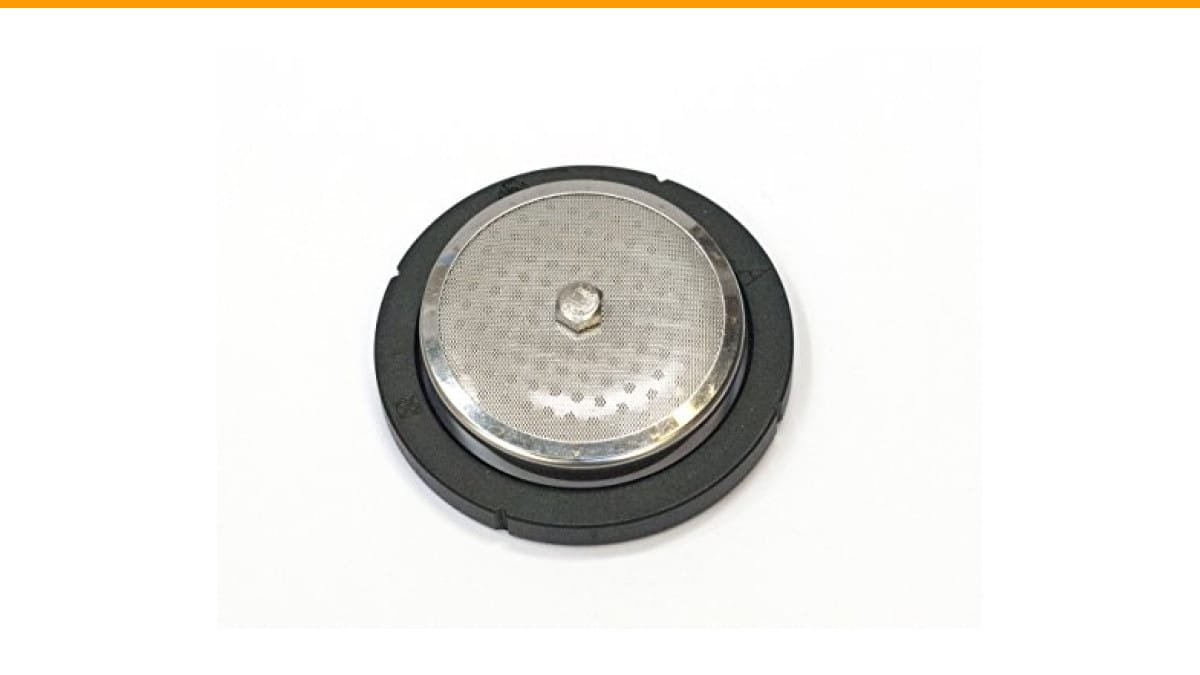
Rancilio Silvia Espresso Machine Repair Kit.
- This OEM repair kit can help you to fix some of the most common Rancilio Silvia problems.
- Water leaking around the portafilter: Usually the grouphead gasket needs to be replaced.
- Flow or no flow of water from grouphead. Your screen is probably clogged and needs to be replaced.
As an Amazon Associate I earn from qualifying purchases.
If you own a Rancilio Silvia, a Rancilio Silvia Espresso Machine Repair Kit is a smart first purchase. It includes the OEM grouphead gasket and shower screen—the two parts that fix the most frequent leaks and flow issues on that model. Keep it in a drawer; you’ll likely need it within the first year.
The 3-Minute Diagnostic: Start Here
Before you take anything apart, answer three questions. They’ll point you to the right fix in minutes.
- What exactly is the symptom? Is it no water, weak flow, leaking, weird taste, or no heat? Write it down.
- When did it start? After descaling? After a move? After a new bag of beans? Timing often reveals the cause.
- What have you changed recently? New grind size, new machine settings, or a new water source? A change in variable is often the culprit.
This simple triage saves you from replacing a pump when you just need to clean the shower screen. Most issues fall into one of six categories, covered below.
Problem 1: No Water or Weak Flow from the Group Head
This is the most common complaint. The machine turns on, the pump runs, but water barely trickles out—or nothing comes out at all.
Check the water tank and inlet
First, lift the water tank and look at the bottom. Is the inlet valve stuck? Sometimes a grain of coffee or a bit of scale blocks it. Remove the tank, rinse it, and check the rubber grommet on the machine’s inlet tube. If it’s clogged, clean it with a toothpick.
Also, make sure the tank is seated properly. A misaligned tank can cause an airlock or no water flow at all.
Clear airlocks after a dry tank
Ran the tank dry? You’ve probably introduced an airlock—a pocket of air trapped in the pump. The pump whines but can’t push water. To fix it, turn off the machine, remove the tank, and fill it. Then run water through the steam wand for 30 seconds. That usually purges the air. If not, you may need to prime the pump manually (check your manual for the exact procedure).
Clean the shower screen and basket
If water flows but only from one side, or it drips unevenly, the shower screen is likely clogged with coffee oils and grounds. Remove the screen (usually a single screw) and soak it in a solution of warm water and espresso cleaner for 10 minutes. Scrub it with a soft brush, rinse, and reinstall. The basket also gets clogged—especially if you use a fine grind. A quick soak in cleaner works wonders.
If you have a Rancilio Silvia, the repair kit mentioned earlier includes a new shower screen, which is a direct swap.
Problem 2: Espresso Runs Too Fast or Too Slow
Your shot should take 25–30 seconds from the moment you hit the brew button to reach 1:2 ratio (e.g., 18g in, 36g out). If it runs through in 10 seconds, or takes 60 seconds and drips, something is off.
Fix grind size and dose first
Grind size is the #1 cause of fast or slow shots. Too coarse = fast, under-extracted shots. Too fine = slow, over-extracted shots. Adjust one step at a time. Also check your dose: if you’re under-filling the basket, water flows too fast; over-filling causes channeling and slow flow. Use a scale for consistency—eyeballing doesn’t cut it.
Check for channeling and stale beans
Channeling happens when water finds a path through the puck instead of extracting evenly. It often shows as a sputtering, uneven flow. Fix it by improving your distribution: use a distribution tool or tap the portafilter to level the grounds before tamping. Also, stale beans (more than 3 weeks past roast) won’t hold up—they produce weak, fast shots. Fresh beans are an easy fix.
Inspect pump pressure
If grind and dose are correct but the shot still runs oddly, your pump pressure might be off. Most machines should run at 9 bars. You can test with a pressure gauge attached to the portafilter (available at most espresso supply stores). If it’s below 8 or above 10, adjust the OPV (over-pressure valve) on many models—or take it to a tech if you’re not comfortable.
Problem 3: Sour or Bitter Shots
This is a taste issue, but it’s also a diagnostic one. Sour and bitter are opposite ends of the extraction spectrum. Knowing which one you have tells you what to fix.
Under-extraction vs. over-extraction signs
Sour shots (under-extracted) taste sharp, acidic, and thin. They’re usually caused by water moving too fast, too low a temperature, or too little coffee. Bitter shots (over-extracted) taste harsh, dry, and ashy. They come from water moving too slow, too high a temperature, or too much coffee.
If you’re not sure which one you have, taste the shot right after brewing and then again after it cools. Sourness becomes more obvious as it cools; bitterness stays harsh.
Temperature and brew ratio adjustments
Brew temperature matters more than most home users think. If your shots are sour, the water is likely too cool—try a hotter temperature setting or flush the group head with hot water before pulling a shot. If bitter, try a cooler temperature. Also check your brew ratio: a 1:2 ratio is a good starting point, but some beans prefer 1:2.5 or 1:1.5. Adjust the ratio before you change anything else—it’s the easiest lever to pull.
For a deeper dive into taste issues, see our guide on why espresso tastes burnt—it covers similar ground with more detail.
Problem 4: Steam Wand Issues
Weak steam, no steam, or a wand that spits water? Steam problems are common, but they’re usually easy to fix.
Purge condensation and clean the tip
Before steaming, always purge the wand for 2–3 seconds to clear out water that condensed inside. If the wand spits water during steaming, you didn’t purge long enough. Also, milk residue builds up inside the tip and clogs the tiny holes. Soak the tip in hot water with a bit of cleaner, and use a pin to clear any blocked holes.
Descale for weak steam
If steam pressure is weak even after cleaning, scale buildup inside the boiler is the likely culprit. Scale acts as an insulator, reducing heat transfer and restricting steam flow. A descaling cycle (using a proper espresso machine descaler, not vinegar) can restore performance. Follow your machine’s instructions, and be prepared to run several cycles if it’s been a while. For a full guide, check our descaling guide.
Problem 5: Leaks (Portafilter, Drip Tray, Under Machine)
Leaks are annoying and can damage your countertop. They’re also the easiest to diagnose if you know where to look.
Replace gaskets and check alignment
A leak around the portafilter during brewing almost always means a worn or hardened grouphead gasket. That’s the rubber ring inside the group head that seals the portafilter. Over time, it loses flexibility, especially if you leave the portafilter locked in when not in use. Replacing it takes 5 minutes: pry out the old gasket, press in the new one, and you’re done. The Rancilio repair kit includes this gasket, and it’s a common size for many machines.
Also check that the portafilter is fully locked in—it should be perpendicular to the machine when tight. If it’s loose, the gasket may be worn, or the portafilter ears might be damaged.
When a leak means a bigger problem
Leaks under the machine or from the drip tray that appear without brewing could be a cracked boiler, a failed solenoid valve, or a loose hose connection. These are more serious. If you see water pooling under the machine, unplug it immediately and don’t use it until a technician has looked at it. Water and electricity don’t mix.
For more on leak troubleshooting, see our article on automatic espresso machine leaking water.
Problem 6: No Heat, Error Codes, or Won’t Turn On
When the machine won’t heat or won’t power up, it’s tempting to panic. But often the fix is simple.
Read the manual for codes
Modern machines have error codes. A blinking light pattern or a specific code on the display usually points to a specific issue—like a water tank sensor, a boiler temperature issue, or a pump failure. Look up the code in your manual before you take anything apart. For example, on many Breville machines, a flashing light means the water tank isn’t seated or the machine needs descaling. For Nespresso-specific issues, see our Nespresso flashing lights guide.
Safety: When to call a technician
If the machine won’t heat and it’s not a simple reset (unplug for 10 minutes, plug back in), stop. Boiler thermostats, heating elements, and wiring are not DIY-friendly unless you’re experienced. Opening a machine that’s been plugged in can expose you to lethal voltages, and a boiler under pressure can cause serious burns. If you smell burning plastic or see smoke, unplug it immediately and call a pro. Don’t risk it.
Prevention: A Maintenance Calendar Based on Water Hardness
Most problems above are caused by scale or neglect. A simple schedule prevents them. The frequency depends on your water hardness—harder water means more scale.
Test your water hardness with a simple test strip (available at any hardware store or online). Here’s a table to guide your maintenance:
| Task | Soft Water (0–60 ppm) | Medium (60–120 ppm) | Hard (120+ ppm) |
|---|---|---|---|
| Backflush with water | Weekly | Weekly | Weekly |
| Backflush with cleaner | Monthly | Monthly | Bi-weekly |
| Descale | Every 6 months | Every 3 months | Monthly |
| Replace grouphead gasket | Yearly | Yearly | Every 6 months |
| Clean shower screen | Monthly | Monthly | Bi-weekly |
If you have hard water, consider using filtered or bottled water with low mineral content. It’s cheaper than replacing a boiler.
Cost-Benefit: Repair or Replace?
Not every fix is worth doing. Here’s a quick way to decide:
- Fix it yourself if: The part costs less than 20% of the machine’s value, and the repair takes under an hour. Gaskets, screens, and steam wand tips fall here.
- Call a tech if: The repair involves the boiler, pump, or wiring, and your machine is worth more than $500. Labor will run $100–$200, which is often worth it for a high-end machine.
- Replace the machine if: The repair estimate exceeds 50% of a new machine’s cost, or if the machine is more than 8 years old and has recurring issues. A $300 repair on a $600 machine that’s already had two repairs is a losing bet.
For example, a new pump costs $50–$80, but installing it takes 2 hours of labor. If you’re not handy, that’s $200 total. A new entry-level machine costs $300–$400. In that case, replacement might make more sense—unless the machine has sentimental value or is a high-end model.
FAQs
Why does my espresso machine leak around the portafilter?
The grouphead gasket is worn or hardened. Replace it—it’s a $10 part and a 5-minute fix. Check the portafilter ears for damage too.
How often should I descale my espresso machine?
It depends on water hardness. For medium hardness (60–120 ppm), descale every 3 months. For hard water, do it monthly. Use a proper descaler, not vinegar, which can damage seals.
Why is my espresso sour no matter what I do?
Sourness usually means under-extraction. Try a finer grind, a higher dose, or a longer brew time. Also check your water temperature—if it’s below 195°F, your shot will be sour.
Can I fix a steam wand that won’t produce steam?
Often, yes. Clean the tip and purge the wand to clear blockages. If steam is still weak, descale the boiler. If that doesn’t help, the thermostat or heating element may be faulty—call a tech.
Is it safe to open my espresso machine to fix it myself?
Only if you unplug it and know what you’re doing. The boiler can hold pressure and hot water even after unplugging. If you’re not comfortable, hire a professional. Safety first.
What to Do Next (The Skimmer’s Guide)
- Diagnose before you repair: identify the symptom, when it started, and what changed.
- Most flow and leak issues are fixed by cleaning the shower screen or replacing the grouphead gasket.
- Fast or slow shots are almost always a grind or dose issue—adjust those before touching the pump.
- Sour shots need more extraction; bitter shots need less. Adjust grind, ratio, or temperature.
- Steam problems usually clear up with a purge, a tip clean, or a descale.
- Never open a machine that’s plugged in or has a hot boiler—call a pro for electrical or boiler issues.
- Set a maintenance schedule based on your water hardness, and stick to it.
With these fixes, you’ll save money, avoid frustration, and get back to pulling great shots. If you run into a specific issue not covered here, leave a comment or check our other troubleshooting guides for your machine type.
Products related to this article
Sponsored / affiliate links. As an Amazon Associate I earn from qualifying purchases. I may earn additional commission from eligible campaigns.
 Coffee Espresso Machine Handle Replacement Parts, Cafe Bracket Handle for Lidl Silvercrest CM4621 CM4218 KF5002 KF500S Barista (for 51mm Portafilter Basket - Not included)
 Linnkyfloa Coffee Espresso Maker Handle Replacement for Stovetop Moka Pot or Percolator, Black Plastic for Spare Part Compatible with Italian(9-12 Cup)
 Coffee Mug Warmer, Electric Beverage Heating Plate, Thermostat Coaster Candle Wax Cup Warmer for Hot Coffee Tea Espresso Milk (Green)