You pull a shot and it dribbles out like cold honey. Or worse, it sprays everywhere and tastes like battery acid. The machine looks fine, the water tank is full, but something is off. Most people panic and assume the pump died or the boiler cracked. In my experience testing these machines, the issue is usually simpler than you think.
This guide is a symptom checker for the most common semi automatic espresso machine problems and fixes. You will find a fast diagnostic path, honest time and cost estimates for each repair, and a clear line between what you can fix in ten minutes and what needs a technician. No fluff, no generic advice.

Tillbrook
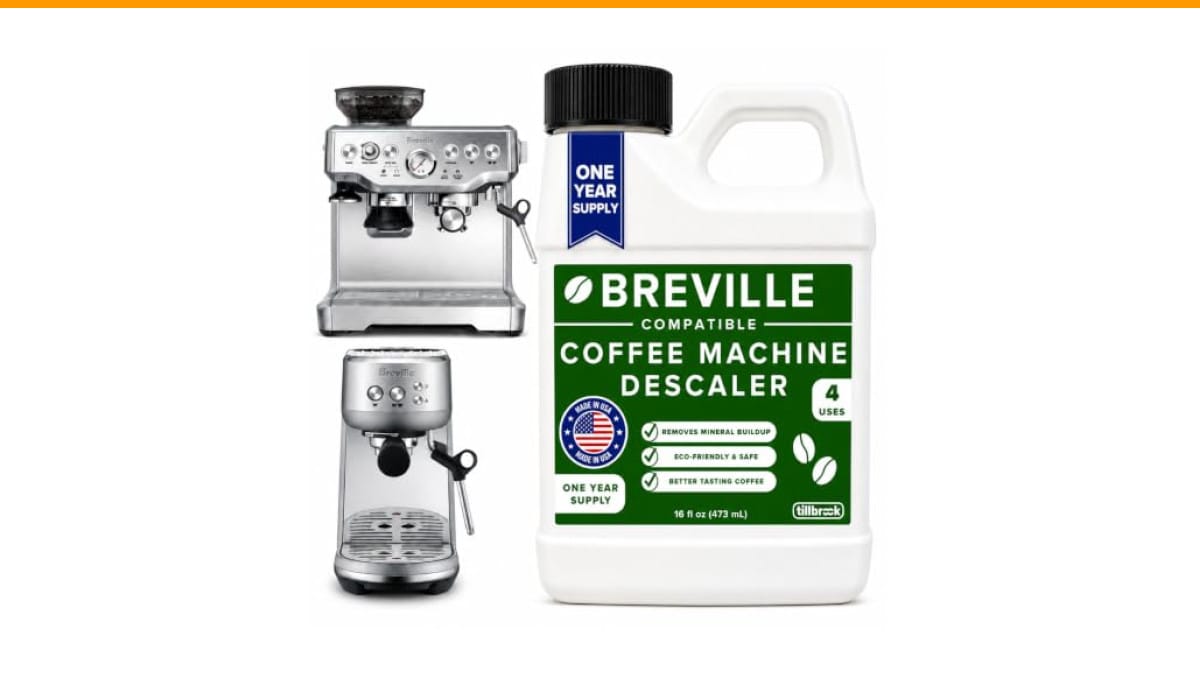
Breville Espresso Machine Compatible Descaler, 4 Uses,…
- EXCEPTIONAL RESULTS: Introducing Tillbrook Coffee Machine Descaler specifically formulated for Breville—the best choice for removi…
- 1 YEAR SUPPLY: Our concentrated formula is easy to use and provides remarkable value with 4 cleanings per bottle. Simply add 1/2 c…
- SCIENTIFICALLY ENGINEERED: Our advanced descaling solution is carefully crafted with powerful, all-natural ingredients that remove…
As an Amazon Associate I earn from qualifying purchases.
Before you start pulling things apart, grab a descaling solution. Scale buildup is the root cause of nearly every heating and flow problem I see. A bottle like this Tillbrook descaler for Breville machines handles four cleanings, which is a full year if you descale every three months like you should. It works on other brands too, but it is specifically formulated for Breville units.
The 3-Minute Diagnostic: Identify Your Problem Fast
Stop guessing. Work through this checklist in order. It separates a machine defect from user error and maintenance neglect.
- Is the pump running? Listen. If you hear a humming motor but no water, that is an airlock or a clogged inlet. If you hear nothing, check the power and the microswitch on the brew lever.
- Does water come out of the steam wand? If yes, the pump and boiler are fine. The problem is isolated to the group head or the brew path. If no, the issue is upstream.
- What does the shot taste like? Sour means under-extracted. Bitter means over-extracted. Weak means your grind is too coarse or your basket is under-dosed.
- Is anything leaking? Trace the water. Portafilter leaks point to a bad gasket. Drip tray leaks point to a three-way valve issue. Underneath leaks point to a hose or fitting.
- Did the machine recently run dry? Running the tank empty pulls air into the system. This causes airlocks that mimic a dead pump.
This flow takes less than three minutes and eliminates half the problems on this list before you touch a tool.
Problem 1: No Water or Weak Flow From the Group Head
This is the most common complaint. The machine makes noise, but the shot is a pathetic trickle or nothing at all. Work through these fixes in order.
Check the water tank and inlet valve
Lift the tank and look underneath. Most machines have a rubber or plastic inlet valve that sits in a recess. If that valve is stuck closed, water cannot reach the pump. Press it with your finger; it should spring back. Clean any coffee grounds or debris around the seal. This takes two minutes and costs nothing.
Clear airlocks after a dry tank
If you ran the tank empty, air is trapped in the pump line. The pump spins but cannot push air. Fix it by priming the system. Fill the tank, then run water through the steam wand for 30 seconds. The wand draws water from the same pump, which usually pushes the air pocket through. If that fails, switch the machine off, remove the tank, and use a turkey baster to fill the inlet tube with water directly. Then reassemble and try again.
Inspect the pump and internal lines
No water after priming means a bigger issue. The vibration pump might be dead, or a scale-clogged line is blocking flow. Test the pump by disconnecting the outlet hose and running the machine into a cup. If nothing comes out, the pump needs replacing. A new pump costs between $25 and $50. If water flows freely from the pump but not the group head, the clog is in the brew valve or the shower screen. Soak the screen and dispersion block in a descaling solution overnight.
Problem 2: Sour, Bitter, or Weak Shots (The Flavor Triangle)
Your machine is fine. The problem is the three variables you control: grind size, dose, and tamp pressure. This is the part most people get wrong.
Fixing sour shots (under-extraction)
Sour tastes like lemon rind or vinegar. The water moved through the puck too fast, so it did not dissolve enough flavor. Fix the grind. Make it finer. A finer grind increases resistance, which slows the shot and extracts more. Adjust one step at a time. Also check your dose. A typical double basket holds 18 grams. If you are at 14 grams, the puck is thin and water rushes through. Weigh your dose instead of eyeballing it.
Fixing bitter shots (over-extraction)
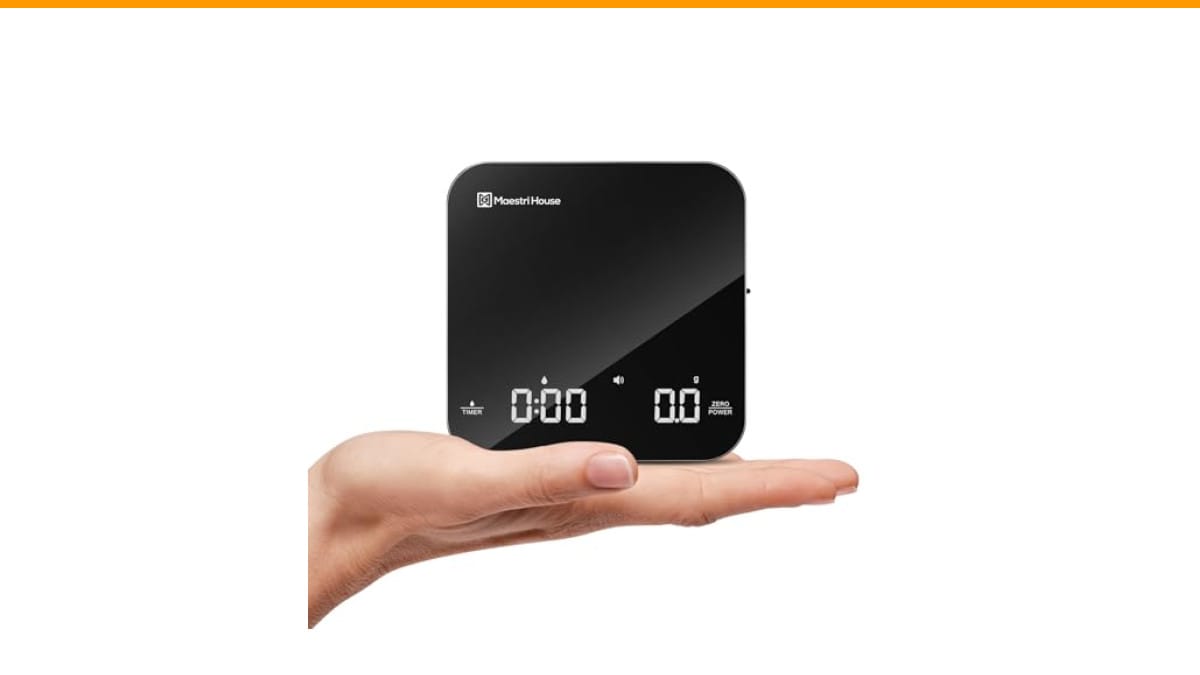
Bitter tastes like ash or dark chocolate that burns the back of the throat. The water moved too slow and pulled out harsh compounds. Grind coarser. Also check your yield. If you are pulling 60 grams of liquid from an 18 gram dose, you are over-extracting. Stop the shot at 36 grams. That is a standard 1:2 ratio. Use a scale under your cup until you learn the timing.
The role of grind size vs. machine pressure
Most semi automatic machines run at 9 bars of pressure. That is fixed. You cannot adjust it on a budget machine. So the only variable you control is the resistance of the puck. A common misconception is that a machine with a weak pump needs a finer grind. That is backwards. The grind setting dictates the flow rate, not the pump. If your shot runs 15 seconds and tastes sour, the grind is too coarse. If it runs 40 seconds and tastes bitter, the grind is too fine. Target 25 to 30 seconds for a double shot.
Problem 3: Steam Wand is Weak or Sputtering
Weak steam ruins milk texture. You want a rolling vortex, not a wet bubble bath. Two things cause this.
Purge condensation and clean the tip
Before steaming, open the wand for two seconds to purge water. That water is condensation from the boiler, and it dilutes the steam. Then check the tip. Milk residue bakes onto the small holes and blocks flow. Remove the tip and soak it in hot water with a drop of dish soap. Use a pin to clear any blocked holes. This is a five-minute fix.
Scale buildup in the boiler
If the wand still sputters after cleaning, scale is restricting the boiler outlet. The boiler cannot generate enough pressure to push steam through. This requires descaling. Run a full descaling cycle with a proper solution. Do not use vinegar; it can damage internal seals and leaves a smell. Follow the machine’s manual. After descaling, the steam should come out dry and powerful. If it does not, the boiler thermostat may be failing, which is a technician job.
Problem 4: Leaks (Portafilter, Drip Tray, or Underneath)
Leaks are the second most common issue. Each location tells a different story.
- Portafilter leaks: The group head gasket is worn. It should be replaced every 12 to 18 months. It costs about $10 and takes five minutes. Pry out the old one with a flathead screwdriver, press the new one in, and lock the portafilter in place to seat it.
- Drip tray fills fast: The three-way valve is stuck or the solenoid is leaking. This valve releases pressure after a shot and drains excess water into the tray. If it leaks constantly, the valve needs cleaning or replacement. Clean it with descaling solution first. If that fails, a new solenoid costs $30 to $60.
- Water underneath: A loose hose or a cracked fitting. Open the case and check the hose clamps on the pump and boiler connections. Tighten them. If a hose is cracked, replace it with food-grade silicone tubing. This is a low-cost, high-skill fix; go slow.
Problem 5: Machine Won’t Heat or Shows Error Codes
No heat means no espresso. Start with the obvious: is the machine plugged into a working outlet? Then check the thermal fuse. This is a safety device that blows if the boiler overheats. It is a small white component with two wires. Test it with a multimeter. If it reads zero resistance, it is blown. Replace it for about $5.
Error codes vary by brand. A flashing red light often means the boiler temperature sensor is reading a fault. This happens when scale insulates the sensor. Descaling fixes it most of the time. If the code persists, the sensor needs replacing. This is more involved. You will need to drain the boiler and access the sensor, which usually sits on top of the boiler. A new sensor costs $15 to $25.
Heating inconsistencies matter more on single-boiler machines. A single boiler has to switch between brew temperature (200°F) and steam temperature (250°F). That swing takes time. If your machine heats unevenly, it might be a failing thermostat. Dual-boiler machines keep both temperatures stable, so they rarely have this issue. Thermoblock machines heat fast but struggle to maintain temperature during a long shot. If you own a thermoblock and get sour shots at the end, the block is likely scaled up.
The Maintenance Schedule That Prevents 90% of Issues
Most problems trace back to neglect. Here is a schedule based on usage, not calendar days.
| Usage | Daily | Weekly | Monthly | Quarterly |
|---|---|---|---|---|
| 1-2 cups/day | Rinse portafilter and group head | Backflush with water | Deep clean steam wand | Descale and replace gasket |
| 3-4 cups/day | Rinse and wipe steam wand | Backflush with water, clean drip tray | Backflush with detergent | Descale and check hoses |
| 5+ cups/day | Full rinse and purge steam wand | Backflush with detergent | Inspect shower screen and gasket | Descale, replace gasket, check pump pressure |
Water hardness changes this schedule. Hard water means descaling monthly. Soft water means you can stretch to every six months. Test your water with a simple strip. If the strip reads above 150 ppm, you have hard water. Use filtered water or a softening cartridge to reduce scale.
When to DIY vs. When to Call a Professional
DIY saves money, but it can void your warranty. Know the line.
Do it yourself: Cleaning, descaling, backflushing, replacing the group gasket, clearing airlocks, and cleaning the steam wand tip. These are low-risk, high-reward jobs. Total cost is under $20.
Call a technician: Replacing the pump, boiler, solenoid valve, or heating element. These involve disassembling the machine and working with mains electricity. A botched repair can be dangerous. A technician will charge $80 to $150 for labor plus parts. That is often worth it for a machine that costs over $500.
Check your warranty first. Most brands void the warranty if you open the case. If your machine is under two years old, contact the manufacturer before attempting any internal repair.
Frequently Asked Questions
Why is my espresso machine not building pressure?
Usually a grind issue. If the grind is too coarse, water flows through instantly and pressure never builds. Go finer. If the grind is already fine, check the portafilter basket. A pressurized basket adds resistance, but a non-pressurized basket relies entirely on the puck. Also check for a clogged shower screen.
How often should I descale a semi automatic espresso machine?
Every three months for average use, monthly if you have hard water. Scale buildup insulates the boiler, causing temperature swings and weak steam. It also clogs narrow internal lines. Set a calendar reminder.
Can I use vinegar to clean my espresso machine?
Technically yes, but I do not recommend it. Vinegar is acidic enough to degrade rubber seals and gaskets over time. It also leaves a residual smell that takes many rinses to remove. Use a commercial descaling solution. It is formulated to dissolve scale without attacking the machine’s internals.
Why does my shot channel and spray everywhere?
Channeling happens when water finds a path through the puck instead of pushing through evenly. Causes: uneven tamp, a clumpy grind, or too fine a grind that causes the puck to crack. Fix it by using a distribution tool or a leveler before tamping. Also ensure your basket is dry before dosing; wet coffee clumps.
My machine leaks from the bottom. Is it ruined?
Not necessarily. Most bottom leaks come from a loose hose clamp or a cracked fitting. Open the case and inspect. Dry the area, run the machine, and watch for the drip. If it comes from a hose, tighten or replace it. If it comes from the boiler seam, that is a major repair and likely not worth it unless your machine is expensive.
What Actually Keeps a Machine Alive
You can ignore the fancy features and focus on three habits.
- Use good water. Filtered water with low hardness extends the life of every component.
- Backflush weekly if you pull shots daily. It flushes coffee oils out of the group head before they turn into sticky residue.
- Descale quarterly. Scale is the silent killer. It damages the boiler, the pump, and the thermostat.
If you already own a machine and skipped maintenance, start now. Run a descaling cycle with a quality solution. Replace the group gasket if it leaks. Clean the shower screen. These small actions prevent the expensive failures that send people to the repair shop.
For more context on how these machines compare, check our semi vs automatic guide. If your machine is making odd noises, see our piece on loud pump sounds. And for a full cleaning routine, read our deep clean walkthrough. A little routine care beats a big repair bill every time.
Products related to this article
Sponsored / affiliate links. As an Amazon Associate I earn from qualifying purchases. I may earn additional commission from eligible campaigns.
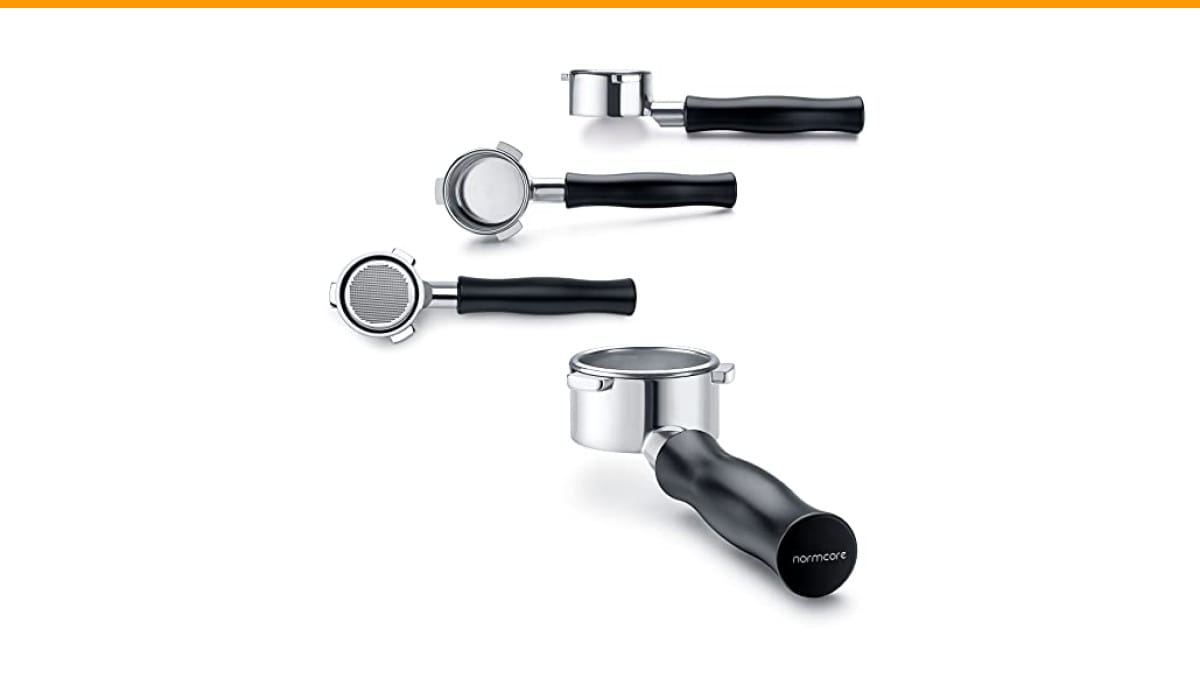
 Coffee Espresso Machine Handle Replacement Parts, Cafe Bracket Handle for Lidl Silvercrest CM4621 CM4218 KF5002 KF500S Barista (for 51mm Portafilter Basket - Not included)
 Quick Heating Cup Warmer, Three Temperature Settings, Splashproof and Portable, for Coffee, Milk, Lightweight ABS Material
 Coffee Mug Warmer & You are Awesome Mug Set, Electric Cup Warmer for Desk